

"EU Industries Struggle with New US Steel and Aluminium Rules: Costs and Compliance Challenges"

Quote from Alex Bobby on September 20, 2025, 8:23 AM
EU Industry Struggles with New US Rules on Steel and Aluminium Imports
European industries are facing significant challenges in response to the United States' new import regulations on steel and aluminium. Following the imposition of 50% tariffs on EU steel and aluminium in June 2025, the U.S. has introduced a new requirement that importers must provide proof of origin for these materials when they are part of finished products. For European industries, this rule has created a complex and costly headache that is impacting sectors ranging from automotive manufacturing to machine tools.
The “Melt and Pour” Rule: A New Challenge for European Exporters
One of the most challenging aspects of the U.S. tariffs is the “melt and pour” rule, which dictates that the origin of steel and aluminium in imported products must be verified. The rule requires proof that the materials used in a product were melted and poured in a specific country, rather than simply being processed or assembled there.
For industries like automotive manufacturing, where supply chains are global and often span multiple countries, this rule is difficult to comply with. “Determining the exact origin of steel or aluminium under the 'melt and pour' rule is extremely complex and often requires cooperation across multiple tiers of suppliers, many of whom may not have this information themselves,” said a spokesperson from the European Automobile Manufacturers’ Association (ACEA).
The issue is further complicated when a product contains multiple materials, such as steel, aluminium, and copper, each potentially subject to different tariffs. Manufacturers now face an immense challenge in tracking and verifying the origin of each component used in their products.
Financial Impact on European Industries
The financial strain on European industries is already being felt. For the automotive sector, which relies heavily on steel and aluminium, the new tariffs and origin verification rules are having a "substantial" impact, ACEA reports. While the tariffs on cars have been set at 15%, many essential materials used in manufacturing, such as generic steel and aluminium, have now been affected by the new import regulations.
This has created additional cost pressures for car manufacturers, as many of the components they use come from suppliers across different countries. The added complexity of tracking the origins of materials—especially when dealing with hundreds of suppliers—is increasing both operational costs and uncertainty for European exporters.
The machine tool sector is also feeling the strain. CECIMO, the European association for manufacturing technologies, has warned that the tariffs and new regulations are pushing up costs for European exporters. These new rules add significant administrative burdens, as companies must now trace and declare the origin of steel used in their products, all while trying to remain competitive in global markets.
Sector-Specific Struggles
Different sectors are being impacted in different ways. In the automotive industry, the complexity of managing global supply chains means that manufacturers must navigate the administrative headache off ensuring that every material used in their vehicles meets the U.S. origin requirements. Even if a European supplier provides raw materials, they may have sourced components from other countries, complicating the tracing process.
In other sectors, such as construction, wind turbines, and machinery, the situation is similarly challenging. The inclusion of hundreds of additional product categories in August 2025 means that companies are now required to track the origin of steel and aluminium in everything from construction materials to fire extinguishers and wind turbines. This new rule not only increases the operational complexity but also introduces a considerable cost burden for manufacturers who must comply with the U.S. regulations.
Administrative Burden: Compliance and Paperwork
The administrative requirements associated with the U.S. tariffs are proving to be one of the most burdensome aspects for European industries. Companies must now maintain meticulous records detailing the origin of steel and aluminium in every product they export to the U.S. This documentation must be precise and thorough to ensure compliance with U.S. regulations, which creates a significant amount of paperwork.
For industries with global supply chains, this paperwork is not just time-consuming—it’s costly. Smaller manufacturers, in particular, may find it difficult to shoulder the additional costs of compliance, which can include legal fees and hiring new staff to manage the paperwork. For larger companies, the administrative burden can lead to inefficiencies and delays, affecting their ability to deliver products to U.S. customers on time.
Diplomatic Efforts: EU Seeks Relief
The EU did not secure tariff exemptions for steel and aluminium in the trade agreement concluded in July 2025, which has left European exporters vulnerable to these new rules. However, the EU is still engaged in discussions with the U.S. administration in hopes of negotiating tariff rate quotas, which would allow some EU steel and aluminium products to be imported without the 50% tariff.
The EU’s strategy aims to ease the financial burden on European industries, particularly those in sectors that rely heavily on steel and aluminium. Officials hope to secure a more favourable arrangement for European companies, allowing them to remain competitive in U.S. markets without facing crippling tariffs and origin verification requirements.
Looking Forward: Navigating the Challenges Ahead
The introduction of U.S. tariffs and the new origin verification rules represent a significant challenge for European industries. While the regulations aim to protect U.S. industry, they have created a complex web of compliance requirements for European exporters. For sectors like automotive manufacturing, machine tools, and construction, the costs and administrative burden associated with these new rules are substantial.
In the coming months, European industries will need to adapt quickly to these new regulations, investing in compliance systems and coordinating more closely with suppliers to ensure the smooth flow of materials. The EU’s ongoing diplomatic efforts to secure tariff rate quotas may provide some relief, but the situation remains fluid. European industries will need to remain resilient and agile as they navigate this new landscape of U.S. trade rules.
For now, the impact of these tariffs and regulations is being felt across multiple sectors, but the ability of European companies to adjust and the success of diplomatic negotiations will determine how well they can weather the storm.
Conclusion: European Industry at a Crossroads
The new U.S. rules on steel and aluminium imports, combined with the 50% tariffs, have placed European industries in a challenging position. Beyond the financial impact, the “melt and pour” origin verification requirement introduces a complex administrative burden that affects sectors from automotive manufacturing to machinery and construction. Companies must now navigate intricate supply chains, track the origins of multiple materials, and ensure full compliance to avoid penalties.
While EU officials continue to negotiate for tariff rate quotas to ease the burden, the immediate challenge for European exporters is clear: adapt quickly or face rising costs and operational disruptions. This moment serves as a test of resilience, collaboration, and strategic planning for European industry, highlighting the need for both agile business practices and continued diplomatic engagement to maintain competitiveness in global markets.
Meta Description:
"New U.S. tariffs and strict origin verification rules on steel and aluminium imports are creating financial and administrative challenges for European industries. Learn how automotive, machinery, and construction sectors are adapting to stay competitive.
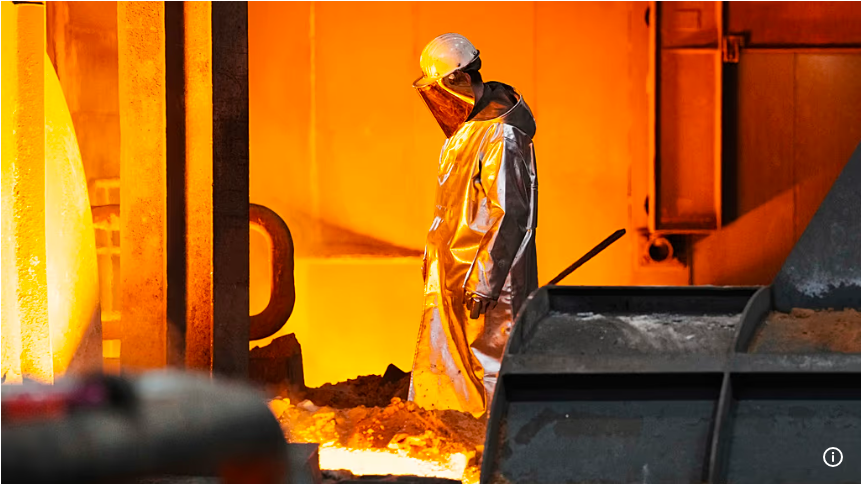
EU Industry Struggles with New US Rules on Steel and Aluminium Imports
European industries are facing significant challenges in response to the United States' new import regulations on steel and aluminium. Following the imposition of 50% tariffs on EU steel and aluminium in June 2025, the U.S. has introduced a new requirement that importers must provide proof of origin for these materials when they are part of finished products. For European industries, this rule has created a complex and costly headache that is impacting sectors ranging from automotive manufacturing to machine tools.
The “Melt and Pour” Rule: A New Challenge for European Exporters
Register for Tekedia Mini-MBA edition 20 (June 8 – Sept 5, 2026).
Register for Tekedia AI in Business Masterclass.
Join Tekedia Capital Syndicate and co-invest in great global startups.
Register for Tekedia AI Lab.
One of the most challenging aspects of the U.S. tariffs is the “melt and pour” rule, which dictates that the origin of steel and aluminium in imported products must be verified. The rule requires proof that the materials used in a product were melted and poured in a specific country, rather than simply being processed or assembled there.
For industries like automotive manufacturing, where supply chains are global and often span multiple countries, this rule is difficult to comply with. “Determining the exact origin of steel or aluminium under the 'melt and pour' rule is extremely complex and often requires cooperation across multiple tiers of suppliers, many of whom may not have this information themselves,” said a spokesperson from the European Automobile Manufacturers’ Association (ACEA).
The issue is further complicated when a product contains multiple materials, such as steel, aluminium, and copper, each potentially subject to different tariffs. Manufacturers now face an immense challenge in tracking and verifying the origin of each component used in their products.

Financial Impact on European Industries
The financial strain on European industries is already being felt. For the automotive sector, which relies heavily on steel and aluminium, the new tariffs and origin verification rules are having a "substantial" impact, ACEA reports. While the tariffs on cars have been set at 15%, many essential materials used in manufacturing, such as generic steel and aluminium, have now been affected by the new import regulations.
This has created additional cost pressures for car manufacturers, as many of the components they use come from suppliers across different countries. The added complexity of tracking the origins of materials—especially when dealing with hundreds of suppliers—is increasing both operational costs and uncertainty for European exporters.

The machine tool sector is also feeling the strain. CECIMO, the European association for manufacturing technologies, has warned that the tariffs and new regulations are pushing up costs for European exporters. These new rules add significant administrative burdens, as companies must now trace and declare the origin of steel used in their products, all while trying to remain competitive in global markets.
Sector-Specific Struggles
Different sectors are being impacted in different ways. In the automotive industry, the complexity of managing global supply chains means that manufacturers must navigate the administrative headache off ensuring that every material used in their vehicles meets the U.S. origin requirements. Even if a European supplier provides raw materials, they may have sourced components from other countries, complicating the tracing process.
In other sectors, such as construction, wind turbines, and machinery, the situation is similarly challenging. The inclusion of hundreds of additional product categories in August 2025 means that companies are now required to track the origin of steel and aluminium in everything from construction materials to fire extinguishers and wind turbines. This new rule not only increases the operational complexity but also introduces a considerable cost burden for manufacturers who must comply with the U.S. regulations.
Administrative Burden: Compliance and Paperwork
The administrative requirements associated with the U.S. tariffs are proving to be one of the most burdensome aspects for European industries. Companies must now maintain meticulous records detailing the origin of steel and aluminium in every product they export to the U.S. This documentation must be precise and thorough to ensure compliance with U.S. regulations, which creates a significant amount of paperwork.
For industries with global supply chains, this paperwork is not just time-consuming—it’s costly. Smaller manufacturers, in particular, may find it difficult to shoulder the additional costs of compliance, which can include legal fees and hiring new staff to manage the paperwork. For larger companies, the administrative burden can lead to inefficiencies and delays, affecting their ability to deliver products to U.S. customers on time.
Diplomatic Efforts: EU Seeks Relief
The EU did not secure tariff exemptions for steel and aluminium in the trade agreement concluded in July 2025, which has left European exporters vulnerable to these new rules. However, the EU is still engaged in discussions with the U.S. administration in hopes of negotiating tariff rate quotas, which would allow some EU steel and aluminium products to be imported without the 50% tariff.
The EU’s strategy aims to ease the financial burden on European industries, particularly those in sectors that rely heavily on steel and aluminium. Officials hope to secure a more favourable arrangement for European companies, allowing them to remain competitive in U.S. markets without facing crippling tariffs and origin verification requirements.
Looking Forward: Navigating the Challenges Ahead
The introduction of U.S. tariffs and the new origin verification rules represent a significant challenge for European industries. While the regulations aim to protect U.S. industry, they have created a complex web of compliance requirements for European exporters. For sectors like automotive manufacturing, machine tools, and construction, the costs and administrative burden associated with these new rules are substantial.
In the coming months, European industries will need to adapt quickly to these new regulations, investing in compliance systems and coordinating more closely with suppliers to ensure the smooth flow of materials. The EU’s ongoing diplomatic efforts to secure tariff rate quotas may provide some relief, but the situation remains fluid. European industries will need to remain resilient and agile as they navigate this new landscape of U.S. trade rules.
For now, the impact of these tariffs and regulations is being felt across multiple sectors, but the ability of European companies to adjust and the success of diplomatic negotiations will determine how well they can weather the storm.
Conclusion: European Industry at a Crossroads
The new U.S. rules on steel and aluminium imports, combined with the 50% tariffs, have placed European industries in a challenging position. Beyond the financial impact, the “melt and pour” origin verification requirement introduces a complex administrative burden that affects sectors from automotive manufacturing to machinery and construction. Companies must now navigate intricate supply chains, track the origins of multiple materials, and ensure full compliance to avoid penalties.
While EU officials continue to negotiate for tariff rate quotas to ease the burden, the immediate challenge for European exporters is clear: adapt quickly or face rising costs and operational disruptions. This moment serves as a test of resilience, collaboration, and strategic planning for European industry, highlighting the need for both agile business practices and continued diplomatic engagement to maintain competitiveness in global markets.
Meta Description:
"New U.S. tariffs and strict origin verification rules on steel and aluminium imports are creating financial and administrative challenges for European industries. Learn how automotive, machinery, and construction sectors are adapting to stay competitive.
Share this:
- Click to share on Facebook (Opens in new window) Facebook
- Click to share on X (Opens in new window) X
- Click to share on WhatsApp (Opens in new window) WhatsApp
- Click to share on LinkedIn (Opens in new window) LinkedIn
- Click to email a link to a friend (Opens in new window) Email
- Click to print (Opens in new window) Print