

EU Ombudsman Investigates Commission Over Delays in Ilva Steel Plant Pollution Case

Quote from Alex Bobby on July 18, 2025, 3:02 AM
EU Ombudsman Launches Investigation into Commission’s Handling of Polluting Italian Steel Mill
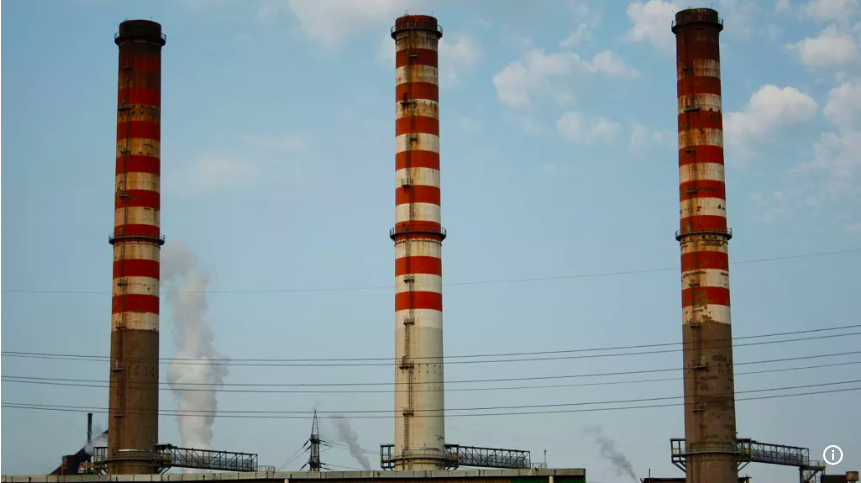
The European Ombudsman has opened an inquiry into the European Commission’s decade-long handling of pollution from a controversial steel plant in southern Italy, following allegations that the EU executive failed to uphold its responsibility to protect public health and the environment.
The move comes after a formal complaint was lodged by Italian campaigners and MEP Valentina Palmisano, who accused the Commission of neglecting the residents of Taranto—a city long plagued by industrial emissions from the Acciaierie d’Italia steel plant, formerly known as Ilva.
A Long-Running Environmental Scandal
The Ilva steelworks in Taranto has been under scrutiny for years, drawing public outcry over its contribution to air, soil, and water pollution. Independent studies and health data have linked the plant’s emissions to elevated cancer rates, respiratory diseases, and contamination of the local food chain. Despite these findings, activists say little meaningful action has been taken to hold Italy accountable under EU environmental law.
In 2013, the European Commission opened an infringement procedure against Italy for failing to ensure the plant complied with the Industrial Emissions Directive. At the time, the Commission cited "heavy pollution" and called for urgent improvements. However, after issuing an additional formal notice in 2014, the case languished with no further escalation to the European Court of Justice (CJEU).
It wasn’t until May 2025—11 years after the initial notice—that the Commission issued a second additional formal warning to Italy, again urging compliance. For campaigners, this delay is inexcusable.
"Taranto has been sacrificed on the altar of economic interests, at the expense of health, dignity, and the fundamental rights of its inhabitants,” said Alessandro Marescotti of the NGO PeaceLink.
Ombudsman Steps In
Teresa Anjinho, the European Ombudsman, has now taken up the case. In a letter dated 11 July to European Commission President Ursula von der Leyen, Anjinho announced the launch of a formal inquiry, seeking to determine whether the Commission’s sluggish handling of the case constitutes maladministration.
The Ombudsman’s investigation will review the entire Commission file related to the infringement procedure—including all correspondence between the Commission and the Italian government, and internal assessments. The Commission has until 30 September to submit a detailed written response.
The inquiry was prompted by a complaint submitted on 4 June by Palmisano and PeaceLink activists Marescotti and Luciano Manna. The complaint alleges that the Commission failed to act with due urgency, lacked transparency in its communication with the public, and ultimately failed to escalate the case to the CJEU despite ongoing environmental violations.
“I have decided that, for the purposes of the inquiry, it is necessary for my inquiry team to inspect the full Commission file,” Anjinho wrote. This includes confidential exchanges that, so far, have been withheld from public view—even from Members of the European Parliament.
The Commission's Response
Responding to queries from Euronews Green, a Commission spokesperson emphasized its ongoing efforts to engage with Italian authorities and stressed the importance of upholding environmental standards. The spokesperson pointed to "consistently constructive and effective working relations" with the Ombudsman and confirmed that Italy had been given two months to respond to the second formal notice issued in May.
If Italy fails to provide a satisfactory reply, the Commission may choose to issue a “reasoned opinion”—a necessary step before referring the case to the European Court of Justice. It remains unclear whether Italy responded within the deadline.
The Commission also expressed frustration with Italy's delayed implementation of an Environmental Plan, which was due in August 2023. “To date, the Environmental Plan is not fully implemented,” the spokesperson acknowledged, adding that the plant’s current permit still does not meet EU standards under the Industrial Emissions Directive.
Public Trust at Stake
The Ombudsman’s inquiry raises questions not only about the steel plant in Taranto but also about the credibility of the Commission in enforcing EU law. As the "Guardian of the Treaties," the Commission is tasked with ensuring that member states comply with EU regulations. A failure to act decisively in the face of prolonged environmental harm undermines that role—and public trust in EU institutions.
The delay in addressing Taranto's pollution contrasts starkly with the EU’s climate ambitions and its Green Deal commitments, highlighting a disconnect between policy rhetoric and enforcement.
Local campaigners say they are hopeful that the Ombudsman’s involvement will finally bring clarity—and accountability. “This is a matter of justice for Taranto,” said Marescotti. “We want to know why the Commission has allowed this to go on for so long.”
What’s Next?
All eyes are now on the Commission’s September response. Depending on the findings, the Ombudsman may issue recommendations to improve transparency and accountability in how infringement procedures are handled. If the Commission is found to have failed in its duties, it could further fuel criticism of EU environmental enforcement and embolden calls for reform.
For the residents of Taranto, the inquiry may represent the first real hope of holding both Italian and EU authorities to account—and of finally putting public health above economic convenience.
Conclusion
The European Ombudsman’s decision to launch a full inquiry into the Commission’s handling of the Ilva/Taranto pollution case marks a pivotal moment for accountability within the EU. What began as a single infringement notice in 2013 has turned into a prolonged saga that has left Taranto’s residents bearing the brunt of toxic emissions while institutional inertia stalled meaningful action. By demanding a comprehensive review of internal communications, timelines, and decision‑making processes—and seeking transparency on the steps taken since the original formal notice—the Ombudsman is forcing Brussels to confront whether it truly lived up to its role as “Guardian of the Treaties.”
The Commission now faces a tight deadline: respond by 30 September with a robust explanation of its past conduct and plans for moving forward. The outcome may determine whether the Ilva case ends with real enforcement, including a referral to the CJEU, or remains another example of regulatory gridlock. For Taranto, the stakes are high: justice, environmental protection, and public trust in EU institutions hang in the balance.
Meta Description:
The EU Ombudsman has launched an inquiry into the European Commission’s handling of the Ilva steel plant pollution case in Italy, following years of delays and growing public health concerns in Taranto.
EU Ombudsman Launches Investigation into Commission’s Handling of Polluting Italian Steel Mill
The European Ombudsman has opened an inquiry into the European Commission’s decade-long handling of pollution from a controversial steel plant in southern Italy, following allegations that the EU executive failed to uphold its responsibility to protect public health and the environment.
The move comes after a formal complaint was lodged by Italian campaigners and MEP Valentina Palmisano, who accused the Commission of neglecting the residents of Taranto—a city long plagued by industrial emissions from the Acciaierie d’Italia steel plant, formerly known as Ilva.
Register for Tekedia Mini-MBA edition 20 (June 8 – Sept 5, 2026).
Register for Tekedia AI in Business Masterclass.
Join Tekedia Capital Syndicate and co-invest in great global startups.
Register for Tekedia AI Lab.
A Long-Running Environmental Scandal
The Ilva steelworks in Taranto has been under scrutiny for years, drawing public outcry over its contribution to air, soil, and water pollution. Independent studies and health data have linked the plant’s emissions to elevated cancer rates, respiratory diseases, and contamination of the local food chain. Despite these findings, activists say little meaningful action has been taken to hold Italy accountable under EU environmental law.
In 2013, the European Commission opened an infringement procedure against Italy for failing to ensure the plant complied with the Industrial Emissions Directive. At the time, the Commission cited "heavy pollution" and called for urgent improvements. However, after issuing an additional formal notice in 2014, the case languished with no further escalation to the European Court of Justice (CJEU).

It wasn’t until May 2025—11 years after the initial notice—that the Commission issued a second additional formal warning to Italy, again urging compliance. For campaigners, this delay is inexcusable.
"Taranto has been sacrificed on the altar of economic interests, at the expense of health, dignity, and the fundamental rights of its inhabitants,” said Alessandro Marescotti of the NGO PeaceLink.
Ombudsman Steps In

Teresa Anjinho, the European Ombudsman, has now taken up the case. In a letter dated 11 July to European Commission President Ursula von der Leyen, Anjinho announced the launch of a formal inquiry, seeking to determine whether the Commission’s sluggish handling of the case constitutes maladministration.
The Ombudsman’s investigation will review the entire Commission file related to the infringement procedure—including all correspondence between the Commission and the Italian government, and internal assessments. The Commission has until 30 September to submit a detailed written response.
The inquiry was prompted by a complaint submitted on 4 June by Palmisano and PeaceLink activists Marescotti and Luciano Manna. The complaint alleges that the Commission failed to act with due urgency, lacked transparency in its communication with the public, and ultimately failed to escalate the case to the CJEU despite ongoing environmental violations.
“I have decided that, for the purposes of the inquiry, it is necessary for my inquiry team to inspect the full Commission file,” Anjinho wrote. This includes confidential exchanges that, so far, have been withheld from public view—even from Members of the European Parliament.
The Commission's Response
Responding to queries from Euronews Green, a Commission spokesperson emphasized its ongoing efforts to engage with Italian authorities and stressed the importance of upholding environmental standards. The spokesperson pointed to "consistently constructive and effective working relations" with the Ombudsman and confirmed that Italy had been given two months to respond to the second formal notice issued in May.
If Italy fails to provide a satisfactory reply, the Commission may choose to issue a “reasoned opinion”—a necessary step before referring the case to the European Court of Justice. It remains unclear whether Italy responded within the deadline.
The Commission also expressed frustration with Italy's delayed implementation of an Environmental Plan, which was due in August 2023. “To date, the Environmental Plan is not fully implemented,” the spokesperson acknowledged, adding that the plant’s current permit still does not meet EU standards under the Industrial Emissions Directive.
Public Trust at Stake
The Ombudsman’s inquiry raises questions not only about the steel plant in Taranto but also about the credibility of the Commission in enforcing EU law. As the "Guardian of the Treaties," the Commission is tasked with ensuring that member states comply with EU regulations. A failure to act decisively in the face of prolonged environmental harm undermines that role—and public trust in EU institutions.
The delay in addressing Taranto's pollution contrasts starkly with the EU’s climate ambitions and its Green Deal commitments, highlighting a disconnect between policy rhetoric and enforcement.
Local campaigners say they are hopeful that the Ombudsman’s involvement will finally bring clarity—and accountability. “This is a matter of justice for Taranto,” said Marescotti. “We want to know why the Commission has allowed this to go on for so long.”
What’s Next?
All eyes are now on the Commission’s September response. Depending on the findings, the Ombudsman may issue recommendations to improve transparency and accountability in how infringement procedures are handled. If the Commission is found to have failed in its duties, it could further fuel criticism of EU environmental enforcement and embolden calls for reform.
For the residents of Taranto, the inquiry may represent the first real hope of holding both Italian and EU authorities to account—and of finally putting public health above economic convenience.
Conclusion
The European Ombudsman’s decision to launch a full inquiry into the Commission’s handling of the Ilva/Taranto pollution case marks a pivotal moment for accountability within the EU. What began as a single infringement notice in 2013 has turned into a prolonged saga that has left Taranto’s residents bearing the brunt of toxic emissions while institutional inertia stalled meaningful action. By demanding a comprehensive review of internal communications, timelines, and decision‑making processes—and seeking transparency on the steps taken since the original formal notice—the Ombudsman is forcing Brussels to confront whether it truly lived up to its role as “Guardian of the Treaties.”
The Commission now faces a tight deadline: respond by 30 September with a robust explanation of its past conduct and plans for moving forward. The outcome may determine whether the Ilva case ends with real enforcement, including a referral to the CJEU, or remains another example of regulatory gridlock. For Taranto, the stakes are high: justice, environmental protection, and public trust in EU institutions hang in the balance.
Meta Description:
The EU Ombudsman has launched an inquiry into the European Commission’s handling of the Ilva steel plant pollution case in Italy, following years of delays and growing public health concerns in Taranto.
Share this:
- Click to share on Facebook (Opens in new window) Facebook
- Click to share on X (Opens in new window) X
- Click to share on WhatsApp (Opens in new window) WhatsApp
- Click to share on LinkedIn (Opens in new window) LinkedIn
- Click to email a link to a friend (Opens in new window) Email
- Click to print (Opens in new window) Print