

Eurogroup Presidency Vote: Donohoe, Cuerpo, Šadžius Battle for Top EU Economic Role

Quote from Alex Bobby on July 7, 2025, 4:13 AM
Who Will Lead the Eurogroup? Ireland, Spain, and Lithuania Vie for Key EU Economic Role
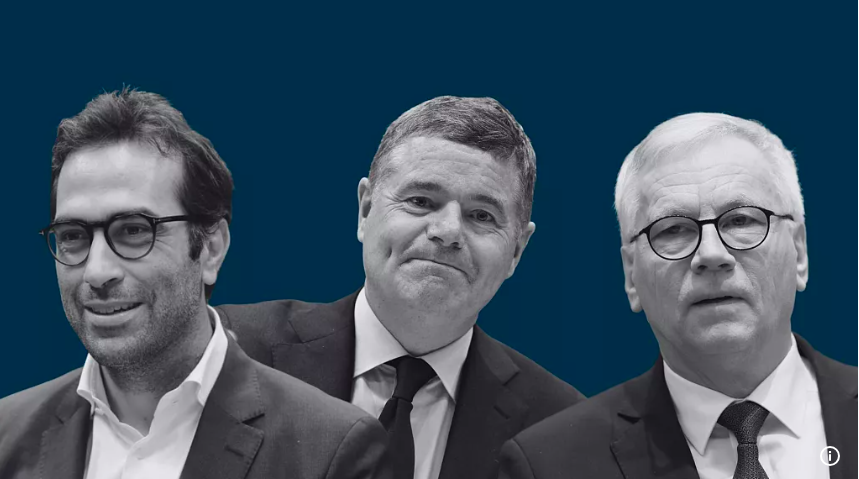
On Monday 7 July, eurozone finance ministers will vote to elect a new Eurogroup president. Here's who is in the running—and what's at stake.On Monday, July 7, the finance ministers of the 20 eurozone nations will gather to select the next president of the Eurogroup—a position that plays a pivotal role in shaping the EU’s economic policy. While the vote itself will be held in secret, the race has already drawn clear lines between continuity and reform, with three candidates—Paschal Donohoe of Ireland, Carlos Cuerpo of Spain, and Rimantas Šadžius of Lithuania—vying for the powerful chairmanship.
The Eurogroup president leads monthly meetings of eurozone finance ministers, coordinates economic strategies, and represents the bloc in key negotiations with institutions like the European Central Bank and the International Monetary Fund. Given the economic challenges Europe faces—from inflation and global trade tensions to rising defence spending and green transition costs—this leadership contest carries significant weight.
Paschal Donohoe: A Vote for Stability and Experience
Ireland’s Paschal Donohoe has held the post since 2020 and is seeking a third term. A member of the European People’s Party (EPP), Donohoe has gained a reputation as a steady and pragmatic leader, particularly praised for navigating the eurozone through the pandemic’s economic shockwaves.
In his letter to fellow finance ministers, Donohoe underlined his leadership as a source of “predictability, stability and transparency” in turbulent times. Looking ahead, he pledges to deepen the integration of European capital markets, advance the digital euro initiative, and foster greater cooperation on security and investment.
“The global economy is at a pivotal juncture,” Donohoe warned. “We must build on our achievements and remain an anchor of trust and transparency.” His supporters argue that his tenure has brought cohesion and credibility to the Eurogroup, and many smaller, fiscally conservative states may see his re-election as the safest path forward.
However, Donohoe faces competition from ministers seeking to steer the Eurogroup toward more transformative, ambitious goals.
Carlos Cuerpo: An Ambitious Agenda for a Stronger Eurozone
Representing Spain’s Socialist Party, Carlos Cuerpo presents himself as the change candidate in this year’s race. An economist with a PhD and past roles at the European Commission and Spain’s fiscal watchdog, AIReF, Cuerpo became Spain’s finance minister in late 2023 after Nadia Calviño left to lead the European Investment Bank.
In his candidacy letter, Cuerpo outlined a bold and forward-looking vision for the eurozone. His key priorities include completing the capital markets and banking unions, boosting the international role of the euro, and strengthening long-term economic growth. Cuerpo also advocates for issuing new common EU debt to fund the bloc’s defence capabilities—reflecting a push to equip the EU for new geopolitical realities.
“The time has come to move from discussion to delivery,” Cuerpo wrote, calling for the EU to double its long-term budget from 1% of GDP to accommodate new demands such as defence, green energy, and digital innovation.
Yet despite the ambition of his proposals, Cuerpo’s political family—the Socialists—are in the minority within the Eurogroup. Countries like Germany and the Netherlands may resist his push for more integrated fiscal policies and common borrowing. Still, diplomatic observers suggest that the real contest is between Donohoe and Cuerpo, making the Spanish minister a formidable challenger.
Rimantas Šadžius: A Voice from the East
Lithuania’s Rimantas Šadžius is the least likely candidate to win but brings an important regional perspective. A seasoned finance minister and former member of the European Court of Auditors, Šadžius has played a key role in Lithuania’s economic transition and eurozone integration.
In his campaign letter, Šadžius emphasized completing the capital markets and banking unions, but with a sharper focus on reducing geographic disparities. He pointed out that the capital markets union remains “heterogeneous and more concentrated in Western and Northern Europe,” arguing for greater inclusivity for smaller and Eastern EU countries.
He also stressed the importance of fiscal sustainability, digital euro implementation, and deeper euro area integration without duplicating the European Council’s efforts.
Šadžius may find support among member states bordering Russia, who value his understanding of the EU’s eastern frontier and security concerns. However, competing with Cuerpo for the socialist vote and lacking broader political backing, his chances of securing the eleven votes needed for victory appear slim.
What’s at Stake?
With only four permanent presidents in its 20-year history, the Eurogroup has traditionally been steered by consensus-driven, moderate leaders. But the current economic environment—defined by global uncertainty, internal fragmentation, and demands for deeper fiscal cooperation—has reignited debate over whether it’s time for more ambitious leadership.
If Cuerpo wins, the Eurogroup could embark on a more transformative agenda, potentially pushing the EU toward joint debt issuance and greater fiscal integration. Donohoe, meanwhile, represents continuity and consensus, likely maintaining the current pace of integration with an eye on pragmatic stability. Šadžius, though unlikely to clinch the post, adds an important Eastern European voice to the conversation, highlighting the need to ensure balanced development across the eurozone.
As finance ministers prepare to cast their votes behind closed doors, the outcome of Monday’s election will signal the direction in which eurozone economic governance is headed—for better or for more of the same.
Meta Description:
On July 7, eurozone finance ministers will elect a new Eurogroup president. Ireland’s Donohoe seeks a third term, while Spain’s Cuerpo and Lithuania’s Šadžius offer alternative visions for Europe’s economic future.
Who Will Lead the Eurogroup? Ireland, Spain, and Lithuania Vie for Key EU Economic Role
On Monday 7 July, eurozone finance ministers will vote to elect a new Eurogroup president. Here's who is in the running—and what's at stake.
On Monday, July 7, the finance ministers of the 20 eurozone nations will gather to select the next president of the Eurogroup—a position that plays a pivotal role in shaping the EU’s economic policy. While the vote itself will be held in secret, the race has already drawn clear lines between continuity and reform, with three candidates—Paschal Donohoe of Ireland, Carlos Cuerpo of Spain, and Rimantas Šadžius of Lithuania—vying for the powerful chairmanship.
The Eurogroup president leads monthly meetings of eurozone finance ministers, coordinates economic strategies, and represents the bloc in key negotiations with institutions like the European Central Bank and the International Monetary Fund. Given the economic challenges Europe faces—from inflation and global trade tensions to rising defence spending and green transition costs—this leadership contest carries significant weight.
Register for Tekedia Mini-MBA edition 20 (June 8 – Sept 5, 2026).
Register for Tekedia AI in Business Masterclass.
Join Tekedia Capital Syndicate and co-invest in great global startups.
Register for Tekedia AI Lab.
Paschal Donohoe: A Vote for Stability and Experience
Ireland’s Paschal Donohoe has held the post since 2020 and is seeking a third term. A member of the European People’s Party (EPP), Donohoe has gained a reputation as a steady and pragmatic leader, particularly praised for navigating the eurozone through the pandemic’s economic shockwaves.
In his letter to fellow finance ministers, Donohoe underlined his leadership as a source of “predictability, stability and transparency” in turbulent times. Looking ahead, he pledges to deepen the integration of European capital markets, advance the digital euro initiative, and foster greater cooperation on security and investment.

“The global economy is at a pivotal juncture,” Donohoe warned. “We must build on our achievements and remain an anchor of trust and transparency.” His supporters argue that his tenure has brought cohesion and credibility to the Eurogroup, and many smaller, fiscally conservative states may see his re-election as the safest path forward.
However, Donohoe faces competition from ministers seeking to steer the Eurogroup toward more transformative, ambitious goals.
Carlos Cuerpo: An Ambitious Agenda for a Stronger Eurozone

Representing Spain’s Socialist Party, Carlos Cuerpo presents himself as the change candidate in this year’s race. An economist with a PhD and past roles at the European Commission and Spain’s fiscal watchdog, AIReF, Cuerpo became Spain’s finance minister in late 2023 after Nadia Calviño left to lead the European Investment Bank.
In his candidacy letter, Cuerpo outlined a bold and forward-looking vision for the eurozone. His key priorities include completing the capital markets and banking unions, boosting the international role of the euro, and strengthening long-term economic growth. Cuerpo also advocates for issuing new common EU debt to fund the bloc’s defence capabilities—reflecting a push to equip the EU for new geopolitical realities.
“The time has come to move from discussion to delivery,” Cuerpo wrote, calling for the EU to double its long-term budget from 1% of GDP to accommodate new demands such as defence, green energy, and digital innovation.
Yet despite the ambition of his proposals, Cuerpo’s political family—the Socialists—are in the minority within the Eurogroup. Countries like Germany and the Netherlands may resist his push for more integrated fiscal policies and common borrowing. Still, diplomatic observers suggest that the real contest is between Donohoe and Cuerpo, making the Spanish minister a formidable challenger.
Rimantas Šadžius: A Voice from the East
Lithuania’s Rimantas Šadžius is the least likely candidate to win but brings an important regional perspective. A seasoned finance minister and former member of the European Court of Auditors, Šadžius has played a key role in Lithuania’s economic transition and eurozone integration.
In his campaign letter, Šadžius emphasized completing the capital markets and banking unions, but with a sharper focus on reducing geographic disparities. He pointed out that the capital markets union remains “heterogeneous and more concentrated in Western and Northern Europe,” arguing for greater inclusivity for smaller and Eastern EU countries.
He also stressed the importance of fiscal sustainability, digital euro implementation, and deeper euro area integration without duplicating the European Council’s efforts.
Šadžius may find support among member states bordering Russia, who value his understanding of the EU’s eastern frontier and security concerns. However, competing with Cuerpo for the socialist vote and lacking broader political backing, his chances of securing the eleven votes needed for victory appear slim.
What’s at Stake?
With only four permanent presidents in its 20-year history, the Eurogroup has traditionally been steered by consensus-driven, moderate leaders. But the current economic environment—defined by global uncertainty, internal fragmentation, and demands for deeper fiscal cooperation—has reignited debate over whether it’s time for more ambitious leadership.
If Cuerpo wins, the Eurogroup could embark on a more transformative agenda, potentially pushing the EU toward joint debt issuance and greater fiscal integration. Donohoe, meanwhile, represents continuity and consensus, likely maintaining the current pace of integration with an eye on pragmatic stability. Šadžius, though unlikely to clinch the post, adds an important Eastern European voice to the conversation, highlighting the need to ensure balanced development across the eurozone.
As finance ministers prepare to cast their votes behind closed doors, the outcome of Monday’s election will signal the direction in which eurozone economic governance is headed—for better or for more of the same.
Meta Description:
On July 7, eurozone finance ministers will elect a new Eurogroup president. Ireland’s Donohoe seeks a third term, while Spain’s Cuerpo and Lithuania’s Šadžius offer alternative visions for Europe’s economic future.
Share this:
- Click to share on Facebook (Opens in new window) Facebook
- Click to share on X (Opens in new window) X
- Click to share on WhatsApp (Opens in new window) WhatsApp
- Click to share on LinkedIn (Opens in new window) LinkedIn
- Click to email a link to a friend (Opens in new window) Email
- Click to print (Opens in new window) Print