

European Parliament Votes for Mandatory Microchipping of All Cats and Dogs in the EU to Combat Illegal Pet Trade

Quote from Alex Bobby on June 20, 2025, 5:34 AM
EU Parliament Votes to Make Microchipping Mandatory for All Cats and Dogs: A Major Step for Animal Welfare
In a landmark move to crack down on illegal pet trade and improve animal welfare across the continent, the European Parliament has voted to make microchipping and registration mandatory for all cats and dogs in the EU. The vote marks a decisive step toward unified standards for the breeding, keeping, and selling of companion animals—bringing the bloc closer to a long-awaited harmonised framework that would protect pets and their owners alike.
This pivotal vote not only supports the European Commission’s original proposal but goes even further, expanding the rules to all cats and dogs—not just those placed on the market—and paves the way for final negotiations with EU ministers, who adopted their position last year.
Combating Illegal Trade and Animal Exploitation
The core aim of the new legislation is to combat fraud, unregulated breeding, and illegal importation of cats and dogs. MEPs voted to close loopholes that have allowed unscrupulous breeders and traffickers to exploit fragmented national systems.
“This marks a clear move against illegal breeding and the irresponsible importation of animals from outside the EU,” said Veronika Vrecionová, Czech conservative MEP and rapporteur on the file. Under the new rules, all cats and dogs imported from non-EU countries for sale must be microchipped prior to entry and registered in a national database.
While pet registration is already mandatory in 24 EU member states, the systems are disconnected. Only Europetnet, a private initiative, currently links pet databases across 17 countries. The new law aims to create standardised, interoperable registration systems to track animals across borders, making it easier to identify pets and owners and crack down on illicit activity.
A Win for Animal Welfare Organisations
Animal welfare organisations across Europe have welcomed the vote as a major breakthrough.
“MEPs have finally taken a step today that we've been waiting for for years, one that could end the illegal pet trade once and for all in Europe,” said Joe Moran, European Office Director at FOUR PAWS International.
The law sets minimum standards for care, including proper feeding, veterinary oversight, and protection from abuse. It also targets unregulated backyard breeding and cruel puppy and kitten mills, often operating without oversight or humane conditions.
Importantly, earlier concerns about amendments that could have inadvertently enabled illegal trade were addressed in the final plenary vote, ensuring that animal protections remain at the core of the proposal.
Regulating Breeding Practices
In a move widely praised by experts, the Parliament also proposed limits on the number of litters a female animal can have during her lifetime. The rule would apply to all breeders, regardless of their size, including small and hobby breeders who produce fewer than four litters per year.
“This is significant, especially in countries where 80% of breeders fall into this category,” said Iwona Mertin, Companion Animals Programme Leader at Eurogroup for Animals. “Without this, a major loophole would remain.”
The regulation of small-scale breeders ensures that all breeding practices are subject to welfare standards, preventing exploitation under the guise of non-commercial or family-level breeding.
A Booming Pet Sector
The vote comes at a time when pet ownership in Europe is at an all-time high. According to the European Commission, there are 127 million cats and 104 million dogs in the EU, with 44% of households owning at least one pet. The companion animal sector is valued at €1.3 billion annually, highlighting both the economic significance and social importance of pet ownership.
Yet this growing demand has also created a fertile ground for exploitation, especially through online marketplaces and unregulated breeders. Mandatory microchipping and registration will provide traceability and accountability, helping authorities and owners alike to protect animals from abuse, abandonment, or fraudulent sale.
Looking Ahead: Broader Protections for Companion Animals
Beyond cats and dogs, the European Parliament also left the door open to extending protections to other species. MEPs supported the creation of a “Positive List”—a regulatory framework that would only permit species deemed suitable for domestic companionship to be kept and sold as pets.
This forward-looking measure could eventually curtail the trade and ownership of exotic or unsuitable animals, ensuring that all pets, not just the most common, are protected under EU law.
Final Steps: Negotiations to Begin
With the Parliament’s vote now secured, final negotiations with the Council of the EU (representing member states) are expected to begin shortly. Once agreement is reached, the new law will be formally adopted and implemented across the 27-member bloc.
If successful, the legislation will transform pet welfare and trade in the EU, setting a global standard for transparency, accountability, and humane treatment of animals.
Conclusion: Toward a Safer Future for Europe’s Pets
The European Parliament’s endorsement of mandatory microchipping and pet registration is a historic step forward for animal welfare in the EU. By targeting illegal trade, regulating breeders, and ensuring lifelong identification for pets, the legislation offers a path toward a safer, more transparent future for Europe’s beloved cats and dogs.
As final negotiations approach, animal rights advocates, pet owners, and responsible breeders alike will be watching closely—hoping that the EU will soon turn this powerful promise into law.
Meta Description:
The European Parliament has voted to make microchipping and registration mandatory for all cats and dogs in the EU, aiming to curb illegal trade and raise animal welfare standards.
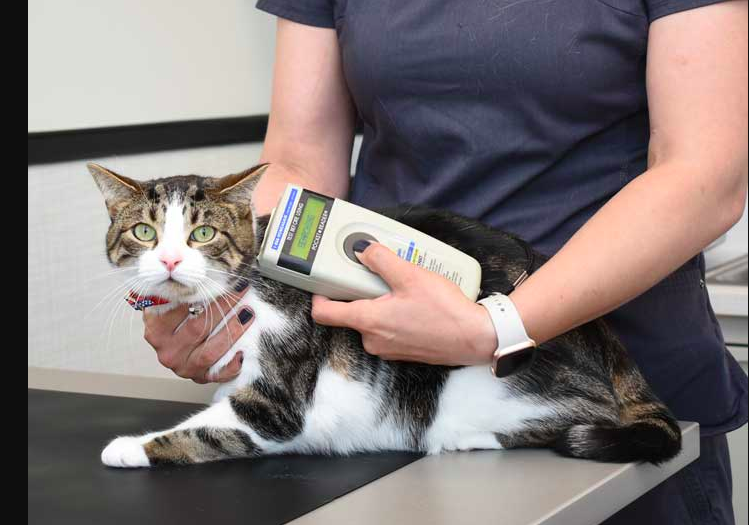
EU Parliament Votes to Make Microchipping Mandatory for All Cats and Dogs: A Major Step for Animal Welfare
In a landmark move to crack down on illegal pet trade and improve animal welfare across the continent, the European Parliament has voted to make microchipping and registration mandatory for all cats and dogs in the EU. The vote marks a decisive step toward unified standards for the breeding, keeping, and selling of companion animals—bringing the bloc closer to a long-awaited harmonised framework that would protect pets and their owners alike.
This pivotal vote not only supports the European Commission’s original proposal but goes even further, expanding the rules to all cats and dogs—not just those placed on the market—and paves the way for final negotiations with EU ministers, who adopted their position last year.
Register for Tekedia Mini-MBA edition 20 (June 8 – Sept 5, 2026).
Register for Tekedia AI in Business Masterclass.
Join Tekedia Capital Syndicate and co-invest in great global startups.
Register for Tekedia AI Lab.
Combating Illegal Trade and Animal Exploitation
The core aim of the new legislation is to combat fraud, unregulated breeding, and illegal importation of cats and dogs. MEPs voted to close loopholes that have allowed unscrupulous breeders and traffickers to exploit fragmented national systems.
“This marks a clear move against illegal breeding and the irresponsible importation of animals from outside the EU,” said Veronika Vrecionová, Czech conservative MEP and rapporteur on the file. Under the new rules, all cats and dogs imported from non-EU countries for sale must be microchipped prior to entry and registered in a national database.

While pet registration is already mandatory in 24 EU member states, the systems are disconnected. Only Europetnet, a private initiative, currently links pet databases across 17 countries. The new law aims to create standardised, interoperable registration systems to track animals across borders, making it easier to identify pets and owners and crack down on illicit activity.
A Win for Animal Welfare Organisations
Animal welfare organisations across Europe have welcomed the vote as a major breakthrough.

“MEPs have finally taken a step today that we've been waiting for for years, one that could end the illegal pet trade once and for all in Europe,” said Joe Moran, European Office Director at FOUR PAWS International.
The law sets minimum standards for care, including proper feeding, veterinary oversight, and protection from abuse. It also targets unregulated backyard breeding and cruel puppy and kitten mills, often operating without oversight or humane conditions.
Importantly, earlier concerns about amendments that could have inadvertently enabled illegal trade were addressed in the final plenary vote, ensuring that animal protections remain at the core of the proposal.
Regulating Breeding Practices
In a move widely praised by experts, the Parliament also proposed limits on the number of litters a female animal can have during her lifetime. The rule would apply to all breeders, regardless of their size, including small and hobby breeders who produce fewer than four litters per year.
“This is significant, especially in countries where 80% of breeders fall into this category,” said Iwona Mertin, Companion Animals Programme Leader at Eurogroup for Animals. “Without this, a major loophole would remain.”
The regulation of small-scale breeders ensures that all breeding practices are subject to welfare standards, preventing exploitation under the guise of non-commercial or family-level breeding.
A Booming Pet Sector
The vote comes at a time when pet ownership in Europe is at an all-time high. According to the European Commission, there are 127 million cats and 104 million dogs in the EU, with 44% of households owning at least one pet. The companion animal sector is valued at €1.3 billion annually, highlighting both the economic significance and social importance of pet ownership.
Yet this growing demand has also created a fertile ground for exploitation, especially through online marketplaces and unregulated breeders. Mandatory microchipping and registration will provide traceability and accountability, helping authorities and owners alike to protect animals from abuse, abandonment, or fraudulent sale.
Looking Ahead: Broader Protections for Companion Animals
Beyond cats and dogs, the European Parliament also left the door open to extending protections to other species. MEPs supported the creation of a “Positive List”—a regulatory framework that would only permit species deemed suitable for domestic companionship to be kept and sold as pets.
This forward-looking measure could eventually curtail the trade and ownership of exotic or unsuitable animals, ensuring that all pets, not just the most common, are protected under EU law.
Final Steps: Negotiations to Begin
With the Parliament’s vote now secured, final negotiations with the Council of the EU (representing member states) are expected to begin shortly. Once agreement is reached, the new law will be formally adopted and implemented across the 27-member bloc.
If successful, the legislation will transform pet welfare and trade in the EU, setting a global standard for transparency, accountability, and humane treatment of animals.
Conclusion: Toward a Safer Future for Europe’s Pets
The European Parliament’s endorsement of mandatory microchipping and pet registration is a historic step forward for animal welfare in the EU. By targeting illegal trade, regulating breeders, and ensuring lifelong identification for pets, the legislation offers a path toward a safer, more transparent future for Europe’s beloved cats and dogs.
As final negotiations approach, animal rights advocates, pet owners, and responsible breeders alike will be watching closely—hoping that the EU will soon turn this powerful promise into law.
Meta Description:
The European Parliament has voted to make microchipping and registration mandatory for all cats and dogs in the EU, aiming to curb illegal trade and raise animal welfare standards.
Share this:
- Click to share on Facebook (Opens in new window) Facebook
- Click to share on X (Opens in new window) X
- Click to share on WhatsApp (Opens in new window) WhatsApp
- Click to share on LinkedIn (Opens in new window) LinkedIn
- Click to email a link to a friend (Opens in new window) Email
- Click to print (Opens in new window) Print