

Five Pussy Riot Members Sentenced in Absentia in Russia Over Anti-War Performances

Quote from Alex Bobby on September 17, 2025, 8:25 AM
‘Ukraine Must Win’: Five Members of Pussy Riot Sentenced to Jail in Russia
Five members of the feminist punk collective Pussy Riot have been sentenced to prison in Russia in absentia for their anti-war performances criticising the ongoing conflict in Ukraine. The decision by Moscow’s Basmanny District Court has sparked international attention and renewed discussion about freedom of expression under Vladimir Putin’s government.
The sentenced members include Maria Alyokhina, Taso Pletner, Olga Borisova, Alina Petrova, and Diana Burkot, according to reports from the independent Russian outlet Mediazona, co-founded by members of the band. Jail terms handed down ranged from eight to 13 years, as reported by Rolling Stone and Mediazona.
Charges and Allegations
The charges relate to performances that critics argue were acts of political dissent rather than criminal activity. One of the key pieces cited by authorities was the music video ‘Mama, Don’t Watch TV’, released in December 2022, which the Russian court claimed spread “false information” about the Russian army and the war in Ukraine.
In addition, the group faces charges linked to a provocative act in April 2024, in which one member allegedly urinated on a portrait of Vladimir Putin. The Russian government maintains that these acts constitute criminal behaviour, though the band members have consistently rejected the charges as politically motivated.
Diana Burkot’s Statement
Diana Burkot, one of the sentenced members, delivered a defiant message in a statement to Rolling Stone. She emphasised her unwavering support for Ukraine and her condemnation of the Russian government:
“The full-scale war against Ukraine has been going on for more than three years. And I continue to believe: Ukraine must win, and Putin must face trial in The Hague.”
Burkot described the Russian regime as “a textbook example of patriarchy—the worst kind of abuser: a tyrant, a narcissist, a gaslighter, a toxic manipulator who lives off the destruction of others’ will.” She urged people worldwide to use their voices against authoritarianism, emphasising that collective activism is essential to resist threats to democracy.
Despite the sentences, Burkot stressed that the Russian government has no access to her physical body and that even if she were in Russia, she would continue speaking out.
Pussy Riot’s History of Activism
Pussy Riot rose to global prominence in 2012 with ‘A Punk Prayer’, a protest performance at Moscow’s Cathedral of Christ the Saviour that criticised Putin and the Russian Orthodox Church. The stunt led to the imprisonment of three members and drew international condemnation of Russia’s crackdown on dissent.
Since then, the group has remained at the forefront of opposition to authoritarianism in Russia, consistently challenging government repression, censorship, and human rights abuses. Their activism has extended to the ongoing war in Ukraine, with several members criticising the Kremlin’s military actions through music, performance art, and public statements.
Recent Legal Battles
This is not the first time members of Pussy Riot have faced legal repercussions for speaking out. In 2023, Nadya Tolokonnikova was arrested in absentia and added to Russia’s International Wanted list. Last year, Pyotr Verzilov, the unofficial spokesperson for the band who left Russia in 2020 after authorities searched his home, was sentenced in absentia to eight years and four months in prison for social media posts criticising the war in Ukraine.
The recent sentences continue a pattern of targeting outspoken critics and dissidents, particularly those using digital platforms or public performances to amplify anti-war messages. Human rights organisations have criticised these legal actions as part of a broader campaign to intimidate and silence political opposition in Russia.
International Reactions
The sentencing of Pussy Riot members has drawn condemnation from activists, artists, and free speech advocates worldwide. Many view the Russian court’s decision as an attempt to stifle dissent and send a message to other critics of the government.
Diana Burkot’s statement emphasising Ukraine’s right to victory and calling for Putin to face trial at The Hague resonates with international calls for accountability for the Kremlin’s actions in Ukraine. The ongoing conflict, now over three years old, has already resulted in tens of thousands of casualties and widespread humanitarian crises, and the sentences against Pussy Riot highlight the intersection of domestic repression and global geopolitical tensions.
The Role of Art in Political Activism
Pussy Riot exemplifies the power of art and performance as a form of political resistance. Their music, videos, and public actions often blur the line between creative expression and activism, making their work both a form of protest and a tool for raising awareness about injustice.
The band’s anti-war performances in particular illustrate how art can serve as a platform for dissent, reaching audiences that traditional journalism or political discourse might not. In the context of Russia’s increasingly authoritarian environment, such expressions are seen as threatening by the state, which responds with legal action and intimidation.
Looking Forward
The sentencing of Pussy Riot members in absentia is likely to have far-reaching implications for activists, artists, and dissidents in Russia and beyond. Moving forward, the case underscores the importance of international solidarity, legal advocacy, and public awareness in protecting freedom of expression.
For the band and their supporters, it signals that the fight for accountability—both for the war in Ukraine and for domestic repression—will continue outside Russia. Globally, it highlights the critical role that artists and activists play in amplifying voices of dissent, using creative expression to challenge authoritarian regimes and draw attention to human rights abuses. As the situation evolves, the international community will be watching closely, emphasising that advocacy, art, and collective action remain powerful tools in the struggle for justice.
Final Thoughts
The harsh sentences handed down to Pussy Riot members reflect the deepening clampdown on dissent in Russia and the high personal cost of opposing authoritarian power. Yet their defiance also shows the resilience of art as a form of resistance — a reminder that even in exile, voices can challenge oppression and inspire change.
As the war in Ukraine grinds on, their message underscores a larger truth: freedom of expression is inseparable from the fight for justice and democracy. By continuing to speak out despite the risks, Pussy Riot not only defends artistic freedom but also stands as a symbol of unwavering courage in the face of tyranny.
Conclusion
The sentencing of five Pussy Riot members in absentia underscores the continued risks faced by activists and artists in Russia, especially those challenging the government’s policies on Ukraine and domestic repression. Despite facing long prison terms, the members remain vocal, with Diana Burkot’s defiant words echoing their ongoing commitment to freedom of expression and opposition to authoritarianism.
This case also highlights the broader struggle for democratic values and accountability in Russia. By standing firm in the face of repression, Pussy Riot continues to inspire global audiences to speak out, resist authoritarian control, and advocate for human rights, both at home and abroad.
In an era marked by political crackdowns and wars of information, their activism serves as a reminder that art and music can be potent forms of protest, capable of challenging power and mobilising international attention to issues of justice and human rights.
Meta Description:
Five members of Pussy Riot have been sentenced in absentia to 8–13 years in Russia for anti-war performances criticising the Ukraine conflict, sparking international debate over freedom of expression.
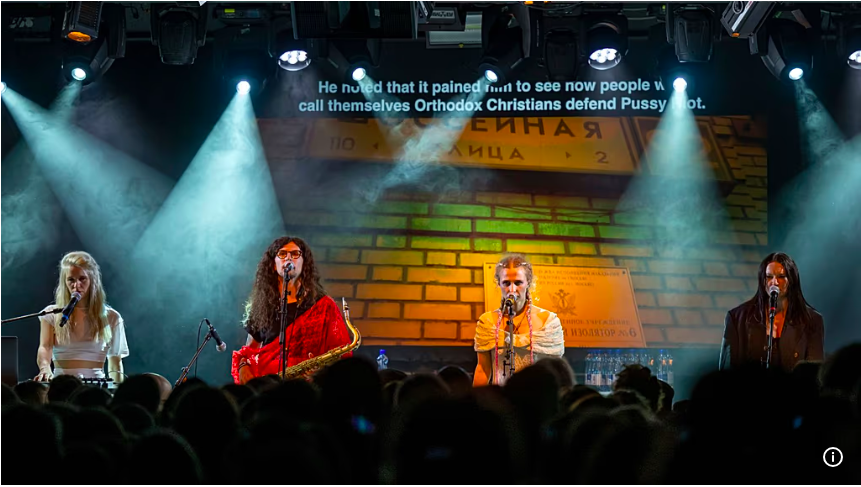
‘Ukraine Must Win’: Five Members of Pussy Riot Sentenced to Jail in Russia
Five members of the feminist punk collective Pussy Riot have been sentenced to prison in Russia in absentia for their anti-war performances criticising the ongoing conflict in Ukraine. The decision by Moscow’s Basmanny District Court has sparked international attention and renewed discussion about freedom of expression under Vladimir Putin’s government.
The sentenced members include Maria Alyokhina, Taso Pletner, Olga Borisova, Alina Petrova, and Diana Burkot, according to reports from the independent Russian outlet Mediazona, co-founded by members of the band. Jail terms handed down ranged from eight to 13 years, as reported by Rolling Stone and Mediazona.
Register for Tekedia Mini-MBA edition 20 (June 8 – Sept 5, 2026).
Register for Tekedia AI in Business Masterclass.
Join Tekedia Capital Syndicate and co-invest in great global startups.
Register for Tekedia AI Lab.
Charges and Allegations
The charges relate to performances that critics argue were acts of political dissent rather than criminal activity. One of the key pieces cited by authorities was the music video ‘Mama, Don’t Watch TV’, released in December 2022, which the Russian court claimed spread “false information” about the Russian army and the war in Ukraine.
In addition, the group faces charges linked to a provocative act in April 2024, in which one member allegedly urinated on a portrait of Vladimir Putin. The Russian government maintains that these acts constitute criminal behaviour, though the band members have consistently rejected the charges as politically motivated.

Diana Burkot’s Statement
Diana Burkot, one of the sentenced members, delivered a defiant message in a statement to Rolling Stone. She emphasised her unwavering support for Ukraine and her condemnation of the Russian government:
“The full-scale war against Ukraine has been going on for more than three years. And I continue to believe: Ukraine must win, and Putin must face trial in The Hague.”

Burkot described the Russian regime as “a textbook example of patriarchy—the worst kind of abuser: a tyrant, a narcissist, a gaslighter, a toxic manipulator who lives off the destruction of others’ will.” She urged people worldwide to use their voices against authoritarianism, emphasising that collective activism is essential to resist threats to democracy.
Despite the sentences, Burkot stressed that the Russian government has no access to her physical body and that even if she were in Russia, she would continue speaking out.
Pussy Riot’s History of Activism
Pussy Riot rose to global prominence in 2012 with ‘A Punk Prayer’, a protest performance at Moscow’s Cathedral of Christ the Saviour that criticised Putin and the Russian Orthodox Church. The stunt led to the imprisonment of three members and drew international condemnation of Russia’s crackdown on dissent.
Since then, the group has remained at the forefront of opposition to authoritarianism in Russia, consistently challenging government repression, censorship, and human rights abuses. Their activism has extended to the ongoing war in Ukraine, with several members criticising the Kremlin’s military actions through music, performance art, and public statements.
Recent Legal Battles
This is not the first time members of Pussy Riot have faced legal repercussions for speaking out. In 2023, Nadya Tolokonnikova was arrested in absentia and added to Russia’s International Wanted list. Last year, Pyotr Verzilov, the unofficial spokesperson for the band who left Russia in 2020 after authorities searched his home, was sentenced in absentia to eight years and four months in prison for social media posts criticising the war in Ukraine.
The recent sentences continue a pattern of targeting outspoken critics and dissidents, particularly those using digital platforms or public performances to amplify anti-war messages. Human rights organisations have criticised these legal actions as part of a broader campaign to intimidate and silence political opposition in Russia.
International Reactions
The sentencing of Pussy Riot members has drawn condemnation from activists, artists, and free speech advocates worldwide. Many view the Russian court’s decision as an attempt to stifle dissent and send a message to other critics of the government.
Diana Burkot’s statement emphasising Ukraine’s right to victory and calling for Putin to face trial at The Hague resonates with international calls for accountability for the Kremlin’s actions in Ukraine. The ongoing conflict, now over three years old, has already resulted in tens of thousands of casualties and widespread humanitarian crises, and the sentences against Pussy Riot highlight the intersection of domestic repression and global geopolitical tensions.
The Role of Art in Political Activism
Pussy Riot exemplifies the power of art and performance as a form of political resistance. Their music, videos, and public actions often blur the line between creative expression and activism, making their work both a form of protest and a tool for raising awareness about injustice.
The band’s anti-war performances in particular illustrate how art can serve as a platform for dissent, reaching audiences that traditional journalism or political discourse might not. In the context of Russia’s increasingly authoritarian environment, such expressions are seen as threatening by the state, which responds with legal action and intimidation.
Looking Forward
The sentencing of Pussy Riot members in absentia is likely to have far-reaching implications for activists, artists, and dissidents in Russia and beyond. Moving forward, the case underscores the importance of international solidarity, legal advocacy, and public awareness in protecting freedom of expression.
For the band and their supporters, it signals that the fight for accountability—both for the war in Ukraine and for domestic repression—will continue outside Russia. Globally, it highlights the critical role that artists and activists play in amplifying voices of dissent, using creative expression to challenge authoritarian regimes and draw attention to human rights abuses. As the situation evolves, the international community will be watching closely, emphasising that advocacy, art, and collective action remain powerful tools in the struggle for justice.
Final Thoughts
The harsh sentences handed down to Pussy Riot members reflect the deepening clampdown on dissent in Russia and the high personal cost of opposing authoritarian power. Yet their defiance also shows the resilience of art as a form of resistance — a reminder that even in exile, voices can challenge oppression and inspire change.
As the war in Ukraine grinds on, their message underscores a larger truth: freedom of expression is inseparable from the fight for justice and democracy. By continuing to speak out despite the risks, Pussy Riot not only defends artistic freedom but also stands as a symbol of unwavering courage in the face of tyranny.
Conclusion
The sentencing of five Pussy Riot members in absentia underscores the continued risks faced by activists and artists in Russia, especially those challenging the government’s policies on Ukraine and domestic repression. Despite facing long prison terms, the members remain vocal, with Diana Burkot’s defiant words echoing their ongoing commitment to freedom of expression and opposition to authoritarianism.
This case also highlights the broader struggle for democratic values and accountability in Russia. By standing firm in the face of repression, Pussy Riot continues to inspire global audiences to speak out, resist authoritarian control, and advocate for human rights, both at home and abroad.
In an era marked by political crackdowns and wars of information, their activism serves as a reminder that art and music can be potent forms of protest, capable of challenging power and mobilising international attention to issues of justice and human rights.
Meta Description:
Five members of Pussy Riot have been sentenced in absentia to 8–13 years in Russia for anti-war performances criticising the Ukraine conflict, sparking international debate over freedom of expression.
Share this:
- Click to share on Facebook (Opens in new window) Facebook
- Click to share on X (Opens in new window) X
- Click to share on WhatsApp (Opens in new window) WhatsApp
- Click to share on LinkedIn (Opens in new window) LinkedIn
- Click to email a link to a friend (Opens in new window) Email
- Click to print (Opens in new window) Print