

Four TikTokers Arrested in Somalia for Allegedly Insulting President in Viral Dance Video

Quote from Alex Bobby on September 17, 2025, 5:52 AM
TikTokers Arrested in Somalia for Insulting President in Dance Video
Authorities in Somalia have arrested four TikTokers accused of insulting President Hassan Sheikh Mohamud in a viral dance video, reigniting national debate about the role of social media in the country.
The video, which featured several young men dancing to a remixed version of the president’s 2022 campaign song with altered lyrics mocking him, quickly spread on TikTok and other platforms before it was deleted. The arrests mark the first known case in Somalia where social media influencers have been detained for directly insulting a top political leader, highlighting growing tensions between freedom of expression and government efforts to maintain respect for national institutions.
The Viral Video and the Arrests
Police confirmed that four young men were taken into custody after the controversial video began circulating widely online. According to authorities, the remix included derogatory language aimed at President Mohamud, who returned to power in 2022 after previously serving from 2012 to 2017.
In a statement, Somali police said the suspects are being held in detention and will face formal charges, though they did not specify the exact charges or when the court hearings would take place. The individuals themselves have not commented since their arrest, and their families have also remained silent.
The police described the behaviour as a “criminal offence under Somali law” and warned that future acts of disrespect toward national institutions or leaders would be met with severe legal consequences.
A Pattern of Social Media Crackdowns
While this is the first case involving a top politician, Somalia has previously cracked down on TikTok content creators for other alleged offences.
In August 2023, seven TikTokers were sentenced to six months in prison by a court in Mogadishu for “provoking civil unrest” and spreading “immoral content.” Those arrests were seen as part of a broader attempt by authorities to curb the influence of social media platforms that they believe are fuelling clan-based tensions, hate speech, and misinformation.
Police spokesman Gen Abdifatah Aden reiterated this stance after the recent arrests, saying that anyone who disrespects state leaders or institutions on social media would “face the full force of the law.”
This message signals that Somali authorities are prepared to use legal action as a deterrent against what they view as harmful or destabilising online behaviour.
Public Reaction: Free Speech vs. Respect for Authority
The arrests have sparked intense debate across Somalia, with public opinion sharply divided.
Some people, especially younger Somalis and members of the diaspora, have defended the TikTokers, arguing that satire and criticism are forms of free speech protected under democratic norms. They view the arrests as an overreach that stifles creativity and political commentary among youth who see platforms like TikTok as their main outlet for expression.
Others, however, have supported the government’s actions, saying that freedom of speech should not extend to insults or defamation—particularly in a country still recovering from decades of civil war and grappling with fragile governance.
Supporters of the arrests argue that mocking or ridiculing national leaders can undermine respect for public institutions and weaken trust in the state, especially among impressionable youth audiences.
TikTok’s Controversial Role in Somalia
TikTok has exploded in popularity in Somalia and among the large Somali diaspora around the world. It has become a central platform for entertainment, small business promotion, political commentary, and satire.
But the app has also been a source of controversy, with critics saying it has contributed to the spread of misinformation, clan-based hate speech, and extremist propaganda. In 2023, the Somali government even considered banning TikTok altogether, citing concerns about national security and moral erosion.
That proposed ban faced widespread public opposition, especially from young people who rely on the platform for income or social engagement. Ultimately, the government backed down, but officials warned that they would continue to monitor and regulate content on TikTok more strictly.
The recent arrests could renew calls among some lawmakers to revisit the idea of restrictions or regulation of the platform.
Balancing Expression and Responsibility
The incident highlights a broader tension facing many developing democracies: how to balance free expression with social responsibility and national stability.
For young Somali content creators, TikTok offers a rare opportunity to reach large audiences, build personal brands, and even earn income. But the platform’s low barriers to entry also make it easy for users to post content that may be considered offensive or destabilising.
Authorities argue that without some limits, social media could inflame existing clan rivalries, undermine respect for national leadership, and spread false or dangerous information.
Critics, however, say that criminalising speech sets a troubling precedent and risks silencing legitimate criticism of leaders in a country where press freedom and civil liberties are still fragile.
What Happens Next
It remains unclear what specific charges the four TikTokers will face or how harsh their sentences could be if convicted. Under Somali law, defamation, incitement, and acts seen as threatening public order can carry prison terms or fines.
Legal experts say the case will be closely watched as a potential test of how far Somali authorities are willing to go in policing online speech. Human rights groups are also monitoring the situation for possible violations of the right to free expression.
Meanwhile, the video continues to circulate on other social platforms despite being deleted from the original account, demonstrating the difficulty of fully controlling viral content once it spreads.
Looking Forward
The arrests of TikTokers in Somalia signal a critical juncture for the country as it grapples with the influence of social media on politics, culture, and youth engagement. Moving forward, authorities will need to strike a careful balance between upholding respect for national leaders and protecting freedom of expression, especially on platforms like TikTok that play a central role in Somali youth culture.
For content creators, this case serves as a warning about the legal risks of political satire, while also highlighting the importance of understanding local laws and sensitivities. As Somalia continues to navigate its digital landscape, the outcome of these arrests may shape not only the future of social media regulation but also broader conversations about democracy, accountability, and civic participation in the country.
Final Thoughts
The arrest of the four TikTokers for allegedly insulting President Hassan Sheikh Mohamud underscores the complex challenges Somalia faces in the digital age. Social media platforms like TikTok offer young people unprecedented opportunities for expression, entertainment, and entrepreneurship, but they also present risks when content crosses legal or cultural boundaries.
This case highlights the ongoing tension between freedom of expression and respect for national institutions, a balance that Somalia, like many countries, continues to navigate. How authorities handle these arrests may set a precedent for future cases, shaping both the regulatory landscape and the ways Somali youth engage with politics and social media. Ultimately, it is a reminder that as technology evolves, so too must the frameworks that ensure responsible and safe use while protecting fundamental rights.
Conclusion
The arrests of four TikTokers for allegedly insulting Somalia’s president underscore the growing influence—and growing risks—of social media in Somali society. As TikTok becomes increasingly embedded in youth culture, incidents like this highlight the tension between protecting freedom of expression and maintaining respect for national institutions.
Whether these arrests deter future acts or further inflame public debate remains to be seen, but they mark a new and significant escalation in Somalia’s struggle to regulate online speech in an era of rapid digital change.
Meta Description:
Four TikTokers were arrested in Somalia for a dance video mocking President Hassan Sheikh Mohamud, sparking debate over social media, free speech, and online regulation in the country.
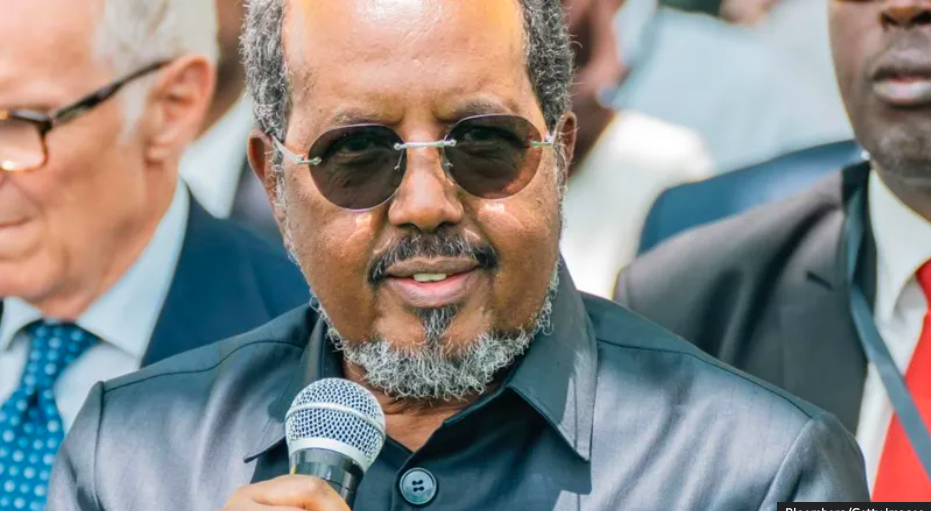
TikTokers Arrested in Somalia for Insulting President in Dance Video
Authorities in Somalia have arrested four TikTokers accused of insulting President Hassan Sheikh Mohamud in a viral dance video, reigniting national debate about the role of social media in the country.
The video, which featured several young men dancing to a remixed version of the president’s 2022 campaign song with altered lyrics mocking him, quickly spread on TikTok and other platforms before it was deleted. The arrests mark the first known case in Somalia where social media influencers have been detained for directly insulting a top political leader, highlighting growing tensions between freedom of expression and government efforts to maintain respect for national institutions.
Register for Tekedia Mini-MBA edition 20 (June 8 – Sept 5, 2026).
Register for Tekedia AI in Business Masterclass.
Join Tekedia Capital Syndicate and co-invest in great global startups.
Register for Tekedia AI Lab.
The Viral Video and the Arrests
Police confirmed that four young men were taken into custody after the controversial video began circulating widely online. According to authorities, the remix included derogatory language aimed at President Mohamud, who returned to power in 2022 after previously serving from 2012 to 2017.
In a statement, Somali police said the suspects are being held in detention and will face formal charges, though they did not specify the exact charges or when the court hearings would take place. The individuals themselves have not commented since their arrest, and their families have also remained silent.

The police described the behaviour as a “criminal offence under Somali law” and warned that future acts of disrespect toward national institutions or leaders would be met with severe legal consequences.
A Pattern of Social Media Crackdowns
While this is the first case involving a top politician, Somalia has previously cracked down on TikTok content creators for other alleged offences.

In August 2023, seven TikTokers were sentenced to six months in prison by a court in Mogadishu for “provoking civil unrest” and spreading “immoral content.” Those arrests were seen as part of a broader attempt by authorities to curb the influence of social media platforms that they believe are fuelling clan-based tensions, hate speech, and misinformation.
Police spokesman Gen Abdifatah Aden reiterated this stance after the recent arrests, saying that anyone who disrespects state leaders or institutions on social media would “face the full force of the law.”
This message signals that Somali authorities are prepared to use legal action as a deterrent against what they view as harmful or destabilising online behaviour.
Public Reaction: Free Speech vs. Respect for Authority
The arrests have sparked intense debate across Somalia, with public opinion sharply divided.
Some people, especially younger Somalis and members of the diaspora, have defended the TikTokers, arguing that satire and criticism are forms of free speech protected under democratic norms. They view the arrests as an overreach that stifles creativity and political commentary among youth who see platforms like TikTok as their main outlet for expression.
Others, however, have supported the government’s actions, saying that freedom of speech should not extend to insults or defamation—particularly in a country still recovering from decades of civil war and grappling with fragile governance.
Supporters of the arrests argue that mocking or ridiculing national leaders can undermine respect for public institutions and weaken trust in the state, especially among impressionable youth audiences.
TikTok’s Controversial Role in Somalia
TikTok has exploded in popularity in Somalia and among the large Somali diaspora around the world. It has become a central platform for entertainment, small business promotion, political commentary, and satire.
But the app has also been a source of controversy, with critics saying it has contributed to the spread of misinformation, clan-based hate speech, and extremist propaganda. In 2023, the Somali government even considered banning TikTok altogether, citing concerns about national security and moral erosion.
That proposed ban faced widespread public opposition, especially from young people who rely on the platform for income or social engagement. Ultimately, the government backed down, but officials warned that they would continue to monitor and regulate content on TikTok more strictly.
The recent arrests could renew calls among some lawmakers to revisit the idea of restrictions or regulation of the platform.
Balancing Expression and Responsibility
The incident highlights a broader tension facing many developing democracies: how to balance free expression with social responsibility and national stability.
For young Somali content creators, TikTok offers a rare opportunity to reach large audiences, build personal brands, and even earn income. But the platform’s low barriers to entry also make it easy for users to post content that may be considered offensive or destabilising.
Authorities argue that without some limits, social media could inflame existing clan rivalries, undermine respect for national leadership, and spread false or dangerous information.
Critics, however, say that criminalising speech sets a troubling precedent and risks silencing legitimate criticism of leaders in a country where press freedom and civil liberties are still fragile.
What Happens Next
It remains unclear what specific charges the four TikTokers will face or how harsh their sentences could be if convicted. Under Somali law, defamation, incitement, and acts seen as threatening public order can carry prison terms or fines.
Legal experts say the case will be closely watched as a potential test of how far Somali authorities are willing to go in policing online speech. Human rights groups are also monitoring the situation for possible violations of the right to free expression.
Meanwhile, the video continues to circulate on other social platforms despite being deleted from the original account, demonstrating the difficulty of fully controlling viral content once it spreads.
Looking Forward
The arrests of TikTokers in Somalia signal a critical juncture for the country as it grapples with the influence of social media on politics, culture, and youth engagement. Moving forward, authorities will need to strike a careful balance between upholding respect for national leaders and protecting freedom of expression, especially on platforms like TikTok that play a central role in Somali youth culture.
For content creators, this case serves as a warning about the legal risks of political satire, while also highlighting the importance of understanding local laws and sensitivities. As Somalia continues to navigate its digital landscape, the outcome of these arrests may shape not only the future of social media regulation but also broader conversations about democracy, accountability, and civic participation in the country.
Final Thoughts
The arrest of the four TikTokers for allegedly insulting President Hassan Sheikh Mohamud underscores the complex challenges Somalia faces in the digital age. Social media platforms like TikTok offer young people unprecedented opportunities for expression, entertainment, and entrepreneurship, but they also present risks when content crosses legal or cultural boundaries.
This case highlights the ongoing tension between freedom of expression and respect for national institutions, a balance that Somalia, like many countries, continues to navigate. How authorities handle these arrests may set a precedent for future cases, shaping both the regulatory landscape and the ways Somali youth engage with politics and social media. Ultimately, it is a reminder that as technology evolves, so too must the frameworks that ensure responsible and safe use while protecting fundamental rights.
Conclusion
The arrests of four TikTokers for allegedly insulting Somalia’s president underscore the growing influence—and growing risks—of social media in Somali society. As TikTok becomes increasingly embedded in youth culture, incidents like this highlight the tension between protecting freedom of expression and maintaining respect for national institutions.
Whether these arrests deter future acts or further inflame public debate remains to be seen, but they mark a new and significant escalation in Somalia’s struggle to regulate online speech in an era of rapid digital change.
Meta Description:
Four TikTokers were arrested in Somalia for a dance video mocking President Hassan Sheikh Mohamud, sparking debate over social media, free speech, and online regulation in the country.
Share this:
- Click to share on Facebook (Opens in new window) Facebook
- Click to share on X (Opens in new window) X
- Click to share on WhatsApp (Opens in new window) WhatsApp
- Click to share on LinkedIn (Opens in new window) LinkedIn
- Click to email a link to a friend (Opens in new window) Email
- Click to print (Opens in new window) Print