

France Braces for Nationwide Strike: How Flights, Trains and Metros Will Be Disrupted

Quote from Alex Bobby on September 18, 2025, 6:11 AM
Flights, Trains, Metros: How France’s Nationwide Strike Will Disrupt Travel This Thursday
If you’re planning to travel to, through, or from France this week, brace for chaos. On Thursday, 18 September, France is expected to see one of its largest coordinated strikes in years—bringing together unions across the public and private sectors and threatening to paralyse the nation’s transport networks.
Although air traffic control (ATC) unions have postponed their own planned strike until early October, Thursday is still shaping up to be a travel nightmare. Rail services, metro lines, regional trains, buses, and even some flights could face major disruption as hundreds of thousands join a nationwide protest against government austerity plans. Authorities are preparing for road blockades, street demonstrations, and strained transport systems throughout the country.
Why France Is Striking Now
At the centre of the unrest is President Emmanuel Macron’s government’s draft 2026 budget, which unions say imposes harsh austerity measures. The proposed budget includes a freeze on social welfare spending, potential cuts to public services, and new fiscal tightening measures.
The strike is also being fuelled by lingering anger over pension reform, a contentious issue that sparked massive protests last year when France raised the retirement age from 62 to 64. For many unions, the budget fight has reignited this resentment, turning the strike into a broader confrontation over the direction of French social and economic policy.
The political backdrop has only heightened tensions. Former prime minister François Bayrou resigned earlier this month after his government collapsed in a standoff over the budget. His successor, Sébastien Lecornu, has quickly become a lightning rod for discontent, with critics accusing him of continuing the same Macron-era policies that sparked earlier waves of unrest.
France’s major left-wing political parties have thrown their support behind the strikes, giving the movement a powerful political boost. Officials estimate that around 400,000 people could take part in demonstrations across the country—more than double the turnout at the “Bloquons tout” (“Let’s block everything”) protests earlier this month. Unlike those previous rallies, this week’s action is a fully coordinated nationwide shutdown, with unions encouraging mass workplace walkouts and public blockades.
What Travellers Should Expect
With major unions representing rail, metro, bus, and airport workers taking part, travellers should prepare for delays, cancellations, and long queues. The state-owned public transport operator RATP—which oversees Paris metro, RER commuter trains, trams and buses—has warned of severe disruption from 17–19 September.
The four main unions at RATP (CGT, FO, Unsa Mobilité, and CFE-CGC) have filed strike notices, while three rail unions representing 70 per cent of French rail staff (CGT-Cheminots, Unsa-Ferroviaire, and CFDT-Cheminots) have also joined the action.
According to outgoing transport minister Philippe Tabarot, around 90 per cent of high-speed TGV trains are still expected to run, offering a lifeline for long-distance travellers. However, half of the Intercités services will be cancelled, and only about 60 per cent of regional TER trains will operate as scheduled. Travellers relying on regional routes should build in extra time or consider alternative transport.
Metro and Urban Transport: A “Black Day” in Paris
The strike’s most severe impact is expected to hit urban transport systems, especially in Paris. RATP’s second-largest union has warned that Thursday will be “a black day,” with an estimated 90 per cent of metro drivers and 80 per cent of RER drivers expected to walk out.
Some metro lines are likely to be completely suspended, while others will run at severely reduced frequency. Only lines 1, 4, and 14—which are fully automated and driverless—are expected to operate normally on 18 September.
Commuters are advised to use the Bonjour RATP app or RATP’s online trip planner for real-time updates on which lines are running, crowding levels onboard, and alternative routes. City buses and trams are also likely to run at reduced levels, further straining Paris’s transport capacity.
Rail Disruption Beyond the Capital
The nationwide rail network will also be affected. The SNCF has warned of reduced service on regional TER and long-distance Intercités trains, though TGV high-speed trains are expected to remain mostly operational. Passengers should still check train status on the SNCF Connect app before travelling.
In addition, unions have signalled possible road blockades near major stations and logistics hubs, which could slow traffic even where trains are running. Travellers are urged to allow extra travel time and, where possible, reschedule journeys.
How Air Travel Will Be Affected
Although France’s largest air traffic control union has postponed its own strike until October, air travel could still face disruption this week. Several smaller unions—including the FO, CFDT, and CGT covering Air France and ground operations—plan to strike on Thursday.
This may lead to delays at check-in, baggage handling, and security checkpoints, particularly at Paris Charles de Gaulle and Orly airports. The French Civil Aviation Authority (DGAC) has warned that delays are likely for flights both departing from and passing through French airspace, though it has not called for pre-emptive cancellations.
Airlines are urging passengers to check their flight status online before heading to the airport and to allow extra time for security procedures in case of staff shortages.
Tourist Attractions Also Affected
Beyond transport, the strikes are expected to impact several major tourist sites, particularly in Paris. Museums, cultural venues, and public buildings may be closed or restrict access due to staff walkouts. Travellers with timed-entry tickets should check with venues in advance to confirm opening hours.
What Travellers Can Do
- Check transport apps regularly: Use the Bonjour RATP app for metro, bus and tram updates, and the SNCF Connect app for train schedules.
- Plan extra time: Expect queues and congestion even where services are running.
- Consider rescheduling: If travel is not essential, consider moving your trip to later in the week.
- Monitor flight status: Check with airlines for last-minute changes and arrive at airports early.
Looking Forward
As France navigates the fallout from this nationwide strike, the coming days will be crucial in determining both the immediate impact on travellers and the broader political consequences. Authorities will need to restore stability to transport networks while addressing the underlying grievances that have fuelled the unrest.
For commuters and tourists alike, flexibility will remain key. Alternative routes, adjusted schedules, and real-time updates will be essential tools for getting around the country. Beyond the immediate disruptions, how the government responds could influence future labour relations, public confidence, and the management of critical infrastructure during times of social unrest.
Ultimately, Thursday’s strike serves as a reminder that France’s transport system—and the country’s political landscape—can be dramatically affected when labour, policy, and public sentiment intersect.
Final Thoughts
Thursday’s nationwide strike highlights the powerful role that labour movements continue to play in shaping France’s social and political landscape. What started as opposition to budget cuts and pension reforms has grown into a coordinated disruption affecting millions of commuters, travellers, and businesses across the country.
For travellers, the key takeaway is preparation: plan ahead, monitor real-time updates, and remain flexible. For policymakers, the strike underscores the importance of dialogue and compromise to prevent prolonged disruption and maintain public trust.
As France moves forward, this strike may not only impact travel in the short term but also set the tone for how the government, unions, and citizens navigate economic policy, public services, and labour relations in the years ahead.
Conclusion
France’s nationwide strike on 18 September is set to create one of the most disruptive travel days of the year, with rail, metro, bus and even air services expected to be heavily impacted. What began as opposition to austerity measures and lingering anger over pension reforms has now evolved into a powerful, coordinated movement uniting unions, political parties and grassroots groups.
For travellers, the message is clear: plan ahead, expect delays, and prepare for sudden changes. With widespread walkouts and demonstrations likely to paralyse major parts of the transport network, flexibility and real-time information will be essential to navigating the chaos.
How authorities and unions handle this strike could shape not just the future of French transport policy, but also the political climate heading into the crucial budget debates later this year.
Meta Description:
France faces a massive nationwide strike on 18 September. Here’s how it will disrupt flights, trains, metros, and buses—and what travellers can do to prepare
Flights, Trains, Metros: How France’s Nationwide Strike Will Disrupt Travel This Thursday
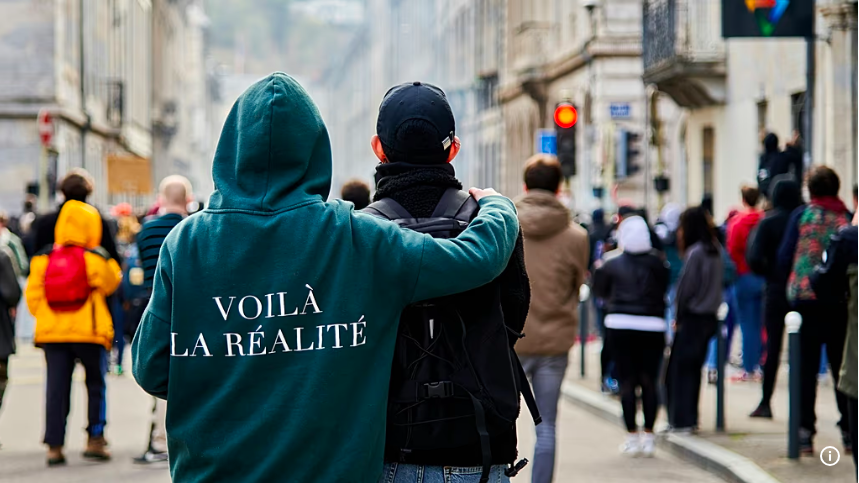
If you’re planning to travel to, through, or from France this week, brace for chaos. On Thursday, 18 September, France is expected to see one of its largest coordinated strikes in years—bringing together unions across the public and private sectors and threatening to paralyse the nation’s transport networks.
Although air traffic control (ATC) unions have postponed their own planned strike until early October, Thursday is still shaping up to be a travel nightmare. Rail services, metro lines, regional trains, buses, and even some flights could face major disruption as hundreds of thousands join a nationwide protest against government austerity plans. Authorities are preparing for road blockades, street demonstrations, and strained transport systems throughout the country.
Register for Tekedia Mini-MBA edition 20 (June 8 – Sept 5, 2026).
Register for Tekedia AI in Business Masterclass.
Join Tekedia Capital Syndicate and co-invest in great global startups.
Register for Tekedia AI Lab.
Why France Is Striking Now
At the centre of the unrest is President Emmanuel Macron’s government’s draft 2026 budget, which unions say imposes harsh austerity measures. The proposed budget includes a freeze on social welfare spending, potential cuts to public services, and new fiscal tightening measures.
The strike is also being fuelled by lingering anger over pension reform, a contentious issue that sparked massive protests last year when France raised the retirement age from 62 to 64. For many unions, the budget fight has reignited this resentment, turning the strike into a broader confrontation over the direction of French social and economic policy.

The political backdrop has only heightened tensions. Former prime minister François Bayrou resigned earlier this month after his government collapsed in a standoff over the budget. His successor, Sébastien Lecornu, has quickly become a lightning rod for discontent, with critics accusing him of continuing the same Macron-era policies that sparked earlier waves of unrest.
France’s major left-wing political parties have thrown their support behind the strikes, giving the movement a powerful political boost. Officials estimate that around 400,000 people could take part in demonstrations across the country—more than double the turnout at the “Bloquons tout” (“Let’s block everything”) protests earlier this month. Unlike those previous rallies, this week’s action is a fully coordinated nationwide shutdown, with unions encouraging mass workplace walkouts and public blockades.
What Travellers Should Expect

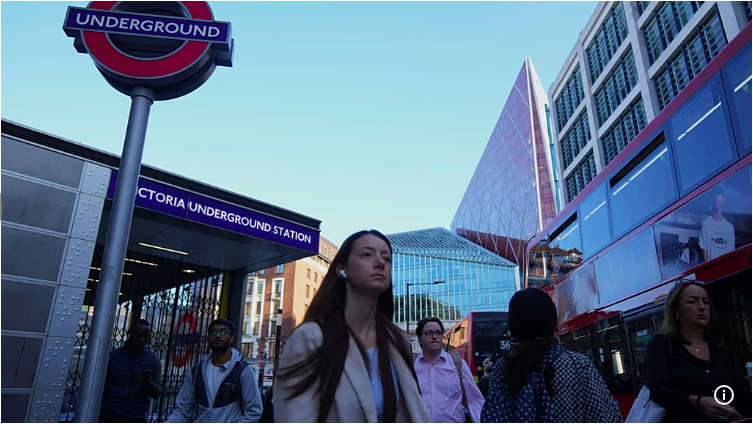
With major unions representing rail, metro, bus, and airport workers taking part, travellers should prepare for delays, cancellations, and long queues. The state-owned public transport operator RATP—which oversees Paris metro, RER commuter trains, trams and buses—has warned of severe disruption from 17–19 September.
The four main unions at RATP (CGT, FO, Unsa Mobilité, and CFE-CGC) have filed strike notices, while three rail unions representing 70 per cent of French rail staff (CGT-Cheminots, Unsa-Ferroviaire, and CFDT-Cheminots) have also joined the action.
According to outgoing transport minister Philippe Tabarot, around 90 per cent of high-speed TGV trains are still expected to run, offering a lifeline for long-distance travellers. However, half of the Intercités services will be cancelled, and only about 60 per cent of regional TER trains will operate as scheduled. Travellers relying on regional routes should build in extra time or consider alternative transport.
Metro and Urban Transport: A “Black Day” in Paris
The strike’s most severe impact is expected to hit urban transport systems, especially in Paris. RATP’s second-largest union has warned that Thursday will be “a black day,” with an estimated 90 per cent of metro drivers and 80 per cent of RER drivers expected to walk out.
Some metro lines are likely to be completely suspended, while others will run at severely reduced frequency. Only lines 1, 4, and 14—which are fully automated and driverless—are expected to operate normally on 18 September.
Commuters are advised to use the Bonjour RATP app or RATP’s online trip planner for real-time updates on which lines are running, crowding levels onboard, and alternative routes. City buses and trams are also likely to run at reduced levels, further straining Paris’s transport capacity.
Rail Disruption Beyond the Capital
The nationwide rail network will also be affected. The SNCF has warned of reduced service on regional TER and long-distance Intercités trains, though TGV high-speed trains are expected to remain mostly operational. Passengers should still check train status on the SNCF Connect app before travelling.
In addition, unions have signalled possible road blockades near major stations and logistics hubs, which could slow traffic even where trains are running. Travellers are urged to allow extra travel time and, where possible, reschedule journeys.
How Air Travel Will Be Affected
Although France’s largest air traffic control union has postponed its own strike until October, air travel could still face disruption this week. Several smaller unions—including the FO, CFDT, and CGT covering Air France and ground operations—plan to strike on Thursday.
This may lead to delays at check-in, baggage handling, and security checkpoints, particularly at Paris Charles de Gaulle and Orly airports. The French Civil Aviation Authority (DGAC) has warned that delays are likely for flights both departing from and passing through French airspace, though it has not called for pre-emptive cancellations.
Airlines are urging passengers to check their flight status online before heading to the airport and to allow extra time for security procedures in case of staff shortages.
Tourist Attractions Also Affected
Beyond transport, the strikes are expected to impact several major tourist sites, particularly in Paris. Museums, cultural venues, and public buildings may be closed or restrict access due to staff walkouts. Travellers with timed-entry tickets should check with venues in advance to confirm opening hours.
What Travellers Can Do
- Check transport apps regularly: Use the Bonjour RATP app for metro, bus and tram updates, and the SNCF Connect app for train schedules.
- Plan extra time: Expect queues and congestion even where services are running.
- Consider rescheduling: If travel is not essential, consider moving your trip to later in the week.
- Monitor flight status: Check with airlines for last-minute changes and arrive at airports early.
Looking Forward
As France navigates the fallout from this nationwide strike, the coming days will be crucial in determining both the immediate impact on travellers and the broader political consequences. Authorities will need to restore stability to transport networks while addressing the underlying grievances that have fuelled the unrest.
For commuters and tourists alike, flexibility will remain key. Alternative routes, adjusted schedules, and real-time updates will be essential tools for getting around the country. Beyond the immediate disruptions, how the government responds could influence future labour relations, public confidence, and the management of critical infrastructure during times of social unrest.
Ultimately, Thursday’s strike serves as a reminder that France’s transport system—and the country’s political landscape—can be dramatically affected when labour, policy, and public sentiment intersect.
Final Thoughts
Thursday’s nationwide strike highlights the powerful role that labour movements continue to play in shaping France’s social and political landscape. What started as opposition to budget cuts and pension reforms has grown into a coordinated disruption affecting millions of commuters, travellers, and businesses across the country.
For travellers, the key takeaway is preparation: plan ahead, monitor real-time updates, and remain flexible. For policymakers, the strike underscores the importance of dialogue and compromise to prevent prolonged disruption and maintain public trust.
As France moves forward, this strike may not only impact travel in the short term but also set the tone for how the government, unions, and citizens navigate economic policy, public services, and labour relations in the years ahead.
Conclusion
France’s nationwide strike on 18 September is set to create one of the most disruptive travel days of the year, with rail, metro, bus and even air services expected to be heavily impacted. What began as opposition to austerity measures and lingering anger over pension reforms has now evolved into a powerful, coordinated movement uniting unions, political parties and grassroots groups.
For travellers, the message is clear: plan ahead, expect delays, and prepare for sudden changes. With widespread walkouts and demonstrations likely to paralyse major parts of the transport network, flexibility and real-time information will be essential to navigating the chaos.
How authorities and unions handle this strike could shape not just the future of French transport policy, but also the political climate heading into the crucial budget debates later this year.
Meta Description:
France faces a massive nationwide strike on 18 September. Here’s how it will disrupt flights, trains, metros, and buses—and what travellers can do to prepare
Share this:
- Click to share on Facebook (Opens in new window) Facebook
- Click to share on X (Opens in new window) X
- Click to share on WhatsApp (Opens in new window) WhatsApp
- Click to share on LinkedIn (Opens in new window) LinkedIn
- Click to email a link to a friend (Opens in new window) Email
- Click to print (Opens in new window) Print