

G7 Summit 2025: Trump and Zelenskyy Reunite as Global Tensions Rise Over Iran Strike and Ukraine War

Quote from Alex Bobby on June 15, 2025, 5:16 AM
What to Expect at the G7 Summit in Canada as Trump and Zelenskyy Prepare to Reunite
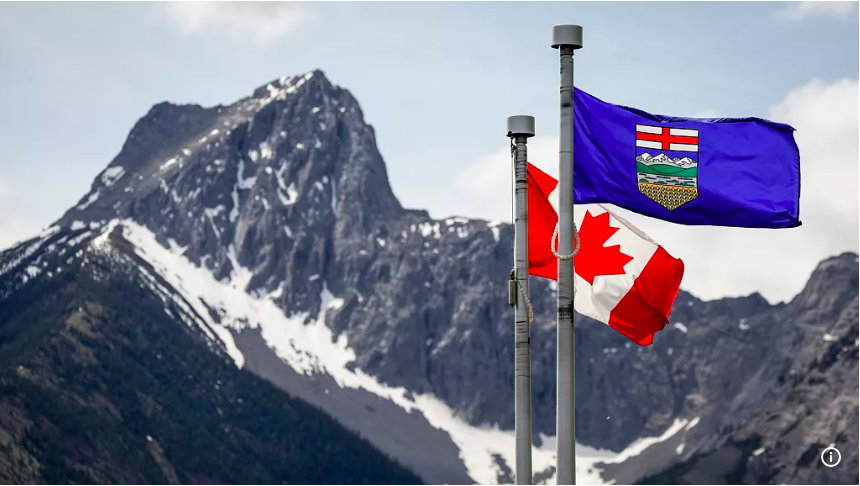
The picturesque town of Kananaskis, Alberta, nestled in the Canadian Rockies, is set to become the centre of global diplomacy as it hosts the G7 Summit beginning Monday. But beyond the scenic beauty lies a complex and potentially tense geopolitical landscape. With U.S. President Donald Trump and Ukrainian President Volodymyr Zelenskyy attending—and fresh off a controversial Oval Office meeting months earlier—this summit promises both high-stakes diplomacy and potentially fraught interactions.
A Tense Reunion Amid War
Volodymyr Zelenskyy’s presence at the G7 underscores Ukraine’s ongoing centrality in global security discussions. His meeting with Trump is expected to draw intense attention. Their last high-profile encounter laid bare the tensions between Ukraine’s appeals for support and Trump’s unpredictable, transactional approach to diplomacy. Now, with the war in Ukraine dragging on, and Trump continuing to withhold a firm stance on Russia, their one-on-one could reveal whether Trump intends to shift—or entrench—his current position.
The bilateral meeting is likely to include discussions on military aid, NATO commitments, and a potential peace roadmap, but expectations are being tempered. As one European diplomat noted, “No one knows which version of Trump will show up.”
A Summit Shaped by New Faces
This year’s G7 features a cast of new political leaders, each bringing fresh perspectives and priorities. Mexico’s newly elected President Claudia Sheinbaum will be meeting Trump in person for the first time, an encounter watched closely given Trump’s history of incendiary remarks on U.S.-Mexico relations.
Meanwhile, the arrival of Friedrich Merz as Germany’s new chancellor, Keir Starmer as Britain’s prime minister, and Shigeru Ishiba leading Japan, introduces leaders still feeling out their diplomatic roles. Their early moves will be closely scrutinised, particularly in how they balance traditional G7 cooperation with the unpredictability of Trump’s America.
The Carney Doctrine: A New Global Order?
Canadian Prime Minister Mark Carney, hosting his first major summit, has already made headlines with a bold redefinition of the U.S.-Canada relationship. Declaring that “the U.S. is no longer the predominant force in the world,” Carney has staked a position that speaks to a broader reevaluation of American leadership in the post-Cold War era.
Carney’s remarks reflect growing discontent with Trump’s economic nationalism, including new tariffs that have strained relations across the Atlantic and the Pacific. His statement that the U.S. has begun to “monetise its hegemony” hints at the shifting sands of international diplomacy—where allies now question whether shared values still underpin alliances.
This subtle pushback, including Emmanuel Macron’s symbolic visit to Greenland to underscore European independence, may set the tone for collective resistance to Trump’s agenda—if not publicly, then in private consultations.
The Iran-Israel Flashpoint
Complicating the summit’s agenda is Israel’s recent military strike on Iran, a development with serious implications for global stability. With tensions escalating in the Middle East, leaders are expected to spend considerable time in crisis discussions.
While the U.S. has traditionally offered unflinching support for Israel, the unilateral nature of this latest attack—and its potential to spark wider regional conflict—will test unity within the G7. European nations, many of which favour a more measured approach to Iran, may quietly push back against further escalation.
Trump, however, is unlikely to shift from his hardline stance. This divergence could deepen rifts, especially as the summit tries to present a united front on global security.
Ukraine, Tariffs, and the Battle for Consensus
Beyond the drama of personalities and geopolitics, the summit is expected to grapple with three core issues: the war in Ukraine, Trump’s threatened tariffs on European and Asian goods, and climate cooperation.
Italian Prime Minister Giorgia Meloni, often seen as a bridge between Trump and Europe, faces an increasingly difficult balancing act. While she supports Ukraine and the transatlantic alliance, she must now navigate Trump’s trade threats without alienating either side. As the only European leader to attend Trump’s inauguration, her diplomatic credibility may be at stake.
Meanwhile, G7 leaders are quietly working to shore up financial and military aid to Ukraine in case Trump, should he return to power, reduces U.S. commitments. The summit could serve as a staging ground for a new European-led contingency plan.
A Clash of Worldviews
At its core, the 2025 G7 Summit represents more than policy debates—it is a clash of global visions. Trump’s America First rhetoric remains largely incompatible with the multilateralism favoured by most G7 members. While leaders are likely to avoid open confrontations, the undercurrents of disagreement will shape every bilateral and group meeting.
What remains to be seen is whether this group of seasoned and new leaders can find a way to hold the line on global cooperation—or whether the G7 will become yet another arena marked by division in an increasingly fragmented world order.
Conclusion
As the G7 Summit unfolds in Kananaskis, it’s clear this will be no ordinary gathering. With wars ongoing, alliances shifting, and a growing divide over global leadership, the stakes are higher than ever. President Trump’s unpredictable diplomacy, Zelenskyy’s urgent calls for support, and Israel’s strike on Iran have all added weight to what is shaping up to be a defining moment for the international order.
New leaders like Carney, Starmer, and Merz are stepping onto the world stage at a time when unity is fragile, and consensus is hard to reach. Whether the G7 can present a united front or simply manage the divisions behind closed doors will signal how ready the West is to tackle the challenges of a volatile world.
The coming days in Canada will test not just diplomacy—but the very resilience of the G7 itself. As world leaders gather for the G7 Summit in Canada, tensions simmer over Ukraine, new tariffs, and Israel’s strike on Iran. Trump and Zelenskyy’s reunion, along with fresh faces in global leadership, could define the summit’s outcome.
What to Expect at the G7 Summit in Canada as Trump and Zelenskyy Prepare to Reunite
The picturesque town of Kananaskis, Alberta, nestled in the Canadian Rockies, is set to become the centre of global diplomacy as it hosts the G7 Summit beginning Monday. But beyond the scenic beauty lies a complex and potentially tense geopolitical landscape. With U.S. President Donald Trump and Ukrainian President Volodymyr Zelenskyy attending—and fresh off a controversial Oval Office meeting months earlier—this summit promises both high-stakes diplomacy and potentially fraught interactions.
A Tense Reunion Amid War
Register for Tekedia Mini-MBA edition 20 (June 8 – Sept 5, 2026).
Register for Tekedia AI in Business Masterclass.
Join Tekedia Capital Syndicate and co-invest in great global startups.
Register for Tekedia AI Lab.
Volodymyr Zelenskyy’s presence at the G7 underscores Ukraine’s ongoing centrality in global security discussions. His meeting with Trump is expected to draw intense attention. Their last high-profile encounter laid bare the tensions between Ukraine’s appeals for support and Trump’s unpredictable, transactional approach to diplomacy. Now, with the war in Ukraine dragging on, and Trump continuing to withhold a firm stance on Russia, their one-on-one could reveal whether Trump intends to shift—or entrench—his current position.
The bilateral meeting is likely to include discussions on military aid, NATO commitments, and a potential peace roadmap, but expectations are being tempered. As one European diplomat noted, “No one knows which version of Trump will show up.”
A Summit Shaped by New Faces

This year’s G7 features a cast of new political leaders, each bringing fresh perspectives and priorities. Mexico’s newly elected President Claudia Sheinbaum will be meeting Trump in person for the first time, an encounter watched closely given Trump’s history of incendiary remarks on U.S.-Mexico relations.
Meanwhile, the arrival of Friedrich Merz as Germany’s new chancellor, Keir Starmer as Britain’s prime minister, and Shigeru Ishiba leading Japan, introduces leaders still feeling out their diplomatic roles. Their early moves will be closely scrutinised, particularly in how they balance traditional G7 cooperation with the unpredictability of Trump’s America.
The Carney Doctrine: A New Global Order?

Canadian Prime Minister Mark Carney, hosting his first major summit, has already made headlines with a bold redefinition of the U.S.-Canada relationship. Declaring that “the U.S. is no longer the predominant force in the world,” Carney has staked a position that speaks to a broader reevaluation of American leadership in the post-Cold War era.
Carney’s remarks reflect growing discontent with Trump’s economic nationalism, including new tariffs that have strained relations across the Atlantic and the Pacific. His statement that the U.S. has begun to “monetise its hegemony” hints at the shifting sands of international diplomacy—where allies now question whether shared values still underpin alliances.
This subtle pushback, including Emmanuel Macron’s symbolic visit to Greenland to underscore European independence, may set the tone for collective resistance to Trump’s agenda—if not publicly, then in private consultations.
The Iran-Israel Flashpoint
Complicating the summit’s agenda is Israel’s recent military strike on Iran, a development with serious implications for global stability. With tensions escalating in the Middle East, leaders are expected to spend considerable time in crisis discussions.
While the U.S. has traditionally offered unflinching support for Israel, the unilateral nature of this latest attack—and its potential to spark wider regional conflict—will test unity within the G7. European nations, many of which favour a more measured approach to Iran, may quietly push back against further escalation.
Trump, however, is unlikely to shift from his hardline stance. This divergence could deepen rifts, especially as the summit tries to present a united front on global security.
Ukraine, Tariffs, and the Battle for Consensus
Beyond the drama of personalities and geopolitics, the summit is expected to grapple with three core issues: the war in Ukraine, Trump’s threatened tariffs on European and Asian goods, and climate cooperation.
Italian Prime Minister Giorgia Meloni, often seen as a bridge between Trump and Europe, faces an increasingly difficult balancing act. While she supports Ukraine and the transatlantic alliance, she must now navigate Trump’s trade threats without alienating either side. As the only European leader to attend Trump’s inauguration, her diplomatic credibility may be at stake.
Meanwhile, G7 leaders are quietly working to shore up financial and military aid to Ukraine in case Trump, should he return to power, reduces U.S. commitments. The summit could serve as a staging ground for a new European-led contingency plan.
A Clash of Worldviews
At its core, the 2025 G7 Summit represents more than policy debates—it is a clash of global visions. Trump’s America First rhetoric remains largely incompatible with the multilateralism favoured by most G7 members. While leaders are likely to avoid open confrontations, the undercurrents of disagreement will shape every bilateral and group meeting.
What remains to be seen is whether this group of seasoned and new leaders can find a way to hold the line on global cooperation—or whether the G7 will become yet another arena marked by division in an increasingly fragmented world order.
Conclusion
As the G7 Summit unfolds in Kananaskis, it’s clear this will be no ordinary gathering. With wars ongoing, alliances shifting, and a growing divide over global leadership, the stakes are higher than ever. President Trump’s unpredictable diplomacy, Zelenskyy’s urgent calls for support, and Israel’s strike on Iran have all added weight to what is shaping up to be a defining moment for the international order.
New leaders like Carney, Starmer, and Merz are stepping onto the world stage at a time when unity is fragile, and consensus is hard to reach. Whether the G7 can present a united front or simply manage the divisions behind closed doors will signal how ready the West is to tackle the challenges of a volatile world.
The coming days in Canada will test not just diplomacy—but the very resilience of the G7 itself. As world leaders gather for the G7 Summit in Canada, tensions simmer over Ukraine, new tariffs, and Israel’s strike on Iran. Trump and Zelenskyy’s reunion, along with fresh faces in global leadership, could define the summit’s outcome.
Uploaded files:Share this:
- Click to share on Facebook (Opens in new window) Facebook
- Click to share on X (Opens in new window) X
- Click to share on WhatsApp (Opens in new window) WhatsApp
- Click to share on LinkedIn (Opens in new window) LinkedIn
- Click to email a link to a friend (Opens in new window) Email
- Click to print (Opens in new window) Print