

Germany Urges India to Use Influence on Russia for Ukraine Peace Talks

Quote from Alex Bobby on September 4, 2025, 6:03 AM
Germany’s Foreign Minister Seeks India’s Help to Bring Russia to Ukraine Peace Talks
Germany has called on India to leverage its close ties with Moscow to encourage Russia’s return to the negotiating table over the war in Ukraine. During a two-day visit to New Delhi, German Foreign Minister Johann Wadephul urged Indian leaders to use their diplomatic weight to push for peace, days after Prime Minister Narendra Modi met with Russian President Vladimir Putin at a regional summit in China.
The appeal highlights Europe’s growing hope that India—long a balancing power between East and West—can help break the diplomatic deadlock that has frustrated peace efforts since Russia’s full-scale invasion of Ukraine in February 2022.
Germany’s Appeal to India
At a press conference on Wednesday, Wadephul made his plea clear. “The only demand is that weapons fall silent,” he said. “We Europeans are doing our best, working with our American and Ukrainian friends to ensure that this war ends soon and that Ukraine finds peace as a sovereign state.”
He emphasised that Ukrainian President Volodymyr Zelenskyy has signalled an intention to make peace but accused Moscow of refusing to engage in meaningful negotiations. According to Wadephul, India could play a “unique and crucial role” in persuading Russia to reconsider, thanks to its longstanding political, economic, and defence ties with Moscow.
India’s Delicate Balancing Act
Since the war began, India has carefully navigated a middle path. While calling for a cessation of hostilities and humanitarian support for Ukraine, it has resisted Western pressure to explicitly denounce Russia.
New Delhi has continued to maintain a close partnership with Moscow, particularly in defence cooperation. Russian weaponry accounts for the majority of India’s military equipment, making the relationship both strategic and deeply embedded. At the same time, India has sought to strengthen its relations with the West, especially through security frameworks like the Quad alliance with the United States, Japan, and Australia.
This dual positioning allows India to maintain flexibility but has also invited criticism from Western allies who see it as undermining sanctions designed to weaken Russia’s war effort.
Oil Purchases and Global Fallout
One of the clearest examples of India’s balancing strategy has been its energy policy. When Western countries imposed sweeping restrictions on Russian oil exports in an effort to cut off Moscow’s war financing, India moved swiftly to secure heavily discounted Russian crude.
Those imports now make up a significant share of India’s total oil intake. Indian officials have defended the purchases as essential for shielding the domestic economy from global energy shocks, particularly at a time of rising inflation and slowing growth.
But the decision has not been without consequences. Last month, U.S. President Donald Trump imposed an additional 25% tariff on Indian goods, bringing the total tariffs to 50%. The tariffs, estimated to affect $48.2 billion (€41.2 billion) worth of exports, have strained ties between the world’s two largest democracies and complicated India’s broader economic ambitions.
Seeking Alternatives Through Europe
Faced with economic headwinds, India is looking to Europe as an alternative trading partner. Foreign Minister S. Jaishankar met with Wadephul in New Delhi, where both sides stressed the importance of accelerating negotiations on a long-discussed free trade agreement between India and the European Union.
“We count on Germany to help speed up negotiations and conclude the free trade agreement by the end of the year,” Jaishankar said. For New Delhi, a deal with the EU could provide a crucial buffer against U.S. tariffs while boosting its role in global trade networks.
Germany, for its part, has strong incentives to deepen economic cooperation with India. As Europe’s largest economy, Berlin is eager to reduce its dependency on China and sees India as both a strategic counterbalance in Asia and a growing consumer market.
A Strategic Moment for India
Germany’s appeal comes at a strategic moment for India. Modi’s recent meeting with Putin underscored the durability of the India-Russia relationship, while his government continues to court Western partners through economic and security initiatives.
If India were to actively pressure Moscow to rejoin peace talks, it could significantly raise its diplomatic profile, casting New Delhi as a credible global mediator. This would align with Modi’s oft-repeated vision of India as a “vishwaguru” (world teacher) that contributes to global stability.
At the same time, such a move carries risks. Directly challenging Russia could jeopardize India’s access to critical defence supplies and energy imports. Moscow has been a reliable partner for decades, and breaking that trust could push Russia closer to China—an outcome India would prefer to avoid.
The Road Ahead
For now, India is likely to maintain its cautious approach: calling for peace, supporting humanitarian aid, and engaging diplomatically with all sides while avoiding outright condemnation of Moscow.
But Germany’s appeal reflects growing international pressure for India to do more than walk the tightrope. As the war drags on into its third year, the costs—economic, political, and human—are mounting. Western leaders see India’s unique relationship with Russia as one of the few untapped levers left to move Moscow toward dialogue.
Looking Forward
As talks over a potential EU-India trade deal advance and tensions with Washington escalate, New Delhi’s diplomatic choices in the coming months will be closely watched. If India uses its influence with Moscow to push for dialogue, it could emerge as a key broker in one of the world’s most intractable conflicts. If it chooses to maintain its cautious neutrality, however, pressure from both Europe and the United States is likely to intensify. The next phase of India’s foreign policy may determine not only the trajectory of the Ukraine war but also the credibility of India’s global leadership ambitions.
Final Thoughts
Germany’s appeal to India highlights the delicate balancing act New Delhi faces on the global stage. With longstanding ties to Moscow, growing economic interests in Europe, and strategic partnerships with Western powers, India’s decisions carry far-reaching consequences. While pressing Russia to return to peace talks could enhance India’s diplomatic influence, it also requires careful navigation to avoid straining critical relationships. Ultimately, India’s role in the Ukraine conflict may become a defining moment for its ambitions as a global mediator and rising power.
Conclusion
The visit of German Foreign Minister Johann Wadephul to New Delhi has placed India at the centre of renewed international efforts to end the war in Ukraine. With its longstanding ties to Moscow and expanding role in global diplomacy, India is increasingly being asked to shoulder responsibility as a potential mediator.
Whether New Delhi chooses to take on that role remains uncertain. Balancing its reliance on Russian oil and weapons with its growing partnership with the West, India faces a complex diplomatic challenge. What is clear, however, is that the world is watching closely—and the choices India makes could shape not only the future of the Ukraine conflict but also its own position as a rising global power.
Meta Description:
German Foreign Minister Johann Wadephul calls on India to leverage its ties with Russia to restart peace negotiations in Ukraine, highlighting New Delhi’s pivotal diplomatic role.
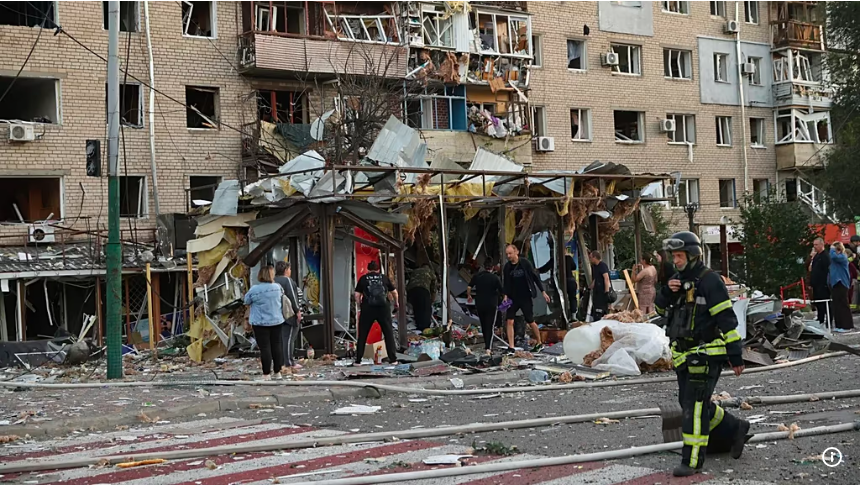
Germany’s Foreign Minister Seeks India’s Help to Bring Russia to Ukraine Peace Talks
Germany has called on India to leverage its close ties with Moscow to encourage Russia’s return to the negotiating table over the war in Ukraine. During a two-day visit to New Delhi, German Foreign Minister Johann Wadephul urged Indian leaders to use their diplomatic weight to push for peace, days after Prime Minister Narendra Modi met with Russian President Vladimir Putin at a regional summit in China.
The appeal highlights Europe’s growing hope that India—long a balancing power between East and West—can help break the diplomatic deadlock that has frustrated peace efforts since Russia’s full-scale invasion of Ukraine in February 2022.
Register for Tekedia Mini-MBA edition 20 (June 8 – Sept 5, 2026).
Register for Tekedia AI in Business Masterclass.
Join Tekedia Capital Syndicate and co-invest in great global startups.
Register for Tekedia AI Lab.
Germany’s Appeal to India
At a press conference on Wednesday, Wadephul made his plea clear. “The only demand is that weapons fall silent,” he said. “We Europeans are doing our best, working with our American and Ukrainian friends to ensure that this war ends soon and that Ukraine finds peace as a sovereign state.”
He emphasised that Ukrainian President Volodymyr Zelenskyy has signalled an intention to make peace but accused Moscow of refusing to engage in meaningful negotiations. According to Wadephul, India could play a “unique and crucial role” in persuading Russia to reconsider, thanks to its longstanding political, economic, and defence ties with Moscow.

India’s Delicate Balancing Act
Since the war began, India has carefully navigated a middle path. While calling for a cessation of hostilities and humanitarian support for Ukraine, it has resisted Western pressure to explicitly denounce Russia.
New Delhi has continued to maintain a close partnership with Moscow, particularly in defence cooperation. Russian weaponry accounts for the majority of India’s military equipment, making the relationship both strategic and deeply embedded. At the same time, India has sought to strengthen its relations with the West, especially through security frameworks like the Quad alliance with the United States, Japan, and Australia.

This dual positioning allows India to maintain flexibility but has also invited criticism from Western allies who see it as undermining sanctions designed to weaken Russia’s war effort.
Oil Purchases and Global Fallout
One of the clearest examples of India’s balancing strategy has been its energy policy. When Western countries imposed sweeping restrictions on Russian oil exports in an effort to cut off Moscow’s war financing, India moved swiftly to secure heavily discounted Russian crude.
Those imports now make up a significant share of India’s total oil intake. Indian officials have defended the purchases as essential for shielding the domestic economy from global energy shocks, particularly at a time of rising inflation and slowing growth.
But the decision has not been without consequences. Last month, U.S. President Donald Trump imposed an additional 25% tariff on Indian goods, bringing the total tariffs to 50%. The tariffs, estimated to affect $48.2 billion (€41.2 billion) worth of exports, have strained ties between the world’s two largest democracies and complicated India’s broader economic ambitions.
Seeking Alternatives Through Europe
Faced with economic headwinds, India is looking to Europe as an alternative trading partner. Foreign Minister S. Jaishankar met with Wadephul in New Delhi, where both sides stressed the importance of accelerating negotiations on a long-discussed free trade agreement between India and the European Union.
“We count on Germany to help speed up negotiations and conclude the free trade agreement by the end of the year,” Jaishankar said. For New Delhi, a deal with the EU could provide a crucial buffer against U.S. tariffs while boosting its role in global trade networks.
Germany, for its part, has strong incentives to deepen economic cooperation with India. As Europe’s largest economy, Berlin is eager to reduce its dependency on China and sees India as both a strategic counterbalance in Asia and a growing consumer market.
A Strategic Moment for India
Germany’s appeal comes at a strategic moment for India. Modi’s recent meeting with Putin underscored the durability of the India-Russia relationship, while his government continues to court Western partners through economic and security initiatives.
If India were to actively pressure Moscow to rejoin peace talks, it could significantly raise its diplomatic profile, casting New Delhi as a credible global mediator. This would align with Modi’s oft-repeated vision of India as a “vishwaguru” (world teacher) that contributes to global stability.
At the same time, such a move carries risks. Directly challenging Russia could jeopardize India’s access to critical defence supplies and energy imports. Moscow has been a reliable partner for decades, and breaking that trust could push Russia closer to China—an outcome India would prefer to avoid.
The Road Ahead
For now, India is likely to maintain its cautious approach: calling for peace, supporting humanitarian aid, and engaging diplomatically with all sides while avoiding outright condemnation of Moscow.
But Germany’s appeal reflects growing international pressure for India to do more than walk the tightrope. As the war drags on into its third year, the costs—economic, political, and human—are mounting. Western leaders see India’s unique relationship with Russia as one of the few untapped levers left to move Moscow toward dialogue.
Looking Forward
As talks over a potential EU-India trade deal advance and tensions with Washington escalate, New Delhi’s diplomatic choices in the coming months will be closely watched. If India uses its influence with Moscow to push for dialogue, it could emerge as a key broker in one of the world’s most intractable conflicts. If it chooses to maintain its cautious neutrality, however, pressure from both Europe and the United States is likely to intensify. The next phase of India’s foreign policy may determine not only the trajectory of the Ukraine war but also the credibility of India’s global leadership ambitions.
Final Thoughts
Germany’s appeal to India highlights the delicate balancing act New Delhi faces on the global stage. With longstanding ties to Moscow, growing economic interests in Europe, and strategic partnerships with Western powers, India’s decisions carry far-reaching consequences. While pressing Russia to return to peace talks could enhance India’s diplomatic influence, it also requires careful navigation to avoid straining critical relationships. Ultimately, India’s role in the Ukraine conflict may become a defining moment for its ambitions as a global mediator and rising power.
Conclusion
The visit of German Foreign Minister Johann Wadephul to New Delhi has placed India at the centre of renewed international efforts to end the war in Ukraine. With its longstanding ties to Moscow and expanding role in global diplomacy, India is increasingly being asked to shoulder responsibility as a potential mediator.
Whether New Delhi chooses to take on that role remains uncertain. Balancing its reliance on Russian oil and weapons with its growing partnership with the West, India faces a complex diplomatic challenge. What is clear, however, is that the world is watching closely—and the choices India makes could shape not only the future of the Ukraine conflict but also its own position as a rising global power.
Meta Description:
German Foreign Minister Johann Wadephul calls on India to leverage its ties with Russia to restart peace negotiations in Ukraine, highlighting New Delhi’s pivotal diplomatic role.
Share this:
- Click to share on Facebook (Opens in new window) Facebook
- Click to share on X (Opens in new window) X
- Click to share on WhatsApp (Opens in new window) WhatsApp
- Click to share on LinkedIn (Opens in new window) LinkedIn
- Click to email a link to a friend (Opens in new window) Email
- Click to print (Opens in new window) Print