

Global Crackdown: Interpol Seizes €57M in Fake Ozempic, Peptides, and Black Market Drugs Amid Soaring Demand

Quote from Alex Bobby on June 26, 2025, 3:08 AM
'Interpol Bust Uncovers €57 Million in Illegal Ozempic, Peptides, and Other Black Market Drugs
Massive International Sting Highlights Soaring Demand for Cosmetic and Performance-Enhancing PharmaceuticalsIn a sweeping global operation targeting the rapidly growing underground drug market, police agencies around the world have seized over €57 million ($65 million) worth of counterfeit and unapproved medicines. Coordinated by Interpol, the bust is one of the most significant efforts to date to clamp down on the booming trade in illicit pharmaceuticals, which are increasingly flooding online spaces and social media platforms.
Between December 2024 and May 2025, law enforcement authorities across 90 countries — including 16 European Union member states — confiscated more than 50 million doses of medications. These ranged from fake weight loss drugs and unregulated peptides to potent opioids and psychotropics, all being sold through a complex web of criminal networks, often directly to consumers online.
A Dangerous Trend Driven by Demand
According to Interpol, the operation exposed a disturbing surge in the popularity of "cosmetic and performance-enhancing" pharmaceuticals in Europe and other wealthy regions. These include drugs like semaglutide, the active ingredient in widely used diabetes and weight loss medications such as Ozempic and Wegovy. Demand has skyrocketed in part due to aggressive social media marketing and influencer promotion, often without any medical oversight or regulatory approval.
“It's not even necessary to go to the dark web,” said Alfonso Mejuto Rodríguez, Interpol’s interim assistant director of criminal networks, in an interview with Euronews Health. “There are a lot of advertisements online.” He warned that these substances are often marketed as health or beauty products but pose serious health risks, as consumers typically have no way of knowing what they are truly ingesting.
The World Health Organisation (WHO) and the European Medicines Agency (EMA) have previously raised red flags over black-market semaglutide, noting that counterfeit pens are being sold for hundreds of euros. These fake products often contain unregulated or harmful substances, putting users at risk of severe side effects — or worse.
The Rise of Peptide Supplements
Interpol also highlighted a noticeable rise in the illegal sale of peptide supplements, such as BPC-157, ipamorelin, and melanotan — substances marketed as anti-aging, performance-enhancing, or tanning aids. While rarely encountered in previous years, seizures of these products have spiked, particularly in Europe, North America, and Oceania.
Take melanotan, for instance. Sometimes dubbed the “Barbie drug,” this synthetic hormone boosts melanin production, promising a year-round tan. However, it is not regulated in Europe, and health authorities have repeatedly warned of its potentially severe side effects. Despite this, melanotan has found popularity through TikTok influencers and other social media platforms that promote it as a glamorous shortcut to beauty.
Rodríguez noted that influencers play a major role in this trend: “With a lot of substances, the marketing is amplified by influencers, for instance in terms of health and culture.”
Beyond Aesthetic Enhancements
While the public spotlight has largely focused on weight loss and cosmetic enhancers, Interpol’s data show that a wide variety of pharmaceuticals are being targeted by counterfeiters. Globally, the most commonly seized illicit drugs included:
- Psychostimulants
- Anti-anxiety medications
- Parkinson’s disease treatments
- Erectile dysfunction drugs
- Anabolic steroids
- Oxycodone and other opioids
- Herbal and dietary supplements
- Psychotropic medications
In some countries, the stakes have already proven fatal. In March, a 30-year-old man in the Netherlands died after consuming fake painkillers. Just weeks later, Danish health authorities issued warnings about similar counterfeit opioids in circulation.
“It seems that in the West, the demand for painkillers is rising,” said Rodríguez. “And criminals are taking advantage of it.”
A Digital Crackdown
Interpol’s crackdown wasn’t limited to physical drugs. Nearly 13,000 websites, bots, and social media accounts were taken offline for advertising or selling counterfeit medicines. About 800 suspects were arrested, and 123 criminal groups were dismantled in the process.
Among the countries most active in the operation was Ireland, which took down around 1,400 online listings for illegal medicines — more than any nation other than Malaysia and Russia. Ireland also saw some of the largest seizures of physical drugs, along with the Netherlands, Portugal, Spain, Sweden, and the UK.
In Portugal, police found anabolic steroids in eight separate prisons, pointing to a well-organised smuggling network with potentially deep institutional infiltration.
A Crisis of Accessibility and Oversight
One of the most troubling insights from this operation is that Europe, with its advanced pharmaceutical infrastructure, has inadvertently become a production hub for counterfeit medications. The availability of raw materials, access to manufacturing equipment, and high consumer demand mean that criminal groups can pivot quickly to exploit emerging trends.
“This is a challenge for law enforcement agencies,” Rodríguez said. “They are always trying to play catch-up.”
Final Thoughts
Interpol’s operation underscores a dire reality: the global black market for pharmaceuticals is not only thriving but evolving. With the rise of influencer marketing, TikTok trends, and easily accessible online marketplaces, unregulated drugs are slipping into the hands of consumers more easily than ever before.
As demand continues to outpace regulation, international cooperation — along with public awareness — will be critical in protecting public health and halting the rise of dangerous counterfeit drugs.
Meta Description
Interpol’s global operation seizes €57 million in illegal Ozempic, peptides, and counterfeit drugs, exposing rising health risks from unregulated weight loss and cosmetic pharmaceuticals sold online.
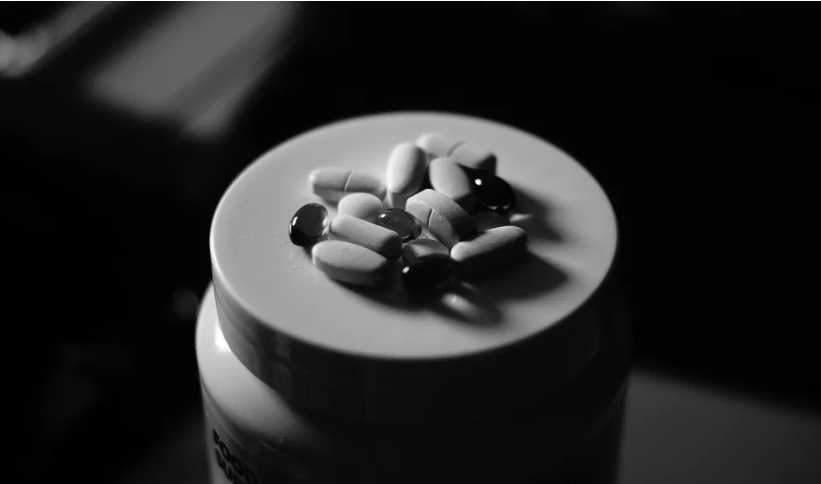
'Interpol Bust Uncovers €57 Million in Illegal Ozempic, Peptides, and Other Black Market Drugs
Massive International Sting Highlights Soaring Demand for Cosmetic and Performance-Enhancing Pharmaceuticals
In a sweeping global operation targeting the rapidly growing underground drug market, police agencies around the world have seized over €57 million ($65 million) worth of counterfeit and unapproved medicines. Coordinated by Interpol, the bust is one of the most significant efforts to date to clamp down on the booming trade in illicit pharmaceuticals, which are increasingly flooding online spaces and social media platforms.
Between December 2024 and May 2025, law enforcement authorities across 90 countries — including 16 European Union member states — confiscated more than 50 million doses of medications. These ranged from fake weight loss drugs and unregulated peptides to potent opioids and psychotropics, all being sold through a complex web of criminal networks, often directly to consumers online.
Register for Tekedia Mini-MBA edition 20 (June 8 – Sept 5, 2026).
Register for Tekedia AI in Business Masterclass.
Join Tekedia Capital Syndicate and co-invest in great global startups.
Register for Tekedia AI Lab.
A Dangerous Trend Driven by Demand
According to Interpol, the operation exposed a disturbing surge in the popularity of "cosmetic and performance-enhancing" pharmaceuticals in Europe and other wealthy regions. These include drugs like semaglutide, the active ingredient in widely used diabetes and weight loss medications such as Ozempic and Wegovy. Demand has skyrocketed in part due to aggressive social media marketing and influencer promotion, often without any medical oversight or regulatory approval.
“It's not even necessary to go to the dark web,” said Alfonso Mejuto Rodríguez, Interpol’s interim assistant director of criminal networks, in an interview with Euronews Health. “There are a lot of advertisements online.” He warned that these substances are often marketed as health or beauty products but pose serious health risks, as consumers typically have no way of knowing what they are truly ingesting.

The World Health Organisation (WHO) and the European Medicines Agency (EMA) have previously raised red flags over black-market semaglutide, noting that counterfeit pens are being sold for hundreds of euros. These fake products often contain unregulated or harmful substances, putting users at risk of severe side effects — or worse.
The Rise of Peptide Supplements
Interpol also highlighted a noticeable rise in the illegal sale of peptide supplements, such as BPC-157, ipamorelin, and melanotan — substances marketed as anti-aging, performance-enhancing, or tanning aids. While rarely encountered in previous years, seizures of these products have spiked, particularly in Europe, North America, and Oceania.

Take melanotan, for instance. Sometimes dubbed the “Barbie drug,” this synthetic hormone boosts melanin production, promising a year-round tan. However, it is not regulated in Europe, and health authorities have repeatedly warned of its potentially severe side effects. Despite this, melanotan has found popularity through TikTok influencers and other social media platforms that promote it as a glamorous shortcut to beauty.
Rodríguez noted that influencers play a major role in this trend: “With a lot of substances, the marketing is amplified by influencers, for instance in terms of health and culture.”
Beyond Aesthetic Enhancements
While the public spotlight has largely focused on weight loss and cosmetic enhancers, Interpol’s data show that a wide variety of pharmaceuticals are being targeted by counterfeiters. Globally, the most commonly seized illicit drugs included:
- Psychostimulants
- Anti-anxiety medications
- Parkinson’s disease treatments
- Erectile dysfunction drugs
- Anabolic steroids
- Oxycodone and other opioids
- Herbal and dietary supplements
- Psychotropic medications
In some countries, the stakes have already proven fatal. In March, a 30-year-old man in the Netherlands died after consuming fake painkillers. Just weeks later, Danish health authorities issued warnings about similar counterfeit opioids in circulation.
“It seems that in the West, the demand for painkillers is rising,” said Rodríguez. “And criminals are taking advantage of it.”
A Digital Crackdown
Interpol’s crackdown wasn’t limited to physical drugs. Nearly 13,000 websites, bots, and social media accounts were taken offline for advertising or selling counterfeit medicines. About 800 suspects were arrested, and 123 criminal groups were dismantled in the process.
Among the countries most active in the operation was Ireland, which took down around 1,400 online listings for illegal medicines — more than any nation other than Malaysia and Russia. Ireland also saw some of the largest seizures of physical drugs, along with the Netherlands, Portugal, Spain, Sweden, and the UK.
In Portugal, police found anabolic steroids in eight separate prisons, pointing to a well-organised smuggling network with potentially deep institutional infiltration.
A Crisis of Accessibility and Oversight
One of the most troubling insights from this operation is that Europe, with its advanced pharmaceutical infrastructure, has inadvertently become a production hub for counterfeit medications. The availability of raw materials, access to manufacturing equipment, and high consumer demand mean that criminal groups can pivot quickly to exploit emerging trends.
“This is a challenge for law enforcement agencies,” Rodríguez said. “They are always trying to play catch-up.”
Final Thoughts
Interpol’s operation underscores a dire reality: the global black market for pharmaceuticals is not only thriving but evolving. With the rise of influencer marketing, TikTok trends, and easily accessible online marketplaces, unregulated drugs are slipping into the hands of consumers more easily than ever before.
As demand continues to outpace regulation, international cooperation — along with public awareness — will be critical in protecting public health and halting the rise of dangerous counterfeit drugs.
Meta Description
Interpol’s global operation seizes €57 million in illegal Ozempic, peptides, and counterfeit drugs, exposing rising health risks from unregulated weight loss and cosmetic pharmaceuticals sold online.
Uploaded files:Share this:
- Click to share on Facebook (Opens in new window) Facebook
- Click to share on X (Opens in new window) X
- Click to share on WhatsApp (Opens in new window) WhatsApp
- Click to share on LinkedIn (Opens in new window) LinkedIn
- Click to email a link to a friend (Opens in new window) Email
- Click to print (Opens in new window) Print