

"Global Economic Storm Brewing: $10 Trillion Impact Looms as China-Taiwan Tensions Reach Boiling Point"

Quote from Alex Bobby on January 10, 2024, 4:39 AM
The Impending Geopolitical Storm: World Economy Braces for a $10 Trillion Hit as China-Taiwan Tensions Escalate
In recent months, the geopolitical landscape has been marked by growing tensions between China and Taiwan, raising concerns about the potential economic fallout on a global scale. As the two nations edge closer to a possible conflict, experts are warning that the world economy could face a staggering $10 trillion hit.
The root of the escalating tension lies in China's long-standing claim to Taiwan, which it considers a renegade province. The situation has intensified in the face of Taiwan's increased global recognition and its pursuit of stronger ties with Western nations. As military posturing becomes more pronounced in the Taiwan Strait, financial markets and economic analysts are closely monitoring the situation.
The economic ramifications of a conflict in the region are substantial and far-reaching. Trade disruptions, increased military expenditures, and the uncertainty surrounding global supply chains are just a few of the factors contributing to the projected $10 trillion impact on the world economy.
One of the immediate concerns is the disruption to international trade. Both China and Taiwan are economic powerhouses deeply integrated into the global supply chain. Any conflict in the region could lead to a significant disruption in the production and transportation of goods, affecting industries worldwide. With a substantial portion of the world's manufacturing occurring in these two regions, a conflict could lead to shortages, delays, and rising production costs.
Furthermore, the prospect of military engagement prompts nations to increase defense spending, diverting resources away from productive sectors of the economy. The ripple effect of heightened military expenditures can strain national budgets, reduce public investment, and hinder economic growth. As countries reevaluate their strategic priorities in response to the geopolitical tensions, the world could witness a shift from economic cooperation to military preparedness.
Global supply chains, already strained by the COVID-19 pandemic, face additional challenges. Businesses reliant on inputs from China and Taiwan may experience disruptions, leading to increased costs and potential shortages. As uncertainty prevails, investors are likely to adopt a risk-averse approach, impacting financial markets and causing volatility across various asset classes.
The technology sector, a critical driver of the global economy, is particularly vulnerable. Both China and Taiwan are major players in the production of semiconductors and electronic components. A conflict could disrupt the production and supply of these essential components, affecting industries ranging from consumer electronics to automotive manufacturing.
In conclusion, the world economy stands at the brink of a $10 trillion hit as tensions between China and Taiwan continue to escalate. The interconnectedness of global economies means that any conflict in the Asia-Pacific region will have far-reaching consequences. As nations closely monitor the situation, diplomatic efforts must be intensified to avert a potential crisis that could reshape the economic landscape for years to come. The stakes are high, and the world watches with bated breath as geopolitical tensions threaten to unleash an economic storm of unprecedented proportions.
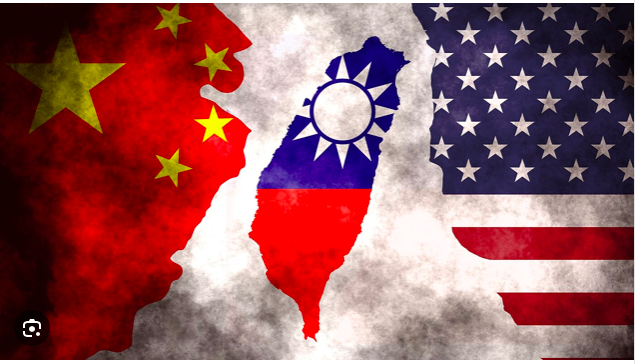
The Impending Geopolitical Storm: World Economy Braces for a $10 Trillion Hit as China-Taiwan Tensions Escalate
In recent months, the geopolitical landscape has been marked by growing tensions between China and Taiwan, raising concerns about the potential economic fallout on a global scale. As the two nations edge closer to a possible conflict, experts are warning that the world economy could face a staggering $10 trillion hit.
The root of the escalating tension lies in China's long-standing claim to Taiwan, which it considers a renegade province. The situation has intensified in the face of Taiwan's increased global recognition and its pursuit of stronger ties with Western nations. As military posturing becomes more pronounced in the Taiwan Strait, financial markets and economic analysts are closely monitoring the situation.
Register for Tekedia Mini-MBA edition 20 (June 8 – Sept 5, 2026).
Register for Tekedia AI in Business Masterclass.
Join Tekedia Capital Syndicate and co-invest in great global startups.
Register for Tekedia AI Lab.
The economic ramifications of a conflict in the region are substantial and far-reaching. Trade disruptions, increased military expenditures, and the uncertainty surrounding global supply chains are just a few of the factors contributing to the projected $10 trillion impact on the world economy.
One of the immediate concerns is the disruption to international trade. Both China and Taiwan are economic powerhouses deeply integrated into the global supply chain. Any conflict in the region could lead to a significant disruption in the production and transportation of goods, affecting industries worldwide. With a substantial portion of the world's manufacturing occurring in these two regions, a conflict could lead to shortages, delays, and rising production costs.
Furthermore, the prospect of military engagement prompts nations to increase defense spending, diverting resources away from productive sectors of the economy. The ripple effect of heightened military expenditures can strain national budgets, reduce public investment, and hinder economic growth. As countries reevaluate their strategic priorities in response to the geopolitical tensions, the world could witness a shift from economic cooperation to military preparedness.

Global supply chains, already strained by the COVID-19 pandemic, face additional challenges. Businesses reliant on inputs from China and Taiwan may experience disruptions, leading to increased costs and potential shortages. As uncertainty prevails, investors are likely to adopt a risk-averse approach, impacting financial markets and causing volatility across various asset classes.
The technology sector, a critical driver of the global economy, is particularly vulnerable. Both China and Taiwan are major players in the production of semiconductors and electronic components. A conflict could disrupt the production and supply of these essential components, affecting industries ranging from consumer electronics to automotive manufacturing.
In conclusion, the world economy stands at the brink of a $10 trillion hit as tensions between China and Taiwan continue to escalate. The interconnectedness of global economies means that any conflict in the Asia-Pacific region will have far-reaching consequences. As nations closely monitor the situation, diplomatic efforts must be intensified to avert a potential crisis that could reshape the economic landscape for years to come. The stakes are high, and the world watches with bated breath as geopolitical tensions threaten to unleash an economic storm of unprecedented proportions.

Share this:
- Click to share on Facebook (Opens in new window) Facebook
- Click to share on X (Opens in new window) X
- Click to share on WhatsApp (Opens in new window) WhatsApp
- Click to share on LinkedIn (Opens in new window) LinkedIn
- Click to email a link to a friend (Opens in new window) Email
- Click to print (Opens in new window) Print