

Hamas Releases 3 Israeli Hostages in Prisoner Swap as Ceasefire Holds Amid Tensions

Quote from Alex Bobby on February 16, 2025, 4:49 AM
Hamas Releases Three More Hostages in Exchange for 369 Palestinian Prisoners Amid Fragile Ceasefire
In a significant development in the ongoing Israel-Gaza conflict, Hamas released three Israeli hostages on Saturday in exchange for 369 Palestinian prisoners. This latest exchange marks the sixth swap under the fragile ceasefire agreement brokered on January 19, 2025. The truce, set to last six weeks, has so far seen 24 Israeli hostages freed in exchange for over 1,000 Palestinian prisoners. The release was carried out under the supervision of the International Committee of the Red Cross (ICRC), with the freed hostages being transported to Israeli forces.
The Released Hostages: Stories of Resilience
The three hostages freed on Saturday hail from Kibbutz Nir Oz in southern Israel and include individuals with diverse backgrounds and compelling personal stories:
- Sagui Dekel Chen (36) – An Israeli-American citizen, Chen was taken captive when he confronted Hamas militants during their deadly October 7, 2023, attack. His wife, Avital, gave birth to their third daughter just two months after his abduction.
- Alexander (Sasha) Troufanov (29) – A dual Israeli-Russian citizen, Troufanov was taken hostage along with his mother, grandmother, and girlfriend. While the three women were released a month ago, his father was tragically killed during the attack. The Troufanov family had emigrated to Israel from Russia 25 years ago.
- Iair Horn (46) – An Israeli-Argentinian, Horn was kidnapped alongside his brother, Eitan. However, Eitan remains in captivity and was not included in this round of releases.
Their release was met with emotional celebrations in Tel Aviv, where families and supporters gathered to witness their return via live video feed.
Palestinian Prisoners Welcomed in Ramallah
Simultaneously, in Ramallah, a large crowd waved Palestinian flags and chanted slogans as the first buses carrying freed Palestinian prisoners arrived. Hamas confirmed that 369 Palestinians were released as part of the exchange, many of whom had been held in Israeli prisons for years.
Hamas, which is designated as a terrorist organization by the United States, the UK, and several Western countries, had named the three hostages it would release on Friday. However, it had earlier threatened to halt the exchange, accusing Israel of violating the ceasefire agreement.
Ceasefire Under Pressure as U.S. Secretary of State Arrives
As the exchange took place, U.S. Secretary of State Marco Rubio arrived in Israel on his first official Middle East tour. His visit comes amid ongoing diplomatic efforts to maintain the ceasefire and address the broader implications of the conflict. On Sunday, Rubio is set to meet with Israeli Prime Minister Benjamin Netanyahu to discuss the ceasefire’s stability and President Donald Trump's controversial proposal for Gaza.
Trump’s plan, which suggests placing Gaza under U.S. administration and relocating Palestinians, has been met with strong opposition from Arab nations and Palestinian leaders. U.N. Palestinian Ambassador Riyad Mansour firmly rejected the proposal, stating, “We have no homeland except Palestine. We love Palestine. We will rebuild the Gaza Strip. We will rebuild Palestine.”
The 22-nation Arab Group at the United Nations also dismissed Trump’s proposal, calling it a violation of international law. The group urged the U.N. Security Council to visit Gaza and witness the devastation firsthand.
Ongoing Humanitarian Crisis in Gaza
While political negotiations continue, the humanitarian crisis in Gaza remains dire. The United Nations reported that more than 630 humanitarian aid trucks entered Gaza on Thursday, with at least 300 reaching the northern part of the territory. However, aid agencies stress that much more assistance is needed to address the worsening conditions.
Since the start of the war, Israel’s counteroffensive has reportedly resulted in over 48,000 Palestinian deaths, according to Gaza’s health ministry. The Israeli military maintains that at least 17,000 of those killed were militants, though it has not provided independent verification. The war began after Hamas launched an attack on Israel on October 7, 2023, killing approximately 1,200 people and taking around 250 hostages. Israel estimates that Hamas still holds around 60 hostages, including 35 whom the military believes to be dead.
The Road Ahead: Ceasefire or Escalation?
With just over two weeks remaining in the first phase of the ceasefire, tensions remain high. While international mediators continue to work toward a lasting truce, Israel has made it clear that it is prepared to resume military operations if the ceasefire collapses. Meanwhile, Hamas is under pressure to release the remaining hostages in exchange for further concessions.
The coming weeks will be crucial in determining whether the fragile ceasefire holds or whether hostilities will resume. As diplomatic negotiations unfold, the world watches closely, hoping for a resolution that brings lasting peace to the region.
Conclusion
The latest hostage-prisoner exchange between Israel and Hamas underscores the fragile nature of the ongoing ceasefire and the deep-rooted complexities of the conflict. While the release of hostages brings relief to their families, the broader humanitarian crisis in Gaza and the political tensions surrounding negotiations remain unresolved. The exchange, which saw three Israeli hostages freed in return for nearly 400 Palestinian prisoners, highlights the high-stakes diplomacy at play and the difficult compromises being made.
The involvement of global leaders, including U.S. Secretary of State Marco Rubio and the United Nations, reflects the international urgency to stabilize the region. However, challenges persist, particularly with Hamas accusing Israel of ceasefire violations and Israel maintaining its stance against Hamas’ militant activities. Meanwhile, the rejection of former U.S. President Donald Trump’s proposal for the U.S. to take control of Gaza further emphasises the Palestinians' demand for self-determination and rebuilding their homeland on their own terms.
As the ceasefire continues, all eyes are on the next phase of negotiations and whether a path toward long-term peace can be forged. The humanitarian situation in Gaza remains dire, with tens of thousands of casualties and widespread destruction. With ongoing calls for de-escalation, diplomatic efforts must prioritise not only the immediate cessation of hostilities but also a sustainable political resolution that ensures security, stability, and dignity for both Israelis and Palestinians.
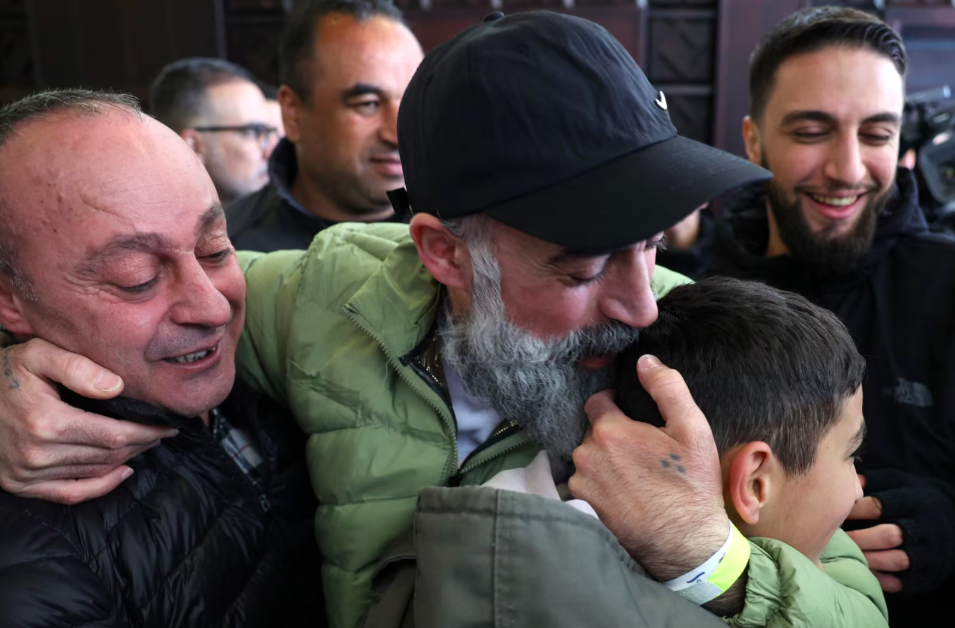
Hamas Releases Three More Hostages in Exchange for 369 Palestinian Prisoners Amid Fragile Ceasefire
In a significant development in the ongoing Israel-Gaza conflict, Hamas released three Israeli hostages on Saturday in exchange for 369 Palestinian prisoners. This latest exchange marks the sixth swap under the fragile ceasefire agreement brokered on January 19, 2025. The truce, set to last six weeks, has so far seen 24 Israeli hostages freed in exchange for over 1,000 Palestinian prisoners. The release was carried out under the supervision of the International Committee of the Red Cross (ICRC), with the freed hostages being transported to Israeli forces.
The Released Hostages: Stories of Resilience
The three hostages freed on Saturday hail from Kibbutz Nir Oz in southern Israel and include individuals with diverse backgrounds and compelling personal stories:
Register for Tekedia Mini-MBA edition 20 (June 8 – Sept 5, 2026).
Register for Tekedia AI in Business Masterclass.
Join Tekedia Capital Syndicate and co-invest in great global startups.
Register for Tekedia AI Lab.
- Sagui Dekel Chen (36) – An Israeli-American citizen, Chen was taken captive when he confronted Hamas militants during their deadly October 7, 2023, attack. His wife, Avital, gave birth to their third daughter just two months after his abduction.
- Alexander (Sasha) Troufanov (29) – A dual Israeli-Russian citizen, Troufanov was taken hostage along with his mother, grandmother, and girlfriend. While the three women were released a month ago, his father was tragically killed during the attack. The Troufanov family had emigrated to Israel from Russia 25 years ago.
- Iair Horn (46) – An Israeli-Argentinian, Horn was kidnapped alongside his brother, Eitan. However, Eitan remains in captivity and was not included in this round of releases.
Their release was met with emotional celebrations in Tel Aviv, where families and supporters gathered to witness their return via live video feed.
Palestinian Prisoners Welcomed in Ramallah
Simultaneously, in Ramallah, a large crowd waved Palestinian flags and chanted slogans as the first buses carrying freed Palestinian prisoners arrived. Hamas confirmed that 369 Palestinians were released as part of the exchange, many of whom had been held in Israeli prisons for years.
Hamas, which is designated as a terrorist organization by the United States, the UK, and several Western countries, had named the three hostages it would release on Friday. However, it had earlier threatened to halt the exchange, accusing Israel of violating the ceasefire agreement.

Ceasefire Under Pressure as U.S. Secretary of State Arrives
As the exchange took place, U.S. Secretary of State Marco Rubio arrived in Israel on his first official Middle East tour. His visit comes amid ongoing diplomatic efforts to maintain the ceasefire and address the broader implications of the conflict. On Sunday, Rubio is set to meet with Israeli Prime Minister Benjamin Netanyahu to discuss the ceasefire’s stability and President Donald Trump's controversial proposal for Gaza.
Trump’s plan, which suggests placing Gaza under U.S. administration and relocating Palestinians, has been met with strong opposition from Arab nations and Palestinian leaders. U.N. Palestinian Ambassador Riyad Mansour firmly rejected the proposal, stating, “We have no homeland except Palestine. We love Palestine. We will rebuild the Gaza Strip. We will rebuild Palestine.”
The 22-nation Arab Group at the United Nations also dismissed Trump’s proposal, calling it a violation of international law. The group urged the U.N. Security Council to visit Gaza and witness the devastation firsthand.

Ongoing Humanitarian Crisis in Gaza
While political negotiations continue, the humanitarian crisis in Gaza remains dire. The United Nations reported that more than 630 humanitarian aid trucks entered Gaza on Thursday, with at least 300 reaching the northern part of the territory. However, aid agencies stress that much more assistance is needed to address the worsening conditions.
Since the start of the war, Israel’s counteroffensive has reportedly resulted in over 48,000 Palestinian deaths, according to Gaza’s health ministry. The Israeli military maintains that at least 17,000 of those killed were militants, though it has not provided independent verification. The war began after Hamas launched an attack on Israel on October 7, 2023, killing approximately 1,200 people and taking around 250 hostages. Israel estimates that Hamas still holds around 60 hostages, including 35 whom the military believes to be dead.
The Road Ahead: Ceasefire or Escalation?
With just over two weeks remaining in the first phase of the ceasefire, tensions remain high. While international mediators continue to work toward a lasting truce, Israel has made it clear that it is prepared to resume military operations if the ceasefire collapses. Meanwhile, Hamas is under pressure to release the remaining hostages in exchange for further concessions.
The coming weeks will be crucial in determining whether the fragile ceasefire holds or whether hostilities will resume. As diplomatic negotiations unfold, the world watches closely, hoping for a resolution that brings lasting peace to the region.
Conclusion
The latest hostage-prisoner exchange between Israel and Hamas underscores the fragile nature of the ongoing ceasefire and the deep-rooted complexities of the conflict. While the release of hostages brings relief to their families, the broader humanitarian crisis in Gaza and the political tensions surrounding negotiations remain unresolved. The exchange, which saw three Israeli hostages freed in return for nearly 400 Palestinian prisoners, highlights the high-stakes diplomacy at play and the difficult compromises being made.
The involvement of global leaders, including U.S. Secretary of State Marco Rubio and the United Nations, reflects the international urgency to stabilize the region. However, challenges persist, particularly with Hamas accusing Israel of ceasefire violations and Israel maintaining its stance against Hamas’ militant activities. Meanwhile, the rejection of former U.S. President Donald Trump’s proposal for the U.S. to take control of Gaza further emphasises the Palestinians' demand for self-determination and rebuilding their homeland on their own terms.
As the ceasefire continues, all eyes are on the next phase of negotiations and whether a path toward long-term peace can be forged. The humanitarian situation in Gaza remains dire, with tens of thousands of casualties and widespread destruction. With ongoing calls for de-escalation, diplomatic efforts must prioritise not only the immediate cessation of hostilities but also a sustainable political resolution that ensures security, stability, and dignity for both Israelis and Palestinians.
Uploaded files:Share this:
- Click to share on Facebook (Opens in new window) Facebook
- Click to share on X (Opens in new window) X
- Click to share on WhatsApp (Opens in new window) WhatsApp
- Click to share on LinkedIn (Opens in new window) LinkedIn
- Click to email a link to a friend (Opens in new window) Email
- Click to print (Opens in new window) Print