

Heavy Rains Paralyse Mumbai: Flooded Roads, Stranded Commuters, and Flight Disruptions

Quote from Alex Bobby on August 21, 2025, 6:03 AM
Heavy Rain Paralyses India’s Financial Capital Mumbai
Monsoon rains are no stranger to Mumbai, but this week the financial capital of India has been brought to a standstill. Torrential downpours have submerged roads, paralyzed transport networks, and left millions of residents struggling to get through their daily routines. The sheer intensity of the rainfall has highlighted once again the vulnerability of India’s most populous city to extreme weather events—and the inadequacy of its infrastructure to cope with them.
A City Underwater
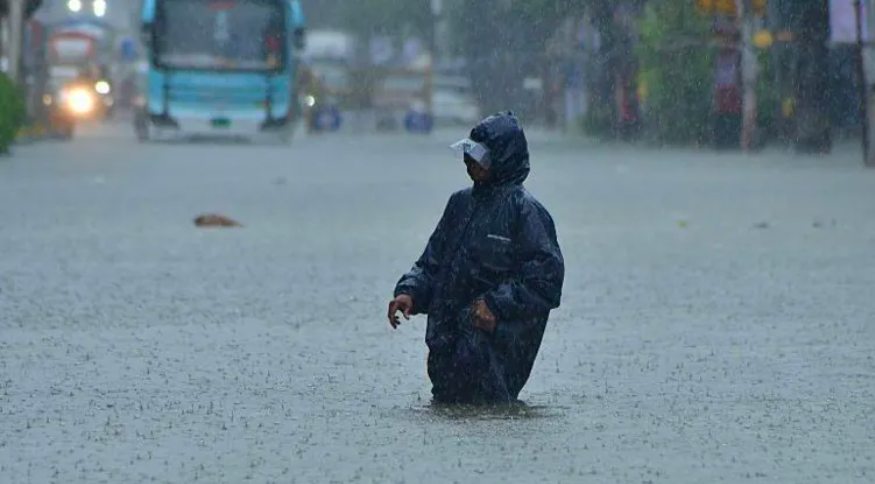
Videos circulating on social media show waist-deep water in several parts of Mumbai, with some residents swimming through waterlogged streets as garbage and sewage gushed out of clogged drains. In just four days, the city received 800mm of rainfall, according to the India Meteorological Department (IMD)—well above the monthly average for August.
The downpour has left many neighbourhoods inundated. More than 350 people have been shifted from low-lying areas to temporary shelters as a precaution. Schools and colleges have been shut, while businesses across the city have struggled to keep their doors open.
For a metropolis of over 12 million people, the disruption is massive. Local trains, considered the lifeline of Mumbai, have been delayed for hours, with thousands of commuters stranded on crowded platforms. One passenger told ANI news agency: “Trains scheduled for last night have left this morning and those supposed to leave this morning have been delayed too later.”
Transport Chaos
Perhaps the most dramatic scene unfolded on Tuesday when 600 people were trapped on a monorail after it stalled mid-journey. The train, reportedly carrying passengers far beyond its capacity, came to a halt on elevated tracks. With the air-conditioning switched off, passengers began to suffocate, prompting desperate attempts to open doors and call for help.
Rescue operations involved police and fire department teams using cranes to bring passengers down safely. At least 23 people were treated for suffocation, though no fatalities were reported. A preliminary investigation pointed to overcrowding as the cause of the failure.
Air travel has been equally disrupted. Mumbai’s international airport has seen over 50 flight cancellations in recent days, with airlines warning passengers to expect continued delays. Budget carrier IndiGo posted on X (formerly Twitter): “Mother Nature has her own plans. With heavy rains expected again in Mumbai, there’s a chance this could lead to air traffic congestion and impact flight operations.”
A Deadly Toll
The heavy rains have not just disrupted life—they have also claimed lives. At least 21 people across Maharashtra state have died in rain-related incidents this week. Landslides, collapsed walls, and electrocution accidents are among the common tragedies during such periods of flooding.
Authorities have issued a red alert for Mumbai and nearby districts, warning of very heavy rainfall through Wednesday, though the IMD has forecast an improvement later in the week. Emergency services remain on high alert, and rescue teams continue to evacuate vulnerable residents.
Political Blame Game
The flooding has reignited political battles in Maharashtra. Opposition leaders have accused the government of failing to prepare despite repeated red alerts. Aaditya Thackeray, a prominent leader of the opposition Shiv Sena (UBT) party, described the situation as an “absolute collapse of governance.” He pointed to new waterlogging hotspots around recently built infrastructure projects, including metro lines and coastal roads, as evidence of poor planning.
“The government has done zero planning,” Thackeray said, adding that even Mumbai’s airport was flooded. Critics argue that while billions of rupees have been spent on marquee projects, the city’s ageing drainage system—some of which dates back to the British colonial era—remains neglected.
Frustrated citizens have echoed these sentiments on social media, posting images of flooded streets and criticising authorities for failing to make the city resilient against predictable monsoon onslaughts.
Why Mumbai Floods Year After Year
Flooding during the monsoon is not new for Mumbai. The city’s location on the Arabian Sea coast, coupled with heavy rains and rapid urbanisation, makes it particularly vulnerable. Experts say unregulated construction, shrinking wetlands, and encroachment on natural drainage channels have worsened the city’s flood risk over the years.
Despite efforts to modernise infrastructure with projects like sea bridges, metro systems, and coastal roads, investment in stormwater drains and sewage systems has lagged. Climate change adds another dimension, with scientists warning that extreme rainfall events are likely to become more frequent and intense.
Environmentalists have long argued that resilience planning must keep pace with the city’s rapid growth. “You cannot have a global financial hub that shuts down every year due to rain,” one urban planning expert told local media. “The focus on glamour projects must shift toward sustainable, climate-proof infrastructure.”
The Economic Impact
As India’s financial capital, Mumbai contributes significantly to the country’s GDP, industrial output, and trade. The city is home to the Bombay Stock Exchange, the Reserve Bank of India, and the headquarters of numerous multinational corporations. Flood-related shutdowns therefore have ripple effects across the national economy.
From halted production lines in factories to missed trading hours and delayed shipments at the city’s port, the economic cost of repeated flooding runs into billions. Small businesses and informal workers are often hit hardest, losing daily wages when transport grinds to a halt.
Final Thoughts
Mumbai’s monsoon crisis is a stark reminder that even the world’s wealthiest and most developed cities can be vulnerable to natural disasters if infrastructure and planning fail to keep pace with population growth. While the city struggles with flooded streets, stranded commuters, and disrupted flights, the larger challenge lies in building climate-resilient systems that can withstand increasingly intense rainfall.
The recent flooding highlights the urgent need for coordinated action between city authorities, planners, and residents to invest in sustainable drainage, better emergency response, and long-term urban resilience. Until then, Mumbai’s monsoons will continue to test the limits of the city—and the patience of its 12 million residents.
Do you want me to also create a short, punchy takeaway line suitable for readers skimming the article?
Conclusion
Mumbai’s latest flooding crisis underscores a painful reality: despite its wealth and importance, the city remains woefully unprepared for the annual monsoon. The government’s emphasis on high-profile infrastructure projects has not addressed the fundamental vulnerabilities of its drainage and sewage systems.
For millions of residents wading through waist-deep water or stranded on trains and flights, the monsoon is more than just an inconvenience—it is a reminder of systemic failures in urban planning and governance.
Unless urgent investments are made in climate-resilient infrastructure and proper disaster preparedness, Mumbai is likely to relive this nightmare every year, with growing costs in lives, livelihoods, and reputation.
Meta Description:
Mumbai reels under extreme monsoon rains, with waist-deep flooding, stranded commuters, flight cancellations, and disrupted train services. Authorities rescue hundreds as the city struggles to cope.
Heavy Rain Paralyses India’s Financial Capital Mumbai
Monsoon rains are no stranger to Mumbai, but this week the financial capital of India has been brought to a standstill. Torrential downpours have submerged roads, paralyzed transport networks, and left millions of residents struggling to get through their daily routines. The sheer intensity of the rainfall has highlighted once again the vulnerability of India’s most populous city to extreme weather events—and the inadequacy of its infrastructure to cope with them.
A City Underwater
Register for Tekedia Mini-MBA edition 20 (June 8 – Sept 5, 2026).
Register for Tekedia AI in Business Masterclass.
Join Tekedia Capital Syndicate and co-invest in great global startups.
Register for Tekedia AI Lab.
Videos circulating on social media show waist-deep water in several parts of Mumbai, with some residents swimming through waterlogged streets as garbage and sewage gushed out of clogged drains. In just four days, the city received 800mm of rainfall, according to the India Meteorological Department (IMD)—well above the monthly average for August.
The downpour has left many neighbourhoods inundated. More than 350 people have been shifted from low-lying areas to temporary shelters as a precaution. Schools and colleges have been shut, while businesses across the city have struggled to keep their doors open.
For a metropolis of over 12 million people, the disruption is massive. Local trains, considered the lifeline of Mumbai, have been delayed for hours, with thousands of commuters stranded on crowded platforms. One passenger told ANI news agency: “Trains scheduled for last night have left this morning and those supposed to leave this morning have been delayed too later.”

Transport Chaos
Perhaps the most dramatic scene unfolded on Tuesday when 600 people were trapped on a monorail after it stalled mid-journey. The train, reportedly carrying passengers far beyond its capacity, came to a halt on elevated tracks. With the air-conditioning switched off, passengers began to suffocate, prompting desperate attempts to open doors and call for help.
Rescue operations involved police and fire department teams using cranes to bring passengers down safely. At least 23 people were treated for suffocation, though no fatalities were reported. A preliminary investigation pointed to overcrowding as the cause of the failure.

Air travel has been equally disrupted. Mumbai’s international airport has seen over 50 flight cancellations in recent days, with airlines warning passengers to expect continued delays. Budget carrier IndiGo posted on X (formerly Twitter): “Mother Nature has her own plans. With heavy rains expected again in Mumbai, there’s a chance this could lead to air traffic congestion and impact flight operations.”
A Deadly Toll
The heavy rains have not just disrupted life—they have also claimed lives. At least 21 people across Maharashtra state have died in rain-related incidents this week. Landslides, collapsed walls, and electrocution accidents are among the common tragedies during such periods of flooding.
Authorities have issued a red alert for Mumbai and nearby districts, warning of very heavy rainfall through Wednesday, though the IMD has forecast an improvement later in the week. Emergency services remain on high alert, and rescue teams continue to evacuate vulnerable residents.
Political Blame Game
The flooding has reignited political battles in Maharashtra. Opposition leaders have accused the government of failing to prepare despite repeated red alerts. Aaditya Thackeray, a prominent leader of the opposition Shiv Sena (UBT) party, described the situation as an “absolute collapse of governance.” He pointed to new waterlogging hotspots around recently built infrastructure projects, including metro lines and coastal roads, as evidence of poor planning.
“The government has done zero planning,” Thackeray said, adding that even Mumbai’s airport was flooded. Critics argue that while billions of rupees have been spent on marquee projects, the city’s ageing drainage system—some of which dates back to the British colonial era—remains neglected.
Frustrated citizens have echoed these sentiments on social media, posting images of flooded streets and criticising authorities for failing to make the city resilient against predictable monsoon onslaughts.
Why Mumbai Floods Year After Year
Flooding during the monsoon is not new for Mumbai. The city’s location on the Arabian Sea coast, coupled with heavy rains and rapid urbanisation, makes it particularly vulnerable. Experts say unregulated construction, shrinking wetlands, and encroachment on natural drainage channels have worsened the city’s flood risk over the years.
Despite efforts to modernise infrastructure with projects like sea bridges, metro systems, and coastal roads, investment in stormwater drains and sewage systems has lagged. Climate change adds another dimension, with scientists warning that extreme rainfall events are likely to become more frequent and intense.
Environmentalists have long argued that resilience planning must keep pace with the city’s rapid growth. “You cannot have a global financial hub that shuts down every year due to rain,” one urban planning expert told local media. “The focus on glamour projects must shift toward sustainable, climate-proof infrastructure.”
The Economic Impact
As India’s financial capital, Mumbai contributes significantly to the country’s GDP, industrial output, and trade. The city is home to the Bombay Stock Exchange, the Reserve Bank of India, and the headquarters of numerous multinational corporations. Flood-related shutdowns therefore have ripple effects across the national economy.
From halted production lines in factories to missed trading hours and delayed shipments at the city’s port, the economic cost of repeated flooding runs into billions. Small businesses and informal workers are often hit hardest, losing daily wages when transport grinds to a halt.
Final Thoughts
Mumbai’s monsoon crisis is a stark reminder that even the world’s wealthiest and most developed cities can be vulnerable to natural disasters if infrastructure and planning fail to keep pace with population growth. While the city struggles with flooded streets, stranded commuters, and disrupted flights, the larger challenge lies in building climate-resilient systems that can withstand increasingly intense rainfall.
The recent flooding highlights the urgent need for coordinated action between city authorities, planners, and residents to invest in sustainable drainage, better emergency response, and long-term urban resilience. Until then, Mumbai’s monsoons will continue to test the limits of the city—and the patience of its 12 million residents.
Do you want me to also create a short, punchy takeaway line suitable for readers skimming the article?
Conclusion
Mumbai’s latest flooding crisis underscores a painful reality: despite its wealth and importance, the city remains woefully unprepared for the annual monsoon. The government’s emphasis on high-profile infrastructure projects has not addressed the fundamental vulnerabilities of its drainage and sewage systems.
For millions of residents wading through waist-deep water or stranded on trains and flights, the monsoon is more than just an inconvenience—it is a reminder of systemic failures in urban planning and governance.
Unless urgent investments are made in climate-resilient infrastructure and proper disaster preparedness, Mumbai is likely to relive this nightmare every year, with growing costs in lives, livelihoods, and reputation.
Meta Description:
Mumbai reels under extreme monsoon rains, with waist-deep flooding, stranded commuters, flight cancellations, and disrupted train services. Authorities rescue hundreds as the city struggles to cope.
Share this:
- Click to share on Facebook (Opens in new window) Facebook
- Click to share on X (Opens in new window) X
- Click to share on WhatsApp (Opens in new window) WhatsApp
- Click to share on LinkedIn (Opens in new window) LinkedIn
- Click to email a link to a friend (Opens in new window) Email
- Click to print (Opens in new window) Print