

Houthis Confirm Prime Minister Killed in Israeli Air Strike on Yemen

Quote from Alex Bobby on August 31, 2025, 7:14 AM
Houthis Confirm Prime Minister Killed in Israeli Strike on Sanaa
Yemen’s Houthi movement has confirmed that its self-proclaimed prime minister, Ahmed Ghaleb Nasser al-Rahawi, was killed in an Israeli air strike on the capital, Sanaa, earlier this week. The strike, which the Israel Defense Forces (IDF) say targeted a gathering of senior Houthi officials, has sent ripples across the region, escalating an already volatile conflict that continues to intertwine Yemen’s civil war with the wider Middle East crisis.
The Israeli Strike and Its Targets
According to statements released by the Houthis, Rahawi was killed alongside several ministers during an air raid carried out on Thursday. Although the group did not initially disclose all the names of the casualties, reports from Saudi Arabia’s al-Hadath news site identified the Houthis’ foreign minister, as well as the ministers for justice, youth and sports, social affairs, and labour, among those killed.
The Houthis also confirmed that other senior figures sustained injuries of varying degrees, with some reported to be in critical condition. The office of Mahdi al-Mashat, who serves as the Houthis’ president, announced that Muhammad Ahmed Miftah, the deputy prime minister, would assume Rahawi’s responsibilities.
The IDF later said that the strike was carried out “within hours” of receiving intelligence about the gathering, emphasising that it was designed to weaken the leadership structure of the Iran-backed movement. While Israel is still assessing the operation’s full impact, it declared the mission a significant success, noting that Rahawi and others had been “eliminated.”
Who Was Ahmed Ghaleb Nasser al-Rahawi?
Rahawi, who took on the role of prime minister in August 2024, was widely regarded as more of a figurehead than a powerful policymaker. Unlike Abdul-Malik al-Houthi, the movement’s leader, or other senior military commanders, Rahawi was not considered central to the Houthis’ decision-making apparatus, especially regarding military strategy.
Nevertheless, his position as the head of the Houthi government made him a symbolic leader. His death, coupled with the reported loss of several ministers, marks one of the most serious leadership blows to the group in recent years.
Broader Context: Yemen’s War and the Regional Fallout
The Houthis have controlled much of north-western Yemen, including Sanaa, since 2014. Their takeover ousted the internationally recognised government, sparking a civil war that has devastated the country. Over the past decade, Yemen has been the scene of one of the world’s worst humanitarian crises, with millions facing famine, displacement, and a collapse of infrastructure.
The conflict has also become a proxy battleground, drawing in Iran, Saudi Arabia, and the United Arab Emirates, with global powers like the United States and Israel watching closely.
Since the outbreak of the war between Israel and Hamas in Gaza in October 2023, the Houthis have increased their military activities against Israel. They have claimed responsibility for missile launches targeting Israel and attacks on commercial shipping in the Red Sea and Gulf of Aden, framing these actions as part of their solidarity campaign with Palestinians.
Israel, in turn, has responded with precision air strikes on Houthi-held areas, particularly around Sanaa, aiming to degrade the group’s military and political capabilities. The most recent strike, which killed Rahawi, underscores Israel’s intent to not only defend against Houthi aggression but also weaken the group’s command and control structures.
The Significance of the Strike
The death of Rahawi raises significant questions about the Houthis’ ability to maintain both governance and international legitimacy. While the group’s true power lies with Abdul-Malik al-Houthi and his inner circle of military commanders, the removal of a prime minister and several cabinet ministers creates a vacuum at the administrative level.
For Yemenis living under Houthi control, this could translate into greater instability, particularly in the delivery of basic services and governance. For Israel and its allies, the strike is being hailed as a tactical win in their efforts to reduce cross-border threats emanating from Yemen.
Still, the strike also risks inflaming tensions. Iran, the Houthis’ primary backer, may interpret Israel’s attack on Houthi leadership as part of a broader campaign to weaken its regional allies. This could prompt Tehran to further escalate its support for the Houthis or other proxy groups across the Middle East.
Regional and International Reactions
As of Saturday evening, official reactions to the killing remained mixed. Pro-Saudi and anti-Houthi Yemeni factions welcomed the strike, interpreting it as a blow to their long-standing rivals. On the other hand, Iran is expected to condemn the attack, framing it as an illegitimate act of aggression against a Yemeni government structure, albeit an unrecognised one.
Humanitarian organisation’s have also expressed concern that the escalation of strikes in Yemen could worsen the plight of civilians. With the country already facing one of the largest humanitarian crises in the world, renewed violence threatens to derail fragile aid operations and deepen suffering.
Looking Ahead
The death of Ahmed Ghaleb Nasser al-Rahawi could reshape the Houthis’ internal hierarchy and complicate Yemen’s already fragile political situation. While the group has shown resilience over the past decade, the loss of high-ranking officials raises doubts about their ability to project stability both at home and abroad.
For Israel, the strike marks a continuation of its strategy to neutralise external threats, particularly from groups aligned with Iran. Yet the more Israel escalates in Yemen, the greater the risk of sparking a regional backlash that extends beyond the Red Sea.
What remains clear is that Rahawi’s death underscores the increasingly interconnected nature of Middle Eastern conflicts. Yemen’s civil war, already devastating on its own, has become further entangled with the wider Israel-Hamas war, drawing in international actors and blurring the lines between local and regional battlefields.
Final Thoughts
The confirmed death of Houthi Prime Minister Ahmed Ghaleb Nasser al-Rahawi illustrates just how interconnected today’s Middle East conflicts have become. What began as a local power struggle in Yemen has steadily evolved into a geopolitical flashpoint involving Israel, Iran, and other regional players. While Rahawi’s loss may not shift the Houthis’ battlefield strategy, it sends a strong signal that Israel is prepared to hit targets far beyond Gaza in response to threats from allied groups.
Looking ahead, this strike could either deter further Houthi escalation or push them into intensifying their attacks in solidarity with Hamas. In either case, the cycle of retaliation risks deepening instability in an already fragile region. For Yemen, a nation scarred by years of civil war, these developments further complicate the path to peace and prolong the suffering of its people.
Conclusion
The killing of Ahmed Ghaleb Nasser al-Rahawi in an Israeli air strike marks a pivotal moment in the overlapping conflicts of Yemen and the wider Middle East. While Rahawi himself was more symbolic than strategic, his death alongside several senior ministers highlights Israel’s determination to dismantle Houthi leadership and curb regional threats. For the Houthis, this blow may weaken governance structures but is unlikely to disrupt their military operations under Abdul-Malik al-Houthi’s leadership.
Ultimately, the strike underscores how Yemen’s civil war has become deeply entwined with the Israel-Hamas conflict, drawing in regional powers and raising the stakes of escalation. As instability deepens, civilians once again risk bearing the heaviest burden in a conflict with no clear end in sight.
Meta Description:
Yemen’s Houthi rebels confirm the death of Prime Minister Ahmed Ghaleb Nasser al-Rahawi in an Israeli strike on Sanaa. Several senior ministers were also killed as tensions escalate across the Middle East.
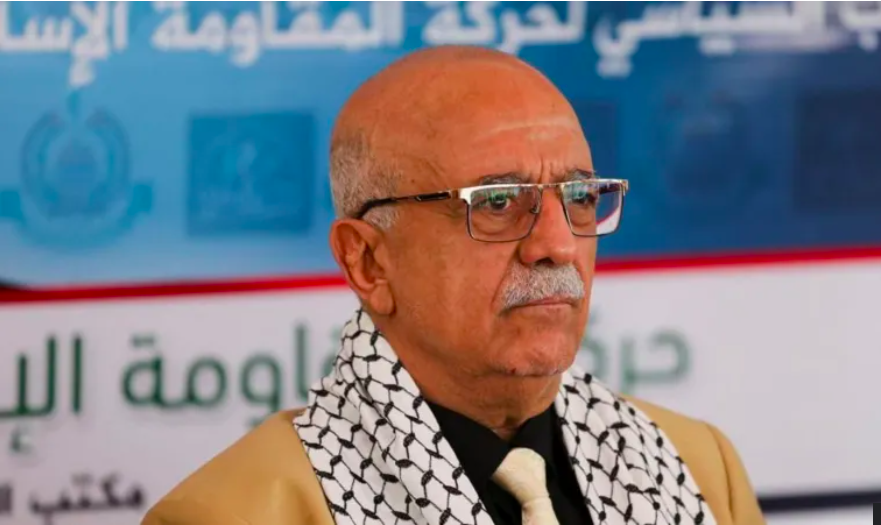
Houthis Confirm Prime Minister Killed in Israeli Strike on Sanaa
Yemen’s Houthi movement has confirmed that its self-proclaimed prime minister, Ahmed Ghaleb Nasser al-Rahawi, was killed in an Israeli air strike on the capital, Sanaa, earlier this week. The strike, which the Israel Defense Forces (IDF) say targeted a gathering of senior Houthi officials, has sent ripples across the region, escalating an already volatile conflict that continues to intertwine Yemen’s civil war with the wider Middle East crisis.
The Israeli Strike and Its Targets
Register for Tekedia Mini-MBA edition 20 (June 8 – Sept 5, 2026).
Register for Tekedia AI in Business Masterclass.
Join Tekedia Capital Syndicate and co-invest in great global startups.
Register for Tekedia AI Lab.
According to statements released by the Houthis, Rahawi was killed alongside several ministers during an air raid carried out on Thursday. Although the group did not initially disclose all the names of the casualties, reports from Saudi Arabia’s al-Hadath news site identified the Houthis’ foreign minister, as well as the ministers for justice, youth and sports, social affairs, and labour, among those killed.
The Houthis also confirmed that other senior figures sustained injuries of varying degrees, with some reported to be in critical condition. The office of Mahdi al-Mashat, who serves as the Houthis’ president, announced that Muhammad Ahmed Miftah, the deputy prime minister, would assume Rahawi’s responsibilities.
The IDF later said that the strike was carried out “within hours” of receiving intelligence about the gathering, emphasising that it was designed to weaken the leadership structure of the Iran-backed movement. While Israel is still assessing the operation’s full impact, it declared the mission a significant success, noting that Rahawi and others had been “eliminated.”

Who Was Ahmed Ghaleb Nasser al-Rahawi?
Rahawi, who took on the role of prime minister in August 2024, was widely regarded as more of a figurehead than a powerful policymaker. Unlike Abdul-Malik al-Houthi, the movement’s leader, or other senior military commanders, Rahawi was not considered central to the Houthis’ decision-making apparatus, especially regarding military strategy.
Nevertheless, his position as the head of the Houthi government made him a symbolic leader. His death, coupled with the reported loss of several ministers, marks one of the most serious leadership blows to the group in recent years.

Broader Context: Yemen’s War and the Regional Fallout
The Houthis have controlled much of north-western Yemen, including Sanaa, since 2014. Their takeover ousted the internationally recognised government, sparking a civil war that has devastated the country. Over the past decade, Yemen has been the scene of one of the world’s worst humanitarian crises, with millions facing famine, displacement, and a collapse of infrastructure.
The conflict has also become a proxy battleground, drawing in Iran, Saudi Arabia, and the United Arab Emirates, with global powers like the United States and Israel watching closely.
Since the outbreak of the war between Israel and Hamas in Gaza in October 2023, the Houthis have increased their military activities against Israel. They have claimed responsibility for missile launches targeting Israel and attacks on commercial shipping in the Red Sea and Gulf of Aden, framing these actions as part of their solidarity campaign with Palestinians.
Israel, in turn, has responded with precision air strikes on Houthi-held areas, particularly around Sanaa, aiming to degrade the group’s military and political capabilities. The most recent strike, which killed Rahawi, underscores Israel’s intent to not only defend against Houthi aggression but also weaken the group’s command and control structures.
The Significance of the Strike
The death of Rahawi raises significant questions about the Houthis’ ability to maintain both governance and international legitimacy. While the group’s true power lies with Abdul-Malik al-Houthi and his inner circle of military commanders, the removal of a prime minister and several cabinet ministers creates a vacuum at the administrative level.
For Yemenis living under Houthi control, this could translate into greater instability, particularly in the delivery of basic services and governance. For Israel and its allies, the strike is being hailed as a tactical win in their efforts to reduce cross-border threats emanating from Yemen.
Still, the strike also risks inflaming tensions. Iran, the Houthis’ primary backer, may interpret Israel’s attack on Houthi leadership as part of a broader campaign to weaken its regional allies. This could prompt Tehran to further escalate its support for the Houthis or other proxy groups across the Middle East.
Regional and International Reactions
As of Saturday evening, official reactions to the killing remained mixed. Pro-Saudi and anti-Houthi Yemeni factions welcomed the strike, interpreting it as a blow to their long-standing rivals. On the other hand, Iran is expected to condemn the attack, framing it as an illegitimate act of aggression against a Yemeni government structure, albeit an unrecognised one.
Humanitarian organisation’s have also expressed concern that the escalation of strikes in Yemen could worsen the plight of civilians. With the country already facing one of the largest humanitarian crises in the world, renewed violence threatens to derail fragile aid operations and deepen suffering.
Looking Ahead
The death of Ahmed Ghaleb Nasser al-Rahawi could reshape the Houthis’ internal hierarchy and complicate Yemen’s already fragile political situation. While the group has shown resilience over the past decade, the loss of high-ranking officials raises doubts about their ability to project stability both at home and abroad.
For Israel, the strike marks a continuation of its strategy to neutralise external threats, particularly from groups aligned with Iran. Yet the more Israel escalates in Yemen, the greater the risk of sparking a regional backlash that extends beyond the Red Sea.
What remains clear is that Rahawi’s death underscores the increasingly interconnected nature of Middle Eastern conflicts. Yemen’s civil war, already devastating on its own, has become further entangled with the wider Israel-Hamas war, drawing in international actors and blurring the lines between local and regional battlefields.
Final Thoughts
The confirmed death of Houthi Prime Minister Ahmed Ghaleb Nasser al-Rahawi illustrates just how interconnected today’s Middle East conflicts have become. What began as a local power struggle in Yemen has steadily evolved into a geopolitical flashpoint involving Israel, Iran, and other regional players. While Rahawi’s loss may not shift the Houthis’ battlefield strategy, it sends a strong signal that Israel is prepared to hit targets far beyond Gaza in response to threats from allied groups.
Looking ahead, this strike could either deter further Houthi escalation or push them into intensifying their attacks in solidarity with Hamas. In either case, the cycle of retaliation risks deepening instability in an already fragile region. For Yemen, a nation scarred by years of civil war, these developments further complicate the path to peace and prolong the suffering of its people.
Conclusion
The killing of Ahmed Ghaleb Nasser al-Rahawi in an Israeli air strike marks a pivotal moment in the overlapping conflicts of Yemen and the wider Middle East. While Rahawi himself was more symbolic than strategic, his death alongside several senior ministers highlights Israel’s determination to dismantle Houthi leadership and curb regional threats. For the Houthis, this blow may weaken governance structures but is unlikely to disrupt their military operations under Abdul-Malik al-Houthi’s leadership.
Ultimately, the strike underscores how Yemen’s civil war has become deeply entwined with the Israel-Hamas conflict, drawing in regional powers and raising the stakes of escalation. As instability deepens, civilians once again risk bearing the heaviest burden in a conflict with no clear end in sight.
Meta Description:
Yemen’s Houthi rebels confirm the death of Prime Minister Ahmed Ghaleb Nasser al-Rahawi in an Israeli strike on Sanaa. Several senior ministers were also killed as tensions escalate across the Middle East.
Share this:
- Click to share on Facebook (Opens in new window) Facebook
- Click to share on X (Opens in new window) X
- Click to share on WhatsApp (Opens in new window) WhatsApp
- Click to share on LinkedIn (Opens in new window) LinkedIn
- Click to email a link to a friend (Opens in new window) Email
- Click to print (Opens in new window) Print