

Hulk Hogan, WWE Legend and Pop Culture Icon, Dies at 71 from Cardiac Arrest"

Quote from Alex Bobby on July 26, 2025, 10:26 AM
Hulk Hogan, Wrestling and Pop Culture Icon, Dies at 71
Hulk Hogan, the legendary professional wrestler and cultural icon who helped catapult WWE into mainstream stardom during the 1980s, has died at the age of 71. Florida authorities and World Wrestling Entertainment (WWE) confirmed his death on Thursday following a reported cardiac arrest in Clearwater, Florida. Hogan was pronounced dead at a local hospital, marking the end of a chapter in sports entertainment history that he helped define.
Hogan, born Terry Bollea, was more than just a wrestler—he was a global phenomenon, a household name, and a trailblazer who turned professional wrestling into a billion-dollar entertainment empire. With his trademark handlebar mustache, red and yellow attire, booming catchphrases like "Whatcha gonna do, brother?" and a showman's charisma, Hogan captivated generations of fans around the world.
WrestleMania’s Main Attraction
Hogan’s rise to superstardom began in earnest in 1985, when he headlined the very first WrestleMania, WWE’s flagship event that would go on to become a cultural institution. Facing off against opponents like Andre the Giant, "Macho Man" Randy Savage, and later The Rock, Hogan became the defining face of the promotion for decades.
He also famously stepped into the ring with WWE chairman Vince McMahon himself—a storyline rooted in real-life tensions that culminated in a now-iconic showdown at WrestleMania XIX. Outside the ring, Hogan also testified in McMahon’s defence during the steroid trial of the 1990s, further entrenching himself as WWE’s loyal centrepiece during a turbulent era.
Over the course of his career, Hogan won at least six WWE Championships and was inducted into the WWE Hall of Fame in 2005, cementing his legacy as one of the all-time greats in the sport.
From the Ring to the Mainstream
Hogan was more than just an athlete—he was a pop culture megastar. He made appearances in movies, cartoons, talk shows, and even launched short-lived business ventures. While some were forgettable—such as the ill-fated Pastamania restaurant in Minnesota or the Thunder Mixer blender—they highlighted Hogan’s relentless drive to extend his brand beyond wrestling.
Despite facing criticism for stretching the truth about his past—including unverifiable claims that Elvis Presley was a fan or that Metallica asked him to join the band—Hogan remained a larger-than-life figure who understood the value of self-mythologizing in entertainment.
A Political Turn
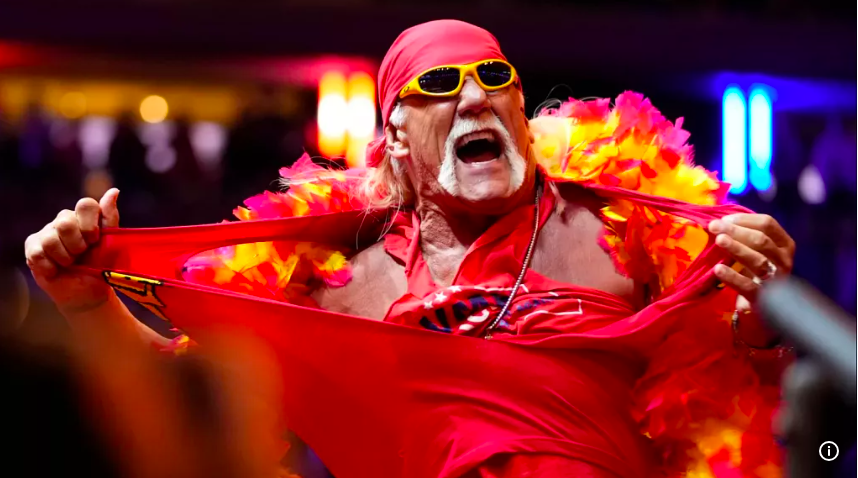
In his later years, Hogan’s public profile took a sharp political turn. He became a vocal supporter of former U.S. President Donald Trump, culminating in a fiery appearance at the 2024 Republican National Convention. There, he performed a signature shirt-rip onstage, revealing a bright red “Trump-Vance” campaign tee, blending classic wrestling theatre with political endorsement.
“Let Trumpamania run wild, brother!” he shouted, in a now-viral moment that drew cheers from Republican delegates and applause from Trump himself.
“We lost a great friend today, the 'Hulkster,'” Trump said on his Truth Social platform. “Hulk Hogan was MAGA all the way — strong, tough, smart, but with the biggest heart.”
Legal Battles and Controversy
Hogan's legacy was not without controversy. In 2012, Gawker Media published a sex tape of Hogan with the wife of his then-best friend. Hogan sued for invasion of privacy, and in 2016, a Florida jury awarded him $115 million in damages, followed by an additional $25 million in punitive damages. The lawsuit, secretly funded by billionaire Peter Thiel, led to Gawker’s bankruptcy and had wide-ranging implications for press freedom and privacy law.
However, the case also unearthed footage of Hogan using racial slurs, leading to his temporary exile from the WWE and tarnishing his image.
“It was unacceptable for me to have used that offensive language; there is no excuse for it; and I apologise for having done it,” Hogan later said.
Despite the scandal, he slowly returned to public favour, rejoining WWE events and continuing to draw large audiences wherever he appeared.
A Final Chapter
In 2024, Hogan had launched Real American Beer, a brand he was actively promoting up until the time of his death. The name echoed one of his most famous entrance themes, symbolising his enduring nostalgia-fuelled brand of patriotism and performance.
In a statement on social media platform X, WWE paid tribute to Hogan’s impact:
"One of pop culture's most recognisable figures, Hogan helped WWE achieve global recognition in the 1980s. WWE extends its condolences to Hogan's family, friends, and fans."Remembering the Hulkster
Hulk Hogan was not just a wrestler—he was a symbol of a golden era in sports entertainment. While his life and career were often turbulent, filled with both dazzling highs and painful lows, he remained a towering figure in the cultural consciousness for over four decades. His legacy as a performer, entertainer, and icon is indelible.
For millions who grew up watching him slam giants, rip shirts, and shout into microphones, the Hulkster's passing marks the end of an era. But his influence—both in the ring and out—will continue to “run wild” for years to come.
Conclusion
Hulk Hogan’s death marks the end of a defining chapter in professional wrestling and pop culture history. From headlining the first WrestleMania to becoming a household name across generations, Hogan transformed sports entertainment and left a legacy that stretched far beyond the ring. Despite personal controversies and public setbacks, he remained an enduring symbol of charisma, strength, and showmanship. For fans around the world, the "Hulkster" was more than just a wrestler—he was a superhero in spandex, larger than life, and unapologetically himself. Though he's gone, his impact on wrestling, entertainment, and popular culture will never be forgotten.
Hulk Hogan, Wrestling and Pop Culture Icon, Dies at 71
Hulk Hogan, the legendary professional wrestler and cultural icon who helped catapult WWE into mainstream stardom during the 1980s, has died at the age of 71. Florida authorities and World Wrestling Entertainment (WWE) confirmed his death on Thursday following a reported cardiac arrest in Clearwater, Florida. Hogan was pronounced dead at a local hospital, marking the end of a chapter in sports entertainment history that he helped define.
Hogan, born Terry Bollea, was more than just a wrestler—he was a global phenomenon, a household name, and a trailblazer who turned professional wrestling into a billion-dollar entertainment empire. With his trademark handlebar mustache, red and yellow attire, booming catchphrases like "Whatcha gonna do, brother?" and a showman's charisma, Hogan captivated generations of fans around the world.
Register for Tekedia Mini-MBA edition 20 (June 8 – Sept 5, 2026).
Register for Tekedia AI in Business Masterclass.
Join Tekedia Capital Syndicate and co-invest in great global startups.
Register for Tekedia AI Lab.
WrestleMania’s Main Attraction
Hogan’s rise to superstardom began in earnest in 1985, when he headlined the very first WrestleMania, WWE’s flagship event that would go on to become a cultural institution. Facing off against opponents like Andre the Giant, "Macho Man" Randy Savage, and later The Rock, Hogan became the defining face of the promotion for decades.
He also famously stepped into the ring with WWE chairman Vince McMahon himself—a storyline rooted in real-life tensions that culminated in a now-iconic showdown at WrestleMania XIX. Outside the ring, Hogan also testified in McMahon’s defence during the steroid trial of the 1990s, further entrenching himself as WWE’s loyal centrepiece during a turbulent era.

Over the course of his career, Hogan won at least six WWE Championships and was inducted into the WWE Hall of Fame in 2005, cementing his legacy as one of the all-time greats in the sport.
From the Ring to the Mainstream
Hogan was more than just an athlete—he was a pop culture megastar. He made appearances in movies, cartoons, talk shows, and even launched short-lived business ventures. While some were forgettable—such as the ill-fated Pastamania restaurant in Minnesota or the Thunder Mixer blender—they highlighted Hogan’s relentless drive to extend his brand beyond wrestling.

Despite facing criticism for stretching the truth about his past—including unverifiable claims that Elvis Presley was a fan or that Metallica asked him to join the band—Hogan remained a larger-than-life figure who understood the value of self-mythologizing in entertainment.
A Political Turn
In his later years, Hogan’s public profile took a sharp political turn. He became a vocal supporter of former U.S. President Donald Trump, culminating in a fiery appearance at the 2024 Republican National Convention. There, he performed a signature shirt-rip onstage, revealing a bright red “Trump-Vance” campaign tee, blending classic wrestling theatre with political endorsement.
“Let Trumpamania run wild, brother!” he shouted, in a now-viral moment that drew cheers from Republican delegates and applause from Trump himself.
“We lost a great friend today, the 'Hulkster,'” Trump said on his Truth Social platform. “Hulk Hogan was MAGA all the way — strong, tough, smart, but with the biggest heart.”
Legal Battles and Controversy
Hogan's legacy was not without controversy. In 2012, Gawker Media published a sex tape of Hogan with the wife of his then-best friend. Hogan sued for invasion of privacy, and in 2016, a Florida jury awarded him $115 million in damages, followed by an additional $25 million in punitive damages. The lawsuit, secretly funded by billionaire Peter Thiel, led to Gawker’s bankruptcy and had wide-ranging implications for press freedom and privacy law.
However, the case also unearthed footage of Hogan using racial slurs, leading to his temporary exile from the WWE and tarnishing his image.
“It was unacceptable for me to have used that offensive language; there is no excuse for it; and I apologise for having done it,” Hogan later said.
Despite the scandal, he slowly returned to public favour, rejoining WWE events and continuing to draw large audiences wherever he appeared.
A Final Chapter
In 2024, Hogan had launched Real American Beer, a brand he was actively promoting up until the time of his death. The name echoed one of his most famous entrance themes, symbolising his enduring nostalgia-fuelled brand of patriotism and performance.
In a statement on social media platform X, WWE paid tribute to Hogan’s impact:
"One of pop culture's most recognisable figures, Hogan helped WWE achieve global recognition in the 1980s. WWE extends its condolences to Hogan's family, friends, and fans."
Remembering the Hulkster
Hulk Hogan was not just a wrestler—he was a symbol of a golden era in sports entertainment. While his life and career were often turbulent, filled with both dazzling highs and painful lows, he remained a towering figure in the cultural consciousness for over four decades. His legacy as a performer, entertainer, and icon is indelible.
For millions who grew up watching him slam giants, rip shirts, and shout into microphones, the Hulkster's passing marks the end of an era. But his influence—both in the ring and out—will continue to “run wild” for years to come.
Conclusion
Hulk Hogan’s death marks the end of a defining chapter in professional wrestling and pop culture history. From headlining the first WrestleMania to becoming a household name across generations, Hogan transformed sports entertainment and left a legacy that stretched far beyond the ring. Despite personal controversies and public setbacks, he remained an enduring symbol of charisma, strength, and showmanship. For fans around the world, the "Hulkster" was more than just a wrestler—he was a superhero in spandex, larger than life, and unapologetically himself. Though he's gone, his impact on wrestling, entertainment, and popular culture will never be forgotten.
Uploaded files:
Share this:
- Click to share on Facebook (Opens in new window) Facebook
- Click to share on X (Opens in new window) X
- Click to share on WhatsApp (Opens in new window) WhatsApp
- Click to share on LinkedIn (Opens in new window) LinkedIn
- Click to email a link to a friend (Opens in new window) Email
- Click to print (Opens in new window) Print