

In Historic Ruling, Spanish Court Says Pig Farm Pollution Violated Human Rights in Galicia

Quote from Alex Bobby on July 13, 2025, 3:17 AM
In Legal First, Spanish Court Rules Pig Farm Megapollution Violated Residents’ Human Rights
In a landmark judgment that could reverberate across Europe, the High Court of Galicia has ruled that the megapollution caused by industrial pig farming in northwestern Spain violated residents’ fundamental human rights. This historic verdict, the first of its kind in Spain, recognises that unchecked environmental degradation can amount to a human rights violation, laying the groundwork for similar legal challenges across the continent.
The case was brought by seven residents, supported by the Neighbourhood Association of As Conchas, the Confederation of Users and Consumers (CECU), and environmental NGOs ClientEarth and Friends of the Earth Spain. Their target: decades of pollution from intensive pig and poultry farms in the A Limia region of Galicia—farms that had, according to locals, turned their town into a “dungheap.”
A Community Suffocating Under Industrial Waste
For years, residents of As Conchas in the province of Ourense have battled what they describe as life-threatening conditions: overwhelming odours, algal blooms, and a toxic reservoir so contaminated that locals feared to drink the water, open their windows, or venture outdoors. Many suffered unexplained health complaints, and local businesses were left crippled by the worsening environmental conditions.
The pollution was traced back to hundreds of industrial livestock farms, greenlit by rubber-stamp approvals from local authorities. These operations produced vast amounts of manure and waste runoff, much of which seeped into the soil and waterways, contaminating drinking wells and the As Conchas reservoir.
Scientific evidence presented in court included nitrate contamination levels up to 1,000 times higher than normal, and the presence of antibiotic-resistant bacteria, which the World Health Organisation lists among the top ten global health threats.
“The town has become a dungheap,” said Blanca Ruibal, spokesperson for Friends of the Earth. “This isn’t just pollution—it’s a complete collapse of environmental governance and public health.”
A Historic Legal Victory for Environmental Justice
The court found that both national and regional authorities, including the Xunta de Galicia and the Miño-Sil River Basin Authority, had breached their legal obligations under the Spanish Constitution and European human rights law. Specifically, the ruling affirmed that the state had failed to protect the residents’ rights to life, health, clean water, and a healthy environment.
In its judgment, the court made a powerful statement:
“Human rights and environmental protection are interdependent. A sustainable environment is necessary for the full enjoyment of human rights, including the rights to life, to an adequate standard of living, to drinking water and sanitation, and to development.”
The court ruled that residents were “undeniably experiencing ongoing moral harm” and ordered the authorities to immediately implement corrective measures to eliminate foul odours and reverse the environmental degradation of the As Conchas reservoir and surrounding areas.
Turning the Tide: From Dystopia to Hope
For the people of As Conchas, the ruling is a long-overdue validation of their struggle. Pablo Álvarez Veloso, president of the local neighbourhood association and one of the lead claimants, celebrated the decision:
“After so many years of being ignored by the very institutions meant to protect us, we have finally been heard. This ruling makes us stronger, and we will not stop until our reservoir becomes a place of life again—a place where we can walk, swim, and drink water without fear.”
This ruling signifies not just a legal triumph, but a symbolic one as well. For years, the community’s pleas were met with indifference. Now, they have the law on their side and a court mandate compelling action.
Implications for Europe and Beyond
Legal experts and environmental advocates are calling the ruling a watershed moment in environmental law. For the first time, a European court has drawn a direct link between agricultural pollution and human rights violations, potentially paving the way for replica lawsuits in other regions suffering from the impacts of industrial farming.
“This case proves that governments can be held accountable when they allow pollution to spiral out of control,” said a legal representative from ClientEarth. “Communities across Europe now have a powerful precedent to draw upon when demanding justice and protection from harmful practices.”
What Comes Next?
The court has ordered authorities to take immediate remedial action, though the specifics will unfold in the coming months. This will likely include stricter environmental regulations, water purification efforts, and the establishment of oversight mechanisms to ensure that similar violations are not repeated.
The ruling has also sparked renewed debate about the sustainability of industrial agriculture, especially in the EU, where concerns over animal welfare, land degradation, and public health are increasingly in the spotlight.
Conclusion
The High Court of Galicia's groundbreaking ruling sends a clear message: environmental degradation is not just an ecological issue—it’s a violation of human dignity and rights. For the people of As Conchas, the decision offers hope, justice, and a path forward. For Europe, it sets a bold new precedent in the fight for environmental justice—one in which communities can challenge pollution not just as a nuisance, but as a breach of their most fundamental rights.
Meta Description: In a legal first, a Spanish court rules that pig farm pollution in Galicia violated human rights, setting a precedent for environmental justice cases across Europe.
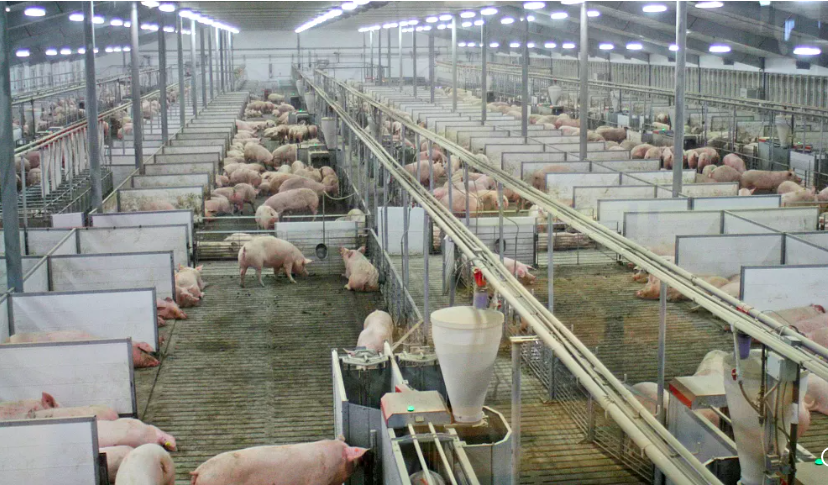
In Legal First, Spanish Court Rules Pig Farm Megapollution Violated Residents’ Human Rights
In a landmark judgment that could reverberate across Europe, the High Court of Galicia has ruled that the megapollution caused by industrial pig farming in northwestern Spain violated residents’ fundamental human rights. This historic verdict, the first of its kind in Spain, recognises that unchecked environmental degradation can amount to a human rights violation, laying the groundwork for similar legal challenges across the continent.
The case was brought by seven residents, supported by the Neighbourhood Association of As Conchas, the Confederation of Users and Consumers (CECU), and environmental NGOs ClientEarth and Friends of the Earth Spain. Their target: decades of pollution from intensive pig and poultry farms in the A Limia region of Galicia—farms that had, according to locals, turned their town into a “dungheap.”
Register for Tekedia Mini-MBA edition 20 (June 8 – Sept 5, 2026).
Register for Tekedia AI in Business Masterclass.
Join Tekedia Capital Syndicate and co-invest in great global startups.
Register for Tekedia AI Lab.
A Community Suffocating Under Industrial Waste
For years, residents of As Conchas in the province of Ourense have battled what they describe as life-threatening conditions: overwhelming odours, algal blooms, and a toxic reservoir so contaminated that locals feared to drink the water, open their windows, or venture outdoors. Many suffered unexplained health complaints, and local businesses were left crippled by the worsening environmental conditions.
The pollution was traced back to hundreds of industrial livestock farms, greenlit by rubber-stamp approvals from local authorities. These operations produced vast amounts of manure and waste runoff, much of which seeped into the soil and waterways, contaminating drinking wells and the As Conchas reservoir.

Scientific evidence presented in court included nitrate contamination levels up to 1,000 times higher than normal, and the presence of antibiotic-resistant bacteria, which the World Health Organisation lists among the top ten global health threats.
“The town has become a dungheap,” said Blanca Ruibal, spokesperson for Friends of the Earth. “This isn’t just pollution—it’s a complete collapse of environmental governance and public health.”
A Historic Legal Victory for Environmental Justice

The court found that both national and regional authorities, including the Xunta de Galicia and the Miño-Sil River Basin Authority, had breached their legal obligations under the Spanish Constitution and European human rights law. Specifically, the ruling affirmed that the state had failed to protect the residents’ rights to life, health, clean water, and a healthy environment.
In its judgment, the court made a powerful statement:
“Human rights and environmental protection are interdependent. A sustainable environment is necessary for the full enjoyment of human rights, including the rights to life, to an adequate standard of living, to drinking water and sanitation, and to development.”
The court ruled that residents were “undeniably experiencing ongoing moral harm” and ordered the authorities to immediately implement corrective measures to eliminate foul odours and reverse the environmental degradation of the As Conchas reservoir and surrounding areas.
Turning the Tide: From Dystopia to Hope
For the people of As Conchas, the ruling is a long-overdue validation of their struggle. Pablo Álvarez Veloso, president of the local neighbourhood association and one of the lead claimants, celebrated the decision:
“After so many years of being ignored by the very institutions meant to protect us, we have finally been heard. This ruling makes us stronger, and we will not stop until our reservoir becomes a place of life again—a place where we can walk, swim, and drink water without fear.”
This ruling signifies not just a legal triumph, but a symbolic one as well. For years, the community’s pleas were met with indifference. Now, they have the law on their side and a court mandate compelling action.
Implications for Europe and Beyond
Legal experts and environmental advocates are calling the ruling a watershed moment in environmental law. For the first time, a European court has drawn a direct link between agricultural pollution and human rights violations, potentially paving the way for replica lawsuits in other regions suffering from the impacts of industrial farming.
“This case proves that governments can be held accountable when they allow pollution to spiral out of control,” said a legal representative from ClientEarth. “Communities across Europe now have a powerful precedent to draw upon when demanding justice and protection from harmful practices.”
What Comes Next?
The court has ordered authorities to take immediate remedial action, though the specifics will unfold in the coming months. This will likely include stricter environmental regulations, water purification efforts, and the establishment of oversight mechanisms to ensure that similar violations are not repeated.
The ruling has also sparked renewed debate about the sustainability of industrial agriculture, especially in the EU, where concerns over animal welfare, land degradation, and public health are increasingly in the spotlight.
Conclusion
The High Court of Galicia's groundbreaking ruling sends a clear message: environmental degradation is not just an ecological issue—it’s a violation of human dignity and rights. For the people of As Conchas, the decision offers hope, justice, and a path forward. For Europe, it sets a bold new precedent in the fight for environmental justice—one in which communities can challenge pollution not just as a nuisance, but as a breach of their most fundamental rights.
Meta Description: In a legal first, a Spanish court rules that pig farm pollution in Galicia violated human rights, setting a precedent for environmental justice cases across Europe.
Uploaded files:Share this:
- Click to share on Facebook (Opens in new window) Facebook
- Click to share on X (Opens in new window) X
- Click to share on WhatsApp (Opens in new window) WhatsApp
- Click to share on LinkedIn (Opens in new window) LinkedIn
- Click to email a link to a friend (Opens in new window) Email
- Click to print (Opens in new window) Print