

Iran, Europe in Urgent Talks as Snapback Sanctions Deadline Approaches

Quote from Alex Bobby on August 24, 2025, 4:06 AM
Iran to Hold Call with Europeans Over Nuclear Programme as Sanctions Deadline Looms
Iran is preparing for a high-stakes diplomatic call with European powers as the deadline to avert the reimposition of United Nations sanctions rapidly approaches. The talks, involving Tehran’s foreign minister and his French, German, and British counterparts, come at a moment of heightened international concern over Iran’s nuclear programme, uranium enrichment levels, and a growing breakdown in trust.
The call, announced Friday by Iran’s state-run IRNA news agency, will also include the European Union’s foreign policy chief Kaja Kallas. It is seen as a last-ditch effort to find common ground before the 31 August deadline, when the three European signatories to the 2015 nuclear deal — formally known as the Joint Comprehensive Plan of Action (JCPOA) — could trigger the “snapback” mechanism that restores previously lifted UN sanctions.
The Stakes: Snapback Sanctions
At the heart of the looming crisis is the snapback clause written into the 2015 nuclear accord. Under this mechanism, any party to the deal can claim Iran is in noncompliance and unilaterally restore UN sanctions that had been lifted as part of the agreement. Crucially, this power expires in October, creating urgency for the Europeans to act now.
If reimposed, these sanctions would isolate Iran further, restricting its access to global markets and deepening its economic struggles. The move would also exacerbate already strained relations between Tehran and Western capitals, potentially hardening Iran’s stance rather than coaxing it back into compliance.
Iran’s Nuclear Progress and International Alarm
European concerns over Iran’s nuclear programme have only intensified in recent months. Before the June conflict with Israel — a 12-day confrontation that saw Israeli strikes hit Iranian nuclear sites — Tehran had already been enriching uranium to levels dangerously close to weapons-grade.
Since then, the situation has worsened. Iran cut off all cooperation with the International Atomic Energy Agency (IAEA), leaving inspectors in the dark about its nuclear activities and the size of its enriched uranium stockpile. Current estimates suggest Iran is enriching to 60% purity, a short technical step away from the 90% required for nuclear weapons.
While Tehran insists its programme remains peaceful, it is now the only non-nuclear-armed state enriching uranium at such levels. Western intelligence agencies and the IAEA assess that Iran had an organised weapons programme until 2003, though Tehran has consistently denied seeking nuclear arms.
European Warning and Growing Distrust
In an 8 August letter, France, Germany, and the UK (the so-called E3) warned Iran that snapback sanctions would be triggered unless Tehran reached a “satisfactory solution” to ongoing nuclear issues. The deadline was set for 31 August, giving Iran just weeks to act.
Years of inconclusive negotiations have left European diplomats increasingly skeptical of Iran’s intentions. They argue that Iran has repeatedly delayed, obfuscated, or reneged on commitments, while continuing to escalate its enrichment levels. For the E3, restoring IAEA access is a non-negotiable step toward rebuilding trust.
Tehran’s Counterarguments
Iran, meanwhile, has framed the current crisis differently. According to Foreign Ministry spokesman Esmail Baghaei, Foreign Minister Abbas Araghchi will use Friday’s call to emphasise the “lifting of unlawful sanctions” and to demand accountability for what Tehran calls “criminal attacks against Iran’s peaceful nuclear facilities.”
This rhetoric reflects a broader Iranian strategy of portraying itself as the victim of international double standards and aggression. Tehran argues that its enrichment is within its rights under the Nuclear Non-Proliferation Treaty and that Western powers are weaponising sanctions rather than respecting diplomacy.
Blame has also been directed at the IAEA. Iranian officials have suggested, without evidence, that the UN nuclear watchdog shares responsibility for June’s conflict with Israel, further undermining prospects for restored cooperation.
The Broader Geopolitical Context
The looming sanctions deadline comes at a time of heightened global instability. The Middle East remains volatile following the Iran-Israel conflict, while great-power rivalries between the United States, China, and Russia complicate international consensus on Iran.
Notably, once the snapback mechanism expires in October, any effort to impose sanctions would require the backing of the UN Security Council — where China and Russia hold veto power. Both nations have at times supported Iran diplomatically and economically, even if they refrained from direct involvement in June’s fighting.
For the Europeans, this adds urgency. Triggering snapback now ensures sanctions cannot be blocked. Waiting until later risks losing leverage altogether.
Economic Pressures and Domestic Implications
For Iran, the economic consequences of renewed sanctions would be severe. Already grappling with high inflation, currency devaluation, and limited oil exports, Tehran faces growing domestic discontent. Snapback sanctions would tighten the noose on trade and finance, further squeezing ordinary Iranians.
This internal pressure complicates the government’s calculations. On one hand, Tehran seeks to project strength and resist Western demands. On the other, avoiding sanctions could alleviate some of the economic pain that fuels unrest.
Looking Ahead
As the deadline approaches, the telephone conference represents one of the last opportunities to avert confrontation. Whether the call produces substantive progress remains uncertain. The Europeans want restored IAEA monitoring and clear de-escalation on enrichment. Iran, however, seeks relief from sanctions and recognition of its right to pursue nuclear technology.
The gulf between these positions is wide, and time is running short. If no compromise is reached by 31 August, the likelihood of sanctions snapping back into place is high. That outcome would further destabilise the Middle East, worsen relations between Iran and the West, and reduce prospects for future diplomacy.
Final Thoughts
The coming days may determine whether diplomacy can still salvage aspects of the 2015 nuclear deal or whether Europe will resort to the heavy hammer of snapback sanctions. With trust eroded and enrichment levels dangerously high, both sides are gambling with the prospect of deeper isolation and instability.
For Iran, the challenge lies in balancing defiance with the economic realities that threaten its own stability. For Europe, the test is whether sanctions will push Tehran back to the negotiating table — or push it further away. Either way, the outcome of these talks will reverberate far beyond Tehran, shaping the future of non-proliferation and regional security for years to come.
Conclusion
The planned call between Iran and European leaders highlights the fragile state of the nuclear deal and the urgency of the moment. With the snapback mechanism set to expire in October, Europe faces a now-or-never decision: enforce compliance through sanctions or risk losing influence over Iran’s nuclear trajectory altogether.
For Iran, the challenge is equally stark — continue defiance at the risk of crippling isolation, or seek a negotiated path that restores trust and economic stability. The next few days may prove decisive, not only for Tehran’s nuclear future but for the broader balance of power in the Middle East.
Meta Description:
Iran will hold a call with European powers as a sanctions deadline nears. With uranium enrichment at 60% and IAEA access cut off, Europe threatens “snapback” sanctions under the 2015 nuclear deal.
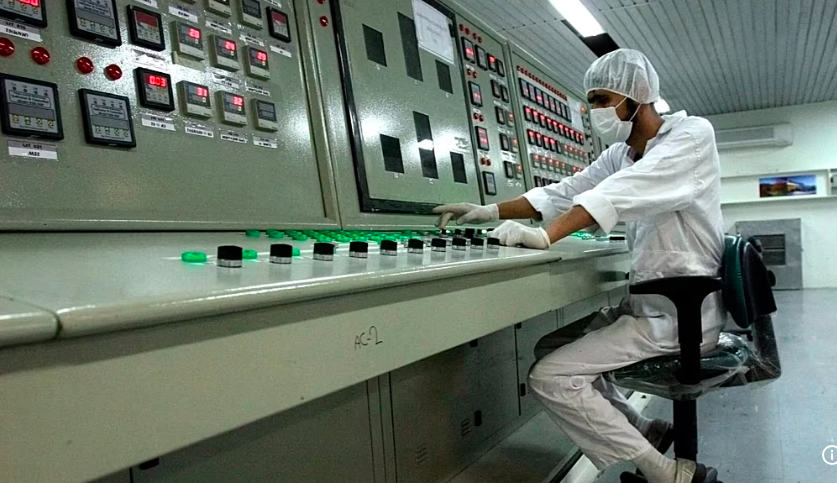
Iran to Hold Call with Europeans Over Nuclear Programme as Sanctions Deadline Looms
Iran is preparing for a high-stakes diplomatic call with European powers as the deadline to avert the reimposition of United Nations sanctions rapidly approaches. The talks, involving Tehran’s foreign minister and his French, German, and British counterparts, come at a moment of heightened international concern over Iran’s nuclear programme, uranium enrichment levels, and a growing breakdown in trust.
The call, announced Friday by Iran’s state-run IRNA news agency, will also include the European Union’s foreign policy chief Kaja Kallas. It is seen as a last-ditch effort to find common ground before the 31 August deadline, when the three European signatories to the 2015 nuclear deal — formally known as the Joint Comprehensive Plan of Action (JCPOA) — could trigger the “snapback” mechanism that restores previously lifted UN sanctions.
Register for Tekedia Mini-MBA edition 20 (June 8 – Sept 5, 2026).
Register for Tekedia AI in Business Masterclass.
Join Tekedia Capital Syndicate and co-invest in great global startups.
Register for Tekedia AI Lab.
The Stakes: Snapback Sanctions
At the heart of the looming crisis is the snapback clause written into the 2015 nuclear accord. Under this mechanism, any party to the deal can claim Iran is in noncompliance and unilaterally restore UN sanctions that had been lifted as part of the agreement. Crucially, this power expires in October, creating urgency for the Europeans to act now.
If reimposed, these sanctions would isolate Iran further, restricting its access to global markets and deepening its economic struggles. The move would also exacerbate already strained relations between Tehran and Western capitals, potentially hardening Iran’s stance rather than coaxing it back into compliance.

Iran’s Nuclear Progress and International Alarm
European concerns over Iran’s nuclear programme have only intensified in recent months. Before the June conflict with Israel — a 12-day confrontation that saw Israeli strikes hit Iranian nuclear sites — Tehran had already been enriching uranium to levels dangerously close to weapons-grade.
Since then, the situation has worsened. Iran cut off all cooperation with the International Atomic Energy Agency (IAEA), leaving inspectors in the dark about its nuclear activities and the size of its enriched uranium stockpile. Current estimates suggest Iran is enriching to 60% purity, a short technical step away from the 90% required for nuclear weapons.

While Tehran insists its programme remains peaceful, it is now the only non-nuclear-armed state enriching uranium at such levels. Western intelligence agencies and the IAEA assess that Iran had an organised weapons programme until 2003, though Tehran has consistently denied seeking nuclear arms.
European Warning and Growing Distrust
In an 8 August letter, France, Germany, and the UK (the so-called E3) warned Iran that snapback sanctions would be triggered unless Tehran reached a “satisfactory solution” to ongoing nuclear issues. The deadline was set for 31 August, giving Iran just weeks to act.
Years of inconclusive negotiations have left European diplomats increasingly skeptical of Iran’s intentions. They argue that Iran has repeatedly delayed, obfuscated, or reneged on commitments, while continuing to escalate its enrichment levels. For the E3, restoring IAEA access is a non-negotiable step toward rebuilding trust.
Tehran’s Counterarguments
Iran, meanwhile, has framed the current crisis differently. According to Foreign Ministry spokesman Esmail Baghaei, Foreign Minister Abbas Araghchi will use Friday’s call to emphasise the “lifting of unlawful sanctions” and to demand accountability for what Tehran calls “criminal attacks against Iran’s peaceful nuclear facilities.”
This rhetoric reflects a broader Iranian strategy of portraying itself as the victim of international double standards and aggression. Tehran argues that its enrichment is within its rights under the Nuclear Non-Proliferation Treaty and that Western powers are weaponising sanctions rather than respecting diplomacy.
Blame has also been directed at the IAEA. Iranian officials have suggested, without evidence, that the UN nuclear watchdog shares responsibility for June’s conflict with Israel, further undermining prospects for restored cooperation.
The Broader Geopolitical Context
The looming sanctions deadline comes at a time of heightened global instability. The Middle East remains volatile following the Iran-Israel conflict, while great-power rivalries between the United States, China, and Russia complicate international consensus on Iran.
Notably, once the snapback mechanism expires in October, any effort to impose sanctions would require the backing of the UN Security Council — where China and Russia hold veto power. Both nations have at times supported Iran diplomatically and economically, even if they refrained from direct involvement in June’s fighting.
For the Europeans, this adds urgency. Triggering snapback now ensures sanctions cannot be blocked. Waiting until later risks losing leverage altogether.
Economic Pressures and Domestic Implications
For Iran, the economic consequences of renewed sanctions would be severe. Already grappling with high inflation, currency devaluation, and limited oil exports, Tehran faces growing domestic discontent. Snapback sanctions would tighten the noose on trade and finance, further squeezing ordinary Iranians.
This internal pressure complicates the government’s calculations. On one hand, Tehran seeks to project strength and resist Western demands. On the other, avoiding sanctions could alleviate some of the economic pain that fuels unrest.
Looking Ahead
As the deadline approaches, the telephone conference represents one of the last opportunities to avert confrontation. Whether the call produces substantive progress remains uncertain. The Europeans want restored IAEA monitoring and clear de-escalation on enrichment. Iran, however, seeks relief from sanctions and recognition of its right to pursue nuclear technology.
The gulf between these positions is wide, and time is running short. If no compromise is reached by 31 August, the likelihood of sanctions snapping back into place is high. That outcome would further destabilise the Middle East, worsen relations between Iran and the West, and reduce prospects for future diplomacy.
Final Thoughts
The coming days may determine whether diplomacy can still salvage aspects of the 2015 nuclear deal or whether Europe will resort to the heavy hammer of snapback sanctions. With trust eroded and enrichment levels dangerously high, both sides are gambling with the prospect of deeper isolation and instability.
For Iran, the challenge lies in balancing defiance with the economic realities that threaten its own stability. For Europe, the test is whether sanctions will push Tehran back to the negotiating table — or push it further away. Either way, the outcome of these talks will reverberate far beyond Tehran, shaping the future of non-proliferation and regional security for years to come.
Conclusion
The planned call between Iran and European leaders highlights the fragile state of the nuclear deal and the urgency of the moment. With the snapback mechanism set to expire in October, Europe faces a now-or-never decision: enforce compliance through sanctions or risk losing influence over Iran’s nuclear trajectory altogether.
For Iran, the challenge is equally stark — continue defiance at the risk of crippling isolation, or seek a negotiated path that restores trust and economic stability. The next few days may prove decisive, not only for Tehran’s nuclear future but for the broader balance of power in the Middle East.
Meta Description:
Iran will hold a call with European powers as a sanctions deadline nears. With uranium enrichment at 60% and IAEA access cut off, Europe threatens “snapback” sanctions under the 2015 nuclear deal.
Share this:
- Click to share on Facebook (Opens in new window) Facebook
- Click to share on X (Opens in new window) X
- Click to share on WhatsApp (Opens in new window) WhatsApp
- Click to share on LinkedIn (Opens in new window) LinkedIn
- Click to email a link to a friend (Opens in new window) Email
- Click to print (Opens in new window) Print