

Israel Plans Mass Relocation of Palestinians to Southern Gaza as Military Offensive Expands

Quote from Alex Bobby on August 18, 2025, 6:59 AM
Israel Prepares to Move Palestinians to Southern Gaza Amid Expanded Military Operations
Israel has announced plans to move large numbers of Palestinians from combat zones in Gaza to the southern part of the enclave, as the government finalises a major new military offensive targeting some of the Strip’s most densely populated areas. The move signals a new phase in the conflict, one that observers say could deepen the already severe humanitarian crisis in Gaza while escalating tensions across the region.
Plans for a Mass Movement of Palestinians
On Saturday, the Israeli military confirmed it was preparing to relocate Palestinians out of “combat and operational zones” in northern Gaza to areas in the south. The announcement was made by The Coordination of Government Activities in the Territories (COGAT), the body overseeing humanitarian coordination. According to COGAT, the supply of tents to Gaza would resume on Sunday in preparation for the movement.
The military did not specify when the relocation would begin or how many people would be affected. However, Israel’s Defence Minister Israel Katz indicated that planning had reached its final stages. In a statement posted to his social media accounts, Katz declared:
“Now we are in the stage of discussions to formulate the plan to defeat Hamas in Gaza and return the hostages, and at their conclusion, there will be a comprehensive and powerful plan to carry out the mission in all it’s aspects.”
This announcement comes just days after Israel’s security cabinet approved plans to occupy Gaza City, a move that Israeli Prime Minister Benjamin Netanyahu has described as essential to Israel’s goal of taking full control of the Gaza Strip.
Expanding Military Operations
Israeli operations in Gaza have continued at an intense pace. On Saturday, medical officials at Nasser Hospital confirmed that an Israeli airstrike killed a baby and her parents in the al-Mawasi area — one of Gaza’s most crowded zones that Israel itself had previously designated as “safe.”
“Two and a half months, what has she done?” asked neighbour Fathi Shubeir, lamenting the death of the infant. “They are civilians in an area designated safe.”
The Israel Defense Forces (IDF) did not directly address the specific strike but reiterated its standard position that its operations are aimed at dismantling Hamas’ military infrastructure and that precautions are taken to avoid civilian casualties.
At least 51 more people were killed in other Israeli strikes across Gaza within the same 24-hour period, according to the Hamas-run Gaza Health Ministry. That ministry estimates that the total death toll in Gaza is nearing 62,000 since Israel launched its offensive in October 2023. The figures do not distinguish between civilians and combatants, but aid agencies and international organisations have consistently warned that the civilian toll is disproportionately high.
The War’s Origins and Continuing Hostage Crisis
The current Israel-Hamas war erupted on October 7, 2023, when Hamas militants launched a surprise attack on southern Israel. The assault killed 1,200 people and saw 251 hostages taken back to Gaza. Nearly two years later, around 50 hostages remain in captivity, with Israeli authorities estimating that about half are still alive.
For Israel, defeating Hamas and recovering the remaining hostages remain central objectives. Netanyahu and his government have repeatedly said that the war will continue until Hamas is dismantled completely. Critics, however, argue that the cost of this goal is falling overwhelmingly on Gaza’s civilian population.
Humanitarian Crisis and UN Condemnation
The planned relocation of Palestinians comes against the backdrop of what the United Nations has called a “man-made” humanitarian catastrophe. More than 90% of Gaza’s 2 million residents are now at risk of starvation, according to UN officials. Aid distribution has been severely hampered by Israel’s restrictions on UN agencies, particularly the UN Relief and Works Agency (UNRWA).
Israel accused UNRWA of employing Hamas members within its ranks, a charge the agency has strongly denied. Regardless, the restrictions have left millions without adequate food or shelter. In response, Israel, with support from the United States, has turned to the US-based Gaza Humanitarian Foundation (GHF) to manage aid distribution. GHF claims to deliver millions of meals each day through its hubs, but humanitarian experts say that figure is nowhere near sufficient to address the scale of the crisis.
The UN has warned that the upcoming mass displacement could worsen the crisis dramatically. Families in Gaza have already endured repeated displacements over the past 22 months, often moving from one devastated area to another with little access to shelter, food, or medical care. The renewed push to relocate civilians southward risks compounding they’re suffering further.
International Reaction
International condemnation of Israel’s approach continues to grow. Aid organisations argue that repeated mass displacements do not provide long-term safety for civilians but instead expose them to fresh risks and trauma. Critics also warn that by targeting densely populated areas like Gaza City, Israel risks creating catastrophic levels of civilian casualties.
The US has maintained strong military and diplomatic support for Israel but has also called for more safeguards to protect Palestinian civilians. European nations and humanitarian groups, meanwhile, have urged Israel to allow unrestricted access for UN agencies, arguing that sidelining established relief organisations has only exacerbated the crisis.
Looking Ahead
As Israel prepares to implement its latest offensive strategy, the question remains whether the mass relocation of Palestinians will achieve its intended goal of separating civilians from combat zones — or whether it will instead deepen the humanitarian disaster.
With Gaza’s infrastructure already decimated, families scattered across makeshift tent camps, and food shortages pushing millions to the brink, any further disruption threatens to push the territory into an even more desperate situation.
For now, the people of Gaza wait anxiously, caught between Israel’s military objectives and a humanitarian system struggling to keep pace with the scale of devastation. With casualties mounting and aid running short, the next phase of the war may prove to be among the most consequential — and deadly — yet.
Conclusion
Israel’s plan to relocate Palestinians from northern combat zones to southern Gaza represents yet another turning point in the war. While the government frames it as a necessary step to defeat Hamas and secure the return of hostages, humanitarian organisations warn that such moves risk worsening an already dire crisis for Gaza’s 2 million residents. With the death toll climbing and international criticism mounting, the next phase of Israel’s offensive raises urgent questions about the balance between military objectives and the human cost of prolonged conflict. Ultimately, the people of Gaza remain at the centre of this struggle, bearing the heaviest burden as the war shows no signs of ending soon.
Meta Description:
Israel has announced plans to relocate Palestinians from northern Gaza to the south as it prepares for an expanded military offensive. The move comes amid rising casualties, UN warnings of a worsening humanitarian crisis, and growing international concern.
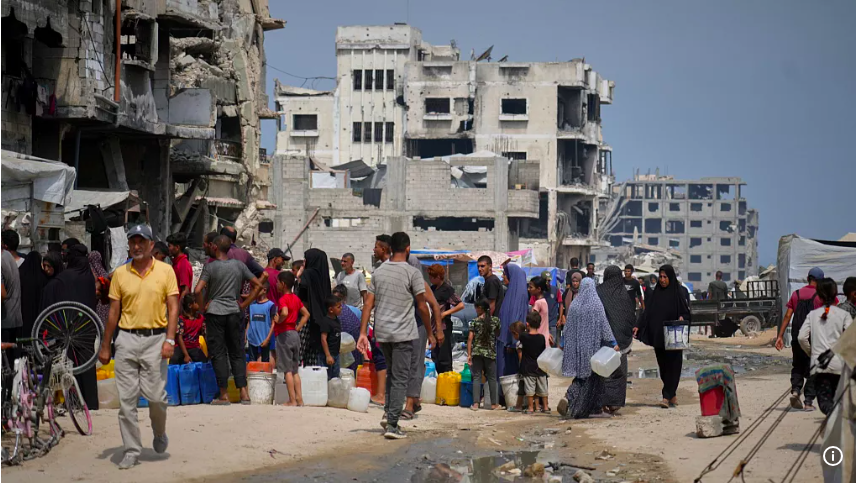
Israel Prepares to Move Palestinians to Southern Gaza Amid Expanded Military Operations
Israel has announced plans to move large numbers of Palestinians from combat zones in Gaza to the southern part of the enclave, as the government finalises a major new military offensive targeting some of the Strip’s most densely populated areas. The move signals a new phase in the conflict, one that observers say could deepen the already severe humanitarian crisis in Gaza while escalating tensions across the region.
Plans for a Mass Movement of Palestinians
Register for Tekedia Mini-MBA edition 20 (June 8 – Sept 5, 2026).
Register for Tekedia AI in Business Masterclass.
Join Tekedia Capital Syndicate and co-invest in great global startups.
Register for Tekedia AI Lab.
On Saturday, the Israeli military confirmed it was preparing to relocate Palestinians out of “combat and operational zones” in northern Gaza to areas in the south. The announcement was made by The Coordination of Government Activities in the Territories (COGAT), the body overseeing humanitarian coordination. According to COGAT, the supply of tents to Gaza would resume on Sunday in preparation for the movement.
The military did not specify when the relocation would begin or how many people would be affected. However, Israel’s Defence Minister Israel Katz indicated that planning had reached its final stages. In a statement posted to his social media accounts, Katz declared:
“Now we are in the stage of discussions to formulate the plan to defeat Hamas in Gaza and return the hostages, and at their conclusion, there will be a comprehensive and powerful plan to carry out the mission in all it’s aspects.”

This announcement comes just days after Israel’s security cabinet approved plans to occupy Gaza City, a move that Israeli Prime Minister Benjamin Netanyahu has described as essential to Israel’s goal of taking full control of the Gaza Strip.
Expanding Military Operations
Israeli operations in Gaza have continued at an intense pace. On Saturday, medical officials at Nasser Hospital confirmed that an Israeli airstrike killed a baby and her parents in the al-Mawasi area — one of Gaza’s most crowded zones that Israel itself had previously designated as “safe.”

“Two and a half months, what has she done?” asked neighbour Fathi Shubeir, lamenting the death of the infant. “They are civilians in an area designated safe.”
The Israel Defense Forces (IDF) did not directly address the specific strike but reiterated its standard position that its operations are aimed at dismantling Hamas’ military infrastructure and that precautions are taken to avoid civilian casualties.
At least 51 more people were killed in other Israeli strikes across Gaza within the same 24-hour period, according to the Hamas-run Gaza Health Ministry. That ministry estimates that the total death toll in Gaza is nearing 62,000 since Israel launched its offensive in October 2023. The figures do not distinguish between civilians and combatants, but aid agencies and international organisations have consistently warned that the civilian toll is disproportionately high.
The War’s Origins and Continuing Hostage Crisis
The current Israel-Hamas war erupted on October 7, 2023, when Hamas militants launched a surprise attack on southern Israel. The assault killed 1,200 people and saw 251 hostages taken back to Gaza. Nearly two years later, around 50 hostages remain in captivity, with Israeli authorities estimating that about half are still alive.
For Israel, defeating Hamas and recovering the remaining hostages remain central objectives. Netanyahu and his government have repeatedly said that the war will continue until Hamas is dismantled completely. Critics, however, argue that the cost of this goal is falling overwhelmingly on Gaza’s civilian population.
Humanitarian Crisis and UN Condemnation
The planned relocation of Palestinians comes against the backdrop of what the United Nations has called a “man-made” humanitarian catastrophe. More than 90% of Gaza’s 2 million residents are now at risk of starvation, according to UN officials. Aid distribution has been severely hampered by Israel’s restrictions on UN agencies, particularly the UN Relief and Works Agency (UNRWA).
Israel accused UNRWA of employing Hamas members within its ranks, a charge the agency has strongly denied. Regardless, the restrictions have left millions without adequate food or shelter. In response, Israel, with support from the United States, has turned to the US-based Gaza Humanitarian Foundation (GHF) to manage aid distribution. GHF claims to deliver millions of meals each day through its hubs, but humanitarian experts say that figure is nowhere near sufficient to address the scale of the crisis.
The UN has warned that the upcoming mass displacement could worsen the crisis dramatically. Families in Gaza have already endured repeated displacements over the past 22 months, often moving from one devastated area to another with little access to shelter, food, or medical care. The renewed push to relocate civilians southward risks compounding they’re suffering further.
International Reaction
International condemnation of Israel’s approach continues to grow. Aid organisations argue that repeated mass displacements do not provide long-term safety for civilians but instead expose them to fresh risks and trauma. Critics also warn that by targeting densely populated areas like Gaza City, Israel risks creating catastrophic levels of civilian casualties.
The US has maintained strong military and diplomatic support for Israel but has also called for more safeguards to protect Palestinian civilians. European nations and humanitarian groups, meanwhile, have urged Israel to allow unrestricted access for UN agencies, arguing that sidelining established relief organisations has only exacerbated the crisis.
Looking Ahead
As Israel prepares to implement its latest offensive strategy, the question remains whether the mass relocation of Palestinians will achieve its intended goal of separating civilians from combat zones — or whether it will instead deepen the humanitarian disaster.
With Gaza’s infrastructure already decimated, families scattered across makeshift tent camps, and food shortages pushing millions to the brink, any further disruption threatens to push the territory into an even more desperate situation.
For now, the people of Gaza wait anxiously, caught between Israel’s military objectives and a humanitarian system struggling to keep pace with the scale of devastation. With casualties mounting and aid running short, the next phase of the war may prove to be among the most consequential — and deadly — yet.
Conclusion
Israel’s plan to relocate Palestinians from northern combat zones to southern Gaza represents yet another turning point in the war. While the government frames it as a necessary step to defeat Hamas and secure the return of hostages, humanitarian organisations warn that such moves risk worsening an already dire crisis for Gaza’s 2 million residents. With the death toll climbing and international criticism mounting, the next phase of Israel’s offensive raises urgent questions about the balance between military objectives and the human cost of prolonged conflict. Ultimately, the people of Gaza remain at the centre of this struggle, bearing the heaviest burden as the war shows no signs of ending soon.
Meta Description:
Israel has announced plans to relocate Palestinians from northern Gaza to the south as it prepares for an expanded military offensive. The move comes amid rising casualties, UN warnings of a worsening humanitarian crisis, and growing international concern.
Share this:
- Click to share on Facebook (Opens in new window) Facebook
- Click to share on X (Opens in new window) X
- Click to share on WhatsApp (Opens in new window) WhatsApp
- Click to share on LinkedIn (Opens in new window) LinkedIn
- Click to email a link to a friend (Opens in new window) Email
- Click to print (Opens in new window) Print