

Jakarta Erupts: Students Clash with Riot Police Over MPs’ Lavish Allowances

Quote from Alex Bobby on August 26, 2025, 4:12 AM
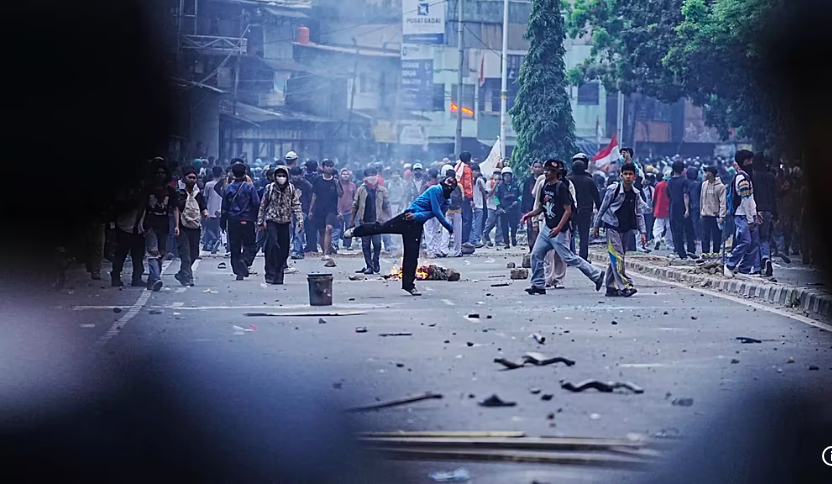
Riot Police and Students Clash During Protest Against MPs' Allowances in Jakarta
Jakarta was brought to a standstill on Monday as thousands of students clashed with riot police outside Indonesia’s Parliament building. The protests, which centerer on the controversial monthly allowances granted to members of the House of Representatives, quickly descended into chaos—tear gas, burning barricades, and blocked toll roads turned the capital into a city under siege.
Anger Over Lavish Allowances
At the heart of the demonstrations is the revelation that Indonesia’s 580 members of parliament (MPs) have been receiving a housing allowance of 50 million rupiah (€2,637) per month since September 2024. For many Indonesians, the number is staggering. It’s not just that the figure is high—it’s that it is more than 20 times the monthly minimum wage in some of the country’s poorest regions.
At a time when millions are struggling with rising food prices, shrinking job opportunities, and stagnant wages, the allowances were seen as an insult. For student activists, this was a tipping point.
“People can barely afford rice and cooking oil, but our lawmakers are pocketing housing benefits bigger than what a whole family earns in a year,” shouted one protester, echoing the general sentiment of frustration that rippled through the capital.
Streets Turn to Battlefields
By midday, thousands of students from major universities in Jakarta and surrounding regions had converged on the Parliament compound. Authorities had already taken pre-emptive measures—blocking all roads leading to Parliament, including several toll roads, creating a gridlock that stretched across the city.
The heavy security presence was impossible to miss. More than 1,200 riot police had been deployed, forming barricades with shields and armored vehicles.
As demonstrators attempted to push through toward Parliament, police responded with volleys of tear gas, forcing students to scatter. Some protesters regrouped and retaliated with stones, bottles, and improvised projectiles. Fires were lit under a flyover near the compound, filling the air with black smoke as sirens wailed in the distance.
For hours, the streets outside Parliament resembled a battlefield. Students, coughing and rubbing their eyes from tear gas, chanted slogans demanding that lawmakers “return the people’s money.” Police, determined to prevent a breach of Parliament, stood their ground.
A Symbol of Distrust
This is not the first time students have taken to the streets in Indonesia, but the protests reflect deeper frustrations with the country’s political establishment. Corruption has long been seen as endemic in Indonesia, where public trust in politicians and the police is chronically low.
Reports that MPs enjoy perks such as lavish allowances and benefits only reinforce the perception of a detached political elite. The housing benefit, critics argue, epitomises this gap between lawmakers and the people they represent.
Activists argue that the 50 million rupiah monthly stipend cannot be justified when much of the population lives on less than the equivalent of €150 per month. “This is not about cost of living adjustments—it’s about greed,” said one activist leader, pointing to the stark inequality the allowance symbolises.
Parliament’s Defense
In response to the backlash, House Speaker Puan Maharani defended the allowance, insisting that the figure had been carefully reviewed and was in line with Jakarta’s rising costs of living.
“The amount has been thoroughly considered and adjusted to current prices in the capital,” Maharani told reporters on Saturday, ahead of the protests.
But this justification has done little to calm public anger. For most Indonesians, the explanation feels hollow, particularly given the perception of widespread corruption within both Parliament and law enforcement.
Economic Reality vs Political Privilege
Indonesia, home to more than 280 million people, is Southeast Asia’s largest economy. Yet economic inequality remains a pressing issue. While Jakarta gleams with skyscrapers, malls, and luxury apartments, vast areas of the country still grapple with poverty and underdevelopment.
The student protests highlight a disconnect: lawmakers continue to argue they need higher allowances to live in the capital comfortably, while ordinary citizens are expected to tighten their belts amid inflation and stagnating wages.
This dissonance has only added fuel to calls for abolishing the allowances altogether. For students and activists, it is not simply about financial figures—it is about the principle of fairness and accountability.
A Long History of Student Protests
Indonesia has a long tradition of student activism. From the fall of Suharto in 1998 to more recent protests against controversial laws, students have often been the driving force behind political change.
Monday’s demonstrations may not immediately lead to a reversal of policy, but they reflect a growing impatience with the political establishment. Many young Indonesians, facing bleak job prospects and rising living costs, feel alienated from leaders who appear more interested in enriching themselves than in serving the public.
What Comes Next?
As of Monday evening, there were no immediate reports of serious injuries, but tensions remain high. Police vowed to maintain their presence around Parliament for as long as necessary, while student groups have promised to return in even greater numbers.
The outcome of this standoff will depend heavily on how Parliament and the government respond. A refusal to address the allowances could escalate unrest, while even a symbolic concession might ease tensions temporarily.
But the bigger question lingers: will this protest be another fleeting episode in Indonesia’s long history of political discontent, or the spark for a broader movement demanding systemic reform?
Looking Forward
As Indonesia’s Parliament digs in to defend the controversial housing allowance, student groups are showing no signs of backing down. More demonstrations are already being planned, with activists calling for broader reforms to curb corruption and restore public trust. Whether the government chooses to engage with protesters or continue to suppress dissent will determine if this unrest fades quickly—or grows into a nationwide movement challenging Indonesia’s political elite.
Conclusion
The clash between riot police and students in Jakarta is about far more than just a housing allowance. It’s a symbol of the widening gap between Indonesia’s political elite and its citizens—a gap defined by inequality, corruption, and mistrust.
As lawmakers defend their perks and students demand accountability, the streets of Jakarta are once again a stage for Indonesia’s most enduring drama: the struggle between power and the people.
Meta Description:
Thousands of students clashed with riot police in Jakarta during protests against MPs’ housing allowances of 50 million rupiah per month. Streets were blocked, tear gas fired, and fires set as anger grows over political privilege amid Indonesia’s economic hardships.
Riot Police and Students Clash During Protest Against MPs' Allowances in Jakarta
Jakarta was brought to a standstill on Monday as thousands of students clashed with riot police outside Indonesia’s Parliament building. The protests, which centerer on the controversial monthly allowances granted to members of the House of Representatives, quickly descended into chaos—tear gas, burning barricades, and blocked toll roads turned the capital into a city under siege.
Anger Over Lavish Allowances
Register for Tekedia Mini-MBA edition 20 (June 8 – Sept 5, 2026).
Register for Tekedia AI in Business Masterclass.
Join Tekedia Capital Syndicate and co-invest in great global startups.
Register for Tekedia AI Lab.
At the heart of the demonstrations is the revelation that Indonesia’s 580 members of parliament (MPs) have been receiving a housing allowance of 50 million rupiah (€2,637) per month since September 2024. For many Indonesians, the number is staggering. It’s not just that the figure is high—it’s that it is more than 20 times the monthly minimum wage in some of the country’s poorest regions.
At a time when millions are struggling with rising food prices, shrinking job opportunities, and stagnant wages, the allowances were seen as an insult. For student activists, this was a tipping point.
“People can barely afford rice and cooking oil, but our lawmakers are pocketing housing benefits bigger than what a whole family earns in a year,” shouted one protester, echoing the general sentiment of frustration that rippled through the capital.

Streets Turn to Battlefields
By midday, thousands of students from major universities in Jakarta and surrounding regions had converged on the Parliament compound. Authorities had already taken pre-emptive measures—blocking all roads leading to Parliament, including several toll roads, creating a gridlock that stretched across the city.
The heavy security presence was impossible to miss. More than 1,200 riot police had been deployed, forming barricades with shields and armored vehicles.

As demonstrators attempted to push through toward Parliament, police responded with volleys of tear gas, forcing students to scatter. Some protesters regrouped and retaliated with stones, bottles, and improvised projectiles. Fires were lit under a flyover near the compound, filling the air with black smoke as sirens wailed in the distance.
For hours, the streets outside Parliament resembled a battlefield. Students, coughing and rubbing their eyes from tear gas, chanted slogans demanding that lawmakers “return the people’s money.” Police, determined to prevent a breach of Parliament, stood their ground.
A Symbol of Distrust
This is not the first time students have taken to the streets in Indonesia, but the protests reflect deeper frustrations with the country’s political establishment. Corruption has long been seen as endemic in Indonesia, where public trust in politicians and the police is chronically low.
Reports that MPs enjoy perks such as lavish allowances and benefits only reinforce the perception of a detached political elite. The housing benefit, critics argue, epitomises this gap between lawmakers and the people they represent.
Activists argue that the 50 million rupiah monthly stipend cannot be justified when much of the population lives on less than the equivalent of €150 per month. “This is not about cost of living adjustments—it’s about greed,” said one activist leader, pointing to the stark inequality the allowance symbolises.
Parliament’s Defense
In response to the backlash, House Speaker Puan Maharani defended the allowance, insisting that the figure had been carefully reviewed and was in line with Jakarta’s rising costs of living.
“The amount has been thoroughly considered and adjusted to current prices in the capital,” Maharani told reporters on Saturday, ahead of the protests.
But this justification has done little to calm public anger. For most Indonesians, the explanation feels hollow, particularly given the perception of widespread corruption within both Parliament and law enforcement.
Economic Reality vs Political Privilege
Indonesia, home to more than 280 million people, is Southeast Asia’s largest economy. Yet economic inequality remains a pressing issue. While Jakarta gleams with skyscrapers, malls, and luxury apartments, vast areas of the country still grapple with poverty and underdevelopment.
The student protests highlight a disconnect: lawmakers continue to argue they need higher allowances to live in the capital comfortably, while ordinary citizens are expected to tighten their belts amid inflation and stagnating wages.
This dissonance has only added fuel to calls for abolishing the allowances altogether. For students and activists, it is not simply about financial figures—it is about the principle of fairness and accountability.
A Long History of Student Protests
Indonesia has a long tradition of student activism. From the fall of Suharto in 1998 to more recent protests against controversial laws, students have often been the driving force behind political change.
Monday’s demonstrations may not immediately lead to a reversal of policy, but they reflect a growing impatience with the political establishment. Many young Indonesians, facing bleak job prospects and rising living costs, feel alienated from leaders who appear more interested in enriching themselves than in serving the public.
What Comes Next?
As of Monday evening, there were no immediate reports of serious injuries, but tensions remain high. Police vowed to maintain their presence around Parliament for as long as necessary, while student groups have promised to return in even greater numbers.
The outcome of this standoff will depend heavily on how Parliament and the government respond. A refusal to address the allowances could escalate unrest, while even a symbolic concession might ease tensions temporarily.
But the bigger question lingers: will this protest be another fleeting episode in Indonesia’s long history of political discontent, or the spark for a broader movement demanding systemic reform?
Looking Forward
As Indonesia’s Parliament digs in to defend the controversial housing allowance, student groups are showing no signs of backing down. More demonstrations are already being planned, with activists calling for broader reforms to curb corruption and restore public trust. Whether the government chooses to engage with protesters or continue to suppress dissent will determine if this unrest fades quickly—or grows into a nationwide movement challenging Indonesia’s political elite.
Conclusion
The clash between riot police and students in Jakarta is about far more than just a housing allowance. It’s a symbol of the widening gap between Indonesia’s political elite and its citizens—a gap defined by inequality, corruption, and mistrust.
As lawmakers defend their perks and students demand accountability, the streets of Jakarta are once again a stage for Indonesia’s most enduring drama: the struggle between power and the people.
Meta Description:
Thousands of students clashed with riot police in Jakarta during protests against MPs’ housing allowances of 50 million rupiah per month. Streets were blocked, tear gas fired, and fires set as anger grows over political privilege amid Indonesia’s economic hardships.
Share this:
- Click to share on Facebook (Opens in new window) Facebook
- Click to share on X (Opens in new window) X
- Click to share on WhatsApp (Opens in new window) WhatsApp
- Click to share on LinkedIn (Opens in new window) LinkedIn
- Click to email a link to a friend (Opens in new window) Email
- Click to print (Opens in new window) Print