

Kenya’s Wildlife at Risk: How Shrinking Habitats Threaten Conservation Gains

Quote from Alex Bobby on March 3, 2025, 10:16 AM
Kenya’s Wildlife Faces Habitat Loss Amid Conservation Gains
As the world commemorates World Wildlife Day, conservationists in Kenya are raising concerns about the shrinking wildlife spaces that threaten the country’s rich biodiversity. Despite significant efforts to recover endangered species over the past two decades, rapid human expansion and climate change are reducing critical habitats. However, experts highlight the potential of wildlife corridors—natural passages connecting fragmented ecosystems—as a promising solution.
Wildlife Conservation in Kenya: Successes and Challenges
Kenya’s abundant wildlife is a cornerstone of its tourism industry, contributing significantly to the economy. Decades of conservation efforts have led to an increase in various species, including elephants, rhinos, and zebras.
Recent wildlife census data reveal positive trends:
- Elephant numbers have risen from 16,000 in the late 1980s to nearly 37,000 in 2024.
- Black rhinos, once on the brink of extinction in Kenya, have grown from fewer than 400 in the 1990s to over 1,000 today.
- Critically endangered Grevy’s zebras now exceed 2,000 individuals, while the lion population has expanded to approximately 2,600.
Despite these gains, conservationists warn that rising wildlife populations must be matched by adequate habitat protection. Rapid urbanisation, human-wildlife conflict, and climate-related disasters—such as wildfires—threaten Kenya’s ecosystems.
The Role of Wildlife Corridors in Protecting Kenya’s Biodiversity
One of the most effective solutions to habitat fragmentation is the establishment of wildlife corridors—stretches of land that allow animals to move freely between habitats while minimising human-wildlife conflict.
In northern Kenya, Lewa Wildlife Conservancy is at the forefront of this initiative. Situated 260 kilometres north of Nairobi, Lewa is home to 14% of Kenya’s remaining black rhinos and other key species, including lions and zebras. The conservancy has been expanding its land holdings to create a wildlife corridor linking the Mount Kenya forest preserve with rangelands in northern Kenya.
“The key challenge is ensuring that as wildlife populations increase, we also provide enough space for them to thrive,” said Dominic Maringa, head of conservation and wildlife at Lewa. He emphasised the importance of proactive planning, particularly in relation to climate change and human-wildlife interactions.
Kenya’s Struggle with Shrinking Wildlife Spaces
Kenya’s human population has surged from 22 million in 1989 to over 55 million in 2025, leading to increased land use for agriculture, settlements, and infrastructure. This rapid expansion has resulted in the fragmentation of key wildlife habitats.
For instance, the Tsavo-Amboseli ecosystem, which is crucial for elephant migration, is under pressure from human encroachment. Similarly, the Kitengela corridor, connecting Nairobi National Park to southern Kenya’s grasslands, is facing severe fragmentation due to real estate development.
Adding to the problem, wildfires have emerged as a growing threat. Since the beginning of 2024, over 180 wildfires have burned more than 1,358 hectares of vegetation, according to the Kenya Forest Service. These fires not only destroy vital habitats but also force wildlife to move into human settlements, increasing conflict.
Government and Conservation Efforts to Protect Wildlife
Kenya Wildlife Service (KWS) is working closely with conservancies like Lewa to implement translocation programs, which involve moving animals from overpopulated areas to less congested habitats. Additionally, KWS is encouraging private landowners to establish wildlife corridors to ensure free animal movement.
Despite these efforts, experts stress that conservation success requires long-term planning and community engagement. Local communities play a crucial role in wildlife conservation, and incentivising them through eco-tourism and sustainable land-use practices can help create a balance between development and environmental protection.
The Future of Kenya’s Wildlife Conservation
The fate of Kenya’s wildlife depends on how effectively the country manages its growing population, land development, and climate challenges. While conservation efforts have produced remarkable results, the battle is far from over. Wildlife corridors, stricter environmental policies, and sustainable urban planning are essential to ensuring that Kenya’s unique biodiversity continues to thrive for future generations.
As the world celebrates World Wildlife Day, Kenya’s conservationists remind us that protecting wildlife is not just about saving individual species—it’s about preserving an entire ecosystem that supports both nature and people.
Conclusion
While Kenya has made significant strides in wildlife conservation, the growing threats of habitat loss due to climate change, human encroachment, and urbanisation pose serious challenges. The success in increasing wildlife populations, particularly of elephants, rhinos, and zebras, highlights the effectiveness of conservation efforts, but it also underscores the urgent need to expand and protect wildlife corridors. Initiatives like those by Lewa Wildlife Conservancy and Kenya Wildlife Service offer hope by ensuring safe animal migration and reducing human-wildlife conflict. However, sustained commitment from the government, conservationists, and local communities is essential to securing Kenya’s wildlife heritage for future generations.
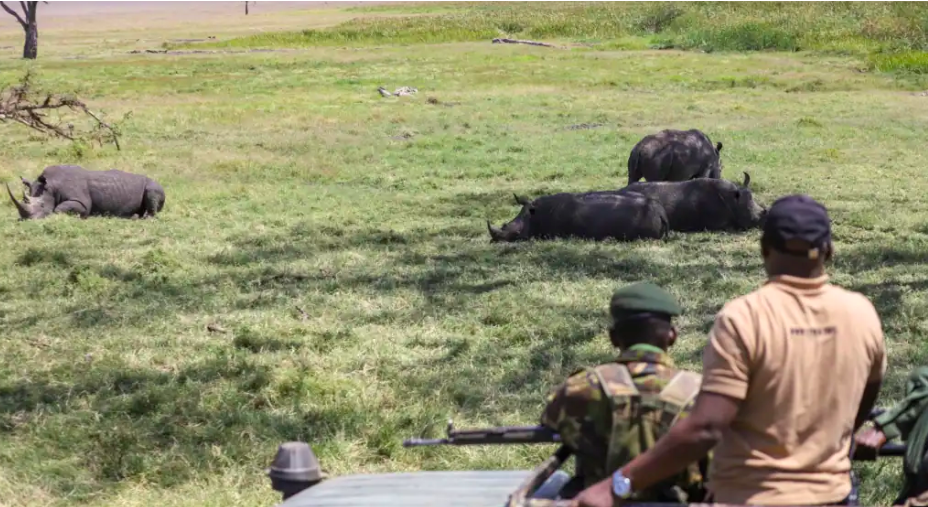
Kenya’s Wildlife Faces Habitat Loss Amid Conservation Gains
As the world commemorates World Wildlife Day, conservationists in Kenya are raising concerns about the shrinking wildlife spaces that threaten the country’s rich biodiversity. Despite significant efforts to recover endangered species over the past two decades, rapid human expansion and climate change are reducing critical habitats. However, experts highlight the potential of wildlife corridors—natural passages connecting fragmented ecosystems—as a promising solution.
Wildlife Conservation in Kenya: Successes and Challenges
Register for Tekedia Mini-MBA edition 20 (June 8 – Sept 5, 2026).
Register for Tekedia AI in Business Masterclass.
Join Tekedia Capital Syndicate and co-invest in great global startups.
Register for Tekedia AI Lab.
Kenya’s abundant wildlife is a cornerstone of its tourism industry, contributing significantly to the economy. Decades of conservation efforts have led to an increase in various species, including elephants, rhinos, and zebras.
Recent wildlife census data reveal positive trends:
- Elephant numbers have risen from 16,000 in the late 1980s to nearly 37,000 in 2024.
- Black rhinos, once on the brink of extinction in Kenya, have grown from fewer than 400 in the 1990s to over 1,000 today.
- Critically endangered Grevy’s zebras now exceed 2,000 individuals, while the lion population has expanded to approximately 2,600.
Despite these gains, conservationists warn that rising wildlife populations must be matched by adequate habitat protection. Rapid urbanisation, human-wildlife conflict, and climate-related disasters—such as wildfires—threaten Kenya’s ecosystems.

The Role of Wildlife Corridors in Protecting Kenya’s Biodiversity
One of the most effective solutions to habitat fragmentation is the establishment of wildlife corridors—stretches of land that allow animals to move freely between habitats while minimising human-wildlife conflict.
In northern Kenya, Lewa Wildlife Conservancy is at the forefront of this initiative. Situated 260 kilometres north of Nairobi, Lewa is home to 14% of Kenya’s remaining black rhinos and other key species, including lions and zebras. The conservancy has been expanding its land holdings to create a wildlife corridor linking the Mount Kenya forest preserve with rangelands in northern Kenya.

“The key challenge is ensuring that as wildlife populations increase, we also provide enough space for them to thrive,” said Dominic Maringa, head of conservation and wildlife at Lewa. He emphasised the importance of proactive planning, particularly in relation to climate change and human-wildlife interactions.
Kenya’s Struggle with Shrinking Wildlife Spaces
Kenya’s human population has surged from 22 million in 1989 to over 55 million in 2025, leading to increased land use for agriculture, settlements, and infrastructure. This rapid expansion has resulted in the fragmentation of key wildlife habitats.
For instance, the Tsavo-Amboseli ecosystem, which is crucial for elephant migration, is under pressure from human encroachment. Similarly, the Kitengela corridor, connecting Nairobi National Park to southern Kenya’s grasslands, is facing severe fragmentation due to real estate development.
Adding to the problem, wildfires have emerged as a growing threat. Since the beginning of 2024, over 180 wildfires have burned more than 1,358 hectares of vegetation, according to the Kenya Forest Service. These fires not only destroy vital habitats but also force wildlife to move into human settlements, increasing conflict.
Government and Conservation Efforts to Protect Wildlife
Kenya Wildlife Service (KWS) is working closely with conservancies like Lewa to implement translocation programs, which involve moving animals from overpopulated areas to less congested habitats. Additionally, KWS is encouraging private landowners to establish wildlife corridors to ensure free animal movement.
Despite these efforts, experts stress that conservation success requires long-term planning and community engagement. Local communities play a crucial role in wildlife conservation, and incentivising them through eco-tourism and sustainable land-use practices can help create a balance between development and environmental protection.
The Future of Kenya’s Wildlife Conservation
The fate of Kenya’s wildlife depends on how effectively the country manages its growing population, land development, and climate challenges. While conservation efforts have produced remarkable results, the battle is far from over. Wildlife corridors, stricter environmental policies, and sustainable urban planning are essential to ensuring that Kenya’s unique biodiversity continues to thrive for future generations.
As the world celebrates World Wildlife Day, Kenya’s conservationists remind us that protecting wildlife is not just about saving individual species—it’s about preserving an entire ecosystem that supports both nature and people.
Conclusion
While Kenya has made significant strides in wildlife conservation, the growing threats of habitat loss due to climate change, human encroachment, and urbanisation pose serious challenges. The success in increasing wildlife populations, particularly of elephants, rhinos, and zebras, highlights the effectiveness of conservation efforts, but it also underscores the urgent need to expand and protect wildlife corridors. Initiatives like those by Lewa Wildlife Conservancy and Kenya Wildlife Service offer hope by ensuring safe animal migration and reducing human-wildlife conflict. However, sustained commitment from the government, conservationists, and local communities is essential to securing Kenya’s wildlife heritage for future generations.
Uploaded files:Share this:
- Click to share on Facebook (Opens in new window) Facebook
- Click to share on X (Opens in new window) X
- Click to share on WhatsApp (Opens in new window) WhatsApp
- Click to share on LinkedIn (Opens in new window) LinkedIn
- Click to email a link to a friend (Opens in new window) Email
- Click to print (Opens in new window) Print