

Libya Launches Probe After Rocket Strike Near UN Mission in Janzour

Quote from Alex Bobby on August 23, 2025, 4:06 AM
Libya Announces Probe After Russian-Made Rocket Hits Near UN Mission in Janzour
Libya’s fragile security situation was thrust into the international spotlight this week after a rocket struck near the United Nations mission headquarters in Janzour, a coastal suburb west of Tripoli. The attack, which took place late on Thursday, did not cause casualties but has raised serious concerns about the risks facing international organizations operating in the country.
The incident occurred as the UN’s special envoy to Libya, Hanna Tetteh, was briefing the Security Council on the North African nation’s ongoing political crisis. In a chilling coincidence, the rocket landed near the UN compound just as Tetteh outlined her roadmap for Libya’s path toward peace, underscoring the instability that continues to plague the country more than a decade after the fall of longtime leader Muammar Gaddafi.
Details of the Attack
According to the UN mission in Libya (UNSMIL), a Russian-made SPG rocket was fired toward the compound in Janzour, located just 12 kilometers west of the capital, Tripoli. While the headquarters itself was not impacted, the rocket struck a nearby civilian house. Fortunately, no injuries or fatalities were reported.
Libya’s Tripoli-based Interior Ministry described the incident as a foiled attempt to deliberately target the UN mission. Security forces later discovered a vehicle containing two more rockets of the same type and their launcher, preventing what could have been an even more devastating attack.
In a statement, the ministry pledged to launch a full investigation into the incident, promising accountability and enhanced measures to ensure the safety of diplomatic and international missions operating in the country.
UN Response
The United Nations condemned the attack and confirmed that its staff were safe. In its statement, UNSMIL emphasized that attempts to intimidate or obstruct the work of the international mission would not derail its mandate in Libya.
The timing of the rocket strike carried symbolic weight. Even as the UN envoy, Hanna Tetteh, briefed the Security Council remotely, she outlined a detailed roadmap for stabilizing Libya: the formation of a new unified government capable of steering the country toward credible elections while ensuring effective governance.
“We are convinced that the political process should focus on guaranteeing general elections and the unification of institutions through a sequenced approach,” Tetteh told the council. Her call for unity underscored the deep political divides that continue to paralyze the country.
A Nation Divided
Since the 2011 NATO-backed uprising that toppled and killed Muammar Gaddafi, Libya has been mired in turmoil. Rival administrations, backed by competing armed groups and foreign powers, have divided the country into eastern and western spheres of influence.
Currently, Libya is split between two main governments:
- In the west: Prime Minister Abdulhamid Dbeibah leads the internationally recognized Government of National Unity (GNU), based in Tripoli.
- In the east: A parallel administration led by Prime Minister Ossama Hammad operates under the support of military strongman Khalifa Haftar.
Both governments claim legitimacy, and repeated international efforts to reconcile the factions have failed to produce lasting unity. This fractured political landscape has allowed militias, smuggling networks, and foreign actors to operate with impunity, further destabilizing the state.
Symbolism of the Rocket Strike
The attempted attack on the UN compound illustrates the volatility of Libya’s western region, long considered a stronghold of militia groups with shifting allegiances. While no group has claimed responsibility for the rocket, the discovery of additional weapons suggests the incident may have been part of a larger plan.
For many observers, the timing is emblematic: even as the UN lays out a plan for reconciliation, actors opposed to compromise continue to sow chaos. It highlights the obstacles facing international mediators and underscores the precarious environment in which they operate.
The Roadmap Ahead
The UN has consistently argued that Libya’s stability hinges on unifying institutions and holding long-delayed elections. Elections scheduled for December 2021 collapsed amid disputes over candidate eligibility and election laws. Since then, progress has been stalled, with both rival governments reluctant to cede power.
Hanna Tetteh’s roadmap emphasizes the importance of creating a transitional authority capable of:
- Organizing credible and inclusive elections.
- Managing state functions transparently.
- Rebuilding public trust in institutions weakened by years of corruption and mismanagement.
International analysts warn, however, that without security guarantees, the political process will remain vulnerable to disruption — as Thursday’s rocket attack demonstrated.
Regional and International Stakes
Libya’s instability has wide-reaching consequences for North Africa and beyond. Its Mediterranean coastline makes it a key departure point for migrants attempting to cross into Europe, while its vast oil reserves remain a prize for competing factions and foreign backers.
Countries including Turkey, Russia, Egypt, and the United Arab Emirates have all intervened, backing different sides of the conflict with money, weapons, and military support. This foreign involvement has fueled Libya’s fragmentation, complicating efforts by the UN and international community to broker peace.
For the UN, ensuring the safety of its mission in Libya is not only about protecting staff but also about safeguarding its ability to mediate in one of the world’s most intractable conflicts.
Looking Forward
The investigation into the attempted rocket attack near the UN mission in Janzour will be closely watched, not only for accountability but also as a test of the Tripoli-based government’s ability to secure its capital and reassure international partners. Yet the broader challenge remains unchanged: unifying Libya’s fractured political landscape and steering the country toward credible elections. For the UN, the task ahead is daunting, but Thursday’s events highlight why renewed commitment is essential. Without stability and cooperation, Libya risks remaining trapped in a cycle of division and violence that undermines both regional security and its own citizens’ future.
final thoughts
Libya’s future hinges not only on the outcome of investigations into attacks like the one in Janzour but on the willingness of its rival factions to prioritize unity over division. Until then, peace will remain elusive, and the risks to civilians and international actors alike will persist.
Conclusion
The rocket strike near the UN mission in Janzour is a stark reminder of Libya’s fragility. Though no lives were lost, the attempted attack underscores the dangers faced by international staff and civilians alike in a country still struggling to emerge from the shadow of conflict.
For Libyans, it raises the question of how long the cycle of division and violence can continue before meaningful reconciliation is achieved. For the UN and international community, it signals the urgency of supporting a political process that delivers stability, security, and unity.
As investigations into the incident proceed, one fact is clear: peace in Libya remains precarious, and the path forward will require resilience, compromise, and unwavering international engagement.
Meta Description:
Libya has announced an investigation after a Russian-made rocket struck near the UN mission in Janzour, raising fresh concerns over security as the UN pushes for elections and political unity.
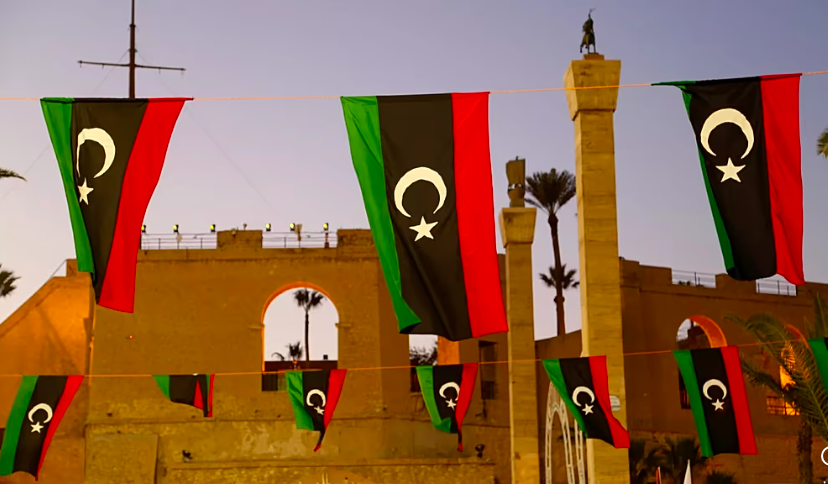
Libya Announces Probe After Russian-Made Rocket Hits Near UN Mission in Janzour
Libya’s fragile security situation was thrust into the international spotlight this week after a rocket struck near the United Nations mission headquarters in Janzour, a coastal suburb west of Tripoli. The attack, which took place late on Thursday, did not cause casualties but has raised serious concerns about the risks facing international organizations operating in the country.
The incident occurred as the UN’s special envoy to Libya, Hanna Tetteh, was briefing the Security Council on the North African nation’s ongoing political crisis. In a chilling coincidence, the rocket landed near the UN compound just as Tetteh outlined her roadmap for Libya’s path toward peace, underscoring the instability that continues to plague the country more than a decade after the fall of longtime leader Muammar Gaddafi.
Register for Tekedia Mini-MBA edition 20 (June 8 – Sept 5, 2026).
Register for Tekedia AI in Business Masterclass.
Join Tekedia Capital Syndicate and co-invest in great global startups.
Register for Tekedia AI Lab.
Details of the Attack
According to the UN mission in Libya (UNSMIL), a Russian-made SPG rocket was fired toward the compound in Janzour, located just 12 kilometers west of the capital, Tripoli. While the headquarters itself was not impacted, the rocket struck a nearby civilian house. Fortunately, no injuries or fatalities were reported.
Libya’s Tripoli-based Interior Ministry described the incident as a foiled attempt to deliberately target the UN mission. Security forces later discovered a vehicle containing two more rockets of the same type and their launcher, preventing what could have been an even more devastating attack.

In a statement, the ministry pledged to launch a full investigation into the incident, promising accountability and enhanced measures to ensure the safety of diplomatic and international missions operating in the country.
UN Response
The United Nations condemned the attack and confirmed that its staff were safe. In its statement, UNSMIL emphasized that attempts to intimidate or obstruct the work of the international mission would not derail its mandate in Libya.

The timing of the rocket strike carried symbolic weight. Even as the UN envoy, Hanna Tetteh, briefed the Security Council remotely, she outlined a detailed roadmap for stabilizing Libya: the formation of a new unified government capable of steering the country toward credible elections while ensuring effective governance.
“We are convinced that the political process should focus on guaranteeing general elections and the unification of institutions through a sequenced approach,” Tetteh told the council. Her call for unity underscored the deep political divides that continue to paralyze the country.
A Nation Divided
Since the 2011 NATO-backed uprising that toppled and killed Muammar Gaddafi, Libya has been mired in turmoil. Rival administrations, backed by competing armed groups and foreign powers, have divided the country into eastern and western spheres of influence.
Currently, Libya is split between two main governments:
- In the west: Prime Minister Abdulhamid Dbeibah leads the internationally recognized Government of National Unity (GNU), based in Tripoli.
- In the east: A parallel administration led by Prime Minister Ossama Hammad operates under the support of military strongman Khalifa Haftar.
Both governments claim legitimacy, and repeated international efforts to reconcile the factions have failed to produce lasting unity. This fractured political landscape has allowed militias, smuggling networks, and foreign actors to operate with impunity, further destabilizing the state.
Symbolism of the Rocket Strike
The attempted attack on the UN compound illustrates the volatility of Libya’s western region, long considered a stronghold of militia groups with shifting allegiances. While no group has claimed responsibility for the rocket, the discovery of additional weapons suggests the incident may have been part of a larger plan.
For many observers, the timing is emblematic: even as the UN lays out a plan for reconciliation, actors opposed to compromise continue to sow chaos. It highlights the obstacles facing international mediators and underscores the precarious environment in which they operate.
The Roadmap Ahead
The UN has consistently argued that Libya’s stability hinges on unifying institutions and holding long-delayed elections. Elections scheduled for December 2021 collapsed amid disputes over candidate eligibility and election laws. Since then, progress has been stalled, with both rival governments reluctant to cede power.
Hanna Tetteh’s roadmap emphasizes the importance of creating a transitional authority capable of:
- Organizing credible and inclusive elections.
- Managing state functions transparently.
- Rebuilding public trust in institutions weakened by years of corruption and mismanagement.
International analysts warn, however, that without security guarantees, the political process will remain vulnerable to disruption — as Thursday’s rocket attack demonstrated.
Regional and International Stakes
Libya’s instability has wide-reaching consequences for North Africa and beyond. Its Mediterranean coastline makes it a key departure point for migrants attempting to cross into Europe, while its vast oil reserves remain a prize for competing factions and foreign backers.
Countries including Turkey, Russia, Egypt, and the United Arab Emirates have all intervened, backing different sides of the conflict with money, weapons, and military support. This foreign involvement has fueled Libya’s fragmentation, complicating efforts by the UN and international community to broker peace.
For the UN, ensuring the safety of its mission in Libya is not only about protecting staff but also about safeguarding its ability to mediate in one of the world’s most intractable conflicts.
Looking Forward
The investigation into the attempted rocket attack near the UN mission in Janzour will be closely watched, not only for accountability but also as a test of the Tripoli-based government’s ability to secure its capital and reassure international partners. Yet the broader challenge remains unchanged: unifying Libya’s fractured political landscape and steering the country toward credible elections. For the UN, the task ahead is daunting, but Thursday’s events highlight why renewed commitment is essential. Without stability and cooperation, Libya risks remaining trapped in a cycle of division and violence that undermines both regional security and its own citizens’ future.
final thoughts
Libya’s future hinges not only on the outcome of investigations into attacks like the one in Janzour but on the willingness of its rival factions to prioritize unity over division. Until then, peace will remain elusive, and the risks to civilians and international actors alike will persist.
Conclusion
The rocket strike near the UN mission in Janzour is a stark reminder of Libya’s fragility. Though no lives were lost, the attempted attack underscores the dangers faced by international staff and civilians alike in a country still struggling to emerge from the shadow of conflict.
For Libyans, it raises the question of how long the cycle of division and violence can continue before meaningful reconciliation is achieved. For the UN and international community, it signals the urgency of supporting a political process that delivers stability, security, and unity.
As investigations into the incident proceed, one fact is clear: peace in Libya remains precarious, and the path forward will require resilience, compromise, and unwavering international engagement.
Meta Description:
Libya has announced an investigation after a Russian-made rocket struck near the UN mission in Janzour, raising fresh concerns over security as the UN pushes for elections and political unity.
Share this:
- Click to share on Facebook (Opens in new window) Facebook
- Click to share on X (Opens in new window) X
- Click to share on WhatsApp (Opens in new window) WhatsApp
- Click to share on LinkedIn (Opens in new window) LinkedIn
- Click to email a link to a friend (Opens in new window) Email
- Click to print (Opens in new window) Print