

Lithuania Opens “Lost Shtetl” Museum Honouring Pre-WWII Jewish Life

Quote from Alex Bobby on September 22, 2025, 8:25 AM
Lithuania Opens “Lost Shtetl” Museum Commemorating Pre-WWII Jewish Life
Lithuania has taken a historic step in preserving the memory of its Jewish communities with the opening of the “Lost Shtetl” museum, a sprawling complex dedicated to the lives, culture, and tragic destruction of Lithuanian Jews during the Second World War. With the loss of between 90 and 95% of its Jewish population during the Holocaust, Lithuania was one of the most devastated countries in Europe in terms of Jewish life. Now, through the Lost Shtetl museum, visitors can engage with this history in a profoundly immersive way.
Preserving a Vanished World
The museum spans 3,000 square meters, making it the largest Jewish heritage museum in the Baltic states. Its creation was inspired by Šeduva, a small northern Lithuanian town that was home to around 700 Jewish residents before the Nazi occupation in 1941. The community there, like thousands of others across Lithuania, was destroyed during the Holocaust.
In August 1941, the residents of Šeduva were forced into nearby forests—Pakuteniai and Liaudiškiai—where they were systematically murdered. Only a few survived, including those who had escaped prior to the killings or had been sheltered by compassionate local Lithuanians. The museum seeks to bring their stories, and the stories of those lost, back to life for future generations.
From Personal Roots to Public History
The project was partially funded by a descendant of a Jewish family tracing its roots to Šeduva, who chose to remain anonymous. What began as a modest effort to preserve a local Jewish cemetery grew into a museum complex that now houses 10 thematic exhibitions spanning multiple eras of Jewish history in Lithuania.
The museum was brought to life through collaboration with writer Sergejus Kanovičius, the Switzerland-based FSU Education Association, and contributions from 36 companies across eight countries. Together, these partners helped transform the vision of the Lost Shtetl into a tangible, educational, and deeply moving experience for the public.
Exhibitions Spanning History and Memory
The Lost Shtetl museum tells the story of Lithuanian Jewish life across centuries. Exhibits explore the “Golden Age” of the interwar period, when Jewish communities thrived culturally, economically, and socially, often living side by side with Lithuanian neighbours in tight-knit shtetls. Artefacts, photographs, and personal testimonies paint a vivid picture of this vibrant life, highlighting daily routines, religious practices, and communal traditions.
Among the items on display are Torah scrolls, a young girl’s memoir, and photographs from the era, all of which provide tangible links to the people who once lived in these communities. The museum also addresses the turbulent years of occupation, detailing how both Nazi and Soviet regimes contributed to the destruction and erasure of Jewish life in Lithuania.
A Path of Reflection and Immersion
Perhaps the most striking feature of the museum is the multi-sensory “path of death”, which guides visitors through a recreation of the final moments of Šeduva’s Jewish inhabitants. The installation uses glass floors to simulate walking over a forest, beneath which the forest floor is visible.
As visitors move down a dark corridor, they experience the sounds of the woods, the scents of the forest, and documentary footage from the Šiauliai ghetto. This immersive exhibit is designed not just to educate, but to evoke empathy and reflection, reminding visitors that the atrocities committed were deeply human and personal, not abstract history.
The path of death exemplifies the museum’s broader mission: to ensure that the memory of Lithuania’s Jewish communities is preserved in a way that is both respectful and impactful, offering a stark reminder of the consequences of intolerance, hatred, and indifference.
International Collaboration
The Lost Shtetl project is remarkable not only for its scale but also for its international collaboration. The participation of companies from across the globe, along with diaspora contributions, underscores the collective commitment to preserving Jewish heritage.
This approach reflects a growing understanding that cultural memory and historical reckoning are not confined by national borders. By engaging international partners, the museum amplifies the message that the lessons off the Holocaust resonate worldwide and require a global effort to preserve.
A Year of Free Access
The museum officially opened to the public on 20 September 2025 and will offer free admission for one year, although reservations are required. This decision ensures that a broad audience can engage with the exhibits and that schools, researchers, and families have the opportunity to learn from Lithuania’s Jewish heritage.
Through these efforts, the Lost Shtetl museum becomes more than a memorial; it is a living educational space, encouraging dialogue, reflection, and understanding about the past while fostering awareness of contemporary issues related to intolerance and human rights.
Honouring a Lost Community
Lithuania’s Jewish population was nearly eradicated during the Holocaust, with communities like Šeduva entirely wiped out. The Lost Shtetl museum provides a means to honour those who were lost, to preserve their stories, and to celebrate the culture and traditions that were destroyed.
By combining historical scholarship, personal narratives, artefacts, and immersive experiences, the museum ensures that the memory of Lithuanian Jews is not relegated to the past. Instead, it becomes an enduring testament to resilience, remembrance, and the importance of cultural preservation.
Looking Forward
As the Lost Shtetl museum opens its doors to the public, Lithuania is setting a precedent for Holocaust remembrance and cultural preservation in the Baltic region. Over the next year, with free admission and carefully curated exhibitions, the museum will provide schools, researchers, and visitors worldwide the opportunity to engage deeply with Jewish history.
Looking ahead, the museum is poised to become a hub for education, dialogue, and international collaboration, inspiring other nations to preserve and honour the histories of communities that have been lost. By connecting past atrocities to present-day lessons, the Lost Shtetl ensures that the memory of Lithuania’s Jewish population continues to resonate for generations to come.
Final Thoughts
The Lost Shtetl museum is more than a historical exhibit—it is a testament to memory, resilience, and cultural preservation. By recreating the life and tragic destruction of Lithuania’s Jewish communities, the museum provides visitors with an immersive and deeply human perspective on a past that might otherwise be forgotten.
Through its exhibitions, personal testimonies, and sensory experiences, the museum not only honours those who were lost but also encourages reflection on the enduring consequences of intolerance and hatred. Lithuania’s initiative reminds the world that remembering history is essential, not only too honour those who came before but to guide future generations toward empathy, understanding, and the protection of human rights.
Conclusion
The Lost Shtetl museum stands as a powerful reminder of the lives destroyed during the Holocaust and the vibrant communities that existed before the war. Through immersive exhibitions, historical artefacts, and deeply personal stories, visitors can engage with Lithuania’s Jewish heritage in a way that is both educational and profoundly moving.
By opening its doors to the public and making the museum accessible for free for a year, Lithuania has created not only a centre of historical remembrance but also a space for reflection and dialogue about the past’s ongoing relevance. The Lost Shtetl ensures that the memory of those who lived, suffered, and perished is preserved, offering future generations a chance to learn, empathise, and honour the legacy of Lithuania’s Jewish communities.
Meta Description:
Lithuania has opened the Lost Shtetl museum, recreating Jewish life before the Holocaust. The museum features immersive exhibits, personal testimonies, and artefacts preserving the history of communities destroyed during WWII.
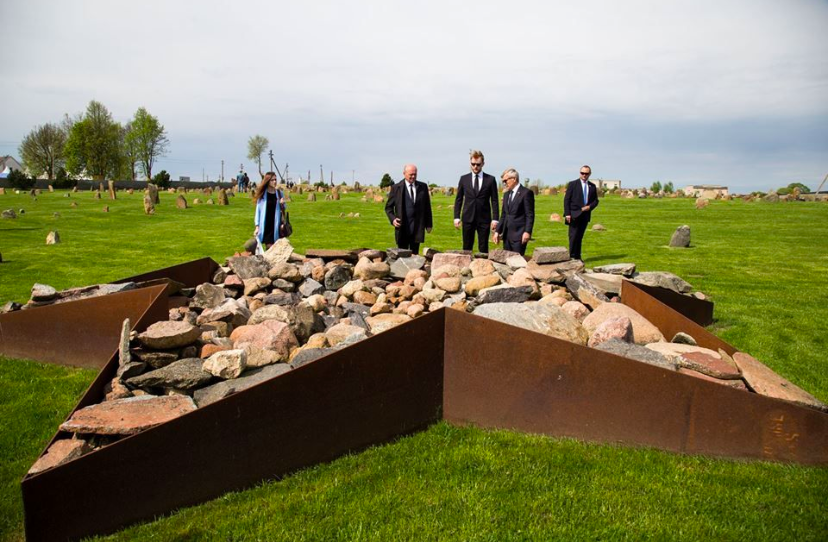
Lithuania Opens “Lost Shtetl” Museum Commemorating Pre-WWII Jewish Life
Lithuania has taken a historic step in preserving the memory of its Jewish communities with the opening of the “Lost Shtetl” museum, a sprawling complex dedicated to the lives, culture, and tragic destruction of Lithuanian Jews during the Second World War. With the loss of between 90 and 95% of its Jewish population during the Holocaust, Lithuania was one of the most devastated countries in Europe in terms of Jewish life. Now, through the Lost Shtetl museum, visitors can engage with this history in a profoundly immersive way.
Preserving a Vanished World
Register for Tekedia Mini-MBA edition 20 (June 8 – Sept 5, 2026).
Register for Tekedia AI in Business Masterclass.
Join Tekedia Capital Syndicate and co-invest in great global startups.
Register for Tekedia AI Lab.
The museum spans 3,000 square meters, making it the largest Jewish heritage museum in the Baltic states. Its creation was inspired by Šeduva, a small northern Lithuanian town that was home to around 700 Jewish residents before the Nazi occupation in 1941. The community there, like thousands of others across Lithuania, was destroyed during the Holocaust.
In August 1941, the residents of Šeduva were forced into nearby forests—Pakuteniai and Liaudiškiai—where they were systematically murdered. Only a few survived, including those who had escaped prior to the killings or had been sheltered by compassionate local Lithuanians. The museum seeks to bring their stories, and the stories of those lost, back to life for future generations.
From Personal Roots to Public History

The project was partially funded by a descendant of a Jewish family tracing its roots to Šeduva, who chose to remain anonymous. What began as a modest effort to preserve a local Jewish cemetery grew into a museum complex that now houses 10 thematic exhibitions spanning multiple eras of Jewish history in Lithuania.
The museum was brought to life through collaboration with writer Sergejus Kanovičius, the Switzerland-based FSU Education Association, and contributions from 36 companies across eight countries. Together, these partners helped transform the vision of the Lost Shtetl into a tangible, educational, and deeply moving experience for the public.
Exhibitions Spanning History and Memory

The Lost Shtetl museum tells the story of Lithuanian Jewish life across centuries. Exhibits explore the “Golden Age” of the interwar period, when Jewish communities thrived culturally, economically, and socially, often living side by side with Lithuanian neighbours in tight-knit shtetls. Artefacts, photographs, and personal testimonies paint a vivid picture of this vibrant life, highlighting daily routines, religious practices, and communal traditions.
Among the items on display are Torah scrolls, a young girl’s memoir, and photographs from the era, all of which provide tangible links to the people who once lived in these communities. The museum also addresses the turbulent years of occupation, detailing how both Nazi and Soviet regimes contributed to the destruction and erasure of Jewish life in Lithuania.
A Path of Reflection and Immersion
Perhaps the most striking feature of the museum is the multi-sensory “path of death”, which guides visitors through a recreation of the final moments of Šeduva’s Jewish inhabitants. The installation uses glass floors to simulate walking over a forest, beneath which the forest floor is visible.
As visitors move down a dark corridor, they experience the sounds of the woods, the scents of the forest, and documentary footage from the Šiauliai ghetto. This immersive exhibit is designed not just to educate, but to evoke empathy and reflection, reminding visitors that the atrocities committed were deeply human and personal, not abstract history.
The path of death exemplifies the museum’s broader mission: to ensure that the memory of Lithuania’s Jewish communities is preserved in a way that is both respectful and impactful, offering a stark reminder of the consequences of intolerance, hatred, and indifference.
International Collaboration
The Lost Shtetl project is remarkable not only for its scale but also for its international collaboration. The participation of companies from across the globe, along with diaspora contributions, underscores the collective commitment to preserving Jewish heritage.
This approach reflects a growing understanding that cultural memory and historical reckoning are not confined by national borders. By engaging international partners, the museum amplifies the message that the lessons off the Holocaust resonate worldwide and require a global effort to preserve.
A Year of Free Access
The museum officially opened to the public on 20 September 2025 and will offer free admission for one year, although reservations are required. This decision ensures that a broad audience can engage with the exhibits and that schools, researchers, and families have the opportunity to learn from Lithuania’s Jewish heritage.
Through these efforts, the Lost Shtetl museum becomes more than a memorial; it is a living educational space, encouraging dialogue, reflection, and understanding about the past while fostering awareness of contemporary issues related to intolerance and human rights.
Honouring a Lost Community
Lithuania’s Jewish population was nearly eradicated during the Holocaust, with communities like Šeduva entirely wiped out. The Lost Shtetl museum provides a means to honour those who were lost, to preserve their stories, and to celebrate the culture and traditions that were destroyed.
By combining historical scholarship, personal narratives, artefacts, and immersive experiences, the museum ensures that the memory of Lithuanian Jews is not relegated to the past. Instead, it becomes an enduring testament to resilience, remembrance, and the importance of cultural preservation.
Looking Forward
As the Lost Shtetl museum opens its doors to the public, Lithuania is setting a precedent for Holocaust remembrance and cultural preservation in the Baltic region. Over the next year, with free admission and carefully curated exhibitions, the museum will provide schools, researchers, and visitors worldwide the opportunity to engage deeply with Jewish history.
Looking ahead, the museum is poised to become a hub for education, dialogue, and international collaboration, inspiring other nations to preserve and honour the histories of communities that have been lost. By connecting past atrocities to present-day lessons, the Lost Shtetl ensures that the memory of Lithuania’s Jewish population continues to resonate for generations to come.
Final Thoughts
The Lost Shtetl museum is more than a historical exhibit—it is a testament to memory, resilience, and cultural preservation. By recreating the life and tragic destruction of Lithuania’s Jewish communities, the museum provides visitors with an immersive and deeply human perspective on a past that might otherwise be forgotten.
Through its exhibitions, personal testimonies, and sensory experiences, the museum not only honours those who were lost but also encourages reflection on the enduring consequences of intolerance and hatred. Lithuania’s initiative reminds the world that remembering history is essential, not only too honour those who came before but to guide future generations toward empathy, understanding, and the protection of human rights.
Conclusion
The Lost Shtetl museum stands as a powerful reminder of the lives destroyed during the Holocaust and the vibrant communities that existed before the war. Through immersive exhibitions, historical artefacts, and deeply personal stories, visitors can engage with Lithuania’s Jewish heritage in a way that is both educational and profoundly moving.
By opening its doors to the public and making the museum accessible for free for a year, Lithuania has created not only a centre of historical remembrance but also a space for reflection and dialogue about the past’s ongoing relevance. The Lost Shtetl ensures that the memory of those who lived, suffered, and perished is preserved, offering future generations a chance to learn, empathise, and honour the legacy of Lithuania’s Jewish communities.
Meta Description:
Lithuania has opened the Lost Shtetl museum, recreating Jewish life before the Holocaust. The museum features immersive exhibits, personal testimonies, and artefacts preserving the history of communities destroyed during WWII.
Share this:
- Click to share on Facebook (Opens in new window) Facebook
- Click to share on X (Opens in new window) X
- Click to share on WhatsApp (Opens in new window) WhatsApp
- Click to share on LinkedIn (Opens in new window) LinkedIn
- Click to email a link to a friend (Opens in new window) Email
- Click to print (Opens in new window) Print