

Lost and Found: Peru Unveils 4,000-Year-Old Sacred Caral City Peñico

Quote from Alex Bobby on July 13, 2025, 4:18 AM
Lost and Found: Peru Unveils Sacred City of Peñico, Hidden for Nearly 4,000 Years
In a breathtaking revelation that deepens our understanding of one of the world’s oldest civilisations, Peru has unveiled a newly excavated Caral-era city that had remained hidden for nearly 4,000 years. Peñico, as the site is known, is being hailed as a “city of social integration” and is the latest jewel in the crown of the Caral-Supe civilisation, which thrived in Peru’s coastal valleys long before the rise of the Inca Empire.
After eight years of intense excavation, research, and conservation work, archaeologists have finally opened the site to the public. Located in the Caral Archaeological Zone, just under 200 kilometres north of Lima, Peñico is being celebrated not only for its scale and preservation but also for its profound cultural and historical significance.
On Saturday, July 12, the first Peñico Raymi, a replica of an ancient Andean festival, will be held at the site to commemorate this extraordinary rediscovery and to pay homage to the spiritual and communal practices of its early inhabitants.
A Sacred City Born from Exchange and Integration
While the Caral civilisation developed primarily between 3000 and 1800 BC, the newly unearthed city of Peñico appears to have emerged slightly later, flourishing between 1800 and 1500 BC. Despite its relatively “late” development within the Caral timeline, Peñico plays a crucial role in understanding the evolution of pre-Hispanic societies in the Americas.
Situated strategically between the Supe and Huaura valleys, Peñico served as a crossroads for cultural exchange, commerce, and ceremonial practice. Its location—600 meters above sea level, flanked by hills that rise up to 1,000 meters—was carefully selected. Not only did it provide natural protection from floods and landslides, but it also enhanced the visual monumentality of its architecture and likely encouraged interaction with neighbouring civilisations.
A Living Network of Stone, Symbolism, and Sound
Among the 18 structures uncovered so far, one building stands out: a massive ceremonial hall composed of several connected antechambers. According to Mauro Ordóñez, head of the Peñico archaeological site, the building’s full boundaries are still unknown.
“What’s most fascinating is the series of friezes depicting pututus on its interior walls,” said Ordóñez.
Pututus, also known as churus in Quechua, are ceremonial wind instruments made from large seashells. These instruments were prized for their sonic power and symbolic resonance and often used in religious or public ceremonies. Their appearance in Peñico suggests strong links with other pre-Columbian cultures, particularly those along the northern Peruvian coast where similar instruments have been found.
The discovery of these musical motifs, alongside ceremonial artefacts and architectural features, supports the hypothesis that Peñico was a centre of ritual life, cultural diplomacy, and material exchange. This includes the circulation of hematite, a mineral used to create red pigment that held spiritual significance in Andean cosmology.
From Forgotten Ruins to Living Heritage
The unveiling of Peñico marks a new chapter not only in archaeology but also in the cultural revival of the Caral tradition. By organising Peñico Raymi, the Caral Archaeological Zone is actively engaging local communities and global visitors in honouring ancestral knowledge and reclaiming historical identity.
The Caral civilisation, once considered mysterious and underrepresented in historical narratives, is now seen as one of the earliest complex societies in the world, rivalling contemporaries like Ancient Egypt and Mesopotamia. With discoveries like Peñico, researchers continue to uncover the sophistication of Caral’s urban planning, environmental adaptation, and artistic expression.
The Caral-Supe sacred city, already recognised as a UNESCO World Heritage Site, gains new depth through Peñico. Unlike many ancient cities built in isolation, Peñico demonstrates the Caralians' emphasis on interconnectivity, not only in terms of trade and communication but also in spiritual and social integration.
A Future Shaped by the Past
The significance of Peñico lies not only in its antiquity but in its message: that early civilisations could thrive through collaboration, creativity, and cultural fusion. As archaeologists continue their work, each layer of sediment uncovers not just remnants of stone and pigment, but echoes of a society that believed in connection over conquest.
Peñico challenges us to rethink what we know about early civilisation in the Americas. It tells the story of a people who built cities not just for survival, but for ceremony, beauty, and shared identity. And in doing so, it invites modern societies to learn from their legacy.
Conclusion
The unveiling of Peñico after nearly 4,000 years hidden beneath the Andean landscape is more than just an archaeological triumph—it’s a powerful reminder of the depth, sophistication, and interconnectedness of early American civilisations. As part of the sacred Caral culture, Peñico stands as a testament to a society that valued community, ritual, and harmonious exchange long before written history began. With its ceremonial halls, musical symbolism, and strategic location, Peñico offers profound insight into how ancient Peruvians built cities not only for shelter, but for cultural integration and spiritual expression. As Peru prepares to celebrate this rediscovery through the Peñico Raymi festival, the world is once again reminded that the past is not lost—it’s waiting to be rediscovered, reinterpreted, and celebrated.
Meta Description: After nearly 4,000 years hidden, Peru unveils Peñico, a newly discovered Caral city. The sacred site reveals complex social integration, ritual music, and vibrant exchange networks in ancient Peru.
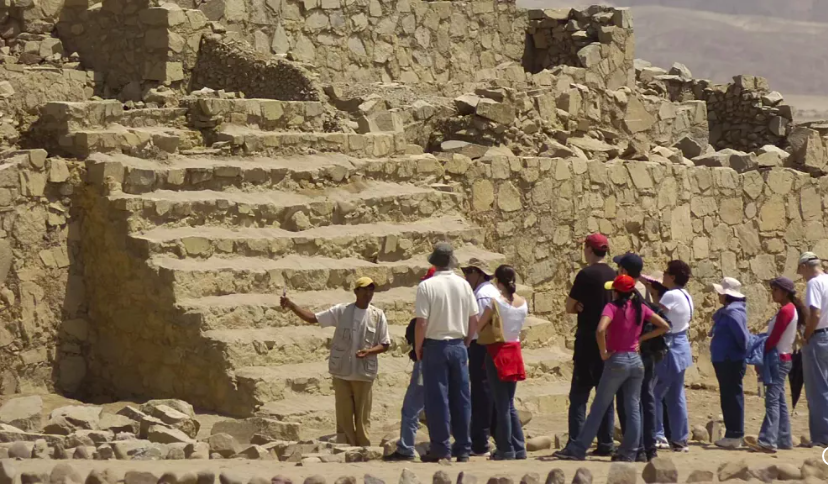
Lost and Found: Peru Unveils Sacred City of Peñico, Hidden for Nearly 4,000 Years
In a breathtaking revelation that deepens our understanding of one of the world’s oldest civilisations, Peru has unveiled a newly excavated Caral-era city that had remained hidden for nearly 4,000 years. Peñico, as the site is known, is being hailed as a “city of social integration” and is the latest jewel in the crown of the Caral-Supe civilisation, which thrived in Peru’s coastal valleys long before the rise of the Inca Empire.
After eight years of intense excavation, research, and conservation work, archaeologists have finally opened the site to the public. Located in the Caral Archaeological Zone, just under 200 kilometres north of Lima, Peñico is being celebrated not only for its scale and preservation but also for its profound cultural and historical significance.
Register for Tekedia Mini-MBA edition 20 (June 8 – Sept 5, 2026).
Register for Tekedia AI in Business Masterclass.
Join Tekedia Capital Syndicate and co-invest in great global startups.
Register for Tekedia AI Lab.
On Saturday, July 12, the first Peñico Raymi, a replica of an ancient Andean festival, will be held at the site to commemorate this extraordinary rediscovery and to pay homage to the spiritual and communal practices of its early inhabitants.
A Sacred City Born from Exchange and Integration
While the Caral civilisation developed primarily between 3000 and 1800 BC, the newly unearthed city of Peñico appears to have emerged slightly later, flourishing between 1800 and 1500 BC. Despite its relatively “late” development within the Caral timeline, Peñico plays a crucial role in understanding the evolution of pre-Hispanic societies in the Americas.

Situated strategically between the Supe and Huaura valleys, Peñico served as a crossroads for cultural exchange, commerce, and ceremonial practice. Its location—600 meters above sea level, flanked by hills that rise up to 1,000 meters—was carefully selected. Not only did it provide natural protection from floods and landslides, but it also enhanced the visual monumentality of its architecture and likely encouraged interaction with neighbouring civilisations.
A Living Network of Stone, Symbolism, and Sound
Among the 18 structures uncovered so far, one building stands out: a massive ceremonial hall composed of several connected antechambers. According to Mauro Ordóñez, head of the Peñico archaeological site, the building’s full boundaries are still unknown.

“What’s most fascinating is the series of friezes depicting pututus on its interior walls,” said Ordóñez.
Pututus, also known as churus in Quechua, are ceremonial wind instruments made from large seashells. These instruments were prized for their sonic power and symbolic resonance and often used in religious or public ceremonies. Their appearance in Peñico suggests strong links with other pre-Columbian cultures, particularly those along the northern Peruvian coast where similar instruments have been found.
The discovery of these musical motifs, alongside ceremonial artefacts and architectural features, supports the hypothesis that Peñico was a centre of ritual life, cultural diplomacy, and material exchange. This includes the circulation of hematite, a mineral used to create red pigment that held spiritual significance in Andean cosmology.
From Forgotten Ruins to Living Heritage
The unveiling of Peñico marks a new chapter not only in archaeology but also in the cultural revival of the Caral tradition. By organising Peñico Raymi, the Caral Archaeological Zone is actively engaging local communities and global visitors in honouring ancestral knowledge and reclaiming historical identity.
The Caral civilisation, once considered mysterious and underrepresented in historical narratives, is now seen as one of the earliest complex societies in the world, rivalling contemporaries like Ancient Egypt and Mesopotamia. With discoveries like Peñico, researchers continue to uncover the sophistication of Caral’s urban planning, environmental adaptation, and artistic expression.
The Caral-Supe sacred city, already recognised as a UNESCO World Heritage Site, gains new depth through Peñico. Unlike many ancient cities built in isolation, Peñico demonstrates the Caralians' emphasis on interconnectivity, not only in terms of trade and communication but also in spiritual and social integration.
A Future Shaped by the Past
The significance of Peñico lies not only in its antiquity but in its message: that early civilisations could thrive through collaboration, creativity, and cultural fusion. As archaeologists continue their work, each layer of sediment uncovers not just remnants of stone and pigment, but echoes of a society that believed in connection over conquest.
Peñico challenges us to rethink what we know about early civilisation in the Americas. It tells the story of a people who built cities not just for survival, but for ceremony, beauty, and shared identity. And in doing so, it invites modern societies to learn from their legacy.
Conclusion
The unveiling of Peñico after nearly 4,000 years hidden beneath the Andean landscape is more than just an archaeological triumph—it’s a powerful reminder of the depth, sophistication, and interconnectedness of early American civilisations. As part of the sacred Caral culture, Peñico stands as a testament to a society that valued community, ritual, and harmonious exchange long before written history began. With its ceremonial halls, musical symbolism, and strategic location, Peñico offers profound insight into how ancient Peruvians built cities not only for shelter, but for cultural integration and spiritual expression. As Peru prepares to celebrate this rediscovery through the Peñico Raymi festival, the world is once again reminded that the past is not lost—it’s waiting to be rediscovered, reinterpreted, and celebrated.
Meta Description: After nearly 4,000 years hidden, Peru unveils Peñico, a newly discovered Caral city. The sacred site reveals complex social integration, ritual music, and vibrant exchange networks in ancient Peru.
Uploaded files:Share this:
- Click to share on Facebook (Opens in new window) Facebook
- Click to share on X (Opens in new window) X
- Click to share on WhatsApp (Opens in new window) WhatsApp
- Click to share on LinkedIn (Opens in new window) LinkedIn
- Click to email a link to a friend (Opens in new window) Email
- Click to print (Opens in new window) Print