

Lunar Soil Breakthrough: Scientists Find Way to Extract Water, Oxygen, and Fuel on the Moon

Quote from Alex Bobby on July 20, 2025, 7:09 AM
Life on the Moon? New Study Finds Lunar Soil Could Help Humans Survive Off-Earth
Could humans one day live sustainably on the Moon? A groundbreaking new study from researchers at the Chinese University of Hong Kong suggests that it might be more than science fiction. Their findings, published in the journal Joule, reveal that lunar soil—long considered barren and lifeless—might actually hold the key to supporting human life in space.
Using a novel technology, scientists have discovered how to extract water from Moon dust and convert it into oxygen and chemical fuel. If scalable, this could eliminate one of the greatest challenges of space exploration: the staggering cost and logistical nightmare of transporting essential life resources from Earth.
The Challenge: Water in Space Is Astronomically Expensive
Every astronaut in space relies heavily on Earth for survival. Just shipping one gallon (3.78 litres) of water to the Moon costs around $83,000 (€71,230). With each astronaut consuming about four gallons (15.14 litres) daily, sustaining even a small lunar base becomes financially and technically burdensome.
Now, this new study presents a bold vision: tapping into the Moon’s own resources to sustain life. Lead researcher Lu Wang and her team have harnessed the power of lunar soil in combination with sunlight to create a closed-loop system that could potentially supply astronauts with critical needs—water, breathable oxygen, and fuel.
Turning Moon Dust into Life Support
The innovation at the heart of this development is a solar-powered process that extracts water trapped in the minerals of lunar soil. When sunlight hits the soil, it is converted into heat energy. This, in turn, helps to release the water molecules bound within the dust.
But the process doesn’t stop there. Once water is extracted, it's used in a secondary system to convert carbon dioxide (CO₂)—the very air exhaled by astronauts—into oxygen and chemical fuels like methane. This is achieved through a method called photo thermal catalysis, which uses heat to drive chemical reactions without the need for additional power sources.
The dual process of creating both water and fuel from the Moon's natural environment could revolutionise how we think about lunar missions and long-term colonisation.
A Glimpse Into a Self-Sustaining Lunar Future
According to the Joule paper, this method could reduce the need for frequent—and costly—resupply missions from Earth. More importantly, it opens the door for sustainable deep-space exploration. Missions to Mars, or even long-term lunar bases, could become more feasible with in-situ resource utilisation (ISRU)—the practice of harvesting and using local materials.
“We never fully imagined the ‘magic’ that the lunar soil possessed,” said Lu Wang. The research team highlighted that their technology offers a simplified, solar-driven system that relies on the Moon's existing environment rather than complex Earth-dependent infrastructure.
The Lunar Catch: Limitations and Harsh Realities
Despite the promise, the study doesn’t downplay the hurdles. The Moon is a hostile place, with drastic temperature swings—from boiling hot in the day to freezing cold at night—constant radiation exposure, and one-sixth Earth’s gravity.
Moreover, the CO₂ emitted by astronauts’ breathing would not generate enough water or fuel alone. That means supplemental CO₂ or other carbon sources might still need to be shipped in, depending on the size and duration of lunar missions.
Additionally, most current systems for extracting water from the Moon require multiple energy-intensive steps. The researchers argue their method is more energy-efficient but acknowledge that refining it for large-scale operations will take more time and testing.
A Step Closer to a Lunar Outpost
NASA and other space agencies have long envisioned establishing a permanent lunar base as a stepping stone to Mars and beyond. But making the Moon habitable involves more than building habitats—it means developing a self-sustaining system where food, water, air, and energy can be produced locally.
This new study is a pivotal step in that direction. It aligns with NASA’s Artemis program goals and China’s own ambitions to create a Moon base by the 2030s.
Final Thoughts
Humanity’s dream of living on the Moon is slowly shifting from fantasy to potential reality. With technology like this lunar soil-powered system, we are beginning to solve some of space exploration's most daunting problems. While challenges remain, the idea of turning Moon dust into life support is a powerful testament to innovation and the enduring human spirit of exploration.
The next generation of astronauts might not just visit the Moon—they might live there. And thanks to the unassuming lunar soil beneath their feet, they just might thrive.
Conclusion
While we’re still years away from building a self-sufficient lunar colony, this breakthrough in using lunar soil to extract water and produce oxygen and fuel marks a major leap forward. It demonstrates the incredible potential of in-situ resource utilisation (ISRU) and how innovation can transform what was once considered lifeless dust into the foundation for human survival in space.
Though significant technical and environmental challenges remain—such as extreme temperatures, radiation, and limited CO₂ sources—this study brings us one step closer to turning the Moon into a viable outpost for humanity. As space agencies race toward long-term lunar missions, technologies like this could make the difference between merely visiting the Moon and truly living there.
Meta Description:
A new study reveals that lunar soil could be used to extract water and produce oxygen and fuel, bringing humans closer to living on the Moon. Discover how this breakthrough could change space exploration forever.
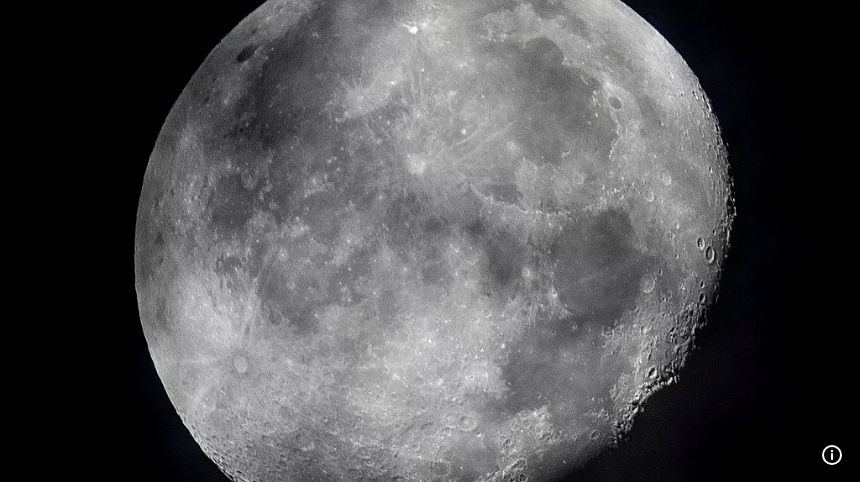
Life on the Moon? New Study Finds Lunar Soil Could Help Humans Survive Off-Earth
Could humans one day live sustainably on the Moon? A groundbreaking new study from researchers at the Chinese University of Hong Kong suggests that it might be more than science fiction. Their findings, published in the journal Joule, reveal that lunar soil—long considered barren and lifeless—might actually hold the key to supporting human life in space.
Using a novel technology, scientists have discovered how to extract water from Moon dust and convert it into oxygen and chemical fuel. If scalable, this could eliminate one of the greatest challenges of space exploration: the staggering cost and logistical nightmare of transporting essential life resources from Earth.
Register for Tekedia Mini-MBA edition 20 (June 8 – Sept 5, 2026).
Register for Tekedia AI in Business Masterclass.
Join Tekedia Capital Syndicate and co-invest in great global startups.
Register for Tekedia AI Lab.
The Challenge: Water in Space Is Astronomically Expensive
Every astronaut in space relies heavily on Earth for survival. Just shipping one gallon (3.78 litres) of water to the Moon costs around $83,000 (€71,230). With each astronaut consuming about four gallons (15.14 litres) daily, sustaining even a small lunar base becomes financially and technically burdensome.
Now, this new study presents a bold vision: tapping into the Moon’s own resources to sustain life. Lead researcher Lu Wang and her team have harnessed the power of lunar soil in combination with sunlight to create a closed-loop system that could potentially supply astronauts with critical needs—water, breathable oxygen, and fuel.

Turning Moon Dust into Life Support
The innovation at the heart of this development is a solar-powered process that extracts water trapped in the minerals of lunar soil. When sunlight hits the soil, it is converted into heat energy. This, in turn, helps to release the water molecules bound within the dust.
But the process doesn’t stop there. Once water is extracted, it's used in a secondary system to convert carbon dioxide (CO₂)—the very air exhaled by astronauts—into oxygen and chemical fuels like methane. This is achieved through a method called photo thermal catalysis, which uses heat to drive chemical reactions without the need for additional power sources.

The dual process of creating both water and fuel from the Moon's natural environment could revolutionise how we think about lunar missions and long-term colonisation.
A Glimpse Into a Self-Sustaining Lunar Future
According to the Joule paper, this method could reduce the need for frequent—and costly—resupply missions from Earth. More importantly, it opens the door for sustainable deep-space exploration. Missions to Mars, or even long-term lunar bases, could become more feasible with in-situ resource utilisation (ISRU)—the practice of harvesting and using local materials.
“We never fully imagined the ‘magic’ that the lunar soil possessed,” said Lu Wang. The research team highlighted that their technology offers a simplified, solar-driven system that relies on the Moon's existing environment rather than complex Earth-dependent infrastructure.
The Lunar Catch: Limitations and Harsh Realities
Despite the promise, the study doesn’t downplay the hurdles. The Moon is a hostile place, with drastic temperature swings—from boiling hot in the day to freezing cold at night—constant radiation exposure, and one-sixth Earth’s gravity.
Moreover, the CO₂ emitted by astronauts’ breathing would not generate enough water or fuel alone. That means supplemental CO₂ or other carbon sources might still need to be shipped in, depending on the size and duration of lunar missions.
Additionally, most current systems for extracting water from the Moon require multiple energy-intensive steps. The researchers argue their method is more energy-efficient but acknowledge that refining it for large-scale operations will take more time and testing.
A Step Closer to a Lunar Outpost
NASA and other space agencies have long envisioned establishing a permanent lunar base as a stepping stone to Mars and beyond. But making the Moon habitable involves more than building habitats—it means developing a self-sustaining system where food, water, air, and energy can be produced locally.
This new study is a pivotal step in that direction. It aligns with NASA’s Artemis program goals and China’s own ambitions to create a Moon base by the 2030s.
Final Thoughts
Humanity’s dream of living on the Moon is slowly shifting from fantasy to potential reality. With technology like this lunar soil-powered system, we are beginning to solve some of space exploration's most daunting problems. While challenges remain, the idea of turning Moon dust into life support is a powerful testament to innovation and the enduring human spirit of exploration.
The next generation of astronauts might not just visit the Moon—they might live there. And thanks to the unassuming lunar soil beneath their feet, they just might thrive.
Conclusion
While we’re still years away from building a self-sufficient lunar colony, this breakthrough in using lunar soil to extract water and produce oxygen and fuel marks a major leap forward. It demonstrates the incredible potential of in-situ resource utilisation (ISRU) and how innovation can transform what was once considered lifeless dust into the foundation for human survival in space.
Though significant technical and environmental challenges remain—such as extreme temperatures, radiation, and limited CO₂ sources—this study brings us one step closer to turning the Moon into a viable outpost for humanity. As space agencies race toward long-term lunar missions, technologies like this could make the difference between merely visiting the Moon and truly living there.
Meta Description:
A new study reveals that lunar soil could be used to extract water and produce oxygen and fuel, bringing humans closer to living on the Moon. Discover how this breakthrough could change space exploration forever.
Share this:
- Click to share on Facebook (Opens in new window) Facebook
- Click to share on X (Opens in new window) X
- Click to share on WhatsApp (Opens in new window) WhatsApp
- Click to share on LinkedIn (Opens in new window) LinkedIn
- Click to email a link to a friend (Opens in new window) Email
- Click to print (Opens in new window) Print