

Manchester Arena Bomb Plotter Hashem Abedi Charged Over Prison Attack on Officers

Quote from Alex Bobby on August 14, 2025, 7:49 AM
Arena Bomb Plotter Charged Over Brutal Prison Attack on Officers
Hashem Abedi — already serving one of the longest prison sentences in modern UK history for his role in the 2017 Manchester Arena bombing — is now facing fresh, grave charges. Prosecutors allege the convicted terrorist attempted to murder three prison officers and assaulted a fourth during a violent incident at high-security HMP Frankland in April 2024.
The 28-year-old, who was jailed for a minimum of 55 years in 2020 for helping his brother Salman Abedi plan and execute the suicide bombing that killed 22 and injured over 1,000, is accused of carrying out the attack inside the County Durham prison’s separation unit. He also faces a fifth charge for the unauthorised possession of a knife.
The Incident at HMP Frankland
The alleged assault took place on 11 April and reportedly involved makeshift knives and cooking oil. According to authorities, three of the prison officers sustained serious injuries and required hospital treatment, while a fourth was assaulted but not as severely hurt.
Abedi was swiftly moved out of HMP Frankland following the incident, which triggered heightened security measures and an urgent review of protocols at the facility.
Counter Terrorism Policing North East confirmed that the investigation into the attack was carried out in partnership with Durham Constabulary and prison authorities. The Crown Prosecution Service (CPS) has confirmed the case will be prosecuted under terrorism protocols, indicating that prosecutors believe the offences were motivated by extremist ideology.
Abedi is due to appear at Westminster Magistrates’ Court on 18 September to answer the charges.
A History of Violence and Extremism
Hashem Abedi’s name is already etched into Britain’s darkest chapter of modern terrorism. In March 2020, he was found guilty of 22 counts of murder, attempted murder, and conspiring to cause an explosion with intent to endanger life. The conviction came after it was proven that Abedi played a key logistical role in the Manchester Arena bombing on 22 May 2017.
While his older brother Salman detonated the homemade device hidden in a rucksack as thousands of concertgoers were leaving an Ariana Grande performance, Hashem was found to have been deeply involved in sourcing materials, building the bomb, and planning the attack.
The Manchester bombing left the UK in shock, not only for the number of young victims — many of them children and teenagers — but also for the cold, calculated nature of the attack. Survivors and families of those killed have expressed ongoing anger at Abedi’s refusal to co-operate during his trial and his lack of remorse.
Fallout from the Prison Attack
The prison incident in April has reignited public outrage, especially among survivors and bereaved families of the Manchester bombing. Many have demanded to know how a convicted terrorist housed in a high-security separation unit was able to acquire weapons and inflict such severe injuries on trained officers.
The Ministry of Justice has pledged a full, independent review into the circumstances of the attack. Early reports suggest that the weapons used may have been fashioned from everyday prison materials, raising questions about whether current security measures are sufficient to deal with high-risk inmates like Abedi.
Prison officers’ unions have also weighed in, describing the alleged assault as “a stark reminder of the dangers faced by staff on the front lines.” Calls have been renewed for improved safety protocols, more training, and stronger physical barriers within high-security facilities.
The Terrorism Protocol
By prosecuting Abedi under the terrorism protocol, the CPS is signalling that this is not being treated as a standard case of prison violence. The designation means that the prosecution will seek to prove that the attack was motivated, at least in part, by terrorist ideology.
Legal experts say that if Abedi is convicted on these new charges, any sentence would likely be served consecutively to his current 55-year minimum term — effectively ensuring he would never be released from prison.
However, the terrorism protocol also raises further questions about the radicalisation risks within prisons, and how extremist prisoners interact with staff and other inmates.
The Human Impact
For the three injured prison officers, the April attack has had lasting consequences. Though they’re identities have not been released for security reasons, colleagues have described the incident as “traumatising” and said the recovery process — both physical and psychological — will take time.
Survivors of the Manchester bombing have spoken publicly about how the news of Abedi’s alleged prison violence has reopened emotional wounds. Many have expressed frustration that someone responsible for such devastation is still capable of inflicting harm from behind bars.
Figen Murray, whose son Martyn Hett was killed in the Arena bombing, has continued her campaign for “Martyn’s Law,” legislation designed to tighten venue security against terror attacks. Reacting to the prison charges, she said:
“It is deeply upsetting to hear of further violence linked to the man who helped plan the murder of my son and so many others. It shows the ongoing threat that individuals like this pose.”
A Continuing Legacy of Violence
Hashem Abedi’s case highlights a troubling truth: the danger posed by convicted terrorists does not necessarily end with imprisonment. While high-security facilities like HMP Frankland are designed to contain such threats, incidents like this show that the challenge of managing extremist inmates is far from over.
For the families of the 22 who lost their lives in Manchester, the April prison attack is another painful reminder of the violence that began on that tragic night in 2017. And for prison authorities, it’s a wake-up call to reassess how such inmates are monitored, managed, and prevented from causing further harm.
conclusion
The fresh charges against Hashem Abedi underscore the enduring threat posed by extremist offenders, even within the confines of a high-security prison.
This latest incident not only raises urgent questions about prison safety and counter-terrorism measures behind bars, but it also reopens deep emotional wounds for survivors and the families of those killed in the 2017 Manchester Arena bombing.As the case moves to court, it serves as a stark reminder that the fight against terrorism does not end with a conviction — it must continue within prison walls, where the risk of further violence and radicalisation remains all too real.
Meta Description:
Hashem Abedi, jailed for plotting the 2017 Manchester Arena bombing, faces new charges of attempting to murder three prison officers in a high-security jail attack.
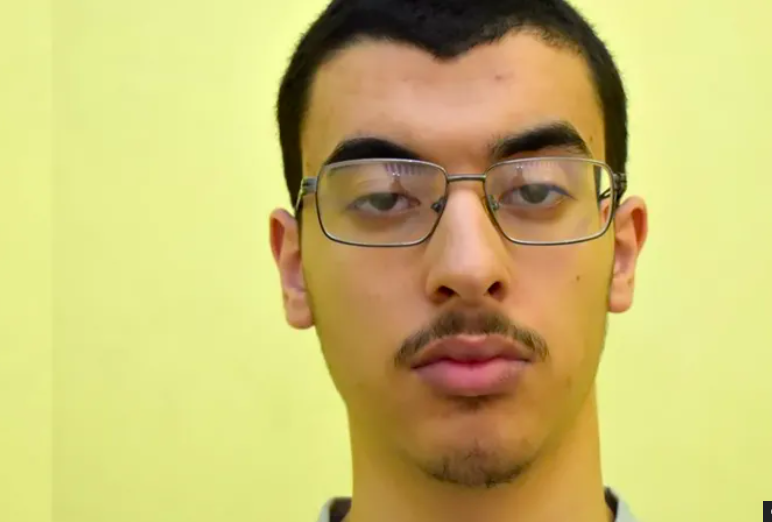
Arena Bomb Plotter Charged Over Brutal Prison Attack on Officers
Hashem Abedi — already serving one of the longest prison sentences in modern UK history for his role in the 2017 Manchester Arena bombing — is now facing fresh, grave charges. Prosecutors allege the convicted terrorist attempted to murder three prison officers and assaulted a fourth during a violent incident at high-security HMP Frankland in April 2024.
The 28-year-old, who was jailed for a minimum of 55 years in 2020 for helping his brother Salman Abedi plan and execute the suicide bombing that killed 22 and injured over 1,000, is accused of carrying out the attack inside the County Durham prison’s separation unit. He also faces a fifth charge for the unauthorised possession of a knife.
Register for Tekedia Mini-MBA edition 20 (June 8 – Sept 5, 2026).
Register for Tekedia AI in Business Masterclass.
Join Tekedia Capital Syndicate and co-invest in great global startups.
Register for Tekedia AI Lab.
The Incident at HMP Frankland
The alleged assault took place on 11 April and reportedly involved makeshift knives and cooking oil. According to authorities, three of the prison officers sustained serious injuries and required hospital treatment, while a fourth was assaulted but not as severely hurt.
Abedi was swiftly moved out of HMP Frankland following the incident, which triggered heightened security measures and an urgent review of protocols at the facility.

Counter Terrorism Policing North East confirmed that the investigation into the attack was carried out in partnership with Durham Constabulary and prison authorities. The Crown Prosecution Service (CPS) has confirmed the case will be prosecuted under terrorism protocols, indicating that prosecutors believe the offences were motivated by extremist ideology.
Abedi is due to appear at Westminster Magistrates’ Court on 18 September to answer the charges.
A History of Violence and Extremism

Hashem Abedi’s name is already etched into Britain’s darkest chapter of modern terrorism. In March 2020, he was found guilty of 22 counts of murder, attempted murder, and conspiring to cause an explosion with intent to endanger life. The conviction came after it was proven that Abedi played a key logistical role in the Manchester Arena bombing on 22 May 2017.
While his older brother Salman detonated the homemade device hidden in a rucksack as thousands of concertgoers were leaving an Ariana Grande performance, Hashem was found to have been deeply involved in sourcing materials, building the bomb, and planning the attack.
The Manchester bombing left the UK in shock, not only for the number of young victims — many of them children and teenagers — but also for the cold, calculated nature of the attack. Survivors and families of those killed have expressed ongoing anger at Abedi’s refusal to co-operate during his trial and his lack of remorse.
Fallout from the Prison Attack
The prison incident in April has reignited public outrage, especially among survivors and bereaved families of the Manchester bombing. Many have demanded to know how a convicted terrorist housed in a high-security separation unit was able to acquire weapons and inflict such severe injuries on trained officers.
The Ministry of Justice has pledged a full, independent review into the circumstances of the attack. Early reports suggest that the weapons used may have been fashioned from everyday prison materials, raising questions about whether current security measures are sufficient to deal with high-risk inmates like Abedi.
Prison officers’ unions have also weighed in, describing the alleged assault as “a stark reminder of the dangers faced by staff on the front lines.” Calls have been renewed for improved safety protocols, more training, and stronger physical barriers within high-security facilities.
The Terrorism Protocol
By prosecuting Abedi under the terrorism protocol, the CPS is signalling that this is not being treated as a standard case of prison violence. The designation means that the prosecution will seek to prove that the attack was motivated, at least in part, by terrorist ideology.
Legal experts say that if Abedi is convicted on these new charges, any sentence would likely be served consecutively to his current 55-year minimum term — effectively ensuring he would never be released from prison.
However, the terrorism protocol also raises further questions about the radicalisation risks within prisons, and how extremist prisoners interact with staff and other inmates.
The Human Impact
For the three injured prison officers, the April attack has had lasting consequences. Though they’re identities have not been released for security reasons, colleagues have described the incident as “traumatising” and said the recovery process — both physical and psychological — will take time.
Survivors of the Manchester bombing have spoken publicly about how the news of Abedi’s alleged prison violence has reopened emotional wounds. Many have expressed frustration that someone responsible for such devastation is still capable of inflicting harm from behind bars.
Figen Murray, whose son Martyn Hett was killed in the Arena bombing, has continued her campaign for “Martyn’s Law,” legislation designed to tighten venue security against terror attacks. Reacting to the prison charges, she said:
“It is deeply upsetting to hear of further violence linked to the man who helped plan the murder of my son and so many others. It shows the ongoing threat that individuals like this pose.”
A Continuing Legacy of Violence
Hashem Abedi’s case highlights a troubling truth: the danger posed by convicted terrorists does not necessarily end with imprisonment. While high-security facilities like HMP Frankland are designed to contain such threats, incidents like this show that the challenge of managing extremist inmates is far from over.
For the families of the 22 who lost their lives in Manchester, the April prison attack is another painful reminder of the violence that began on that tragic night in 2017. And for prison authorities, it’s a wake-up call to reassess how such inmates are monitored, managed, and prevented from causing further harm.
conclusion
The fresh charges against Hashem Abedi underscore the enduring threat posed by extremist offenders, even within the confines of a high-security prison.
This latest incident not only raises urgent questions about prison safety and counter-terrorism measures behind bars, but it also reopens deep emotional wounds for survivors and the families of those killed in the 2017 Manchester Arena bombing.
As the case moves to court, it serves as a stark reminder that the fight against terrorism does not end with a conviction — it must continue within prison walls, where the risk of further violence and radicalisation remains all too real.
Meta Description:
Hashem Abedi, jailed for plotting the 2017 Manchester Arena bombing, faces new charges of attempting to murder three prison officers in a high-security jail attack.
Share this:
- Click to share on Facebook (Opens in new window) Facebook
- Click to share on X (Opens in new window) X
- Click to share on WhatsApp (Opens in new window) WhatsApp
- Click to share on LinkedIn (Opens in new window) LinkedIn
- Click to email a link to a friend (Opens in new window) Email
- Click to print (Opens in new window) Print