

Metallica Forces Pentagon to Remove ‘Enter Sandman’ Video Over Copyright Dispute

Quote from Alex Bobby on July 14, 2025, 10:26 AM
Exit Light, Enter Gripe: Metallica Forces Pentagon to Pull Unauthorised ‘Enter Sandman’ Video
In a move that underscores the fraught relationship between politics and pop culture, heavy metal giants Metallica have successfully forced the United States Department of Defense to withdraw a social media video that featured their iconic 1991 hit “Enter Sandman” — without their permission.
The controversy erupted last Friday (July 11), when the Pentagon posted a promotional video to X (formerly Twitter) showcasing Defense Secretary Pete Hegseth touting the U.S. military’s drone capabilities. The video, designed to evoke power and edge, was set to the unmistakable riffs of “Enter Sandman,” arguably Metallica’s most recognisable song.
But the band was not amused.
Copyright Clash: Metallica Strikes Back
Metallica promptly issued a copyright notice upon learning of the unauthorised use of their music. Within hours, the original video was pulled down, and a new version, stripped of the song, was uploaded in its place.
In a statement, a Pentagon spokesperson confirmed the withdrawal:
“Representatives from X reached out to DoD regarding a video posted to our social media page and asked that the video be removed due to a copyright issue with the song ‘Enter Sandman’ by Metallica. The video has been taken down, corrected, and re-uploaded to our page.”
The incident not only reignited conversations around copyright infringement but also highlighted the recurring pattern of U.S. government entities, particularly under the Trump administration, using copyrighted music without consent — often to the dismay of the artists involved.
A Long List of Musical Discontent
Metallica joins a long list of musical acts who have objected to their songs being used in political or governmental messaging without approval. Over the past few years, the Trump administration has been at the centre of multiple copyright battles, drawing criticism from artists across genres.
Musical icons like The Rolling Stones, Rihanna, Bruce Springsteen, Neil Young, R.E.M., ABBA, and Beyoncé have all publicly rebuked the unauthorised use of their music at Trump rallies and government events. Many have gone further, issuing cease-and-desist letters and even pursuing legal action.
One of the most aggressive responses came from the estate of Isaac Hayes, which filed 134 counts of copyright infringement against Trump’s campaign. Meanwhile, Céline Dion voiced disbelief at the use of “My Heart Will Go On” from the Titanic soundtrack at a rally, with her team famously asking: “And really, THAT song?”
The White Stripes were equally blunt. After their hit “Seven Nation Army” was used without consent, Jack White responded with a legal complaint captioned: “This machine sues fascists.”
Music as a Message — Misused
Beyond legal violations, artists have often argued that their music is being misappropriated in ways that completely distort its intended meaning.
The most recent example before Metallica’s involved the band Semisonic, whose 1998 hit “Closing Time” was used in a White House video showing a detained deportee being patted down. The post included the line: “You don’t have to go home but you can’t stay here,” quoting the song’s chorus. U.S. Customs and Border Protection reposted the video, saying, “It’s closing time. We are making America safe again.”
Semisonic’s response was swift:
“We did not authorise or condone the White House’s use of our song in any way. And no, they didn’t ask. The song is about joy and possibilities and hope, and they have missed the point entirely.”
This disconnect between artistic intent and political messaging has become a key issue in these disputes, with artists pushing back not just to protect intellectual property, but to defend the meaning behind their work.
Copyright Is Not Optional
The Pentagon incident with Metallica brings into sharp focus the continued disregard some government agencies show toward copyright laws — despite clear legal standards. In the U.S., federal law requires permission to use copyrighted music in public-facing media, including social posts and campaign ads. Failing to do so can result in takedowns, lawsuits, and significant repetitional damage.
It’s not just about paperwork — it’s about respect. For many artists, music isn’t simply background noise; it’s a statement. Using it without consent, especially in contexts that may be political or controversial, risks both legal consequences and public backlash.
Looking Forward
The clash between Metallica and the U.S. Department of Defense is unlikely to be the last of its kind. As government agencies and political campaigns increasingly turn to social media to convey their messages with maximum impact, the temptation to pair powerful visuals with popular music remains strong — but so do the legal and ethical boundaries that govern creative content.
Artists are now more vigilant than ever, with many employing legal teams specifically to monitor unauthorised use of their work. With copyright enforcement tools becoming more sophisticated — and public backlash swift on platforms like X and Instagram — institutions that ignore these rules do so at their own peril.
Moving forward, we can expect heightened scrutiny over music licensing, especially in political or governmental contexts. This incident sends a clear message: no matter how iconic a song may be or how fitting it may seem for a message, respect for intellectual property is non-negotiable.
Conclusion: Sandman Doesn’t Sleep on Rights
The saga of Metallica versus the Pentagon is a cautionary tale for public institutions and political figures alike: music rights are not optional. Whether it’s a military promo or a campaign rally, using an artist’s work without permission can quickly backfire — both legally and culturally.
As Metallica might say, “Exit light, enter gripe.” And in today’s age of instant digital accountability, the artists are wide awake — and ready to fight.
Meta Description:
Metallica forces Pentagon to remove social media video that used Enter Sandman without permission, reigniting tensions over unauthorised music use in U.S. government and political messaging.
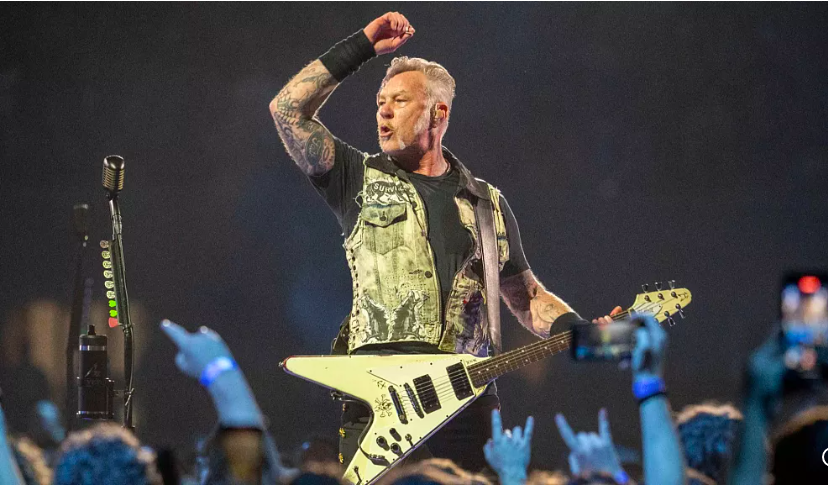
Exit Light, Enter Gripe: Metallica Forces Pentagon to Pull Unauthorised ‘Enter Sandman’ Video
In a move that underscores the fraught relationship between politics and pop culture, heavy metal giants Metallica have successfully forced the United States Department of Defense to withdraw a social media video that featured their iconic 1991 hit “Enter Sandman” — without their permission.
The controversy erupted last Friday (July 11), when the Pentagon posted a promotional video to X (formerly Twitter) showcasing Defense Secretary Pete Hegseth touting the U.S. military’s drone capabilities. The video, designed to evoke power and edge, was set to the unmistakable riffs of “Enter Sandman,” arguably Metallica’s most recognisable song.
Register for Tekedia Mini-MBA edition 20 (June 8 – Sept 5, 2026).
Register for Tekedia AI in Business Masterclass.
Join Tekedia Capital Syndicate and co-invest in great global startups.
Register for Tekedia AI Lab.
But the band was not amused.
Copyright Clash: Metallica Strikes Back
Metallica promptly issued a copyright notice upon learning of the unauthorised use of their music. Within hours, the original video was pulled down, and a new version, stripped of the song, was uploaded in its place.

In a statement, a Pentagon spokesperson confirmed the withdrawal:
“Representatives from X reached out to DoD regarding a video posted to our social media page and asked that the video be removed due to a copyright issue with the song ‘Enter Sandman’ by Metallica. The video has been taken down, corrected, and re-uploaded to our page.”
The incident not only reignited conversations around copyright infringement but also highlighted the recurring pattern of U.S. government entities, particularly under the Trump administration, using copyrighted music without consent — often to the dismay of the artists involved.

A Long List of Musical Discontent
Metallica joins a long list of musical acts who have objected to their songs being used in political or governmental messaging without approval. Over the past few years, the Trump administration has been at the centre of multiple copyright battles, drawing criticism from artists across genres.
Musical icons like The Rolling Stones, Rihanna, Bruce Springsteen, Neil Young, R.E.M., ABBA, and Beyoncé have all publicly rebuked the unauthorised use of their music at Trump rallies and government events. Many have gone further, issuing cease-and-desist letters and even pursuing legal action.
One of the most aggressive responses came from the estate of Isaac Hayes, which filed 134 counts of copyright infringement against Trump’s campaign. Meanwhile, Céline Dion voiced disbelief at the use of “My Heart Will Go On” from the Titanic soundtrack at a rally, with her team famously asking: “And really, THAT song?”
The White Stripes were equally blunt. After their hit “Seven Nation Army” was used without consent, Jack White responded with a legal complaint captioned: “This machine sues fascists.”
Music as a Message — Misused
Beyond legal violations, artists have often argued that their music is being misappropriated in ways that completely distort its intended meaning.
The most recent example before Metallica’s involved the band Semisonic, whose 1998 hit “Closing Time” was used in a White House video showing a detained deportee being patted down. The post included the line: “You don’t have to go home but you can’t stay here,” quoting the song’s chorus. U.S. Customs and Border Protection reposted the video, saying, “It’s closing time. We are making America safe again.”
Semisonic’s response was swift:
“We did not authorise or condone the White House’s use of our song in any way. And no, they didn’t ask. The song is about joy and possibilities and hope, and they have missed the point entirely.”
This disconnect between artistic intent and political messaging has become a key issue in these disputes, with artists pushing back not just to protect intellectual property, but to defend the meaning behind their work.
Copyright Is Not Optional
The Pentagon incident with Metallica brings into sharp focus the continued disregard some government agencies show toward copyright laws — despite clear legal standards. In the U.S., federal law requires permission to use copyrighted music in public-facing media, including social posts and campaign ads. Failing to do so can result in takedowns, lawsuits, and significant repetitional damage.
It’s not just about paperwork — it’s about respect. For many artists, music isn’t simply background noise; it’s a statement. Using it without consent, especially in contexts that may be political or controversial, risks both legal consequences and public backlash.
Looking Forward
The clash between Metallica and the U.S. Department of Defense is unlikely to be the last of its kind. As government agencies and political campaigns increasingly turn to social media to convey their messages with maximum impact, the temptation to pair powerful visuals with popular music remains strong — but so do the legal and ethical boundaries that govern creative content.
Artists are now more vigilant than ever, with many employing legal teams specifically to monitor unauthorised use of their work. With copyright enforcement tools becoming more sophisticated — and public backlash swift on platforms like X and Instagram — institutions that ignore these rules do so at their own peril.
Moving forward, we can expect heightened scrutiny over music licensing, especially in political or governmental contexts. This incident sends a clear message: no matter how iconic a song may be or how fitting it may seem for a message, respect for intellectual property is non-negotiable.
Conclusion: Sandman Doesn’t Sleep on Rights
The saga of Metallica versus the Pentagon is a cautionary tale for public institutions and political figures alike: music rights are not optional. Whether it’s a military promo or a campaign rally, using an artist’s work without permission can quickly backfire — both legally and culturally.
As Metallica might say, “Exit light, enter gripe.” And in today’s age of instant digital accountability, the artists are wide awake — and ready to fight.
Meta Description:
Metallica forces Pentagon to remove social media video that used Enter Sandman without permission, reigniting tensions over unauthorised music use in U.S. government and political messaging.
Share this:
- Click to share on Facebook (Opens in new window) Facebook
- Click to share on X (Opens in new window) X
- Click to share on WhatsApp (Opens in new window) WhatsApp
- Click to share on LinkedIn (Opens in new window) LinkedIn
- Click to email a link to a friend (Opens in new window) Email
- Click to print (Opens in new window) Print