

New Climate Vulnerability Index Puts 65 Countries in ‘Red Zone’ — Including Cyprus and Ukraine

Quote from Alex Bobby on June 28, 2025, 4:15 AM
New Index Reveals Countries in the ‘Red Zone’ of Climate Vulnerability – Including Two in Europe
As the planet heats up and extreme weather events grow more frequent and intense, a new tool is helping to shed light on which countries are most at risk—and most in need of support. The Climate Finance (CliF) Vulnerability Index, developed by Columbia Climate School with support from The Rockefeller Foundation, has identified 65 nations in the global "red zone" for climate vulnerability.
The findings are startling: more than two billion people live in countries that are increasingly exposed to climate disasters but lack the financial capacity to prepare for or recover from them. While two-thirds of the red zone countries are in Africa, the list also includes two European nations: Cyprus and Ukraine.
Understanding the CliF Vulnerability Index
The CliF Index is designed to offer a more nuanced and accurate assessment of risk, especially for countries that are frequently overlooked in global climate funding. Unlike traditional models that focus heavily on GDP or income levels, the CliF Index factors in:
- Climate hazard exposure (e.g. floods, droughts, heatwaves)
- Financial constraints (debt burden, credit ratings)
- Disaster management capacity
- Socioeconomic resilience
Each country is evaluated across four future scenarios—2050 and 2080 projections under both optimistic and pessimistic climate models.
The goal? To help redirect climate finance more effectively to those living “one disaster away from crisis,” as described by Eric Pelofsky, Vice President for Global Economic Recovery at The Rockefeller Foundation.
How Debt and Finance Worsen Climate Vulnerability
One of the most striking conclusions from the index is the dangerous feedback loop between debt and disaster. Countries that are heavily indebted often have limited access to financial markets, making it difficult for them to invest in climate adaptation or disaster preparedness.
“Climate shocks are becoming more frequent and intense, yet many of the nations facing the highest threats are also heavily indebted,” says Jeff Schlegelmilch, Director of the National Centre for Disaster Preparedness at Columbia Climate School. “Traditional aid models don’t capture the unique and growing risks of climate exposure combined with limited financial resilience.”
This “debt trap” leaves countries in a permanent cycle of response and recovery—with no opportunity to build long-term resilience.
The UN Environment Programme (UNEP) estimates a global adaptation financing gap of up to $387 billion per year, underscoring just how underfunded vulnerable nations are in the face of rising climate threats.
The Most Vulnerable: Sub-Saharan Africa Dominates
Unsurprisingly, the majority of the red zone is concentrated in sub-Saharan Africa, with 43 out of the 65 countries on the list located there. Many of these nations—like Angola, Sudan, Lesotho, Malawi, and South Sudan—appear in the bottom 10 across all future climate scenarios.
These countries face multiple threats: droughts, floods, agricultural disruption, and fragile governance. According to Saliem Fakir of the African Climate Foundation, the new index aligns with their work on promoting systemic climate adaptation across Africa, particularly for countries in high debt distress.
Cyprus and Ukraine: Europe’s Unexpected Red Zone Entries
While European countries generally fare well in global resilience rankings, Cyprus and Ukraine are notable exceptions in the CliF Index.
Cyprus appears in the red zone in three out of four scenarios—primarily due to non-climate hazards like earthquakes, as well as its exposure to Mediterranean heatwaves and droughts. Ukraine, meanwhile, shows up in two scenarios—the 2050 and 2080 optimistic models—largely due to ongoing conflict, which severely impacts the country’s disaster response capacity and access to financial support.
These findings are a reminder that climate vulnerability isn't just about geography or even weather patterns—it’s also about political stability, infrastructure, and financial health.
Europe’s Climate Strongholds
In contrast, many European countries rank among the world’s most resilient to climate shocks. Of the 10 countries best prepared for climate disasters, eight are OECD members, and five are in Europe: Denmark, Estonia, Norway, Switzerland, and Sweden. These nations benefit from robust infrastructure, strong governance, and accessible finance—all key to managing and recovering from extreme events.
Other top performers include South Korea, Japan, and the United States, all of which also have high-income economies and proactive disaster management systems.
A New Path for Climate Aid
The release of the CliF Vulnerability Index comes just days before the Fourth International Conference on Financing for Development in Seville—a fitting backdrop for its debut. Policymakers and donors now have access to a data-driven framework to help guide funding decisions more equitably and effectively.
For too long, global climate finance has been distributed based on broad economic indicators like GDP per capita, which fail to capture the on-the-ground reality of climate risk. This new index offers a more targeted approach—one that prioritises those who are both most vulnerable and least equipped to cope.
Conclusion
The CliF Vulnerability Index sheds urgent light on the countries most at risk from climate and financial shocks—revealing a sobering picture for over two billion people worldwide. While Africa remains the epicentre of vulnerability, the inclusion of Cyprus and Ukraine shows that no region is immune. As climate disasters become more frequent, this tool offers a crucial way to focus resources where they’re needed most—before the next crisis strikes.
Meta description:
A new index identifies 65 countries most vulnerable to climate and financial shocks. While many are in Africa, two European nations—Cyprus and Ukraine—also make the red zone list.Want to explore the full CliF Vulnerability Index and what it means for global climate policy? Stay tuned for our in-depth breakdown of the data and what’s next for climate finance.
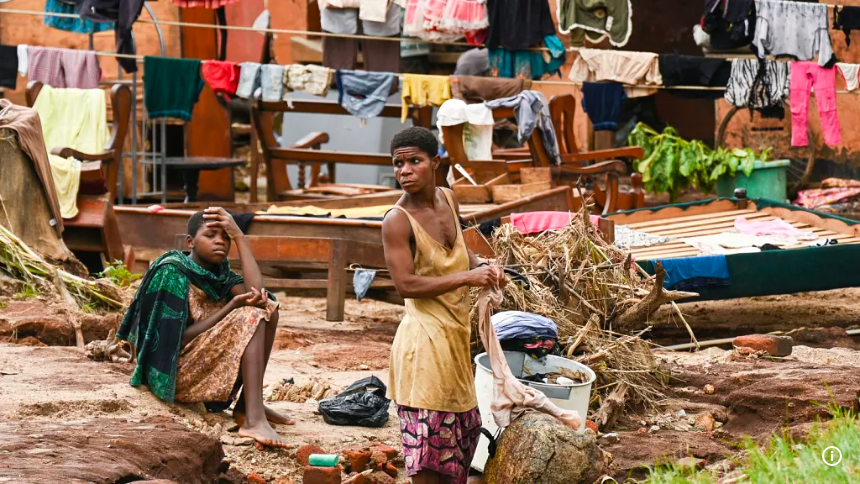
New Index Reveals Countries in the ‘Red Zone’ of Climate Vulnerability – Including Two in Europe
As the planet heats up and extreme weather events grow more frequent and intense, a new tool is helping to shed light on which countries are most at risk—and most in need of support. The Climate Finance (CliF) Vulnerability Index, developed by Columbia Climate School with support from The Rockefeller Foundation, has identified 65 nations in the global "red zone" for climate vulnerability.
The findings are startling: more than two billion people live in countries that are increasingly exposed to climate disasters but lack the financial capacity to prepare for or recover from them. While two-thirds of the red zone countries are in Africa, the list also includes two European nations: Cyprus and Ukraine.
Register for Tekedia Mini-MBA edition 20 (June 8 – Sept 5, 2026).
Register for Tekedia AI in Business Masterclass.
Join Tekedia Capital Syndicate and co-invest in great global startups.
Register for Tekedia AI Lab.
Understanding the CliF Vulnerability Index
The CliF Index is designed to offer a more nuanced and accurate assessment of risk, especially for countries that are frequently overlooked in global climate funding. Unlike traditional models that focus heavily on GDP or income levels, the CliF Index factors in:
- Climate hazard exposure (e.g. floods, droughts, heatwaves)
- Financial constraints (debt burden, credit ratings)
- Disaster management capacity
- Socioeconomic resilience
Each country is evaluated across four future scenarios—2050 and 2080 projections under both optimistic and pessimistic climate models.

The goal? To help redirect climate finance more effectively to those living “one disaster away from crisis,” as described by Eric Pelofsky, Vice President for Global Economic Recovery at The Rockefeller Foundation.
How Debt and Finance Worsen Climate Vulnerability
One of the most striking conclusions from the index is the dangerous feedback loop between debt and disaster. Countries that are heavily indebted often have limited access to financial markets, making it difficult for them to invest in climate adaptation or disaster preparedness.

“Climate shocks are becoming more frequent and intense, yet many of the nations facing the highest threats are also heavily indebted,” says Jeff Schlegelmilch, Director of the National Centre for Disaster Preparedness at Columbia Climate School. “Traditional aid models don’t capture the unique and growing risks of climate exposure combined with limited financial resilience.”
This “debt trap” leaves countries in a permanent cycle of response and recovery—with no opportunity to build long-term resilience.
The UN Environment Programme (UNEP) estimates a global adaptation financing gap of up to $387 billion per year, underscoring just how underfunded vulnerable nations are in the face of rising climate threats.
The Most Vulnerable: Sub-Saharan Africa Dominates
Unsurprisingly, the majority of the red zone is concentrated in sub-Saharan Africa, with 43 out of the 65 countries on the list located there. Many of these nations—like Angola, Sudan, Lesotho, Malawi, and South Sudan—appear in the bottom 10 across all future climate scenarios.
These countries face multiple threats: droughts, floods, agricultural disruption, and fragile governance. According to Saliem Fakir of the African Climate Foundation, the new index aligns with their work on promoting systemic climate adaptation across Africa, particularly for countries in high debt distress.
Cyprus and Ukraine: Europe’s Unexpected Red Zone Entries
While European countries generally fare well in global resilience rankings, Cyprus and Ukraine are notable exceptions in the CliF Index.
Cyprus appears in the red zone in three out of four scenarios—primarily due to non-climate hazards like earthquakes, as well as its exposure to Mediterranean heatwaves and droughts. Ukraine, meanwhile, shows up in two scenarios—the 2050 and 2080 optimistic models—largely due to ongoing conflict, which severely impacts the country’s disaster response capacity and access to financial support.
These findings are a reminder that climate vulnerability isn't just about geography or even weather patterns—it’s also about political stability, infrastructure, and financial health.
Europe’s Climate Strongholds
In contrast, many European countries rank among the world’s most resilient to climate shocks. Of the 10 countries best prepared for climate disasters, eight are OECD members, and five are in Europe: Denmark, Estonia, Norway, Switzerland, and Sweden. These nations benefit from robust infrastructure, strong governance, and accessible finance—all key to managing and recovering from extreme events.
Other top performers include South Korea, Japan, and the United States, all of which also have high-income economies and proactive disaster management systems.
A New Path for Climate Aid
The release of the CliF Vulnerability Index comes just days before the Fourth International Conference on Financing for Development in Seville—a fitting backdrop for its debut. Policymakers and donors now have access to a data-driven framework to help guide funding decisions more equitably and effectively.
For too long, global climate finance has been distributed based on broad economic indicators like GDP per capita, which fail to capture the on-the-ground reality of climate risk. This new index offers a more targeted approach—one that prioritises those who are both most vulnerable and least equipped to cope.
Conclusion
The CliF Vulnerability Index sheds urgent light on the countries most at risk from climate and financial shocks—revealing a sobering picture for over two billion people worldwide. While Africa remains the epicentre of vulnerability, the inclusion of Cyprus and Ukraine shows that no region is immune. As climate disasters become more frequent, this tool offers a crucial way to focus resources where they’re needed most—before the next crisis strikes.
Meta description:
A new index identifies 65 countries most vulnerable to climate and financial shocks. While many are in Africa, two European nations—Cyprus and Ukraine—also make the red zone list.Want to explore the full CliF Vulnerability Index and what it means for global climate policy? Stay tuned for our in-depth breakdown of the data and what’s next for climate finance.
Uploaded files:Share this:
- Click to share on Facebook (Opens in new window) Facebook
- Click to share on X (Opens in new window) X
- Click to share on WhatsApp (Opens in new window) WhatsApp
- Click to share on LinkedIn (Opens in new window) LinkedIn
- Click to email a link to a friend (Opens in new window) Email
- Click to print (Opens in new window) Print