

New Malaria Drug for Infants babies Brings Hope to Uganda’s Fight Against Child Deaths

Quote from Alex Bobby on August 21, 2025, 3:01 AM
New Malaria Drug for Newborn Babies Offers Hope to Parents, Health Workers in Uganda
For decades, malaria has remained one of the deadliest diseases across Africa, silently claiming the lives of hundreds of thousands each year. Despite being preventable and treatable, the disease still thrives in countries where mosquito populations flourish in stagnant waters and where healthcare systems struggle with limited resources. Uganda, one of the countries hardest hit, now sees a glimmer of hope in the fight against this ancient scourge: a new malaria drug specifically designed for newborns and infants.
A Silent Killer Among the Most Vulnerable
Malaria is not just a health challenge; it is a crisis that deeply affects families, particularly mothers and children. For women like Alice Nekesa, a Ugandan farmer, the impact has been devastating. Nekesa, who miscarried her second child due to undiagnosed malaria during pregnancy, represents the heartbreaking reality many women face. Malaria often strikes silently, especially among expectant mothers and infants who are too weak to withstand its impact.
In 2023, Uganda reported 12.6 million malaria cases and nearly 16,000 deaths, most of them young children and pregnant women, according to the World Health Organisation (WHO). Across Africa, the continent bore 95% of all global malaria deaths that year—amounting to nearly 600,000 lives lost. The tragedy is compounded by the fact that malaria, when diagnosed early, is highly treatable.
Yet, until now, treatment options for the youngest patients were dangerously limited. Health workers often resorted to giving infants diluted doses of antimalarial drugs intended for older children—an imprecise and sometimes risky process that could lead to overdosing or ineffective treatment.
A Breakthrough for Infants
Last month, Swiss-medic, Switzerland’s medical regulator, approved a groundbreaking solution: Coartem Baby (also known as Riamet Baby in some countries). Developed by the Basel-based pharmaceutical company Novartis, this drug has been tailored for babies weighing between 2 and 5 kilograms—newborns and very young infants who had previously been overlooked by mainstream malaria treatments.
The medication is a sweet-tasting, orange- or mango-flavored tablet that dissolves easily in liquids such as water or breast milk, transforming into a syrup that is safe and easy for infants to swallow. Coartem Baby is essentially a lower-dose formulation of a combination therapy already proven effective in older children and adults.
This development was achieved under a fast-track authorisation process, coordinated with the WHO, to ensure that countries most burdened by malaria can access the treatment quickly.
Uganda’s Readiness to Roll Out the Drug
In Uganda, anticipation is high. Health authorities have already begun updating clinical guidelines to include Coartem Baby in national malaria treatment protocols. According to Ronald Serufusa, a top malaria official in Wakiso District, the government expects the drug to be available “very, very soon,” prioritising public awareness campaigns to encourage proper usage.
While some private pharmacies in Uganda have already begun stocking the new medicine, public hospitals are still waiting for official distribution. Paediatrician Jane Nabakooza, part of Uganda’s malaria control program, expressed optimism that the government will make the drug free for patients, despite recent cuts in U.S. foreign aid that affected health budgets.
“Because of funding shortages, we are focusing on those actually prone to severe forms of malaria and malaria deaths, and these are children under five years,” Nabakooza explained. Support from organisations like the Global Fund to Fight AIDS, Malaria, and Tuberculosis remains vital in sustaining preventive efforts such as mosquito net distribution and indoor spraying.
Changing the Way Health Workers Treat Malaria in Infants
Beyond providing a safe treatment option, Coartem Baby could also reshape how frontline health workers diagnose and respond to malaria in newborns. Serufusa emphasized that malaria often goes unnoticed in infants because symptoms resemble those of other dangerous conditions like sepsis. With the new drug in hand, health workers will be more inclined to suspect and test for malaria among newborns, potentially reducing the number of cases that slip through the cracks.
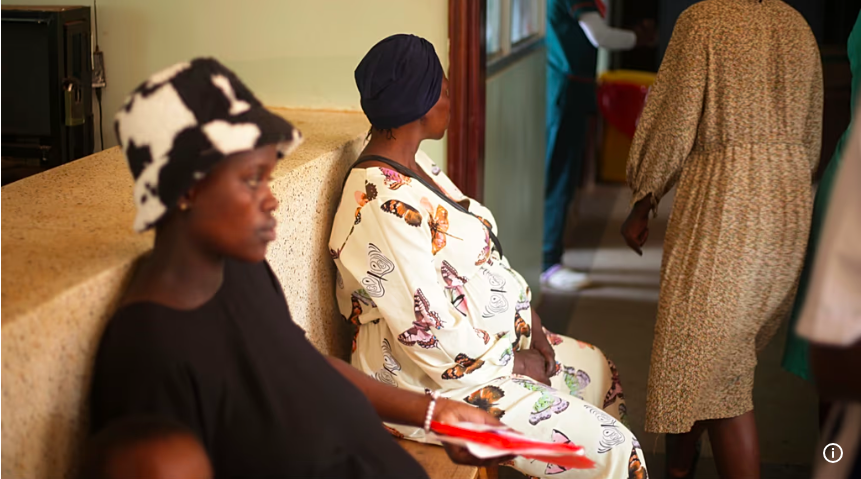
During Uganda’s “malaria season,” which coincides with the rainy months, health centres are overwhelmed with long queues of patients, many of them mothers carrying feverish babies on their backs. The availability of an infant-specific malaria drug offers both relief and reassurance to these families.
A Leap Forward in the Global Fight Against Malaria
The Malaria Consortium, a global nonprofit, hailed the approval of Coartem Baby as “a major leap forward for saving the lives of young children in countries affected by malaria.” The drug is not only set to be rolled out in Uganda but also in Burkina Faso, Côte d’Ivoire, Kenya, Malawi, Mozambique, Nigeria, and Tanzania—all of which face some of the highest malaria burdens in the world.
While the innovation does not eliminate the challenges of malaria prevention and treatment, it fills a long-standing gap that has left infants dangerously exposed. The potential impact is enormous: with timely diagnosis and treatment using Coartem Baby, thousands of newborn lives could be saved each year.
Hope for Parents and Health Workers
For Ugandan parents, especially mothers who have endured loss due to malaria, the new drug represents more than just a medical breakthrough—it is a symbol of hope. Families like that of Nekesa can look forward to safer pregnancies and healthier newborns. For health workers who have long faced the heartbreaking task of losing babies to malaria, Coartem Baby offers renewed confidence in their ability to save lives.
As Uganda prepares to introduce the treatment nationwide, the fight against malaria enters a new chapter. Challenges such as funding shortages, distribution bottlenecks, and continued mosquito control efforts remain, but with this innovation, one of the deadliest diseases in Africa may finally lose some of its grip on the most vulnerable.
The arrival of Coartem Baby shows what can be achieved when global collaboration, scientific innovation, and urgent public health needs come together. For Uganda and many other African nations, it is a vital step toward reducing malaria deaths—and giving newborns a better chance at life.
Conclusion
The approval and anticipated rollout of Coartem Baby in Uganda marks a transformative step in the battle against malaria. By providing a safe, effective, and infant-specific treatment, the drug addresses a critical gap that has cost countless newborn lives. While challenges such as funding, distribution, and continued mosquito control remain, the introduction of this medicine offers renewed hope to parents, reassurance to health workers, and a stronger foundation for Uganda’s fight against one of its deadliest diseases. For many families, this innovation could mean the difference between loss and survival—an invaluable breakthrough in safeguarding the future of the nation’s children.
Would you like me to also make a short, emotionally impactful closing line (like a tagline) that could work well if you’re publishing this article on a blog?
Meta Description:
A newly approved malaria drug for newborns and infants, Coartem Baby, offers fresh hope to parents and health workers in Uganda. The treatment could save thousands of young lives in the fight against Africa’s deadliest disease.
New Malaria Drug for Newborn Babies Offers Hope to Parents, Health Workers in Uganda
For decades, malaria has remained one of the deadliest diseases across Africa, silently claiming the lives of hundreds of thousands each year. Despite being preventable and treatable, the disease still thrives in countries where mosquito populations flourish in stagnant waters and where healthcare systems struggle with limited resources. Uganda, one of the countries hardest hit, now sees a glimmer of hope in the fight against this ancient scourge: a new malaria drug specifically designed for newborns and infants.
A Silent Killer Among the Most Vulnerable
Register for Tekedia Mini-MBA edition 20 (June 8 – Sept 5, 2026).
Register for Tekedia AI in Business Masterclass.
Join Tekedia Capital Syndicate and co-invest in great global startups.
Register for Tekedia AI Lab.
Malaria is not just a health challenge; it is a crisis that deeply affects families, particularly mothers and children. For women like Alice Nekesa, a Ugandan farmer, the impact has been devastating. Nekesa, who miscarried her second child due to undiagnosed malaria during pregnancy, represents the heartbreaking reality many women face. Malaria often strikes silently, especially among expectant mothers and infants who are too weak to withstand its impact.
In 2023, Uganda reported 12.6 million malaria cases and nearly 16,000 deaths, most of them young children and pregnant women, according to the World Health Organisation (WHO). Across Africa, the continent bore 95% of all global malaria deaths that year—amounting to nearly 600,000 lives lost. The tragedy is compounded by the fact that malaria, when diagnosed early, is highly treatable.
Yet, until now, treatment options for the youngest patients were dangerously limited. Health workers often resorted to giving infants diluted doses of antimalarial drugs intended for older children—an imprecise and sometimes risky process that could lead to overdosing or ineffective treatment.

A Breakthrough for Infants
Last month, Swiss-medic, Switzerland’s medical regulator, approved a groundbreaking solution: Coartem Baby (also known as Riamet Baby in some countries). Developed by the Basel-based pharmaceutical company Novartis, this drug has been tailored for babies weighing between 2 and 5 kilograms—newborns and very young infants who had previously been overlooked by mainstream malaria treatments.
The medication is a sweet-tasting, orange- or mango-flavored tablet that dissolves easily in liquids such as water or breast milk, transforming into a syrup that is safe and easy for infants to swallow. Coartem Baby is essentially a lower-dose formulation of a combination therapy already proven effective in older children and adults.

This development was achieved under a fast-track authorisation process, coordinated with the WHO, to ensure that countries most burdened by malaria can access the treatment quickly.
Uganda’s Readiness to Roll Out the Drug
In Uganda, anticipation is high. Health authorities have already begun updating clinical guidelines to include Coartem Baby in national malaria treatment protocols. According to Ronald Serufusa, a top malaria official in Wakiso District, the government expects the drug to be available “very, very soon,” prioritising public awareness campaigns to encourage proper usage.
While some private pharmacies in Uganda have already begun stocking the new medicine, public hospitals are still waiting for official distribution. Paediatrician Jane Nabakooza, part of Uganda’s malaria control program, expressed optimism that the government will make the drug free for patients, despite recent cuts in U.S. foreign aid that affected health budgets.
“Because of funding shortages, we are focusing on those actually prone to severe forms of malaria and malaria deaths, and these are children under five years,” Nabakooza explained. Support from organisations like the Global Fund to Fight AIDS, Malaria, and Tuberculosis remains vital in sustaining preventive efforts such as mosquito net distribution and indoor spraying.
Changing the Way Health Workers Treat Malaria in Infants
Beyond providing a safe treatment option, Coartem Baby could also reshape how frontline health workers diagnose and respond to malaria in newborns. Serufusa emphasized that malaria often goes unnoticed in infants because symptoms resemble those of other dangerous conditions like sepsis. With the new drug in hand, health workers will be more inclined to suspect and test for malaria among newborns, potentially reducing the number of cases that slip through the cracks.
During Uganda’s “malaria season,” which coincides with the rainy months, health centres are overwhelmed with long queues of patients, many of them mothers carrying feverish babies on their backs. The availability of an infant-specific malaria drug offers both relief and reassurance to these families.
A Leap Forward in the Global Fight Against Malaria
The Malaria Consortium, a global nonprofit, hailed the approval of Coartem Baby as “a major leap forward for saving the lives of young children in countries affected by malaria.” The drug is not only set to be rolled out in Uganda but also in Burkina Faso, Côte d’Ivoire, Kenya, Malawi, Mozambique, Nigeria, and Tanzania—all of which face some of the highest malaria burdens in the world.
While the innovation does not eliminate the challenges of malaria prevention and treatment, it fills a long-standing gap that has left infants dangerously exposed. The potential impact is enormous: with timely diagnosis and treatment using Coartem Baby, thousands of newborn lives could be saved each year.
Hope for Parents and Health Workers
For Ugandan parents, especially mothers who have endured loss due to malaria, the new drug represents more than just a medical breakthrough—it is a symbol of hope. Families like that of Nekesa can look forward to safer pregnancies and healthier newborns. For health workers who have long faced the heartbreaking task of losing babies to malaria, Coartem Baby offers renewed confidence in their ability to save lives.
As Uganda prepares to introduce the treatment nationwide, the fight against malaria enters a new chapter. Challenges such as funding shortages, distribution bottlenecks, and continued mosquito control efforts remain, but with this innovation, one of the deadliest diseases in Africa may finally lose some of its grip on the most vulnerable.
The arrival of Coartem Baby shows what can be achieved when global collaboration, scientific innovation, and urgent public health needs come together. For Uganda and many other African nations, it is a vital step toward reducing malaria deaths—and giving newborns a better chance at life.
Conclusion
The approval and anticipated rollout of Coartem Baby in Uganda marks a transformative step in the battle against malaria. By providing a safe, effective, and infant-specific treatment, the drug addresses a critical gap that has cost countless newborn lives. While challenges such as funding, distribution, and continued mosquito control remain, the introduction of this medicine offers renewed hope to parents, reassurance to health workers, and a stronger foundation for Uganda’s fight against one of its deadliest diseases. For many families, this innovation could mean the difference between loss and survival—an invaluable breakthrough in safeguarding the future of the nation’s children.
Would you like me to also make a short, emotionally impactful closing line (like a tagline) that could work well if you’re publishing this article on a blog?
Meta Description:
A newly approved malaria drug for newborns and infants, Coartem Baby, offers fresh hope to parents and health workers in Uganda. The treatment could save thousands of young lives in the fight against Africa’s deadliest disease.
Uploaded files:Share this:
- Click to share on Facebook (Opens in new window) Facebook
- Click to share on X (Opens in new window) X
- Click to share on WhatsApp (Opens in new window) WhatsApp
- Click to share on LinkedIn (Opens in new window) LinkedIn
- Click to email a link to a friend (Opens in new window) Email
- Click to print (Opens in new window) Print