

New Zealand Court Overturns Conviction in Deadly Whakaari Volcano Eruption Case

Quote from Alex Bobby on March 1, 2025, 6:43 AM
New Zealand High Court Overturns Conviction of Whakaari Volcano Owners
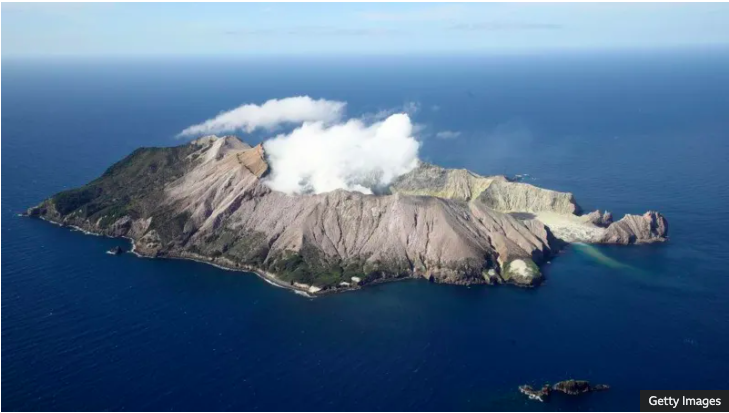
The New Zealand High Court has overturned the conviction of Whakaari Management Limited (WML), the owners of White Island (Whakaari), in relation to the devastating 2019 volcanic eruption that claimed the lives of 22 people. The decision, announced on Friday, reverses the 2023 ruling that found WML guilty of failing to ensure visitor safety, leading to a fine of over NZ$1 million and NZ$4.8 million in reparations to victims.
Background of the Whakaari Eruption
White Island, New Zealand’s most active volcano, had been exhibiting signs of unrest for weeks before the catastrophic eruption on December 9, 2019. The sudden explosion killed 22 people, most of whom were tourists from Australia and the United States. Additionally, 25 others sustained severe burns and injuries, making it one of the deadliest volcanic disasters in modern New Zealand history.
At the time of the eruption, tours to Whakaari were still being conducted despite the increased activity. Various parties, including tour operators and regulatory bodies, were involved in monitoring the site’s safety. However, the eruption occurred unexpectedly, leaving many with little time to react.
The Legal Proceedings Against WML
In the aftermath of the disaster, New Zealand’s workplace health and safety regulator, WorkSafe NZ, charged 13 parties, including tour operators and WML, with breaches of safety regulations. Six defendants pleaded guilty, six had their charges dismissed, and WML was the last to receive a verdict.
In 2023, WML was found guilty of failing to meet safety obligations, given that the company licensed tours to the island. The ruling suggested that as landowners, WML bore responsibility for ensuring the safety of visitors accessing their property.
High Court Ruling and Reversal of Conviction
However, following an appeal, High Court Justice Simon Moore ruled that WML could not be held responsible for visitor safety, as its role was limited to land ownership. While the company permitted licensed tours, it did not control the daily operations on the island.
Justice Moore emphasised that it was reasonable for WML to rely on tour operators, emergency management, and scientific organisations to assess and mitigate safety risks. He also acknowledged the deep emotional impact of the tragedy but maintained that WML’s legal responsibility did not extend to visitor safety under the circumstances.
Reactions and Implications
The ruling has drawn mixed reactions. WorkSafe NZ has stated that it is considering whether to appeal the decision. The verdict also raises broader questions about the liability of landowners in similar situations, especially those granting recreational access to potentially hazardous locations.
The Buttle family, who have owned Whakaari since the 1930s, welcomed the High Court’s ruling. Through their lawyer, they expressed relief, stating that the decision provides clarity for landowners who permit public access to private land.
For the families of victims, however, the decision has been met with disappointment and frustration. Many believe that someone must be held accountable for allowing tours to proceed despite warnings of increased volcanic activity. The ruling may also set a precedent for future cases concerning natural disaster liability and the extent of landowner responsibilities.
Future Considerations
The tragic events of 2019 continue to spark discussions about risk assessment and public safety in tourism. While the legal outcome absolves WML of responsibility, the case highlights the need for stricter safety protocols, clearer regulatory guidelines, and improved communication among tour operators, scientists, and government agencies.
As New Zealand grapples with the broader implications of this decision, one thing remains certain: the Whakaari eruption will be remembered as a sobering lesson in balancing adventure tourism with public safety.
Conclusion
The High Court’s decision to overturn Whakaari Management Limited’s conviction marks a significant legal precedent regarding landowner liability in New Zealand. While the ruling provides clarity for landowners who grant access to potentially hazardous sites, it also raises important questions about who should ultimately be responsible for visitor safety in high-risk environments.
For the families of the victims, the decision may feel like a setback in their pursuit of accountability. However, the ruling does not erase the immense tragedy of the 2019 Whakaari eruption. As Worksafe NZ considers whether to appeal, the case continues to highlight the delicate balance between adventure tourism, corporate responsibility, and public safety. Moving forward, stronger regulations and clearer risk management protocols may be necessary to prevent such devastating incidents in the future.
New Zealand High Court Overturns Conviction of Whakaari Volcano Owners
The New Zealand High Court has overturned the conviction of Whakaari Management Limited (WML), the owners of White Island (Whakaari), in relation to the devastating 2019 volcanic eruption that claimed the lives of 22 people. The decision, announced on Friday, reverses the 2023 ruling that found WML guilty of failing to ensure visitor safety, leading to a fine of over NZ$1 million and NZ$4.8 million in reparations to victims.
Background of the Whakaari Eruption
Register for Tekedia Mini-MBA edition 20 (June 8 – Sept 5, 2026).
Register for Tekedia AI in Business Masterclass.
Join Tekedia Capital Syndicate and co-invest in great global startups.
Register for Tekedia AI Lab.
White Island, New Zealand’s most active volcano, had been exhibiting signs of unrest for weeks before the catastrophic eruption on December 9, 2019. The sudden explosion killed 22 people, most of whom were tourists from Australia and the United States. Additionally, 25 others sustained severe burns and injuries, making it one of the deadliest volcanic disasters in modern New Zealand history.
At the time of the eruption, tours to Whakaari were still being conducted despite the increased activity. Various parties, including tour operators and regulatory bodies, were involved in monitoring the site’s safety. However, the eruption occurred unexpectedly, leaving many with little time to react.
The Legal Proceedings Against WML

In the aftermath of the disaster, New Zealand’s workplace health and safety regulator, WorkSafe NZ, charged 13 parties, including tour operators and WML, with breaches of safety regulations. Six defendants pleaded guilty, six had their charges dismissed, and WML was the last to receive a verdict.
In 2023, WML was found guilty of failing to meet safety obligations, given that the company licensed tours to the island. The ruling suggested that as landowners, WML bore responsibility for ensuring the safety of visitors accessing their property.
High Court Ruling and Reversal of Conviction

However, following an appeal, High Court Justice Simon Moore ruled that WML could not be held responsible for visitor safety, as its role was limited to land ownership. While the company permitted licensed tours, it did not control the daily operations on the island.
Justice Moore emphasised that it was reasonable for WML to rely on tour operators, emergency management, and scientific organisations to assess and mitigate safety risks. He also acknowledged the deep emotional impact of the tragedy but maintained that WML’s legal responsibility did not extend to visitor safety under the circumstances.
Reactions and Implications
The ruling has drawn mixed reactions. WorkSafe NZ has stated that it is considering whether to appeal the decision. The verdict also raises broader questions about the liability of landowners in similar situations, especially those granting recreational access to potentially hazardous locations.
The Buttle family, who have owned Whakaari since the 1930s, welcomed the High Court’s ruling. Through their lawyer, they expressed relief, stating that the decision provides clarity for landowners who permit public access to private land.
For the families of victims, however, the decision has been met with disappointment and frustration. Many believe that someone must be held accountable for allowing tours to proceed despite warnings of increased volcanic activity. The ruling may also set a precedent for future cases concerning natural disaster liability and the extent of landowner responsibilities.
Future Considerations
The tragic events of 2019 continue to spark discussions about risk assessment and public safety in tourism. While the legal outcome absolves WML of responsibility, the case highlights the need for stricter safety protocols, clearer regulatory guidelines, and improved communication among tour operators, scientists, and government agencies.
As New Zealand grapples with the broader implications of this decision, one thing remains certain: the Whakaari eruption will be remembered as a sobering lesson in balancing adventure tourism with public safety.
Conclusion
The High Court’s decision to overturn Whakaari Management Limited’s conviction marks a significant legal precedent regarding landowner liability in New Zealand. While the ruling provides clarity for landowners who grant access to potentially hazardous sites, it also raises important questions about who should ultimately be responsible for visitor safety in high-risk environments.
For the families of the victims, the decision may feel like a setback in their pursuit of accountability. However, the ruling does not erase the immense tragedy of the 2019 Whakaari eruption. As Worksafe NZ considers whether to appeal, the case continues to highlight the delicate balance between adventure tourism, corporate responsibility, and public safety. Moving forward, stronger regulations and clearer risk management protocols may be necessary to prevent such devastating incidents in the future.
Uploaded files:Share this:
- Click to share on Facebook (Opens in new window) Facebook
- Click to share on X (Opens in new window) X
- Click to share on WhatsApp (Opens in new window) WhatsApp
- Click to share on LinkedIn (Opens in new window) LinkedIn
- Click to email a link to a friend (Opens in new window) Email
- Click to print (Opens in new window) Print