

Nigerian Military Kills Scores of Bandits in Major Zamfara Air and Ground Raids

Quote from Alex Bobby on August 13, 2025, 9:38 AM
Scores of Bandits Killed in Air and Ground Raids, Nigerian Military Says
In a decisive show of force, the Nigerian military says it has killed scores of gunmen, locally referred to as “bandits,” in coordinated air and ground raids in Zamfara State. The operation, according to the Nigerian Air Force (NAF), took place in Makakkari forest — a notorious hideout for armed gangs that have plagued the region with kidnappings, extortion, and deadly attacks.
The announcement, made on Monday, marks one of the most significant counteroffensives against these heavily armed criminal networks in recent months. It comes against a backdrop of escalating violence in Nigeria’s north-west, where entire villages have been emptied, lives lost, and communities destabilised by brazen attacks.
A Deadly Gathering Interrupted
NAF spokesperson Air Commodore Ehimen Ejodame said the raids were launched after surveillance detected over 400 gang members assembling in the forest. Intelligence reports indicated the group was preparing to launch an assault on a nearby village — an attack that could have added to the mounting death toll and displacement crisis in Zamfara.
What followed was a combination of precision airstrikes and coordinated ground assaults. Jet fighters, guided by real-time surveillance, bombarded key positions within the forest, targeting both the foot soldiers and their leadership. “Several notorious bandit kingpins and scores of their foot soldiers were neutralised,” Ejodame confirmed, noting that the ground forces intercepted and killed others as they attempted to flee.
Mounting Toll of Violence
Over the past two weeks alone, armed gangs have struck several settlements in north-west Nigeria, leaving scores dead and many more kidnapped. The violence has not spared security personnel either — at least 13 have been killed in recent incidents.
The victims are often ordinary villagers, caught between the bandits’ thirst for ransom and the state’s struggle to contain the crisis. In many cases, entire communities have been forced to flee, abandoning their homes, farms, and livelihoods.
Kidnapping as an Industry
Kidnapping for ransom has evolved into a lucrative enterprise for criminal groups in Nigeria’s north-west and parts of the central region. Initially driven by cattle rustling and village raids, the bandits have shifted focus toward mass abductions, targeting schoolchildren, travellers, and rural residents.
The scale of the business is staggering. Victims’ families are often forced to pay ransoms that range from modest sums to millions of Naira — sometimes selling off property or borrowing from relatives to secure their loved ones’ freedom.
Increasingly, these criminal gangs are forging ties with jihadist groups such as Boko Haram and Islamic State West Africa Province (ISWAP). This cooperation has given them access to heavier weaponry, tactical training, and broader networks for trafficking arms and supplies.
Military Pressure, Persistent Threat
In recent years, the Nigerian military has stepped up its counter-banditry operations. Just last month, the army reported killing at least 95 gang members in similar operations. While these offensives have inflicted significant losses on the gangs, the violence persists — raising questions about the long-term effectiveness of purely military solutions.
Experts say that while targeted strikes can disrupt bandit operations temporarily, deeper socioeconomic and governance issues fuel the crisis. Poor infrastructure, lack of employment, weak law enforcement, and limited access to education all create fertile ground for recruitment into criminal gangs.
Community Impact and the Road Ahead
For residents of Zamfara, every fresh report of a successful military strike brings a flicker of hope — but also a reminder of the fragility of peace in the region. Some communities have started forming vigilante groups to protect themselves, but this often escalates violence, as bandits retaliate against perceived collaborators with security forces.
The Nigerian government faces a complex balancing act: maintaining relentless pressure on these gangs while also addressing the root causes that keep the cycle of violence spinning. Without parallel investments in local development, education, and security sector reform, the military’s victories may remain short-lived.
International and Regional Dimensions
The bandit crisis is not confined to Nigeria’s borders. Criminal networks operate fluidly across the Sahel, where porous borders allow fighters, weapons, and illicit goods to move with little resistance. Neighbouring countries such as Niger and Chad have also struggled to contain similar threats, creating a regional security challenge.
Regional cooperation, intelligence-sharing, and joint military operations have been discussed, but implementation has been inconsistent. Analysts warn that without a coordinated West African approach, the problem could become more entrenched and spread further.
A Message to the Criminal Networks
For now, the Makakkari operation sends a clear message: the Nigerian military is willing and able to strike hard at those threatening the safety of its citizens. By eliminating both key leaders and large numbers of fighters, the military hopes to weaken the operational capacity of the gangs.
But as history has shown, the death of one kingpin often creates a vacuum that others are eager to fill. Sustained pressure, combined with political will and community engagement, will be critical if the current momentum is to translate into lasting peace.
Conclusion
The killing of scores of bandits in Zamfara marks an important tactical success for Nigeria’s armed forces. It disrupts a planned attack, delivers a blow to the morale of criminal gangs, and reassures a population long battered by insecurity. Yet, the persistence of these attacks underscores a hard truth: this is a war of attrition, one that will not be won by firepower alone.
As Nigeria continues to confront its bandit crisis, the challenge lies not only in defeating the gunmen in the forests but also in dismantling the conditions that keep those forests full of recruits. Until then, each military victory will remain a chapter in an unfinished story of struggle, resilience, and the pursuit of lasting peace.
Meta Description:
The Nigerian military says scores of bandits have been killed in coordinated air and ground raids in Zamfara State’s Makakkari forest, disrupting a planned attack and targeting notorious gang leaders behind kidnappings and deadly assaults.
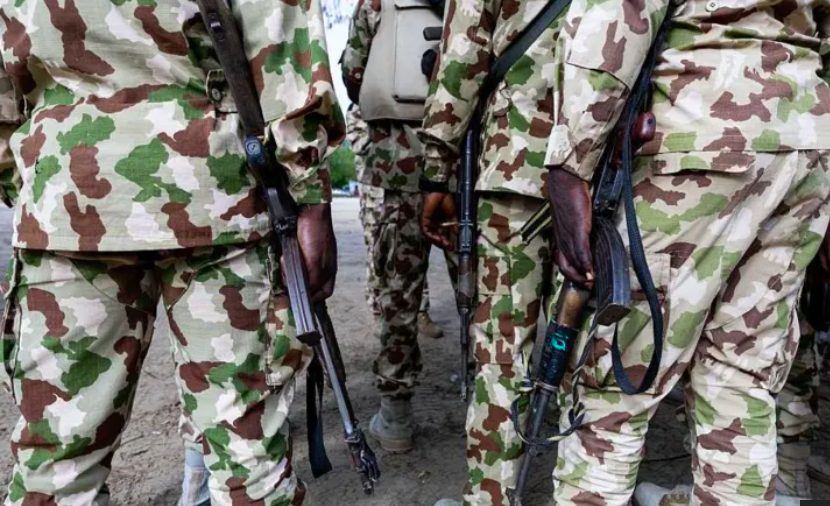
Scores of Bandits Killed in Air and Ground Raids, Nigerian Military Says
In a decisive show of force, the Nigerian military says it has killed scores of gunmen, locally referred to as “bandits,” in coordinated air and ground raids in Zamfara State. The operation, according to the Nigerian Air Force (NAF), took place in Makakkari forest — a notorious hideout for armed gangs that have plagued the region with kidnappings, extortion, and deadly attacks.
The announcement, made on Monday, marks one of the most significant counteroffensives against these heavily armed criminal networks in recent months. It comes against a backdrop of escalating violence in Nigeria’s north-west, where entire villages have been emptied, lives lost, and communities destabilised by brazen attacks.
Register for Tekedia Mini-MBA edition 20 (June 8 – Sept 5, 2026).
Register for Tekedia AI in Business Masterclass.
Join Tekedia Capital Syndicate and co-invest in great global startups.
Register for Tekedia AI Lab.
A Deadly Gathering Interrupted
NAF spokesperson Air Commodore Ehimen Ejodame said the raids were launched after surveillance detected over 400 gang members assembling in the forest. Intelligence reports indicated the group was preparing to launch an assault on a nearby village — an attack that could have added to the mounting death toll and displacement crisis in Zamfara.
What followed was a combination of precision airstrikes and coordinated ground assaults. Jet fighters, guided by real-time surveillance, bombarded key positions within the forest, targeting both the foot soldiers and their leadership. “Several notorious bandit kingpins and scores of their foot soldiers were neutralised,” Ejodame confirmed, noting that the ground forces intercepted and killed others as they attempted to flee.

Mounting Toll of Violence
Over the past two weeks alone, armed gangs have struck several settlements in north-west Nigeria, leaving scores dead and many more kidnapped. The violence has not spared security personnel either — at least 13 have been killed in recent incidents.
The victims are often ordinary villagers, caught between the bandits’ thirst for ransom and the state’s struggle to contain the crisis. In many cases, entire communities have been forced to flee, abandoning their homes, farms, and livelihoods.

Kidnapping as an Industry
Kidnapping for ransom has evolved into a lucrative enterprise for criminal groups in Nigeria’s north-west and parts of the central region. Initially driven by cattle rustling and village raids, the bandits have shifted focus toward mass abductions, targeting schoolchildren, travellers, and rural residents.
The scale of the business is staggering. Victims’ families are often forced to pay ransoms that range from modest sums to millions of Naira — sometimes selling off property or borrowing from relatives to secure their loved ones’ freedom.
Increasingly, these criminal gangs are forging ties with jihadist groups such as Boko Haram and Islamic State West Africa Province (ISWAP). This cooperation has given them access to heavier weaponry, tactical training, and broader networks for trafficking arms and supplies.
Military Pressure, Persistent Threat
In recent years, the Nigerian military has stepped up its counter-banditry operations. Just last month, the army reported killing at least 95 gang members in similar operations. While these offensives have inflicted significant losses on the gangs, the violence persists — raising questions about the long-term effectiveness of purely military solutions.
Experts say that while targeted strikes can disrupt bandit operations temporarily, deeper socioeconomic and governance issues fuel the crisis. Poor infrastructure, lack of employment, weak law enforcement, and limited access to education all create fertile ground for recruitment into criminal gangs.
Community Impact and the Road Ahead
For residents of Zamfara, every fresh report of a successful military strike brings a flicker of hope — but also a reminder of the fragility of peace in the region. Some communities have started forming vigilante groups to protect themselves, but this often escalates violence, as bandits retaliate against perceived collaborators with security forces.
The Nigerian government faces a complex balancing act: maintaining relentless pressure on these gangs while also addressing the root causes that keep the cycle of violence spinning. Without parallel investments in local development, education, and security sector reform, the military’s victories may remain short-lived.
International and Regional Dimensions
The bandit crisis is not confined to Nigeria’s borders. Criminal networks operate fluidly across the Sahel, where porous borders allow fighters, weapons, and illicit goods to move with little resistance. Neighbouring countries such as Niger and Chad have also struggled to contain similar threats, creating a regional security challenge.
Regional cooperation, intelligence-sharing, and joint military operations have been discussed, but implementation has been inconsistent. Analysts warn that without a coordinated West African approach, the problem could become more entrenched and spread further.
A Message to the Criminal Networks
For now, the Makakkari operation sends a clear message: the Nigerian military is willing and able to strike hard at those threatening the safety of its citizens. By eliminating both key leaders and large numbers of fighters, the military hopes to weaken the operational capacity of the gangs.
But as history has shown, the death of one kingpin often creates a vacuum that others are eager to fill. Sustained pressure, combined with political will and community engagement, will be critical if the current momentum is to translate into lasting peace.
Conclusion
The killing of scores of bandits in Zamfara marks an important tactical success for Nigeria’s armed forces. It disrupts a planned attack, delivers a blow to the morale of criminal gangs, and reassures a population long battered by insecurity. Yet, the persistence of these attacks underscores a hard truth: this is a war of attrition, one that will not be won by firepower alone.
As Nigeria continues to confront its bandit crisis, the challenge lies not only in defeating the gunmen in the forests but also in dismantling the conditions that keep those forests full of recruits. Until then, each military victory will remain a chapter in an unfinished story of struggle, resilience, and the pursuit of lasting peace.
Meta Description:
The Nigerian military says scores of bandits have been killed in coordinated air and ground raids in Zamfara State’s Makakkari forest, disrupting a planned attack and targeting notorious gang leaders behind kidnappings and deadly assaults.
Share this:
- Click to share on Facebook (Opens in new window) Facebook
- Click to share on X (Opens in new window) X
- Click to share on WhatsApp (Opens in new window) WhatsApp
- Click to share on LinkedIn (Opens in new window) LinkedIn
- Click to email a link to a friend (Opens in new window) Email
- Click to print (Opens in new window) Print