

Perrier Under Fire: The Bottled Water Purity Scandal Shaking France

Quote from Alex Bobby on August 10, 2025, 5:00 AM
Is Perrier as Pure as It Claims? The Bottled Water Scandal Rocking France
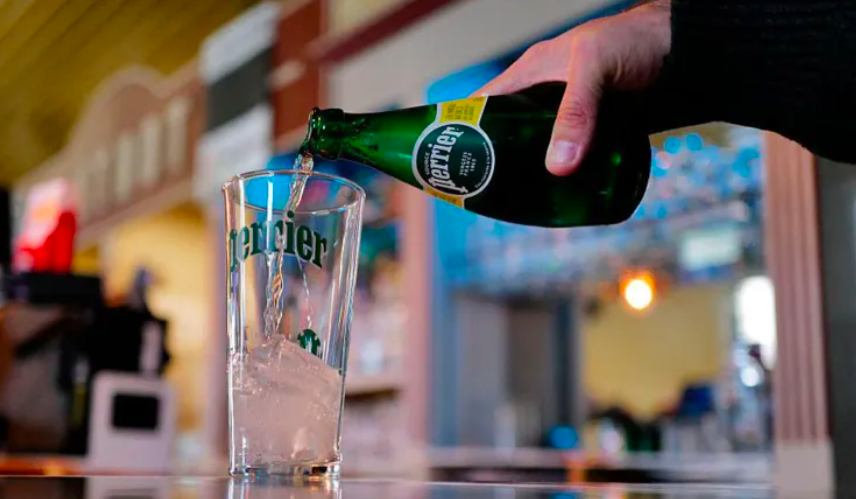
For decades, France’s mineral water industry has built its global reputation on the image of untouched springs, pristine mountain streams, and nature’s perfect filtration system. Among its crown jewels is Perrier — the sparkling green bottle synonymous with luxury hydration. But a growing scandal is threatening to tarnish that image, raising fundamental questions about whether the water millions pay a premium for is as “natural” as it claims.
A Brewing Crisis in France’s Mineral Water Industry
The trouble began to surface last year, when an investigation by Le Monde and Radio France revealed that at least a third of mineral water sold in France had been treated — secretly and illegally — before being bottled. The treatments, which included ultraviolet light, carbon filters, and ultra-fine micro-meshes, are commonly used in the water industry to remove bacteria and other impurities.
The issue is not that the water was unsafe; on the contrary, the treated water was perfectly safe to drink. The scandal lies in the fact that, under EU law, “natural mineral water” must be bottled exactly as it emerges from its underground source. No filtration, no alteration. The industry’s entire marketing narrative — purity, direct from nature — depends on that guarantee.
Climate Change and Contaminated Sources
According to hydrologist Emma Haziza, the problem stems from a combination of climate change and overexploitation of water sources. “The commercial model of the big producers has worked very well,” she explained. “But it is absolutely not sustainable at a time of global climate change. When you have big brands that feel they have no choice but to treat their water — that means they know there is a problem with the quality.”
Years of drought in France have lowered water tables and concentrated pollutants, making natural springs more vulnerable to contamination. For a brand like Perrier, whose appeal rests on an image of unspoiled natural origins, even admitting to filtration would be a reputational disaster.
“Our Water-gate”
“This really is our Water-gate,” said Le Monde journalist Stéphane Mandard, who helped break the story. “It’s a combination of industrial fraud and state collusion. And now there is a real Sword of Damocles hanging over the head of Perrier.”
What makes this case especially explosive are allegations that both industry executives and government officials knew about the illicit treatments but conspired to keep the public in the dark. According to Le Monde and Radio France, the French government considered the mineral water industry so strategically important — both economically and symbolically — that it moved to suppress damaging reports of contamination.
A French Senate inquiry went further, accusing the government of a “deliberate strategy” of “dissimulation” and suggesting that regulations were quietly rewritten to allow Perrier to continue using micro-filtration without losing its “natural mineral water” label.
The Stakes for Perrier and Nestlé
Perrier’s parent company, Nestlé, now finds itself at the centre of a storm. Nestlé is not only a corporate giant in the bottled water market but also a global ambassador for the “natural” water concept. A ruling against Perrier could lead to lawsuits, loss of consumer trust, and possibly force a rebranding of products that are among France’s most famous exports.
For consumers, the implications go beyond Perrier. Other household names such as Evian and Vichy have also been linked to similar treatment practices. If the perception of “natural mineral water” collapses, the entire industry could face a reckoning.
Government and EU Response
Faced with mounting scrutiny, the French government has referred the matter to the European Commission, asking it to clarify what level — if any — of micro-filtration is permissible for products marketed as “natural mineral water.”
Aurelien Rousseau, who was chief of staff to then-Prime Minister Élisabeth Borne when the controversy first emerged, admitted to an “error of appreciation” but maintained there was never any risk to public health. Critics argue that this misses the point: the scandal is less about immediate health dangers and more about transparency, consumer rights, and environmental sustainability.
Erosion of Consumer Trust
The marketing of mineral water as a pure, unaltered product allows companies to charge far more than the price of tap water — sometimes 100 times more per litre. If consumers come to believe that bottled water is just filtered tap water with a fancy label, the business model could crumble.
And climate change ensures this will not be a one-off controversy. As droughts intensify and aquifers become increasingly stressed, the pressure on companies to “fix” their water before bottling will grow. The question is whether regulators and brands will be honest about it.
The Bigger Picture
Beyond consumer deception, the scandal also raises larger environmental questions. Critics say that bottling and transporting water across the world is wasteful, especially when the product may not be any purer than local tap water. The carbon footprint, plastic waste, and overextraction of fragile water sources all add to the debate.
For Haziza, the lesson is clear: “We must rethink the way we manage water resources in an era of climate disruption. The old model of exploiting a natural source endlessly, while selling an illusion of purity, is breaking down.”
What Happens Next?
A decision in the Perrier case is expected in the coming months. If the European Commission rules that micro-filtration violates the definition of “natural mineral water,” Perrier could be forced to change its labelling — and potentially its entire branding strategy.
Until then, the Sword of Damocles Mandard warned about will continue to hang over France’s most famous bottled water brand. And whether the scandal ends with minor regulatory tweaks or a seismic shift in the industry, one thing is certain: the bottled water market will never look quite as pristine as its glossy ads suggest.
final thoughts
Ultimately, the Perrier controversy underscores a broader reality: in an age of climate crisis, even the most iconic brands must confront the limits of their resources and the scrutiny of an increasingly informed public. Trust, once broken, is hard to rebuild, and no amount of clever branding can mask actions that contradict the very values a product claims to embody. If the industry wants to survive—and thrive—it must choose transparency over secrecy, sustainability over short-term gain, and genuine purity over marketing illusions. The coming verdict will be pivotal, but the real judgment will come from consumers deciding whether they still believe in the story behind the bottle.
conclusion
In the end, the Perrier scandal is not just about a single brand or even the bottled water industry—it is a wake-up call about the fragile balance between commercial interests, environmental stewardship, and consumer trust. Climate change is already reshaping the resources we take for granted, and the temptation to quietly bend the rules for profit risks eroding public faith in long-cherished institutions. Whether the verdict in the coming months clears Perrier or confirms wrongdoing, the case has already revealed uncomfortable truths: purity cannot simply be a marketing slogan, and transparency in times of ecological stress is not optional—it’s essential for the future of both the planet and the industries that depend on it.
Is Perrier as Pure as It Claims? The Bottled Water Scandal Rocking France
For decades, France’s mineral water industry has built its global reputation on the image of untouched springs, pristine mountain streams, and nature’s perfect filtration system. Among its crown jewels is Perrier — the sparkling green bottle synonymous with luxury hydration. But a growing scandal is threatening to tarnish that image, raising fundamental questions about whether the water millions pay a premium for is as “natural” as it claims.
A Brewing Crisis in France’s Mineral Water Industry
Register for Tekedia Mini-MBA edition 20 (June 8 – Sept 5, 2026).
Register for Tekedia AI in Business Masterclass.
Join Tekedia Capital Syndicate and co-invest in great global startups.
Register for Tekedia AI Lab.
The trouble began to surface last year, when an investigation by Le Monde and Radio France revealed that at least a third of mineral water sold in France had been treated — secretly and illegally — before being bottled. The treatments, which included ultraviolet light, carbon filters, and ultra-fine micro-meshes, are commonly used in the water industry to remove bacteria and other impurities.
The issue is not that the water was unsafe; on the contrary, the treated water was perfectly safe to drink. The scandal lies in the fact that, under EU law, “natural mineral water” must be bottled exactly as it emerges from its underground source. No filtration, no alteration. The industry’s entire marketing narrative — purity, direct from nature — depends on that guarantee.
Climate Change and Contaminated Sources

According to hydrologist Emma Haziza, the problem stems from a combination of climate change and overexploitation of water sources. “The commercial model of the big producers has worked very well,” she explained. “But it is absolutely not sustainable at a time of global climate change. When you have big brands that feel they have no choice but to treat their water — that means they know there is a problem with the quality.”
Years of drought in France have lowered water tables and concentrated pollutants, making natural springs more vulnerable to contamination. For a brand like Perrier, whose appeal rests on an image of unspoiled natural origins, even admitting to filtration would be a reputational disaster.
“Our Water-gate”

“This really is our Water-gate,” said Le Monde journalist Stéphane Mandard, who helped break the story. “It’s a combination of industrial fraud and state collusion. And now there is a real Sword of Damocles hanging over the head of Perrier.”
What makes this case especially explosive are allegations that both industry executives and government officials knew about the illicit treatments but conspired to keep the public in the dark. According to Le Monde and Radio France, the French government considered the mineral water industry so strategically important — both economically and symbolically — that it moved to suppress damaging reports of contamination.
A French Senate inquiry went further, accusing the government of a “deliberate strategy” of “dissimulation” and suggesting that regulations were quietly rewritten to allow Perrier to continue using micro-filtration without losing its “natural mineral water” label.
The Stakes for Perrier and Nestlé
Perrier’s parent company, Nestlé, now finds itself at the centre of a storm. Nestlé is not only a corporate giant in the bottled water market but also a global ambassador for the “natural” water concept. A ruling against Perrier could lead to lawsuits, loss of consumer trust, and possibly force a rebranding of products that are among France’s most famous exports.
For consumers, the implications go beyond Perrier. Other household names such as Evian and Vichy have also been linked to similar treatment practices. If the perception of “natural mineral water” collapses, the entire industry could face a reckoning.
Government and EU Response
Faced with mounting scrutiny, the French government has referred the matter to the European Commission, asking it to clarify what level — if any — of micro-filtration is permissible for products marketed as “natural mineral water.”
Aurelien Rousseau, who was chief of staff to then-Prime Minister Élisabeth Borne when the controversy first emerged, admitted to an “error of appreciation” but maintained there was never any risk to public health. Critics argue that this misses the point: the scandal is less about immediate health dangers and more about transparency, consumer rights, and environmental sustainability.
Erosion of Consumer Trust
The marketing of mineral water as a pure, unaltered product allows companies to charge far more than the price of tap water — sometimes 100 times more per litre. If consumers come to believe that bottled water is just filtered tap water with a fancy label, the business model could crumble.
And climate change ensures this will not be a one-off controversy. As droughts intensify and aquifers become increasingly stressed, the pressure on companies to “fix” their water before bottling will grow. The question is whether regulators and brands will be honest about it.
The Bigger Picture
Beyond consumer deception, the scandal also raises larger environmental questions. Critics say that bottling and transporting water across the world is wasteful, especially when the product may not be any purer than local tap water. The carbon footprint, plastic waste, and overextraction of fragile water sources all add to the debate.
For Haziza, the lesson is clear: “We must rethink the way we manage water resources in an era of climate disruption. The old model of exploiting a natural source endlessly, while selling an illusion of purity, is breaking down.”
What Happens Next?
A decision in the Perrier case is expected in the coming months. If the European Commission rules that micro-filtration violates the definition of “natural mineral water,” Perrier could be forced to change its labelling — and potentially its entire branding strategy.
Until then, the Sword of Damocles Mandard warned about will continue to hang over France’s most famous bottled water brand. And whether the scandal ends with minor regulatory tweaks or a seismic shift in the industry, one thing is certain: the bottled water market will never look quite as pristine as its glossy ads suggest.
final thoughts
Ultimately, the Perrier controversy underscores a broader reality: in an age of climate crisis, even the most iconic brands must confront the limits of their resources and the scrutiny of an increasingly informed public. Trust, once broken, is hard to rebuild, and no amount of clever branding can mask actions that contradict the very values a product claims to embody. If the industry wants to survive—and thrive—it must choose transparency over secrecy, sustainability over short-term gain, and genuine purity over marketing illusions. The coming verdict will be pivotal, but the real judgment will come from consumers deciding whether they still believe in the story behind the bottle.
conclusion
In the end, the Perrier scandal is not just about a single brand or even the bottled water industry—it is a wake-up call about the fragile balance between commercial interests, environmental stewardship, and consumer trust. Climate change is already reshaping the resources we take for granted, and the temptation to quietly bend the rules for profit risks eroding public faith in long-cherished institutions. Whether the verdict in the coming months clears Perrier or confirms wrongdoing, the case has already revealed uncomfortable truths: purity cannot simply be a marketing slogan, and transparency in times of ecological stress is not optional—it’s essential for the future of both the planet and the industries that depend on it.
Uploaded files:Share this:
- Click to share on Facebook (Opens in new window) Facebook
- Click to share on X (Opens in new window) X
- Click to share on WhatsApp (Opens in new window) WhatsApp
- Click to share on LinkedIn (Opens in new window) LinkedIn
- Click to email a link to a friend (Opens in new window) Email
- Click to print (Opens in new window) Print