

Poland to Build Europe’s First Small Modular Nuclear Reactor in Włocławek

Quote from Alex Bobby on August 29, 2025, 7:27 AM
Poland to Build Europe’s First Small Modular Nuclear Power Plant in Włocławek
Poland is set to make European energy history with the construction of the continent’s first small modular nuclear power plant (SMR). The state-run energy giant Orlen announced on Thursday that the pioneering project will be located in the city of Włocławek, in central Poland. The plant will use the cutting-edge BWRX-300 reactor technology, developed in the United States, and represents a major step in Poland’s effort to transition away from coal and embrace cleaner, more sustainable energy sources.
This bold move positions Poland at the forefront of Europe’s nuclear innovation, underscoring its growing role as a leader in the adoption of advanced energy technologies.
A First for Europe
The Włocławek SMR will be the first of its kind in Europe, marking a historic milestone not just for Poland, but for the continent’s broader energy transformation. Orlen’s CEO, Ireneusz Fąfara, hailed the decision as a critical step toward building “the energy of tomorrow.”
“Europe's first small BWRX-300 nuclear power plant will be built in Poland: we are building the energy of tomorrow,” Fąfara said in the announcement.
The development comes as part of a joint venture between Orlen and Synthos Green Energy (SGE). The partnership, known as Orlen Synthos Green Energy (OSGE), is structured as a 50-50 ownership deal, giving both companies equal stakes in the project. One of the most significant aspects of the agreement is OSGE’s full access to the BWRX-300 reactor technology, developed by GE Hitachi Nuclear Energy.
This access ensures that Poland will not only be the first European country to host an SMR but also a pioneer in implementing one of the most advanced nuclear technologies currently available.
The BWRX-300: A Game-Changing Technology
The BWRX-300 is widely regarded as the most technologically advanced small modular nuclear reactor project in the world. Unlike traditional large-scale nuclear reactors, which are often complex and costly to build, SMRs are designed to be smaller, safer, and more flexible.
Key features of the BWRX-300 include:
- Scalability: The modular design allows reactors to be built in stages, making them adaptable to changing energy needs.
- Safety: The system uses passive safety features, reducing reliance on active mechanical systems and human intervention in the event of a malfunction.
- Efficiency: The smaller size and modular nature make construction faster and cheaper compared to traditional reactors.
- Sustainability: As a zero-emission energy source, SMRs can significantly reduce reliance on coal and other fossil fuels.
For Poland, which has historically depended heavily on coal, the BWRX-300 represents a vital pathway toward energy security and decarbonization.
Why Włocławek?
The decision to build the first SMR in Włocławek reflects Orlen’s strategic focus on regions of key industrial importance. The city already plays a critical role in Poland’s energy and chemical industries, making it a logical choice for hosting the new facility.
By situating the SMR in Włocławek, Orlen aims to not only diversify the local energy supply but also strengthen the region’s economic base, creating jobs and new opportunities linked to the clean energy transition.
Poland’s Broader Energy Strategy
Poland remains one of the most coal-dependent countries in Europe. According to a report by think tank Forum Energii, in 2019, Poland was responsible for burning nearly 87% of all coal consumed in EU households. This dependence has made Poland one of the bloc’s largest emitters of greenhouse gases.
But change is coming. In 2023, Poland approved the construction of 24 SMRs at six locations. The Włocławek project is one of the first tangible steps in that ambitious plan. By 2035, Orlen aims to have at least two SMRs operational, with a combined capacity of 0.6 gigawatts.
The development of SMRs is part of Poland’s broader goal to move away from fossil fuels, modernize its energy grid, and align more closely with European Union climate targets.
A Symbol of Transition
The construction of Europe’s first SMR is not just about energy—it’s about symbolism. For decades, Poland’s energy sector has been dominated by coal mines and coal-fired power plants. Transitioning to nuclear power, particularly through advanced modular reactors, sends a strong message: Poland is ready to embrace a new energy era.
SMRs could also provide a model for other European countries grappling with similar challenges. The scalability and cost-effectiveness of SMRs make them especially appealing for nations that cannot easily build or afford large-scale nuclear power plants.
Challenges Ahead
While the announcement has been met with optimism, challenges remain. Nuclear energy, though clean in terms of emissions, comes with concerns around waste management, regulation, and public acceptance. Additionally, although SMRs are designed to be cheaper than conventional nuclear plants, the initial investment and regulatory processes will still be complex.
Nevertheless, Orlen and Synthos Green Energy argue that access to U.S.-developed technology, combined with Poland’s political and industrial commitment, places the project on firm footing.
Looking Forward
As construction plans take shape, all eyes will be on Włocławek to see how Poland manages the first deployment of this next-generation nuclear technology in Europe. If the project proceeds smoothly, it could set a precedent for other EU nations exploring SMRs as a viable path to cleaner, more reliable energy. With Orlen and Synthos Green Energy leading the charge, Poland has the opportunity not only to reduce its coal dependence but also to establish itself as a regional leader in nuclear innovation.
Final Thoughts
Poland’s decision to pioneer Europe’s first small modular reactor represents far more than a single infrastructure project. It marks a shift in the country’s identity—from being one of the EU’s most coal-dependent economies to becoming a testbed for cutting-edge clean energy solutions. If successful, the Włocławek SMR will not only strengthen Poland’s energy independence but also inspire broader adoption of modular nuclear technology across Europe. The road ahead will require careful regulation, international cooperation, and strong public support, but the potential rewards—greater sustainability, reliability, and security—make the effort worthwhile.
Conclusion
Poland’s decision to build Europe’s first small modular nuclear power plant in Włocławek is a groundbreaking step in the country’s effort to move beyond coal and adopt cleaner, more sustainable energy. With the BWRX-300 technology, Poland is not only addressing its domestic energy challenges but also positioning itself as a pioneer in Europe’s nuclear future.
If successful, the project could inspire other European nations to follow suit, making SMRs a central piece of the continent’s energy transformation. For Poland, it marks a bold shift toward energy independence, sustainability, and innovation.
Meta Description:
Poland will host Europe’s first BWRX-300 small modular nuclear power plant in Włocławek, a milestone in its shift from coal to clean energy. State-run giant Orlen and Synthos Green Energy lead the project.
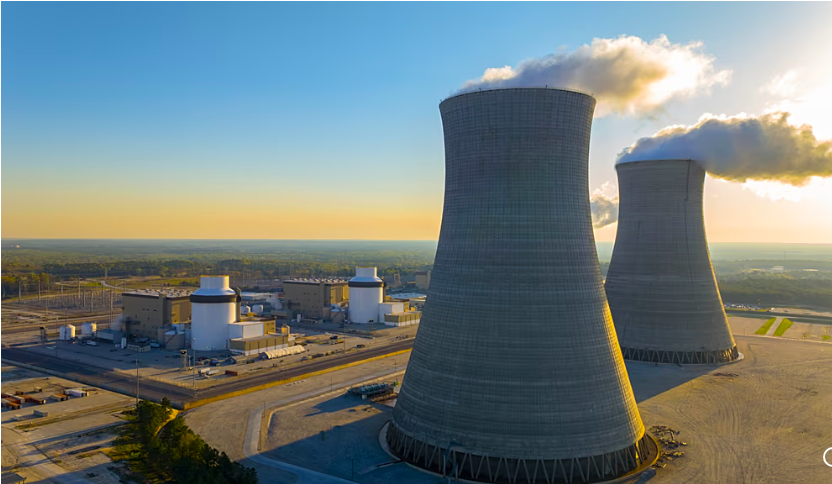
Poland to Build Europe’s First Small Modular Nuclear Power Plant in Włocławek
Poland is set to make European energy history with the construction of the continent’s first small modular nuclear power plant (SMR). The state-run energy giant Orlen announced on Thursday that the pioneering project will be located in the city of Włocławek, in central Poland. The plant will use the cutting-edge BWRX-300 reactor technology, developed in the United States, and represents a major step in Poland’s effort to transition away from coal and embrace cleaner, more sustainable energy sources.
This bold move positions Poland at the forefront of Europe’s nuclear innovation, underscoring its growing role as a leader in the adoption of advanced energy technologies.
Register for Tekedia Mini-MBA edition 20 (June 8 – Sept 5, 2026).
Register for Tekedia AI in Business Masterclass.
Join Tekedia Capital Syndicate and co-invest in great global startups.
Register for Tekedia AI Lab.
A First for Europe
The Włocławek SMR will be the first of its kind in Europe, marking a historic milestone not just for Poland, but for the continent’s broader energy transformation. Orlen’s CEO, Ireneusz Fąfara, hailed the decision as a critical step toward building “the energy of tomorrow.”
“Europe's first small BWRX-300 nuclear power plant will be built in Poland: we are building the energy of tomorrow,” Fąfara said in the announcement.

The development comes as part of a joint venture between Orlen and Synthos Green Energy (SGE). The partnership, known as Orlen Synthos Green Energy (OSGE), is structured as a 50-50 ownership deal, giving both companies equal stakes in the project. One of the most significant aspects of the agreement is OSGE’s full access to the BWRX-300 reactor technology, developed by GE Hitachi Nuclear Energy.
This access ensures that Poland will not only be the first European country to host an SMR but also a pioneer in implementing one of the most advanced nuclear technologies currently available.
The BWRX-300: A Game-Changing Technology

The BWRX-300 is widely regarded as the most technologically advanced small modular nuclear reactor project in the world. Unlike traditional large-scale nuclear reactors, which are often complex and costly to build, SMRs are designed to be smaller, safer, and more flexible.
Key features of the BWRX-300 include:
- Scalability: The modular design allows reactors to be built in stages, making them adaptable to changing energy needs.
- Safety: The system uses passive safety features, reducing reliance on active mechanical systems and human intervention in the event of a malfunction.
- Efficiency: The smaller size and modular nature make construction faster and cheaper compared to traditional reactors.
- Sustainability: As a zero-emission energy source, SMRs can significantly reduce reliance on coal and other fossil fuels.
For Poland, which has historically depended heavily on coal, the BWRX-300 represents a vital pathway toward energy security and decarbonization.
Why Włocławek?
The decision to build the first SMR in Włocławek reflects Orlen’s strategic focus on regions of key industrial importance. The city already plays a critical role in Poland’s energy and chemical industries, making it a logical choice for hosting the new facility.
By situating the SMR in Włocławek, Orlen aims to not only diversify the local energy supply but also strengthen the region’s economic base, creating jobs and new opportunities linked to the clean energy transition.
Poland’s Broader Energy Strategy
Poland remains one of the most coal-dependent countries in Europe. According to a report by think tank Forum Energii, in 2019, Poland was responsible for burning nearly 87% of all coal consumed in EU households. This dependence has made Poland one of the bloc’s largest emitters of greenhouse gases.
But change is coming. In 2023, Poland approved the construction of 24 SMRs at six locations. The Włocławek project is one of the first tangible steps in that ambitious plan. By 2035, Orlen aims to have at least two SMRs operational, with a combined capacity of 0.6 gigawatts.
The development of SMRs is part of Poland’s broader goal to move away from fossil fuels, modernize its energy grid, and align more closely with European Union climate targets.
A Symbol of Transition
The construction of Europe’s first SMR is not just about energy—it’s about symbolism. For decades, Poland’s energy sector has been dominated by coal mines and coal-fired power plants. Transitioning to nuclear power, particularly through advanced modular reactors, sends a strong message: Poland is ready to embrace a new energy era.
SMRs could also provide a model for other European countries grappling with similar challenges. The scalability and cost-effectiveness of SMRs make them especially appealing for nations that cannot easily build or afford large-scale nuclear power plants.
Challenges Ahead
While the announcement has been met with optimism, challenges remain. Nuclear energy, though clean in terms of emissions, comes with concerns around waste management, regulation, and public acceptance. Additionally, although SMRs are designed to be cheaper than conventional nuclear plants, the initial investment and regulatory processes will still be complex.
Nevertheless, Orlen and Synthos Green Energy argue that access to U.S.-developed technology, combined with Poland’s political and industrial commitment, places the project on firm footing.
Looking Forward
As construction plans take shape, all eyes will be on Włocławek to see how Poland manages the first deployment of this next-generation nuclear technology in Europe. If the project proceeds smoothly, it could set a precedent for other EU nations exploring SMRs as a viable path to cleaner, more reliable energy. With Orlen and Synthos Green Energy leading the charge, Poland has the opportunity not only to reduce its coal dependence but also to establish itself as a regional leader in nuclear innovation.
Final Thoughts
Poland’s decision to pioneer Europe’s first small modular reactor represents far more than a single infrastructure project. It marks a shift in the country’s identity—from being one of the EU’s most coal-dependent economies to becoming a testbed for cutting-edge clean energy solutions. If successful, the Włocławek SMR will not only strengthen Poland’s energy independence but also inspire broader adoption of modular nuclear technology across Europe. The road ahead will require careful regulation, international cooperation, and strong public support, but the potential rewards—greater sustainability, reliability, and security—make the effort worthwhile.
Conclusion
Poland’s decision to build Europe’s first small modular nuclear power plant in Włocławek is a groundbreaking step in the country’s effort to move beyond coal and adopt cleaner, more sustainable energy. With the BWRX-300 technology, Poland is not only addressing its domestic energy challenges but also positioning itself as a pioneer in Europe’s nuclear future.
If successful, the project could inspire other European nations to follow suit, making SMRs a central piece of the continent’s energy transformation. For Poland, it marks a bold shift toward energy independence, sustainability, and innovation.
Meta Description:
Poland will host Europe’s first BWRX-300 small modular nuclear power plant in Włocławek, a milestone in its shift from coal to clean energy. State-run giant Orlen and Synthos Green Energy lead the project.
Share this:
- Click to share on Facebook (Opens in new window) Facebook
- Click to share on X (Opens in new window) X
- Click to share on WhatsApp (Opens in new window) WhatsApp
- Click to share on LinkedIn (Opens in new window) LinkedIn
- Click to email a link to a friend (Opens in new window) Email
- Click to print (Opens in new window) Print