

Portugal’s Burned Land Triples Compared to Last Year Amid Intensifying Wildfires

Quote from Alex Bobby on August 1, 2025, 5:50 AM
Portugal is facing a worsening environmental crisis as the amount of land scorched by wildfires in 2025 has already tripled compared to the same period last year. As of July 15, more than 3,000 fires had burned through 10,768 hectares of land—an alarming figure that does not yet include the damage from several large blazes still burning this week.
The surge in wildfires has raised serious concerns among environmental experts, government officials, and residents alike. It also highlights the growing threat of climate change across southern Europe, where prolonged heatwaves, persistent droughts, and strong winds have turned forests and rural areas into tinderboxes.
A Grim Milestone
According to Portugal’s Institute for Nature Conservation and Forests (ICNF), the country has already seen three times more fire damage than it had at the same point in 2024. In mid-July of last year, roughly 3,500 hectares had been burned. This year, the number has soared past 10,700 hectares—and counting.
“2025 is shaping up to be one of the worst fire seasons in recent memory,” said António Loureiro, a senior fire behaviour analyst with ICNF. “We are seeing more frequent ignition points, faster fire spread, and more intense burns than we’ve experienced in the past few years.”
The fires have affected multiple regions, particularly in central and northern Portugal, including the districts of Leiria, Castelo Branco, and Vila Real. Dense smoke, falling ash, and evacuations have become all too common in rural villages.
The Climate Factor
Experts point to climate change as a key driver behind the worsening wildfire season. Prolonged dry spells, higher-than-average temperatures, and low humidity levels have created the ideal conditions for fires to ignite and spread.
Portugal has experienced multiple heatwaves since May, with temperatures frequently surpassing 40°C (104°F). These extreme conditions have dried out vegetation and reduced moisture in the soil, making it easier for even small sparks—whether from natural causes or human activity—to trigger fast-moving fires.
“We're not just talking about a bad summer,” said climate scientist Dr. Inês Baptista. “We’re talking about a systemic pattern of longer, hotter, drier fire seasons. These are the new conditions we must prepare for.”
Human and Environmental Toll
Beyond the environmental destruction, wildfires have also posed significant threats to human life and property. Dozens of homes have been damaged or destroyed, and hundreds of people have been temporarily displaced. Emergency services have been stretched thin, with firefighters working around the clock in dangerously high temperatures.
One particularly devastating fire near the town of Proença-a-Nova forced over 300 residents to evacuate. Volunteer firefighter Hugo Silva described the scenes on the ground: “Flames were two stories high. The wind shifted every few minutes. We were doing everything we could just to protect lives.”
Wildlife and ecosystems have also been hit hard. Many of the affected areas include protected forests and biodiversity hotspots. According to local conservation groups, hundreds of animals, including endangered species like the Iberian lynx and Bonelli’s eagle, are at increased risk due to habitat loss and smoke inhalation.
Government Response
The Portuguese government has mobilised additional firefighting resources, including air support and emergency funding, and has issued warnings to residents across fire-prone areas. Prime Minister Mariana Veloso visited the affected regions last week and called for greater EU-wide cooperation in addressing climate-related disasters.
“We are confronting not just local emergencies, but global consequences,” Veloso said. “Portugal cannot face this crisis alone. It is time for Europe to treat wildfires with the urgency they demand.”
The government is also working to update land management policies, including the controversial issue of eucalyptus plantations, which have been widely criticised for fuelling fire intensity. Native to Australia, eucalyptus trees grow quickly and contain flammable oils, making them highly combustible during dry conditions.
Calls for Long-Term Solutions
Environmental groups and climate scientists are calling for more proactive approaches to wildfire prevention and land management. These include restoring native vegetation, investing in early detection technologies, increasing funding for rural fire brigades, and implementing stricter controls on land use.
“There is no silver bullet,” said forest ecologist Carla Mendes. “We need a full spectrum of responses—from local education and sustainable land use to regional cooperation and global climate policy.”
Portugal’s wildfire crisis also serves as a warning for other southern European nations facing similar conditions, including Spain, Italy, and Greece, all of which have seen a rise in fire incidents this summer.
Looking Forward
With the hottest months of summer still ahead, Portugal’s firefighting services remain on high alert. But beyond emergency response, the real challenge lies in addressing the root causes of the crisis. As the country begins to reckon with a future shaped by fire, water scarcity, and extreme heat, only bold environmental policy and global cooperation can offer a path toward resilience and recovery.
Final Thought
Portugal’s escalating wildfire crisis is more than a seasonal emergency—it’s a stark reflection of the mounting pressures climate change places on vulnerable regions. As the flames continue to consume land, homes, and habitats, they also burn away any illusion that the old ways of managing forests and responding to fire are sufficient. The time for reactive measures has passed; what’s needed now is sustained, transformative action to protect both people and the planet from an increasingly fiery future.
Conclusion
As Portugal battles a wildfire season that is already far more destructive than last year’s, the urgency of climate adaptation and mitigation becomes impossible to ignore. The fires of 2025 are not just natural disasters—they are the result of an escalating climate emergency that demands both immediate action and long-term vision.
description
Portugal’s wildfire crisis intensifies as burned land triples compared to last year, with over 10,768 hectares scorched by mid-July amid extreme heat and drought conditions.
Meta description
Portugal’s wildfire crisis intensifies as burned land triples compared to last year, with over 10,768 hectares scorched by mid-July amid extreme heat and drought conditions.
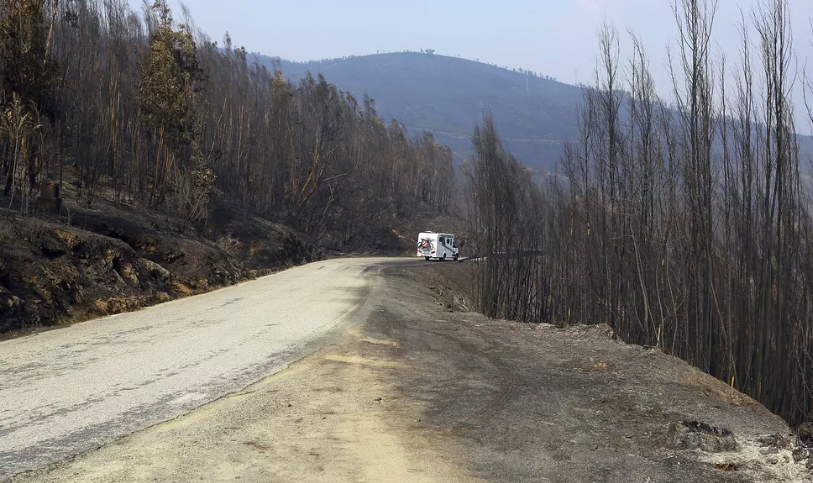
Portugal is facing a worsening environmental crisis as the amount of land scorched by wildfires in 2025 has already tripled compared to the same period last year. As of July 15, more than 3,000 fires had burned through 10,768 hectares of land—an alarming figure that does not yet include the damage from several large blazes still burning this week.
The surge in wildfires has raised serious concerns among environmental experts, government officials, and residents alike. It also highlights the growing threat of climate change across southern Europe, where prolonged heatwaves, persistent droughts, and strong winds have turned forests and rural areas into tinderboxes.
A Grim Milestone
Register for Tekedia Mini-MBA edition 20 (June 8 – Sept 5, 2026).
Register for Tekedia AI in Business Masterclass.
Join Tekedia Capital Syndicate and co-invest in great global startups.
Register for Tekedia AI Lab.
According to Portugal’s Institute for Nature Conservation and Forests (ICNF), the country has already seen three times more fire damage than it had at the same point in 2024. In mid-July of last year, roughly 3,500 hectares had been burned. This year, the number has soared past 10,700 hectares—and counting.
“2025 is shaping up to be one of the worst fire seasons in recent memory,” said António Loureiro, a senior fire behaviour analyst with ICNF. “We are seeing more frequent ignition points, faster fire spread, and more intense burns than we’ve experienced in the past few years.”
The fires have affected multiple regions, particularly in central and northern Portugal, including the districts of Leiria, Castelo Branco, and Vila Real. Dense smoke, falling ash, and evacuations have become all too common in rural villages.

The Climate Factor
Experts point to climate change as a key driver behind the worsening wildfire season. Prolonged dry spells, higher-than-average temperatures, and low humidity levels have created the ideal conditions for fires to ignite and spread.
Portugal has experienced multiple heatwaves since May, with temperatures frequently surpassing 40°C (104°F). These extreme conditions have dried out vegetation and reduced moisture in the soil, making it easier for even small sparks—whether from natural causes or human activity—to trigger fast-moving fires.

“We're not just talking about a bad summer,” said climate scientist Dr. Inês Baptista. “We’re talking about a systemic pattern of longer, hotter, drier fire seasons. These are the new conditions we must prepare for.”
Human and Environmental Toll
Beyond the environmental destruction, wildfires have also posed significant threats to human life and property. Dozens of homes have been damaged or destroyed, and hundreds of people have been temporarily displaced. Emergency services have been stretched thin, with firefighters working around the clock in dangerously high temperatures.
One particularly devastating fire near the town of Proença-a-Nova forced over 300 residents to evacuate. Volunteer firefighter Hugo Silva described the scenes on the ground: “Flames were two stories high. The wind shifted every few minutes. We were doing everything we could just to protect lives.”
Wildlife and ecosystems have also been hit hard. Many of the affected areas include protected forests and biodiversity hotspots. According to local conservation groups, hundreds of animals, including endangered species like the Iberian lynx and Bonelli’s eagle, are at increased risk due to habitat loss and smoke inhalation.
Government Response
The Portuguese government has mobilised additional firefighting resources, including air support and emergency funding, and has issued warnings to residents across fire-prone areas. Prime Minister Mariana Veloso visited the affected regions last week and called for greater EU-wide cooperation in addressing climate-related disasters.
“We are confronting not just local emergencies, but global consequences,” Veloso said. “Portugal cannot face this crisis alone. It is time for Europe to treat wildfires with the urgency they demand.”
The government is also working to update land management policies, including the controversial issue of eucalyptus plantations, which have been widely criticised for fuelling fire intensity. Native to Australia, eucalyptus trees grow quickly and contain flammable oils, making them highly combustible during dry conditions.
Calls for Long-Term Solutions
Environmental groups and climate scientists are calling for more proactive approaches to wildfire prevention and land management. These include restoring native vegetation, investing in early detection technologies, increasing funding for rural fire brigades, and implementing stricter controls on land use.
“There is no silver bullet,” said forest ecologist Carla Mendes. “We need a full spectrum of responses—from local education and sustainable land use to regional cooperation and global climate policy.”
Portugal’s wildfire crisis also serves as a warning for other southern European nations facing similar conditions, including Spain, Italy, and Greece, all of which have seen a rise in fire incidents this summer.
Looking Forward
With the hottest months of summer still ahead, Portugal’s firefighting services remain on high alert. But beyond emergency response, the real challenge lies in addressing the root causes of the crisis. As the country begins to reckon with a future shaped by fire, water scarcity, and extreme heat, only bold environmental policy and global cooperation can offer a path toward resilience and recovery.
Final Thought
Portugal’s escalating wildfire crisis is more than a seasonal emergency—it’s a stark reflection of the mounting pressures climate change places on vulnerable regions. As the flames continue to consume land, homes, and habitats, they also burn away any illusion that the old ways of managing forests and responding to fire are sufficient. The time for reactive measures has passed; what’s needed now is sustained, transformative action to protect both people and the planet from an increasingly fiery future.
Conclusion
As Portugal battles a wildfire season that is already far more destructive than last year’s, the urgency of climate adaptation and mitigation becomes impossible to ignore. The fires of 2025 are not just natural disasters—they are the result of an escalating climate emergency that demands both immediate action and long-term vision.
description
Portugal’s wildfire crisis intensifies as burned land triples compared to last year, with over 10,768 hectares scorched by mid-July amid extreme heat and drought conditions.
Meta description
Portugal’s wildfire crisis intensifies as burned land triples compared to last year, with over 10,768 hectares scorched by mid-July amid extreme heat and drought conditions.
Uploaded files:Share this:
- Click to share on Facebook (Opens in new window) Facebook
- Click to share on X (Opens in new window) X
- Click to share on WhatsApp (Opens in new window) WhatsApp
- Click to share on LinkedIn (Opens in new window) LinkedIn
- Click to email a link to a friend (Opens in new window) Email
- Click to print (Opens in new window) Print