

Portuguese Bullfighter’s Death Sparks Fierce Debate on Animal Welfare and Hate Speech

Quote from Alex Bobby on August 31, 2025, 3:16 AM
Portuguese Bullfighter’s Death Reignites Debate Over Animal Welfare and Hate Speech
Bullfighting has always sparked strong emotions in Portugal, where the centuries-old spectacle is deeply woven into cultural traditions but increasingly contested by animal welfare activists. This week, however, the debate has taken on new urgency and intensity following the death of a young bullfighter in Lisbon—a tragedy that has not only shaken the bullfighting community but also triggered an avalanche of passionate, and in some cases hateful, commentary online.
A Fatal First Performance
On August 24, Manuel Trindade, a 22-year-old bullfighter from Évora, died after being fatally struck by a bull at Lisbon’s Campo Pequeno, the nation’s most iconic bullring with a capacity of 9,000 spectators.
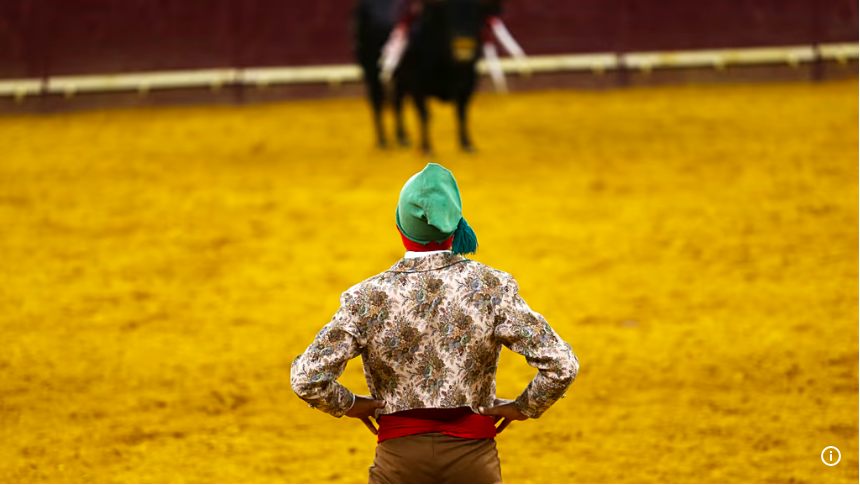
Trindade, who belonged to the Grupo de Forcados Amadores de São Manços, was attempting his first-ever bull catch in the historic venue. Forcados are a uniquely Portuguese troupe of men who confront bulls head-on without weapons or protection, relying only on teamwork, courage, and timing. In this case, Manuel advanced on a 700 kg bull already marked by splinters from earlier stages of the fight.
The young man was treated in the infirmary before being transported to São José Hospital, but despite intensive care, he succumbed to his injuries less than 24 hours later.
The tragedy reverberated across Portugal, both within the close-knit bullfighting world and beyond. For his family, the performance carried added symbolic weight—Manuel was following in the footsteps of his father, who had also been part of the São Manços group.
Outpouring of Reactions
The news of Manuel’s death unleashed an immediate wave of reactions across social media. Many users expressed condolences, lamenting the tragic end of such a young life. Others, while sympathetic, pointed to what they saw as the inherent dangers and outdated cruelty of bullfighting. But more disturbingly, a number of voices openly celebrated his death—an outpouring of hate that deeply wounded his family.
In a public Facebook post, Manuel’s mother, Alzira Beringel, lashed back at the cruelty of such remarks.
“I’ve come to thank you for all your applause, all the laughter and rejoicing at my son’s death. Did you know him to be happy about his death? Do you know if he loved animals?” she wrote in what she described as an “outburst.”
Alzira went on to note that her son’s organs had been donated to save seven other lives: “He will live on in seven people to bother you.”
Her message highlighted the cruelty of online hate speech, while also reminding readers that behind the controversy lies the very real pain of grieving families.
Political Fault Lines
The tragedy has reignited Portugal’s long-running political debate over the place of bullfighting in modern society. The People–Animals–Nature (PAN) party, which campaigns for animal rights, immediately condemned the practice. Its parliamentary leader, Inês Sousa Real, described bullfighting as an “abnormality that must stop.”
In a statement on Instagram, Sousa Real wrote: “Adults die, young teenagers die, there are always serious injuries, and the animals tortured in the arena suffer atrociously. Regardless of the circumstances—because I am unconditionally against bullfighting—the death of a young man of just 22 is always to be regretted, and we must respect the bereaved family.”
PAN followed up by sending a letter to the government calling for the suspension of bullfighting shows at Campo Pequeno and introducing a parliamentary proposal to bar minors from attending bullfights.
But the party also found itself under attack from pro-bullfighting groups, which accused it of exploiting the tragedy. In response, PAN released a statement denouncing “false and defamatory information” circulating online.
Tradition Versus Change
Bullfighting in Portugal has a long and complex history. The earliest references date back to 1258, during the reign of King Afonso III, with the forcados tradition first mentioned in 1661.
Unlike Spain and France, however, Portuguese bullfighting has generally not included killing the animal in the ring. A law introduced in 1928 banned killing bulls during performances, though exceptions remain in certain regions with continuous traditions, such as Barrancos and Monsaraz. The law was repealed in 2002, allowing limited exceptions to return.
Supporters of bullfighting argue that it represents a deeply rooted cultural practice that celebrates bravery, artistry, and rural traditions. They stress the historical importance of bullfighting festivals to Portuguese identity, particularly in small towns.
Animal welfare activists counter that the practice is cruel, outdated, and incompatible with modern values. For them, the suffering of animals—and the frequent injuries and occasional deaths of bullfighters themselves—underscore the urgency of ending the spectacle altogether.
The Debate Intensifies
What makes Manuel Trindade’s death particularly significant is how it has intensified both sides of the argument. For supporters, his passing represents a tragic reminder of the personal sacrifices made in the name of tradition. For opponents, it underscores the human cost of an activity they see as barbaric.
On social media, these competing views have collided with unusual ferocity, leading not just to heated arguments but to hate speech and disinformation. The grief-stricken words of Manuel’s mother illustrate the devastating impact of such hostility on families already coping with loss.
Despite the controversy, the bullfighting calendar shows little sign of slowing. Just days after Trindade’s funeral, Campo Pequeno hosted another bullfight on September 5, featuring Peru’s star bullfighter Andrés Roca Rey. The event highlighted the enduring appeal of the spectacle, even as calls for its abolition grow louder.
Looking Forward
The death of Manuel Trindade has left Portugal facing uncomfortable but necessary questions. The clash between those defending bullfighting as heritage and those calling for its abolition will only grow sharper in the months ahead, especially with political parties like PAN pushing for stricter laws.
Looking forward, the debate is likely to extend beyond the bullring. It will touch on how Portuguese society balances tradition with modern values, how online discourse can avoid dehumanising grieving families, and whether cultural practices that involve animal suffering still have a place in today’s world.
The tragedy at Campo Pequeno may not end bullfighting overnight, but it has undeniably intensified the urgency of a national reckoning.
Final Thoughts
The tragic death of Manuel Trindade has reignited one of Portugal’s most divisive debates—between those who see bullfighting as a cherished tradition and those who view it as an inhumane practice that belongs in the past. His passing has also exposed another layer of the issue: the cruelty of online hate speech and the impact it has on grieving families.
Ultimately, this tragedy is not just about bullfighting—it’s about how a society chooses to honour culture, respect human loss, and protect both people and animals. Portugal now stands at a crossroads, and the choices it makes will shape not only the future of bullfighting but also its values as a modern nation.
Conclusion: A Nation at a Crossroads
The death of Manuel Trindade has forced Portugal to confront not only the risks of bullfighting but also the toxic polarisation surrounding the practice. At the heart of the debate lies a clash between cultural heritage and modern sensibilities about animal welfare.
What’s clear is that the conversation is no longer confined to tradition versus abolition. It now includes questions of hate speech, respect for the dead, and the boundaries of political debate. As bullfighting continues to divide the nation, Portugal faces a defining question: how much longer can it balance reverence for tradition with the growing demand for change?
Portuguese Bullfighter’s Death Reignites Debate Over Animal Welfare and Hate Speech
Bullfighting has always sparked strong emotions in Portugal, where the centuries-old spectacle is deeply woven into cultural traditions but increasingly contested by animal welfare activists. This week, however, the debate has taken on new urgency and intensity following the death of a young bullfighter in Lisbon—a tragedy that has not only shaken the bullfighting community but also triggered an avalanche of passionate, and in some cases hateful, commentary online.
A Fatal First Performance
Register for Tekedia Mini-MBA edition 20 (June 8 – Sept 5, 2026).
Register for Tekedia AI in Business Masterclass.
Join Tekedia Capital Syndicate and co-invest in great global startups.
Register for Tekedia AI Lab.
On August 24, Manuel Trindade, a 22-year-old bullfighter from Évora, died after being fatally struck by a bull at Lisbon’s Campo Pequeno, the nation’s most iconic bullring with a capacity of 9,000 spectators.
Trindade, who belonged to the Grupo de Forcados Amadores de São Manços, was attempting his first-ever bull catch in the historic venue. Forcados are a uniquely Portuguese troupe of men who confront bulls head-on without weapons or protection, relying only on teamwork, courage, and timing. In this case, Manuel advanced on a 700 kg bull already marked by splinters from earlier stages of the fight.
The young man was treated in the infirmary before being transported to São José Hospital, but despite intensive care, he succumbed to his injuries less than 24 hours later.

The tragedy reverberated across Portugal, both within the close-knit bullfighting world and beyond. For his family, the performance carried added symbolic weight—Manuel was following in the footsteps of his father, who had also been part of the São Manços group.
Outpouring of Reactions
The news of Manuel’s death unleashed an immediate wave of reactions across social media. Many users expressed condolences, lamenting the tragic end of such a young life. Others, while sympathetic, pointed to what they saw as the inherent dangers and outdated cruelty of bullfighting. But more disturbingly, a number of voices openly celebrated his death—an outpouring of hate that deeply wounded his family.

In a public Facebook post, Manuel’s mother, Alzira Beringel, lashed back at the cruelty of such remarks.
“I’ve come to thank you for all your applause, all the laughter and rejoicing at my son’s death. Did you know him to be happy about his death? Do you know if he loved animals?” she wrote in what she described as an “outburst.”
Alzira went on to note that her son’s organs had been donated to save seven other lives: “He will live on in seven people to bother you.”
Her message highlighted the cruelty of online hate speech, while also reminding readers that behind the controversy lies the very real pain of grieving families.
Political Fault Lines
The tragedy has reignited Portugal’s long-running political debate over the place of bullfighting in modern society. The People–Animals–Nature (PAN) party, which campaigns for animal rights, immediately condemned the practice. Its parliamentary leader, Inês Sousa Real, described bullfighting as an “abnormality that must stop.”
In a statement on Instagram, Sousa Real wrote: “Adults die, young teenagers die, there are always serious injuries, and the animals tortured in the arena suffer atrociously. Regardless of the circumstances—because I am unconditionally against bullfighting—the death of a young man of just 22 is always to be regretted, and we must respect the bereaved family.”
PAN followed up by sending a letter to the government calling for the suspension of bullfighting shows at Campo Pequeno and introducing a parliamentary proposal to bar minors from attending bullfights.
But the party also found itself under attack from pro-bullfighting groups, which accused it of exploiting the tragedy. In response, PAN released a statement denouncing “false and defamatory information” circulating online.
Tradition Versus Change
Bullfighting in Portugal has a long and complex history. The earliest references date back to 1258, during the reign of King Afonso III, with the forcados tradition first mentioned in 1661.
Unlike Spain and France, however, Portuguese bullfighting has generally not included killing the animal in the ring. A law introduced in 1928 banned killing bulls during performances, though exceptions remain in certain regions with continuous traditions, such as Barrancos and Monsaraz. The law was repealed in 2002, allowing limited exceptions to return.
Supporters of bullfighting argue that it represents a deeply rooted cultural practice that celebrates bravery, artistry, and rural traditions. They stress the historical importance of bullfighting festivals to Portuguese identity, particularly in small towns.
Animal welfare activists counter that the practice is cruel, outdated, and incompatible with modern values. For them, the suffering of animals—and the frequent injuries and occasional deaths of bullfighters themselves—underscore the urgency of ending the spectacle altogether.
The Debate Intensifies
What makes Manuel Trindade’s death particularly significant is how it has intensified both sides of the argument. For supporters, his passing represents a tragic reminder of the personal sacrifices made in the name of tradition. For opponents, it underscores the human cost of an activity they see as barbaric.
On social media, these competing views have collided with unusual ferocity, leading not just to heated arguments but to hate speech and disinformation. The grief-stricken words of Manuel’s mother illustrate the devastating impact of such hostility on families already coping with loss.
Despite the controversy, the bullfighting calendar shows little sign of slowing. Just days after Trindade’s funeral, Campo Pequeno hosted another bullfight on September 5, featuring Peru’s star bullfighter Andrés Roca Rey. The event highlighted the enduring appeal of the spectacle, even as calls for its abolition grow louder.
Looking Forward
The death of Manuel Trindade has left Portugal facing uncomfortable but necessary questions. The clash between those defending bullfighting as heritage and those calling for its abolition will only grow sharper in the months ahead, especially with political parties like PAN pushing for stricter laws.
Looking forward, the debate is likely to extend beyond the bullring. It will touch on how Portuguese society balances tradition with modern values, how online discourse can avoid dehumanising grieving families, and whether cultural practices that involve animal suffering still have a place in today’s world.
The tragedy at Campo Pequeno may not end bullfighting overnight, but it has undeniably intensified the urgency of a national reckoning.
Final Thoughts
The tragic death of Manuel Trindade has reignited one of Portugal’s most divisive debates—between those who see bullfighting as a cherished tradition and those who view it as an inhumane practice that belongs in the past. His passing has also exposed another layer of the issue: the cruelty of online hate speech and the impact it has on grieving families.
Ultimately, this tragedy is not just about bullfighting—it’s about how a society chooses to honour culture, respect human loss, and protect both people and animals. Portugal now stands at a crossroads, and the choices it makes will shape not only the future of bullfighting but also its values as a modern nation.
Conclusion: A Nation at a Crossroads
The death of Manuel Trindade has forced Portugal to confront not only the risks of bullfighting but also the toxic polarisation surrounding the practice. At the heart of the debate lies a clash between cultural heritage and modern sensibilities about animal welfare.
What’s clear is that the conversation is no longer confined to tradition versus abolition. It now includes questions of hate speech, respect for the dead, and the boundaries of political debate. As bullfighting continues to divide the nation, Portugal faces a defining question: how much longer can it balance reverence for tradition with the growing demand for change?
Uploaded files:Share this:
- Click to share on Facebook (Opens in new window) Facebook
- Click to share on X (Opens in new window) X
- Click to share on WhatsApp (Opens in new window) WhatsApp
- Click to share on LinkedIn (Opens in new window) LinkedIn
- Click to email a link to a friend (Opens in new window) Email
- Click to print (Opens in new window) Print