

Residents of Northern Israel Hesitate to Return Amid Fragile Ceasefire with Hezbollah

Quote from Alex Bobby on December 17, 2024, 2:53 AM
Hesitant Return: Life Amid Ceasefire in Northern Israel
More than 60,000 residents of northern Israel were forced to flee their homes 14 months ago when Hezbollah launched a series of rocket attacks on the region in support of Hamas. Now, with a fragile ceasefire in place, a few families have begun returning to their homes. However, many remain cautious, wary of the uncertain peace along the volatile border with Lebanon.
A City on Edge
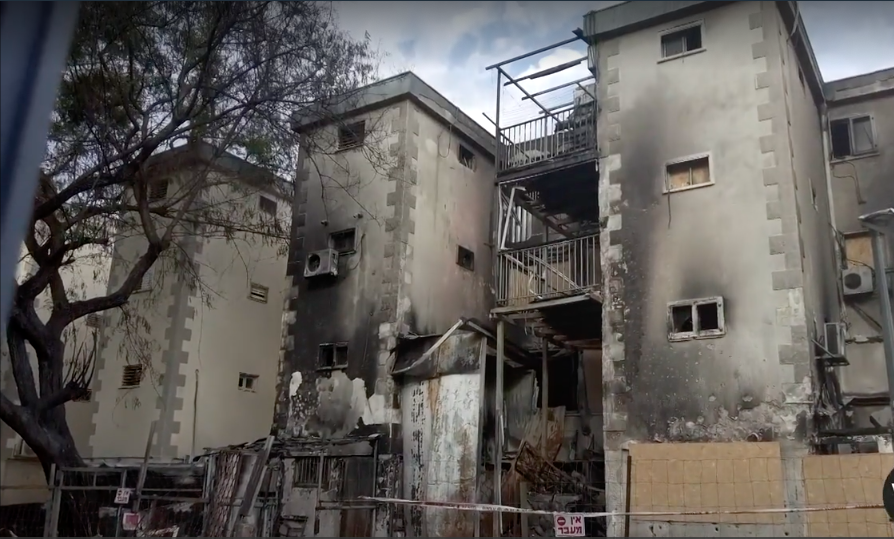
Kiryat Shmona, located just a few kilometers from the Lebanese border, was one of the hardest-hit areas during the conflict. Streets that were once bustling with life now carry the scars of rocket attacks. While some residents are attempting to rebuild their lives, others say the memories of those harrowing days remain too fresh.
"We hear about the ceasefire, but we don’t trust it yet," says Yael Ben-David, a 42-year-old mother of three who has temporarily relocated to Haifa. "The rockets came without warning last time. Who’s to say it won’t happen again?"
Yael’s sentiment is echoed by many in Kiryat Shmona. The ceasefire between Israel and Hezbollah, brokered by international mediators, is viewed with skepticism. Although there have been no significant escalations in recent weeks, sporadic incidents—such as small-scale skirmishes and reported Hezbollah reconnaissance activities—continue to stoke fear among residents.
Tentative Returns
Despite these uncertainties, some families have decided to come back. Avraham Cohen, a 65-year-old retiree, returned to Kiryat Shmona with his wife last week. "We’ve lived here all our lives," he explains. "This is our home. If we don’t return, who will?"
For Avraham, returning means a mix of hope and vigilance. He has installed a reinforced shelter in his home and keeps emergency supplies at the ready. "You have to be prepared for anything," he says.
Local schools, which had been closed for over a year, have reopened, albeit with reduced attendance. Teachers report that many parents remain reluctant to send their children back, fearing a sudden renewal of hostilities.
The Economic Toll
The conflict’s economic impact on northern Israel has been devastating. Agriculture, a cornerstone of the region’s economy, suffered massive losses as fields and orchards were abandoned during the rocket attacks. Businesses in Kiryat Shmona—from cafes to small manufacturers—struggle to recover, with many owners lamenting the loss of both customers and employees who fled during the conflict.
David Katz, owner of a local bakery, says his business is down by nearly 50%. "We’re trying to stay open, but it’s hard when so many people are still gone," he explains. "The government’s support has been minimal. We feel like we’re on our own."
Ceasefire Fragility
The ceasefire agreement came after months of intense fighting that left hundreds dead and displaced tens of thousands. While international mediators have hailed the truce as a significant step toward stability, tensions between Hezbollah and the Israeli Defense Forces (IDF) persist.
Hezbollah’s leadership has not publicly disavowed its support for Hamas, nor has it ceased its anti-Israel rhetoric. Israeli officials, meanwhile, emphasize that any violation of the ceasefire will be met with a strong response. The situation remains a powder keg, with both sides appearing to prepare for the possibility of renewed conflict.
Trauma and Resilience
For those who have returned, daily life is a balancing act between hope and fear. Mental health professionals report a rise in cases of post-traumatic stress disorder (PTSD) among residents of northern Israel, particularly children who experienced the rocket attacks firsthand. Programs offering psychological support have been set up, but many residents feel that more resources are needed.
"We’re trying to provide a sense of normalcy, but it’s not easy," says Shira Levy, a school counselor in Kiryat Shmona. "The kids are scared. They jump at loud noises. They ask if the rockets are coming back."
Looking Ahead
As the ceasefire holds, albeit tenuously, residents of northern Israel face a difficult choice: return to their homes and attempt to rebuild their lives or wait for greater assurances of lasting peace. For many, the answer lies in the hands of political leaders and international negotiators tasked with maintaining stability in the region.
"We want to come back, but we need to know it’s safe," says Yael. "Until then, we’ll wait. We have no choice."
The road to recovery for northern Israel is long and fraught with uncertainty. Yet, the resilience of its residents—their determination to reclaim their homes and rebuild their lives—offers a glimmer of hope in a region that has seen far too much conflict.
Hesitant Return: Life Amid Ceasefire in Northern Israel
More than 60,000 residents of northern Israel were forced to flee their homes 14 months ago when Hezbollah launched a series of rocket attacks on the region in support of Hamas. Now, with a fragile ceasefire in place, a few families have begun returning to their homes. However, many remain cautious, wary of the uncertain peace along the volatile border with Lebanon.
A City on Edge
Kiryat Shmona, located just a few kilometers from the Lebanese border, was one of the hardest-hit areas during the conflict. Streets that were once bustling with life now carry the scars of rocket attacks. While some residents are attempting to rebuild their lives, others say the memories of those harrowing days remain too fresh.
"We hear about the ceasefire, but we don’t trust it yet," says Yael Ben-David, a 42-year-old mother of three who has temporarily relocated to Haifa. "The rockets came without warning last time. Who’s to say it won’t happen again?"
Register for Tekedia Mini-MBA edition 20 (June 8 – Sept 5, 2026).
Register for Tekedia AI in Business Masterclass.
Join Tekedia Capital Syndicate and co-invest in great global startups.
Register for Tekedia AI Lab.
Yael’s sentiment is echoed by many in Kiryat Shmona. The ceasefire between Israel and Hezbollah, brokered by international mediators, is viewed with skepticism. Although there have been no significant escalations in recent weeks, sporadic incidents—such as small-scale skirmishes and reported Hezbollah reconnaissance activities—continue to stoke fear among residents.
Tentative Returns
Despite these uncertainties, some families have decided to come back. Avraham Cohen, a 65-year-old retiree, returned to Kiryat Shmona with his wife last week. "We’ve lived here all our lives," he explains. "This is our home. If we don’t return, who will?"
For Avraham, returning means a mix of hope and vigilance. He has installed a reinforced shelter in his home and keeps emergency supplies at the ready. "You have to be prepared for anything," he says.

Local schools, which had been closed for over a year, have reopened, albeit with reduced attendance. Teachers report that many parents remain reluctant to send their children back, fearing a sudden renewal of hostilities.
The Economic Toll
The conflict’s economic impact on northern Israel has been devastating. Agriculture, a cornerstone of the region’s economy, suffered massive losses as fields and orchards were abandoned during the rocket attacks. Businesses in Kiryat Shmona—from cafes to small manufacturers—struggle to recover, with many owners lamenting the loss of both customers and employees who fled during the conflict.
David Katz, owner of a local bakery, says his business is down by nearly 50%. "We’re trying to stay open, but it’s hard when so many people are still gone," he explains. "The government’s support has been minimal. We feel like we’re on our own."

Ceasefire Fragility
The ceasefire agreement came after months of intense fighting that left hundreds dead and displaced tens of thousands. While international mediators have hailed the truce as a significant step toward stability, tensions between Hezbollah and the Israeli Defense Forces (IDF) persist.
Hezbollah’s leadership has not publicly disavowed its support for Hamas, nor has it ceased its anti-Israel rhetoric. Israeli officials, meanwhile, emphasize that any violation of the ceasefire will be met with a strong response. The situation remains a powder keg, with both sides appearing to prepare for the possibility of renewed conflict.
Trauma and Resilience
For those who have returned, daily life is a balancing act between hope and fear. Mental health professionals report a rise in cases of post-traumatic stress disorder (PTSD) among residents of northern Israel, particularly children who experienced the rocket attacks firsthand. Programs offering psychological support have been set up, but many residents feel that more resources are needed.
"We’re trying to provide a sense of normalcy, but it’s not easy," says Shira Levy, a school counselor in Kiryat Shmona. "The kids are scared. They jump at loud noises. They ask if the rockets are coming back."
Looking Ahead
As the ceasefire holds, albeit tenuously, residents of northern Israel face a difficult choice: return to their homes and attempt to rebuild their lives or wait for greater assurances of lasting peace. For many, the answer lies in the hands of political leaders and international negotiators tasked with maintaining stability in the region.
"We want to come back, but we need to know it’s safe," says Yael. "Until then, we’ll wait. We have no choice."
The road to recovery for northern Israel is long and fraught with uncertainty. Yet, the resilience of its residents—their determination to reclaim their homes and rebuild their lives—offers a glimmer of hope in a region that has seen far too much conflict.
Uploaded files:
Share this:
- Click to share on Facebook (Opens in new window) Facebook
- Click to share on X (Opens in new window) X
- Click to share on WhatsApp (Opens in new window) WhatsApp
- Click to share on LinkedIn (Opens in new window) LinkedIn
- Click to email a link to a friend (Opens in new window) Email
- Click to print (Opens in new window) Print