

Sanctions Reimposed on Iran 10 Years After Landmark Nuclear Deal Collapses

Quote from Alex Bobby on September 29, 2025, 2:24 AM
A decade after the international community lifted sweeping economic and military sanctions on Iran in exchange for curbs on its nuclear program, the restrictions are back. The reimposition of sanctions—triggered by the so-called "snapback" mechanism—marks the collapse of hopes that the 2015 Joint Comprehensive Plan of Action (JCPOA) could permanently alter Iran’s relationship with the West.
The move by the UK, France, and Germany (the European parties to the deal) follows escalating nuclear activity by Tehran, suspension of facility inspections, and renewed regional instability. For Iran, it is another turning point in a long saga of mistrust and confrontation with world powers.
The Return of Sanctions
The new measures, which came into effect this week, restore the wide-ranging United Nations sanctions that were originally lifted when the JCPOA was signed. These sanctions include bans on arms sales, restrictions on oil exports, financial blacklisting, and limitations on scientific and technological cooperation.
The European powers justified their action by pointing to what they called Iran’s "continued nuclear escalation" and its refusal to cooperate with inspectors from the International Atomic Energy Agency (IAEA). Central to their complaint is Iran’s suspension of inspections—a legal requirement under the JCPOA—after U.S. and Israeli forces bombed several nuclear facilities and military bases in June.
For many observers, the restoration of sanctions underscores how far relations have deteriorated since the optimism of 2015, when the deal was hailed as a model for conflict resolution through diplomacy.
Iran’s Reaction
Iranian President Masoud Pezeshkian has sharply condemned the decision, describing the reimposed sanctions as "unfair, unjust, and illegal." Speaking last week, he reiterated that Iran has no intention of developing nuclear weapons and argued that the international community had once again been swayed by U.S. and Israeli pressure.
Iran’s leaders maintain that the JCPOA was rendered obsolete after repeated breaches of trust, particularly the June bombing campaign. Officials in Tehran argue that no country can be expected to abide by agreements when its nuclear and military infrastructure is openly targeted.
The Iranian government has also claimed that the return of sanctions will not succeed in crippling its economy as before, pointing to new partnerships with China, Russia, and other non-Western states that have deepened trade and energy ties with Tehran.
The Legacy of the 2015 Deal
The JCPOA, brokered in 2015 after years of negotiations, imposed strict limits on Iran’s nuclear enrichment capacity, reduced its uranium stockpiles, and placed caps on research and development activities. In return, the U.S., EU, and UN lifted a wide range of sanctions, providing Iran access to global markets and billions of dollars in frozen assets.
The deal was celebrated as a diplomatic breakthrough, reducing the risk of conflict in the Middle East and offering Iran a path to reintegration with the global economy. However, critics—especially in Israel and the U.S.—argued that the JCPOA only delayed Iran’s nuclear ambitions and did not address its missile program or regional proxy activities.
The agreement began to unravel in 2018 when then-President Donald Trump withdrew the U.S., declaring it "the worst deal ever negotiated." Washington reimposed unilateral sanctions, severely damaging Iran’s economy and undermining the credibility of the deal.
Escalations Since 2018
Since the U.S. withdrawal, Iran has gradually stepped up its nuclear activities beyond JCPOA limits. Enrichment levels of uranium increased, centrifuges were upgraded, and monitoring access for inspectors was reduced. These steps, Tehran insisted, were reversible if sanctions relief were restored, but Western governments saw them as deliberate provocations.
The June bombings by U.S. and Israeli forces further accelerated the breakdown. While former President Trump described the strikes as having caused "monumental damage," independent experts cast doubt on their long-term effectiveness. Iran, for its part, framed the attacks as an act of war and proof that the international order had abandoned neutrality.
By suspending inspections and rejecting the authority of the JCPOA framework, Iran effectively declared that the agreement no longer applied. This gave the European partners the justification they needed to trigger the snapback mechanism and restore sanctions.
Regional and Global Implications
The return of sanctions on Iran comes at a time of heightened instability in the Middle East. Iran continues to back armed groups in Lebanon, Syria, Iraq, and Yemen, many of which have carried out attacks against Israel. Western officials fear that the collapse of the JCPOA will embolden Tehran to expand its influence through proxies while accelerating its nuclear program beyond the deal’s original constraints.
Economically, the sanctions will again target Iran’s oil sector, which remains the lifeblood of its economy. While Iran has found ways to skirt restrictions through clandestine shipping and sales to countries like China, the tightening of sanctions is expected to increase costs and reduce revenues.
For global markets, renewed uncertainty around Iranian oil exports could add volatility to energy prices. Meanwhile, the risk of military escalation between Iran and its adversaries raises broader concerns for regional security and international trade routes.
Final Thoughts
The snapback of UN sanctions on Iran represents not just the collapse of a historic agreement but also a broader failure of diplomacy. What was once touted as a model for resolving nuclear disputes has been undone by mistrust, unilateral actions, and escalating regional hostilities.
For Iran, the sanctions are another reminder that Western commitments can be fragile and conditional. For the European powers, reimposing restrictions was a reluctant but, in their view, necessary step to uphold non-proliferation principles. And for the global community, the development signals a return to the pre-2015 status quo: heightened tensions, economic isolation, and a dangerous nuclear standoff.
Whether the world can find a way back to the negotiating table—or whether the next decade will be defined by further conflict—remains one of the most pressing questions in international affairs.
### Conclusion
The reimposition of UN sanctions on Iran, ten years after the landmark nuclear deal, underscores how fragile international agreements can be when trust collapses and geopolitical rivalries intensify. For Tehran, the move deepens its sense of isolation and fuels its argument that the West has acted in bad faith. For Europe and its allies, the snapback mechanism was a last resort to rein in what they see as Iran’s unchecked nuclear escalation. Ultimately, the return of sanctions highlights a broader failure of diplomacy and raises urgent questions about whether the world can prevent a renewed nuclear crisis in the Middle East—or if it is already too late.
Meta Description:
UN sanctions are back on Iran a decade after the nuclear deal, as Europe triggers the snapback over Tehran’s nuclear escalation and suspended inspections.
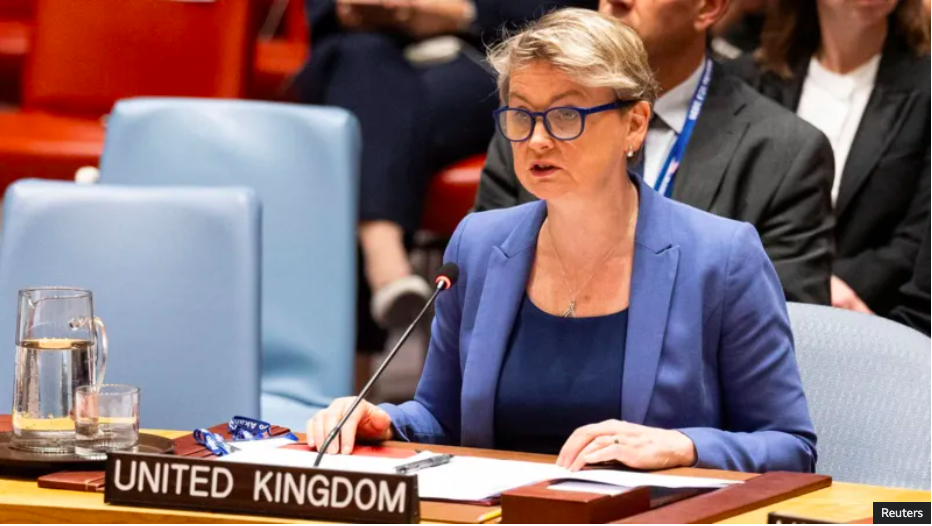
A decade after the international community lifted sweeping economic and military sanctions on Iran in exchange for curbs on its nuclear program, the restrictions are back. The reimposition of sanctions—triggered by the so-called "snapback" mechanism—marks the collapse of hopes that the 2015 Joint Comprehensive Plan of Action (JCPOA) could permanently alter Iran’s relationship with the West.
The move by the UK, France, and Germany (the European parties to the deal) follows escalating nuclear activity by Tehran, suspension of facility inspections, and renewed regional instability. For Iran, it is another turning point in a long saga of mistrust and confrontation with world powers.
The Return of Sanctions
Register for Tekedia Mini-MBA edition 20 (June 8 – Sept 5, 2026).
Register for Tekedia AI in Business Masterclass.
Join Tekedia Capital Syndicate and co-invest in great global startups.
Register for Tekedia AI Lab.
The new measures, which came into effect this week, restore the wide-ranging United Nations sanctions that were originally lifted when the JCPOA was signed. These sanctions include bans on arms sales, restrictions on oil exports, financial blacklisting, and limitations on scientific and technological cooperation.
The European powers justified their action by pointing to what they called Iran’s "continued nuclear escalation" and its refusal to cooperate with inspectors from the International Atomic Energy Agency (IAEA). Central to their complaint is Iran’s suspension of inspections—a legal requirement under the JCPOA—after U.S. and Israeli forces bombed several nuclear facilities and military bases in June.
For many observers, the restoration of sanctions underscores how far relations have deteriorated since the optimism of 2015, when the deal was hailed as a model for conflict resolution through diplomacy.

Iran’s Reaction
Iranian President Masoud Pezeshkian has sharply condemned the decision, describing the reimposed sanctions as "unfair, unjust, and illegal." Speaking last week, he reiterated that Iran has no intention of developing nuclear weapons and argued that the international community had once again been swayed by U.S. and Israeli pressure.
Iran’s leaders maintain that the JCPOA was rendered obsolete after repeated breaches of trust, particularly the June bombing campaign. Officials in Tehran argue that no country can be expected to abide by agreements when its nuclear and military infrastructure is openly targeted.

The Iranian government has also claimed that the return of sanctions will not succeed in crippling its economy as before, pointing to new partnerships with China, Russia, and other non-Western states that have deepened trade and energy ties with Tehran.
The Legacy of the 2015 Deal
The JCPOA, brokered in 2015 after years of negotiations, imposed strict limits on Iran’s nuclear enrichment capacity, reduced its uranium stockpiles, and placed caps on research and development activities. In return, the U.S., EU, and UN lifted a wide range of sanctions, providing Iran access to global markets and billions of dollars in frozen assets.
The deal was celebrated as a diplomatic breakthrough, reducing the risk of conflict in the Middle East and offering Iran a path to reintegration with the global economy. However, critics—especially in Israel and the U.S.—argued that the JCPOA only delayed Iran’s nuclear ambitions and did not address its missile program or regional proxy activities.
The agreement began to unravel in 2018 when then-President Donald Trump withdrew the U.S., declaring it "the worst deal ever negotiated." Washington reimposed unilateral sanctions, severely damaging Iran’s economy and undermining the credibility of the deal.
Escalations Since 2018
Since the U.S. withdrawal, Iran has gradually stepped up its nuclear activities beyond JCPOA limits. Enrichment levels of uranium increased, centrifuges were upgraded, and monitoring access for inspectors was reduced. These steps, Tehran insisted, were reversible if sanctions relief were restored, but Western governments saw them as deliberate provocations.
The June bombings by U.S. and Israeli forces further accelerated the breakdown. While former President Trump described the strikes as having caused "monumental damage," independent experts cast doubt on their long-term effectiveness. Iran, for its part, framed the attacks as an act of war and proof that the international order had abandoned neutrality.
By suspending inspections and rejecting the authority of the JCPOA framework, Iran effectively declared that the agreement no longer applied. This gave the European partners the justification they needed to trigger the snapback mechanism and restore sanctions.
Regional and Global Implications
The return of sanctions on Iran comes at a time of heightened instability in the Middle East. Iran continues to back armed groups in Lebanon, Syria, Iraq, and Yemen, many of which have carried out attacks against Israel. Western officials fear that the collapse of the JCPOA will embolden Tehran to expand its influence through proxies while accelerating its nuclear program beyond the deal’s original constraints.
Economically, the sanctions will again target Iran’s oil sector, which remains the lifeblood of its economy. While Iran has found ways to skirt restrictions through clandestine shipping and sales to countries like China, the tightening of sanctions is expected to increase costs and reduce revenues.
For global markets, renewed uncertainty around Iranian oil exports could add volatility to energy prices. Meanwhile, the risk of military escalation between Iran and its adversaries raises broader concerns for regional security and international trade routes.
Final Thoughts
The snapback of UN sanctions on Iran represents not just the collapse of a historic agreement but also a broader failure of diplomacy. What was once touted as a model for resolving nuclear disputes has been undone by mistrust, unilateral actions, and escalating regional hostilities.
For Iran, the sanctions are another reminder that Western commitments can be fragile and conditional. For the European powers, reimposing restrictions was a reluctant but, in their view, necessary step to uphold non-proliferation principles. And for the global community, the development signals a return to the pre-2015 status quo: heightened tensions, economic isolation, and a dangerous nuclear standoff.
Whether the world can find a way back to the negotiating table—or whether the next decade will be defined by further conflict—remains one of the most pressing questions in international affairs.
### Conclusion
The reimposition of UN sanctions on Iran, ten years after the landmark nuclear deal, underscores how fragile international agreements can be when trust collapses and geopolitical rivalries intensify. For Tehran, the move deepens its sense of isolation and fuels its argument that the West has acted in bad faith. For Europe and its allies, the snapback mechanism was a last resort to rein in what they see as Iran’s unchecked nuclear escalation. Ultimately, the return of sanctions highlights a broader failure of diplomacy and raises urgent questions about whether the world can prevent a renewed nuclear crisis in the Middle East—or if it is already too late.
Meta Description:
UN sanctions are back on Iran a decade after the nuclear deal, as Europe triggers the snapback over Tehran’s nuclear escalation and suspended inspections.
Share this:
- Click to share on Facebook (Opens in new window) Facebook
- Click to share on X (Opens in new window) X
- Click to share on WhatsApp (Opens in new window) WhatsApp
- Click to share on LinkedIn (Opens in new window) LinkedIn
- Click to email a link to a friend (Opens in new window) Email
- Click to print (Opens in new window) Print