

Secret Mortuary Photo May Unlock 50-Year Mystery of Musa al-Sadr’s Disappearance

Quote from Alex Bobby on September 2, 2025, 5:44 AM
Body Seen in Secret Mortuary Could Solve 50-Year Mystery of Vanished Religious Leader
For nearly half a century, the fate of Musa al-Sadr, a towering figure in Lebanon’s modern history, has remained one of the Middle East’s greatest unsolved mysteries. The disappearance of the charismatic cleric in Libya in 1978 continues to stir conspiracy theories, inspire devotion among his followers, and shape political narratives across the region. Now, a decomposed face seen in a secret mortuary may hold the key to finally solving the enigma.
A Body in Tripoli
In 2011, as Libya convulsed during the Arab Spring and the fall of Muammar Gaddafi’s regime, a Lebanese-Swedish journalist, Kassem Hamadé, was tipped off about a clandestine mortuary in Tripoli. Inside, he photographed a corpse that sources claimed could be that of Musa al-Sadr. The body, described as unusually tall, seemed to match reports of Sadr’s imposing 1.98m (6ft 5in) frame. But its face was badly decomposed, stripped of most identifying features.
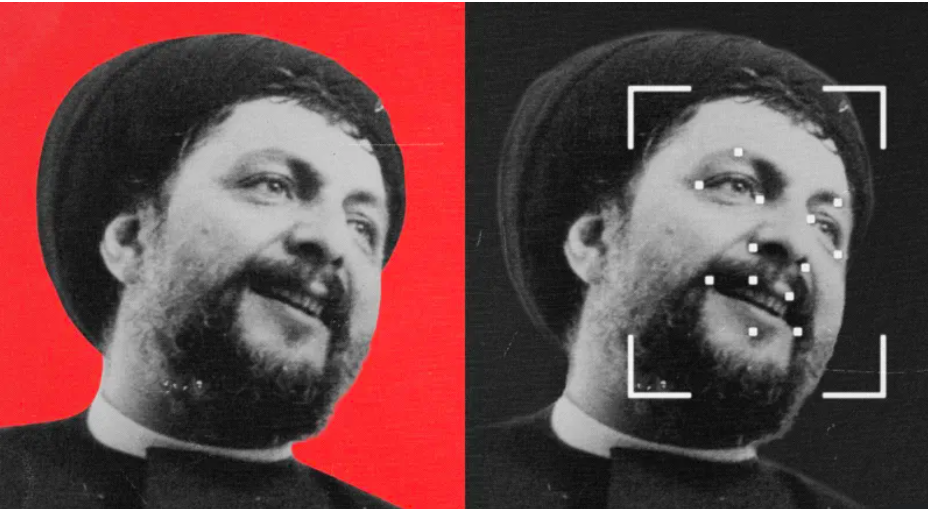
The photograph was tucked away, but now, more than a decade later, cutting-edge technology is being applied to it. At the University of Bradford in northern England, computer scientist Professor Hassan Ugail has been running the digitised image through a special algorithm. The hope is that artificial intelligence might compare the skeletal features to known images of Sadr and provide the most conclusive identification yet.
“Is this what he looks like now?” Professor Ugail reportedly asked, peering at the digitised version of the face before beginning the test.
For the BBC World Service team leading the investigation, the moment feels like a potential turning point in a saga that has gripped the region for nearly 50 years.
The Disappearance That Shook Lebanon
Musa al-Sadr was not just a cleric. Born in Iran to a distinguished family of scholars, he moved to Lebanon in the late 1950s, where he rapidly gained influence. By the late 1960s, he was revered in villages like Yammouneh, where residents still recall the day he trudged through deep snow to offer help after a devastating avalanche. For many, he seemed larger than life—both in stature and in compassion.
In 1974, Sadr founded the Movement of the Deprived, a social and political organisation advocating for Lebanon’s Shia community, then one of the most marginalised groups in the country. But his mission extended far beyond sectarian politics: he championed interfaith dialogue, often delivering sermons in Christian churches, and pushed for national unity during a time of growing divisions.
His influence grew to the point where his followers honoured him with the rare title of “imam,” an extraordinary recognition for a living Shia cleric. He became a national voice for equality and moderation, precisely at a time when Lebanon was sliding into civil war.
Then, in August 1978, Sadr accepted an invitation to visit Libya. He was due to meet Colonel Muammar Gaddafi, whose regime supported Palestinian fighters operating in Lebanon. On 25 August, he flew to Tripoli with two companions. Six days later, he was last seen being driven away from his hotel in a Libyan government vehicle.
He never returned.
A Symbol as Powerful in Death as in Life
The Libyan government later claimed Sadr had boarded a plane to Rome, a story quickly debunked by investigators. Still, in Gaddafi’s tightly controlled state, independent journalism was impossible, and the mystery deepened.
Sadr’s disappearance has had enormous symbolic and political resonance. Among Shia Muslims, it evoked parallels with the “hidden” 12th Imam of Twelver Shia Islam, who is believed to have disappeared in the 9th century and will one day return to deliver justice. For many of Sadr’s followers, the parallels between their leader and this messianic figure magnified his importance.
At a political level, some historians argue that Sadr might have changed the trajectory of the Middle East had he survived. On the eve of the Iranian Revolution, he was seen as a moderating influence who could have helped steer Iran—and by extension, the region—towards a less radical path. His sudden vanishing left a vacuum that others quickly filled.
Searching for the Truth
For decades, rumours have swirled. Some insist he was murdered in Libya on Gaddafi’s orders. Others claim he is still alive, imprisoned in some undisclosed location. His family and followers have never stopped searching for answers.
That is why the photograph of the body in Tripoli has generated such intense interest. Its unusual height provides a tantalising clue, but the facial decay makes definitive identification impossible without advanced methods. AI analysis could be the breakthrough investigators and Sadr’s community have been waiting for.
The stakes are high. To Sadr’s followers, confirmation of his fate would not only provide long-denied closure but also settle a mystery that has become almost mythical in its proportions.
A Legend That Endures
In his native Lebanon, Sadr is still remembered in vivid detail. In Yammouneh, elders recount the snowy winter of 1968, when the young cleric walked through the drifts to bring aid, villagers trailing behind him in awe. One man recalled being just four years old at the time: “It was like a dream… He walked across the snow, followed by all the villagers. I followed him just to touch the Imam’s robe.”
Such stories underscore how Sadr’s memory has transcended politics. He is remembered as a spiritual leader, a bridge-builder, and a symbol of justice. His absence only fuels the devotion.
Will the Mystery Finally End?
Whether the corpse in Tripoli truly belongs to Musa al-Sadr remains uncertain. The AI analysis at Bradford University may provide clarity, but even a scientific match may not satisfy everyone. For some, the mystery of the vanished imam has become too deeply woven into the fabric of faith, politics, and identity in the Middle East to be resolved by a single photograph.
Still, the possibility of closure—after nearly five decades of speculation—is tantalising. If the body is indeed his, the discovery could close one of the most haunting chapters in modern Middle Eastern history.
For now, the world waits to see whether technology can succeed where decades of investigation, diplomacy, and rumour have failed: in revealing the truth about Musa al-Sadr’s fate.
Final Thought
Whether the body in the Tripoli mortuary proves to be Musa al-Sadr or not, the mystery of his disappearance has already secured his place in history. For his followers, he is more than a missing man—he is a symbol of resilience, faith, and the hope for justice. The search for truth continues, but so too does his legacy, undiminished by time.
Looking Forward
As forensic science and artificial intelligence continue to advance, long-cold mysteries like Musa al-Sadr’s disappearance may finally yield answers. But the implications stretch far beyond a single identity match. Confirming or disproving that the body in Tripoli belongs to the vanished imam could reshape historical narratives, ease decades of speculation, and provide long-awaited closure for his followers. Until then, the story of Musa al-Sadr remains suspended between myth and reality—its resolution eagerly awaited by generations who still see him as a symbol of justice and hope.
Conclusion
The question of Musa al-Sadr’s fate has haunted Lebanon and the wider Middle East for nearly half a century. His disappearance reshaped regional politics, inspired devotion among his followers, and became a symbol of unresolved injustice. Now, with modern technology being applied to a decades-old photograph, the world may be closer than ever to uncovering the truth. Yet even if the body in Tripoli is confirmed to be his, the legend of the vanished imam is unlikely to fade. For many, Sadr’s enduring influence lies not only in the mystery of his disappearance but in the ideals of unity, justice, and compassion he championed in life.
Meta Description:
A decomposed body seen in a Libyan mortuary may hold the key to solving the 1978 disappearance of Lebanese cleric Musa al-Sadr. Could AI finally reveal the truth behind one of the Middle East’s most enduring mysteries?
Body Seen in Secret Mortuary Could Solve 50-Year Mystery of Vanished Religious Leader
For nearly half a century, the fate of Musa al-Sadr, a towering figure in Lebanon’s modern history, has remained one of the Middle East’s greatest unsolved mysteries. The disappearance of the charismatic cleric in Libya in 1978 continues to stir conspiracy theories, inspire devotion among his followers, and shape political narratives across the region. Now, a decomposed face seen in a secret mortuary may hold the key to finally solving the enigma.
A Body in Tripoli
Register for Tekedia Mini-MBA edition 20 (June 8 – Sept 5, 2026).
Register for Tekedia AI in Business Masterclass.
Join Tekedia Capital Syndicate and co-invest in great global startups.
Register for Tekedia AI Lab.
In 2011, as Libya convulsed during the Arab Spring and the fall of Muammar Gaddafi’s regime, a Lebanese-Swedish journalist, Kassem Hamadé, was tipped off about a clandestine mortuary in Tripoli. Inside, he photographed a corpse that sources claimed could be that of Musa al-Sadr. The body, described as unusually tall, seemed to match reports of Sadr’s imposing 1.98m (6ft 5in) frame. But its face was badly decomposed, stripped of most identifying features.
The photograph was tucked away, but now, more than a decade later, cutting-edge technology is being applied to it. At the University of Bradford in northern England, computer scientist Professor Hassan Ugail has been running the digitised image through a special algorithm. The hope is that artificial intelligence might compare the skeletal features to known images of Sadr and provide the most conclusive identification yet.
“Is this what he looks like now?” Professor Ugail reportedly asked, peering at the digitised version of the face before beginning the test.

For the BBC World Service team leading the investigation, the moment feels like a potential turning point in a saga that has gripped the region for nearly 50 years.
The Disappearance That Shook Lebanon
Musa al-Sadr was not just a cleric. Born in Iran to a distinguished family of scholars, he moved to Lebanon in the late 1950s, where he rapidly gained influence. By the late 1960s, he was revered in villages like Yammouneh, where residents still recall the day he trudged through deep snow to offer help after a devastating avalanche. For many, he seemed larger than life—both in stature and in compassion.

In 1974, Sadr founded the Movement of the Deprived, a social and political organisation advocating for Lebanon’s Shia community, then one of the most marginalised groups in the country. But his mission extended far beyond sectarian politics: he championed interfaith dialogue, often delivering sermons in Christian churches, and pushed for national unity during a time of growing divisions.
His influence grew to the point where his followers honoured him with the rare title of “imam,” an extraordinary recognition for a living Shia cleric. He became a national voice for equality and moderation, precisely at a time when Lebanon was sliding into civil war.
Then, in August 1978, Sadr accepted an invitation to visit Libya. He was due to meet Colonel Muammar Gaddafi, whose regime supported Palestinian fighters operating in Lebanon. On 25 August, he flew to Tripoli with two companions. Six days later, he was last seen being driven away from his hotel in a Libyan government vehicle.
He never returned.
A Symbol as Powerful in Death as in Life
The Libyan government later claimed Sadr had boarded a plane to Rome, a story quickly debunked by investigators. Still, in Gaddafi’s tightly controlled state, independent journalism was impossible, and the mystery deepened.
Sadr’s disappearance has had enormous symbolic and political resonance. Among Shia Muslims, it evoked parallels with the “hidden” 12th Imam of Twelver Shia Islam, who is believed to have disappeared in the 9th century and will one day return to deliver justice. For many of Sadr’s followers, the parallels between their leader and this messianic figure magnified his importance.
At a political level, some historians argue that Sadr might have changed the trajectory of the Middle East had he survived. On the eve of the Iranian Revolution, he was seen as a moderating influence who could have helped steer Iran—and by extension, the region—towards a less radical path. His sudden vanishing left a vacuum that others quickly filled.
Searching for the Truth
For decades, rumours have swirled. Some insist he was murdered in Libya on Gaddafi’s orders. Others claim he is still alive, imprisoned in some undisclosed location. His family and followers have never stopped searching for answers.
That is why the photograph of the body in Tripoli has generated such intense interest. Its unusual height provides a tantalising clue, but the facial decay makes definitive identification impossible without advanced methods. AI analysis could be the breakthrough investigators and Sadr’s community have been waiting for.
The stakes are high. To Sadr’s followers, confirmation of his fate would not only provide long-denied closure but also settle a mystery that has become almost mythical in its proportions.
A Legend That Endures
In his native Lebanon, Sadr is still remembered in vivid detail. In Yammouneh, elders recount the snowy winter of 1968, when the young cleric walked through the drifts to bring aid, villagers trailing behind him in awe. One man recalled being just four years old at the time: “It was like a dream… He walked across the snow, followed by all the villagers. I followed him just to touch the Imam’s robe.”
Such stories underscore how Sadr’s memory has transcended politics. He is remembered as a spiritual leader, a bridge-builder, and a symbol of justice. His absence only fuels the devotion.
Will the Mystery Finally End?
Whether the corpse in Tripoli truly belongs to Musa al-Sadr remains uncertain. The AI analysis at Bradford University may provide clarity, but even a scientific match may not satisfy everyone. For some, the mystery of the vanished imam has become too deeply woven into the fabric of faith, politics, and identity in the Middle East to be resolved by a single photograph.
Still, the possibility of closure—after nearly five decades of speculation—is tantalising. If the body is indeed his, the discovery could close one of the most haunting chapters in modern Middle Eastern history.
For now, the world waits to see whether technology can succeed where decades of investigation, diplomacy, and rumour have failed: in revealing the truth about Musa al-Sadr’s fate.
Final Thought
Whether the body in the Tripoli mortuary proves to be Musa al-Sadr or not, the mystery of his disappearance has already secured his place in history. For his followers, he is more than a missing man—he is a symbol of resilience, faith, and the hope for justice. The search for truth continues, but so too does his legacy, undiminished by time.
Looking Forward
As forensic science and artificial intelligence continue to advance, long-cold mysteries like Musa al-Sadr’s disappearance may finally yield answers. But the implications stretch far beyond a single identity match. Confirming or disproving that the body in Tripoli belongs to the vanished imam could reshape historical narratives, ease decades of speculation, and provide long-awaited closure for his followers. Until then, the story of Musa al-Sadr remains suspended between myth and reality—its resolution eagerly awaited by generations who still see him as a symbol of justice and hope.
Conclusion
The question of Musa al-Sadr’s fate has haunted Lebanon and the wider Middle East for nearly half a century. His disappearance reshaped regional politics, inspired devotion among his followers, and became a symbol of unresolved injustice. Now, with modern technology being applied to a decades-old photograph, the world may be closer than ever to uncovering the truth. Yet even if the body in Tripoli is confirmed to be his, the legend of the vanished imam is unlikely to fade. For many, Sadr’s enduring influence lies not only in the mystery of his disappearance but in the ideals of unity, justice, and compassion he championed in life.
Meta Description:
A decomposed body seen in a Libyan mortuary may hold the key to solving the 1978 disappearance of Lebanese cleric Musa al-Sadr. Could AI finally reveal the truth behind one of the Middle East’s most enduring mysteries?
Share this:
- Click to share on Facebook (Opens in new window) Facebook
- Click to share on X (Opens in new window) X
- Click to share on WhatsApp (Opens in new window) WhatsApp
- Click to share on LinkedIn (Opens in new window) LinkedIn
- Click to email a link to a friend (Opens in new window) Email
- Click to print (Opens in new window) Print