

Senegal Navy Intercepts 201 Migrants on Deadly Atlantic Route to Spain’s Canary Islands

Quote from Alex Bobby on July 12, 2025, 4:09 AM
Senegal's Navy Intercepts 201 Migrants on Deadly Atlantic Route to Europe
In yet another stark reminder of the escalating migration crisis in West Africa, the Senegalese navy announced on Wednesday the interception of 201 migrants attempting the perilous Atlantic Ocean crossing to Europe. The operation, conducted by marines stationed in Foundiougne, in the Fatick region of western Senegal, underscores the growing desperation among migrants and the relentless efforts of authorities to contain the tide.
According to a statement from DIRPA, the Senegalese army’s public relations office, 132 migrants were rescued from a small wooden boat navigating the Saloum delta—an increasingly used launch site by smugglers. An additional 69 migrants were intercepted on land, making the operation one of the largest in recent months.
A Surge in Atlantic Crossings
While irregular migration from Africa to Europe has seen a general decline in recent years, the Atlantic route—particularly from West African countries to Spain’s Canary Islands—has resurged since 2020. So far in 2024, nearly 47,000 migrants have arrived in the Canary Islands, up from around 40,000 in 2023, according to data from Spain’s Interior Ministry.
This dangerous route, stretching across thousands of kilometers of open ocean, is now considered the deadliest migration path in the world. Migrants brave violent seas, overcrowded boats, and a near-complete lack of navigation or rescue support. Many never make it. While there is no exact death toll due to the clandestine nature of departures and missing records, Spanish migrant rights group Walking Borders estimates thousands have died this year alone.
Growing Diversity and Rising Risks
Traditionally, the migrants taking this route have been young West African men fleeing poverty, unemployment, or political instability. However, in a disturbing trend, aid workers and officials are reporting a surge in the number of women and children among the passengers—an indication of the increasing level of desperation across communities.
What’s more, the route is no longer limited to African migrants. Since 2023, there has been an uptick in non-African migrants—from countries like Pakistan, Bangladesh, Yemen, Syria, and Afghanistan—attempting the crossing aboard fragile wooden fishing boats. These journeys, often orchestrated by sophisticated human smuggling networks, can stretch for days or even weeks with little food, water, or navigation.
In some tragic cases, vessels that lose direction or engine power drift aimlessly in the Atlantic. Several have been found months later in the Caribbean or Latin America, carrying only the decomposing remains of those on board.
Saloum Delta: A New Launchpad
The Saloum delta, where Tuesday’s interception occurred, has become a hotspot for migrant departures, thanks to its secluded waterways and proximity to the open ocean. While attempts to leave Senegal spike during the winter months due to calmer seas, authorities note that migration attempts occur year-round, with smugglers taking advantage of any weather window.
Despite heightened security and international efforts to curb the exodus, the number of migrants risking their lives continues to climb. Last year, the European Union signed a €210 million deal with Mauritania, aiming to prevent migrant boats from launching toward Spain. However, the agreement has yet to significantly reduce departures, prompting criticism from rights organizations who argue that enforcement-heavy policies fail to address the root causes driving migration.
The Human Toll Behind the Numbers
Beyond the statistics lies a deeper humanitarian crisis. Most migrants undertake the journey with the hope of a better life—one free of war, hunger, joblessness, or repression. However, their hopes are too often dashed by the sea, smugglers, or foreign border enforcement.
The latest interception of 201 people may have saved lives, but it also highlights the urgent need for long-term solutions. Regional governments, international organizations, and the EU must work together not just to intercept boats, but to create real economic and political alternatives at home. Until then, the Atlantic will remain a graveyard for many who see no other path forward.
Conclusion
The interception of 201 migrants by Senegal’s navy is a sobering reminder of the ongoing migration crisis gripping West Africa. As more people—men, women, and children—risk their lives to cross the Atlantic in search of safety and opportunity, the need for comprehensive, humane, and long-term solutions becomes ever more urgent. Stopping the boats is only a temporary fix; real progress will come from addressing the root causes—poverty, instability, and lack of opportunity—that drive people to such desperate measures. Until then, the Atlantic will remain not just a passage to Europe, but a deadly route lined with broken dreams and untold tragedy.
Meta Description: Senegal's navy intercepts 201 migrants on the Atlantic route to Europe, highlighting the dangers of one of the world's deadliest migration paths. Thousands have died this year alone.
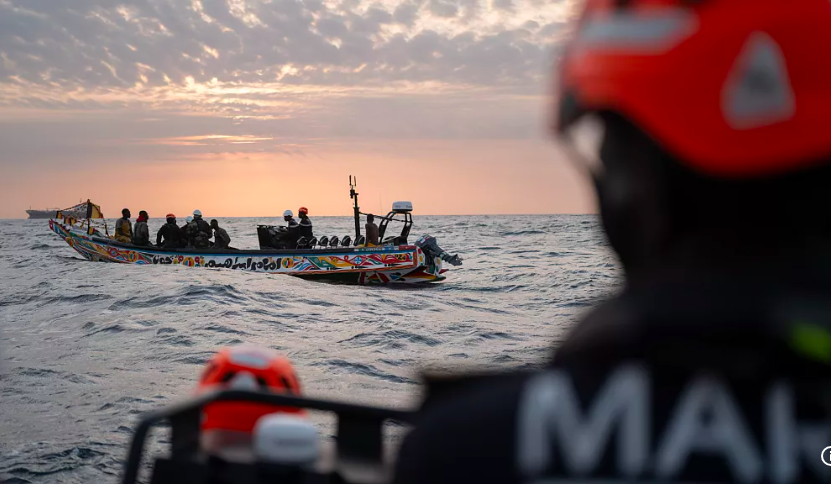
Senegal's Navy Intercepts 201 Migrants on Deadly Atlantic Route to Europe
In yet another stark reminder of the escalating migration crisis in West Africa, the Senegalese navy announced on Wednesday the interception of 201 migrants attempting the perilous Atlantic Ocean crossing to Europe. The operation, conducted by marines stationed in Foundiougne, in the Fatick region of western Senegal, underscores the growing desperation among migrants and the relentless efforts of authorities to contain the tide.
According to a statement from DIRPA, the Senegalese army’s public relations office, 132 migrants were rescued from a small wooden boat navigating the Saloum delta—an increasingly used launch site by smugglers. An additional 69 migrants were intercepted on land, making the operation one of the largest in recent months.
Register for Tekedia Mini-MBA edition 20 (June 8 – Sept 5, 2026).
Register for Tekedia AI in Business Masterclass.
Join Tekedia Capital Syndicate and co-invest in great global startups.
Register for Tekedia AI Lab.
A Surge in Atlantic Crossings
While irregular migration from Africa to Europe has seen a general decline in recent years, the Atlantic route—particularly from West African countries to Spain’s Canary Islands—has resurged since 2020. So far in 2024, nearly 47,000 migrants have arrived in the Canary Islands, up from around 40,000 in 2023, according to data from Spain’s Interior Ministry.
This dangerous route, stretching across thousands of kilometers of open ocean, is now considered the deadliest migration path in the world. Migrants brave violent seas, overcrowded boats, and a near-complete lack of navigation or rescue support. Many never make it. While there is no exact death toll due to the clandestine nature of departures and missing records, Spanish migrant rights group Walking Borders estimates thousands have died this year alone.

Growing Diversity and Rising Risks
Traditionally, the migrants taking this route have been young West African men fleeing poverty, unemployment, or political instability. However, in a disturbing trend, aid workers and officials are reporting a surge in the number of women and children among the passengers—an indication of the increasing level of desperation across communities.
What’s more, the route is no longer limited to African migrants. Since 2023, there has been an uptick in non-African migrants—from countries like Pakistan, Bangladesh, Yemen, Syria, and Afghanistan—attempting the crossing aboard fragile wooden fishing boats. These journeys, often orchestrated by sophisticated human smuggling networks, can stretch for days or even weeks with little food, water, or navigation.

In some tragic cases, vessels that lose direction or engine power drift aimlessly in the Atlantic. Several have been found months later in the Caribbean or Latin America, carrying only the decomposing remains of those on board.
Saloum Delta: A New Launchpad
The Saloum delta, where Tuesday’s interception occurred, has become a hotspot for migrant departures, thanks to its secluded waterways and proximity to the open ocean. While attempts to leave Senegal spike during the winter months due to calmer seas, authorities note that migration attempts occur year-round, with smugglers taking advantage of any weather window.
Despite heightened security and international efforts to curb the exodus, the number of migrants risking their lives continues to climb. Last year, the European Union signed a €210 million deal with Mauritania, aiming to prevent migrant boats from launching toward Spain. However, the agreement has yet to significantly reduce departures, prompting criticism from rights organizations who argue that enforcement-heavy policies fail to address the root causes driving migration.
The Human Toll Behind the Numbers
Beyond the statistics lies a deeper humanitarian crisis. Most migrants undertake the journey with the hope of a better life—one free of war, hunger, joblessness, or repression. However, their hopes are too often dashed by the sea, smugglers, or foreign border enforcement.
The latest interception of 201 people may have saved lives, but it also highlights the urgent need for long-term solutions. Regional governments, international organizations, and the EU must work together not just to intercept boats, but to create real economic and political alternatives at home. Until then, the Atlantic will remain a graveyard for many who see no other path forward.
Conclusion
The interception of 201 migrants by Senegal’s navy is a sobering reminder of the ongoing migration crisis gripping West Africa. As more people—men, women, and children—risk their lives to cross the Atlantic in search of safety and opportunity, the need for comprehensive, humane, and long-term solutions becomes ever more urgent. Stopping the boats is only a temporary fix; real progress will come from addressing the root causes—poverty, instability, and lack of opportunity—that drive people to such desperate measures. Until then, the Atlantic will remain not just a passage to Europe, but a deadly route lined with broken dreams and untold tragedy.
Meta Description: Senegal's navy intercepts 201 migrants on the Atlantic route to Europe, highlighting the dangers of one of the world's deadliest migration paths. Thousands have died this year alone.
Uploaded files:Share this:
- Click to share on Facebook (Opens in new window) Facebook
- Click to share on X (Opens in new window) X
- Click to share on WhatsApp (Opens in new window) WhatsApp
- Click to share on LinkedIn (Opens in new window) LinkedIn
- Click to email a link to a friend (Opens in new window) Email
- Click to print (Opens in new window) Print