

Set-Jetting Tourism: How TV and Film Locations Are Straining Global Destinations

Quote from Alex Bobby on September 21, 2025, 7:36 AM
The White Lotus, Bridgerton, K-Dramas: How Set-Jetting Tourism is Straining Trending Destinations
The rise of “set-jetting” tourism—where travellers flock to destinations featured in popular TV shows and films—has reshaped global travel patterns. Once considered a niche pursuit reserved for die-hard fans of franchises like The Lord of the Rings, set-jetting has exploded into the mainstream, driven by pandemic binge-watching, reopened borders, and the lure of cinematic landscapes. Yet while the trend has boosted local economies, it has also triggered overcrowding, environmental damage, and cultural clashes in destinations ill-prepared for sudden fame.
What Is Set-Jetting?
Set-jetting describes the phenomenon of traveling specifically to locations featured in movies and television shows. According to Expedia’s 2023 travel report, nearly half (44%) of surveyed travellers cited films or streaming shows as their top source of travel inspiration—far outpacing social media. In the UK, 46% of respondents admitted they considered visiting a destination after seeing it on screen, while 36% had already booked such a trip.
From the cobbled streets of Regency England in Bridgerton to the sun-soaked glamour of Sicily in HBO’s The White Lotus, or the sweeping Swiss Alps made famous by K-dramas like Crash Landing on You, the lure is undeniable: to step into the fantasy worlds of beloved characters.
The Impact on Local Communities
The Austrian village of Hallstatt, a postcard-perfect Alpine community of just 800 residents, epitomises the set-jetting dilemma. Thought to have inspired the animated film Frozen, it now sees as many as 10,000 visitors a day during peak season. In 2023, fed-up locals erected a temporary fence to block the iconic mountain-and-lake vista from endless streams of selfie-seekers.
Mayor Alexander Scheutz has repeatedly pleaded for relief, noting that the influx is overwhelming local infrastructure and straining residents’ patience. Despite daily limits on buses and cars, Hallstatt remains a global symbol of over-tourism fuelled by screen fame.
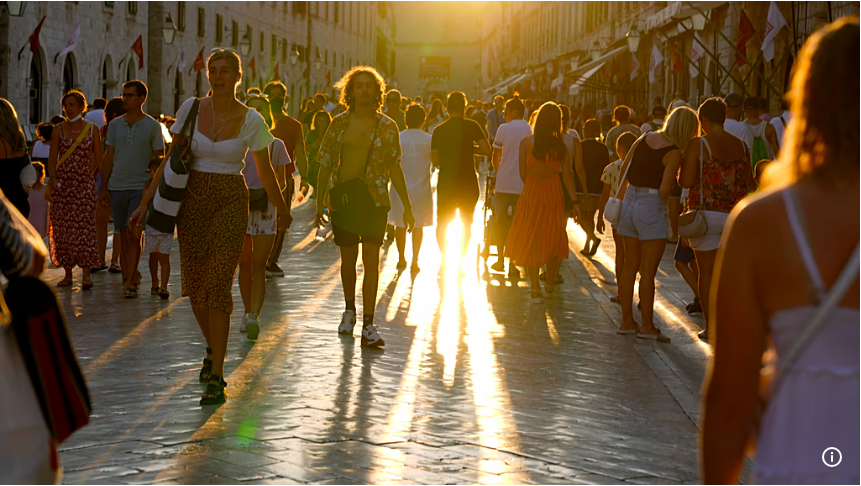
Croatia’s Dubrovnik tells a similar story. Immortalised as King’s Landing in Game of Thrones, the medieval city has seen tourism soar to unsustainable levels. With 1.5 million annual visitors compared to just 41,000 residents, the city faces clogged streets, inflated housing costs, and damage to heritage sites. Locals increasingly complain that their home has become a backdrop for tourists rather than a liveable community.
Environmental Consequences
The strain isn’t only social—it’s ecological. Nowhere is this clearer than Thailand’s Maya Bay, the idyllic setting for Leonardo DiCaprio’s 2000 film The Beach. Overnight, its turquoise waters and white sands were besieged by visitors. Within years, the coral reefs were devastated by boat traffic and careless swimmers. Authorities were forced to close the bay for nearly four years to allow for ecological recovery, reopening it only in 2022 with strict visitor caps and a swimming ban.
This case has become a cautionary tale of what can happen when set-jetting overwhelms fragile ecosystems. Without careful management, the natural beauty that draws fans risks being lost forever.
The Global Reach of K-Dramas
Beyond Western shows, Korean dramas have sparked a new wave of global set-jetting. Crash Landing on You sent fans flocking to Switzerland’s Interlaken and Iseltwald, while 2024’s hit Queen of Tears inspired a surge in visits to Berlin and Potsdam, Germany.
Tourism boards are beginning to recognise the potential and risks. While K-drama-inspired visits boost hotel bookings and local tours, authorities worry about overcrowding and the strain on small European towns unused to large numbers of Asian tourists arriving with specific itineraries tied to fictional plots.
France Braces for The White Lotus Effect
Looking ahead, all eyes are on France, where the fourth season of The White Lotus is expected to film, likely in Paris, Megève, or the Côte d’Azur. France is already the world’s most visited country, welcoming over 100 million arrivals in 2024. Some regions are at breaking point: Montmartre residents complain about the “Disneyfication” of their neighbourhood, with tuk-tuks, long photo queues, and short-term rentals crowding out everyday life.
Meanwhile, Cannes is cracking down on cruise ship arrivals, limiting passengers and banning mega-ships by 2030. The national tourism agency, Atout France, has invested billions in its Destination France Plan, promoting sustainable travel, rail connections, and longer, less disruptive stays. But if The White Lotus draws a global wave of wealthy fans to already-burdened luxury hotspots, the pressure on local communities could intensify.
Can Set-Jetting Be Sustainable?
The challenge is clear: how can destinations harness the economic benefits of set-jetting while preserving their cultural integrity and environment? Some strategies are already in play:
- Visitor caps: Hallstatt and Maya Bay have shown that limiting daily arrivals can prevent total overwhelm.
- Diversification: France is encouraging tourists to explore mid-sized cities beyond Paris, shifting attention away from hotspots.
- Education: Campaigns to encourage respectful behaviour—such as not blocking streets for selfies—can ease tension with locals.
- Tourism taxes: Additional fees for visitors can fund maintenance, infrastructure, and conservation.
Ultimately, sustainability depends on balancing storytelling with stewardship. Screen tourism isn’t going away; if anything, it will intensify as streaming platforms churn out globally beloved shows. But without proactive planning, the places that inspire awe on our screens may be irreparably damaged by the very visitors they attract.
Looking Forward
As global audiences continue to binge-watch shows on streaming platforms, the appetite for set-jetting will only grow. From the medieval streets of Dubrovnik to the alpine beauty of Hallstatt, the challenge is to manage this surge without erasing what makes these places unique. Destinations like France, bracing for The White Lotus effect, will serve as a key test of whether popular culture and sustainable tourism can coexist.
Looking ahead, governments, tourism boards, and streaming giants alike will need to collaborate—promoting responsible travel, encouraging longer stays, and spreading tourism beyond the most iconic backdrops. If managed wisely, set-jetting could evolve from being a strain into an opportunity to highlight lesser-known treasures, enriching both visitors and local communities.
Final Thoughts
Set-jetting is more than a quirky travel trend—it’s a global force reshaping where, why, and how people travel. While it can revitalise local economies, it also risks eroding the very charm and authenticity that make these places worth visiting. From Hallstatt to Dubrovnik, Montmartre to Maya Bay, the challenge is universal: finding a way to welcome fans while preserving communities and ecosystems.
As destinations brace for the next wave of screen-driven visitors—whether chasing The White Lotus in France or the latest K-drama honeymoon spot—one thing is certain: sustainable tourism is no longer optional. It is the only path forward.
Here’s a strong Conclusion for your set-jetting tourism article:
Conclusion
Set-jetting has transformed the way people choose where to travel, blending entertainment with exploration. Yet behind the Instagram-perfect shots lies a more complex reality: small towns, historic cities, and fragile ecosystems are buckling under the weight of sudden fame. While fans seek to live out the fantasy of their favourite shows and films, residents face the consequences of overcrowding, rising costs, and environmental degradation.
The future of set-jetting doesn’t have to be bleak. With thoughtful planning, responsible visitor behaviour, and policies that prioritise sustainability, destinations can enjoy the benefits of screen fame without losing their essence. Ultimately, the challenge lies in striking a balance between global wanderlust and the protection of places that inspire it.
Meta Description:
From The White Lotus in Sicily to K-dramas in Switzerland, set-jetting tourism is booming—but overcrowding, rising costs, and environmental damage are leaving popular destinations struggling to cope.
The White Lotus, Bridgerton, K-Dramas: How Set-Jetting Tourism is Straining Trending Destinations
The rise of “set-jetting” tourism—where travellers flock to destinations featured in popular TV shows and films—has reshaped global travel patterns. Once considered a niche pursuit reserved for die-hard fans of franchises like The Lord of the Rings, set-jetting has exploded into the mainstream, driven by pandemic binge-watching, reopened borders, and the lure of cinematic landscapes. Yet while the trend has boosted local economies, it has also triggered overcrowding, environmental damage, and cultural clashes in destinations ill-prepared for sudden fame.
What Is Set-Jetting?
Register for Tekedia Mini-MBA edition 20 (June 8 – Sept 5, 2026).
Register for Tekedia AI in Business Masterclass.
Join Tekedia Capital Syndicate and co-invest in great global startups.
Register for Tekedia AI Lab.
Set-jetting describes the phenomenon of traveling specifically to locations featured in movies and television shows. According to Expedia’s 2023 travel report, nearly half (44%) of surveyed travellers cited films or streaming shows as their top source of travel inspiration—far outpacing social media. In the UK, 46% of respondents admitted they considered visiting a destination after seeing it on screen, while 36% had already booked such a trip.
From the cobbled streets of Regency England in Bridgerton to the sun-soaked glamour of Sicily in HBO’s The White Lotus, or the sweeping Swiss Alps made famous by K-dramas like Crash Landing on You, the lure is undeniable: to step into the fantasy worlds of beloved characters.
The Impact on Local Communities

The Austrian village of Hallstatt, a postcard-perfect Alpine community of just 800 residents, epitomises the set-jetting dilemma. Thought to have inspired the animated film Frozen, it now sees as many as 10,000 visitors a day during peak season. In 2023, fed-up locals erected a temporary fence to block the iconic mountain-and-lake vista from endless streams of selfie-seekers.
Mayor Alexander Scheutz has repeatedly pleaded for relief, noting that the influx is overwhelming local infrastructure and straining residents’ patience. Despite daily limits on buses and cars, Hallstatt remains a global symbol of over-tourism fuelled by screen fame.
Croatia’s Dubrovnik tells a similar story. Immortalised as King’s Landing in Game of Thrones, the medieval city has seen tourism soar to unsustainable levels. With 1.5 million annual visitors compared to just 41,000 residents, the city faces clogged streets, inflated housing costs, and damage to heritage sites. Locals increasingly complain that their home has become a backdrop for tourists rather than a liveable community.

Environmental Consequences
The strain isn’t only social—it’s ecological. Nowhere is this clearer than Thailand’s Maya Bay, the idyllic setting for Leonardo DiCaprio’s 2000 film The Beach. Overnight, its turquoise waters and white sands were besieged by visitors. Within years, the coral reefs were devastated by boat traffic and careless swimmers. Authorities were forced to close the bay for nearly four years to allow for ecological recovery, reopening it only in 2022 with strict visitor caps and a swimming ban.
This case has become a cautionary tale of what can happen when set-jetting overwhelms fragile ecosystems. Without careful management, the natural beauty that draws fans risks being lost forever.
The Global Reach of K-Dramas
Beyond Western shows, Korean dramas have sparked a new wave of global set-jetting. Crash Landing on You sent fans flocking to Switzerland’s Interlaken and Iseltwald, while 2024’s hit Queen of Tears inspired a surge in visits to Berlin and Potsdam, Germany.
Tourism boards are beginning to recognise the potential and risks. While K-drama-inspired visits boost hotel bookings and local tours, authorities worry about overcrowding and the strain on small European towns unused to large numbers of Asian tourists arriving with specific itineraries tied to fictional plots.
France Braces for The White Lotus Effect
Looking ahead, all eyes are on France, where the fourth season of The White Lotus is expected to film, likely in Paris, Megève, or the Côte d’Azur. France is already the world’s most visited country, welcoming over 100 million arrivals in 2024. Some regions are at breaking point: Montmartre residents complain about the “Disneyfication” of their neighbourhood, with tuk-tuks, long photo queues, and short-term rentals crowding out everyday life.
Meanwhile, Cannes is cracking down on cruise ship arrivals, limiting passengers and banning mega-ships by 2030. The national tourism agency, Atout France, has invested billions in its Destination France Plan, promoting sustainable travel, rail connections, and longer, less disruptive stays. But if The White Lotus draws a global wave of wealthy fans to already-burdened luxury hotspots, the pressure on local communities could intensify.
Can Set-Jetting Be Sustainable?
The challenge is clear: how can destinations harness the economic benefits of set-jetting while preserving their cultural integrity and environment? Some strategies are already in play:
- Visitor caps: Hallstatt and Maya Bay have shown that limiting daily arrivals can prevent total overwhelm.
- Diversification: France is encouraging tourists to explore mid-sized cities beyond Paris, shifting attention away from hotspots.
- Education: Campaigns to encourage respectful behaviour—such as not blocking streets for selfies—can ease tension with locals.
- Tourism taxes: Additional fees for visitors can fund maintenance, infrastructure, and conservation.
Ultimately, sustainability depends on balancing storytelling with stewardship. Screen tourism isn’t going away; if anything, it will intensify as streaming platforms churn out globally beloved shows. But without proactive planning, the places that inspire awe on our screens may be irreparably damaged by the very visitors they attract.
Looking Forward
As global audiences continue to binge-watch shows on streaming platforms, the appetite for set-jetting will only grow. From the medieval streets of Dubrovnik to the alpine beauty of Hallstatt, the challenge is to manage this surge without erasing what makes these places unique. Destinations like France, bracing for The White Lotus effect, will serve as a key test of whether popular culture and sustainable tourism can coexist.
Looking ahead, governments, tourism boards, and streaming giants alike will need to collaborate—promoting responsible travel, encouraging longer stays, and spreading tourism beyond the most iconic backdrops. If managed wisely, set-jetting could evolve from being a strain into an opportunity to highlight lesser-known treasures, enriching both visitors and local communities.
Final Thoughts
Set-jetting is more than a quirky travel trend—it’s a global force reshaping where, why, and how people travel. While it can revitalise local economies, it also risks eroding the very charm and authenticity that make these places worth visiting. From Hallstatt to Dubrovnik, Montmartre to Maya Bay, the challenge is universal: finding a way to welcome fans while preserving communities and ecosystems.
As destinations brace for the next wave of screen-driven visitors—whether chasing The White Lotus in France or the latest K-drama honeymoon spot—one thing is certain: sustainable tourism is no longer optional. It is the only path forward.
Here’s a strong Conclusion for your set-jetting tourism article:
Conclusion
Set-jetting has transformed the way people choose where to travel, blending entertainment with exploration. Yet behind the Instagram-perfect shots lies a more complex reality: small towns, historic cities, and fragile ecosystems are buckling under the weight of sudden fame. While fans seek to live out the fantasy of their favourite shows and films, residents face the consequences of overcrowding, rising costs, and environmental degradation.
The future of set-jetting doesn’t have to be bleak. With thoughtful planning, responsible visitor behaviour, and policies that prioritise sustainability, destinations can enjoy the benefits of screen fame without losing their essence. Ultimately, the challenge lies in striking a balance between global wanderlust and the protection of places that inspire it.
Meta Description:
From The White Lotus in Sicily to K-dramas in Switzerland, set-jetting tourism is booming—but overcrowding, rising costs, and environmental damage are leaving popular destinations struggling to cope.
Share this:
- Click to share on Facebook (Opens in new window) Facebook
- Click to share on X (Opens in new window) X
- Click to share on WhatsApp (Opens in new window) WhatsApp
- Click to share on LinkedIn (Opens in new window) LinkedIn
- Click to email a link to a friend (Opens in new window) Email
- Click to print (Opens in new window) Print