

So Bad They’re Good: Why We Love Terrible Movies Like Ice Cube’s War of the Worlds

Quote from Alex Bobby on August 11, 2025, 4:17 AM
So Bad They’re Good – Why We Love Terrible Films
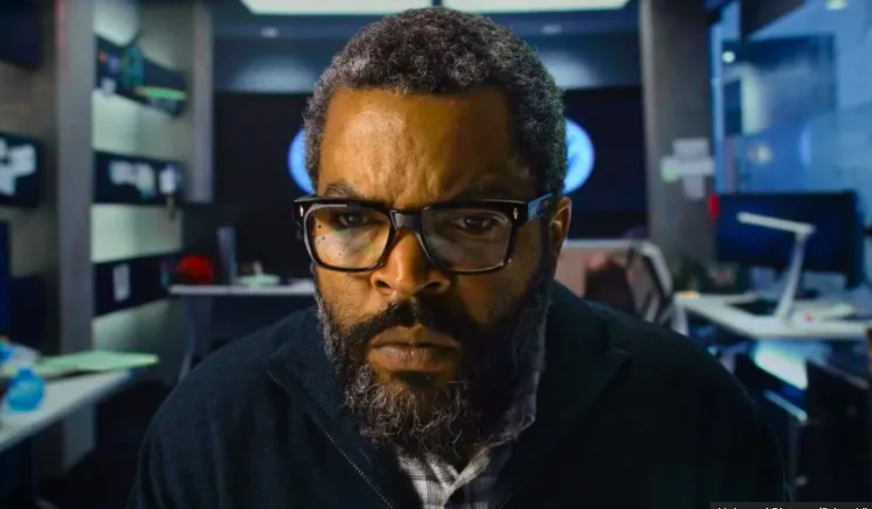
When critics panned the new War of the Worlds—starring Ice Cube as a government agent battling an alien invasion without leaving his desk—it seemed destined for the cinematic scrap heap. Reviewers weren’t just unkind; they were brutal. Some called it “the worst possible adaptation of H.G. Wells’ work.” Others went further, suggesting it might be “one of the worst movies ever made.”
Then something unexpected happened: the internet fell in love.
Within hours of its Rotten Tomatoes score hitting a perfect 0%, social media lit up with people declaring they now had to watch it. Even actor Patrick Schwarzenegger, son of Arnold, admitted the film’s critical thrashing had piqued his curiosity.
It’s a strange phenomenon—how the very things that make a movie “bad” can also make it irresistibly watchable. But it’s nothing new. Cinema history is full of examples of terrible films that earned cult status precisely because of their flaws.
The Irresistible Pull of Disaster
Lon Harris, executive producer of the This Week in Startups podcast, summed it up perfectly when he posted online:
“Dipping below like 5% on Rotten Tomatoes has basically the same appeal to me as breaking 90%… That’s something I need to experience right there.”
For Harris, a rock-bottom score represents a rare consensus among critics: this film is bad—universally bad. But instead of being a deterrent, that consensus is intriguing. “Why does everyone agree? Suddenly, I’m curious,” he explains.
In a streaming era saturated with safe, forgettable content, a genuine train wreck stands out. “Most films are bland,” Harris says. “A movie that fails spectacularly is, in its own way, refreshing.”
When Bad Becomes Entertaining
Harris was intrigued enough to watch War of the Worlds, and it didn’t disappoint—at least not in the conventional sense.
“It’s very silly,” he says. “Ice Cube’s solo performance, just reacting to things on his laptop screen, verges at times on parody and frequently made me laugh. There’s a whole subplot involving Amazon drone deliveries that’s so on-the-nose it’s almost unbelievable they included it.”
The film’s premise—a man tasked with saving the world remotely—was a creative workaround for filming during the pandemic. But the constraints are obvious, and that’s part of the charm. Viewers can see the filmmakers’ earnest attempts to stretch their budget, hide production limitations, and keep the plot moving despite the claustrophobic setting.
It’s the antithesis of Hollywood slickness. And for some audiences, that makes it more engaging than yet another generic alien invasion blockbuster.
The Cult of the Flop
This isn’t the first time a “bad” movie has become a fan favourite. The Room (2003), Tommy Wiseau’s bizarre, self-funded melodrama, is often dubbed “the Citizen Kane of bad movies.” Its stilted dialogue, baffling plot choices, and eccentric performances have turned it into a midnight screening staple.
Similarly, 1995’s Showgirls, a critical disaster upon release, is now embraced as a camp classic. And 1987’s Miami Connection—a martial arts rock band thriller made by a group of enthusiastic amateurs—sat forgotten for decades before being rediscovered and celebrated for its earnest incompetence.
These films share certain traits: sincerity, ambition beyond their means, and an unpolished, unfiltered creative vision. They aren’t made cynically to cash in on trends—they fail in ways that reveal the human effort behind them.
Why We Can’t Look Away
Part of the appeal lies in seeing the “artistic seams” that big-budget productions usually hide. When a movie’s flaws are visible, it feels more authentic, more human.
There’s also a communal aspect. Watching a terrible film is often a group activity—whether at a midnight screening, a bad movie night with friends, or through live-tweeting. The shared laughter over a ridiculous plot twist or clumsy line reading becomes part of the enjoyment.
Then there’s irony. In a culture steeped in memes and internet humour, bad movies offer a goldmine of unintentional comedy. Lines delivered without self-awareness become catchphrases; awkward effects become GIFs; entire scenes become viral moments.
And sometimes, the very absurdity of the movie makes it strangely compelling. You want to see what ridiculous thing will happen next—not in spite of the incompetence, but because of it.
From Zero to Hero (Sort of)
After its initial critical mauling, War of the Worlds managed a minor comeback. Entertainment Weekly’s Jordan Hoffman, perhaps emboldened by the hype, watched the film and found himself entertained.
“Is this movie really that bad?” he asked. His verdict: “Absolutely not. It’s certainly stupid, but it’s also a great deal of fun.”
That review was counted as positive by Rotten Tomatoes, nudging the film’s score from 0% to 4%. Hardly critical acclaim, but enough to change its status from total failure to scrappy underdog.
The Future of ‘Bad’ Movies
In an age where content is constantly churned out, intentionally bad films—known as “mockbusters” or “so-bad-they’re-good” cash-ins—risk diluting the magic. Movies like Sharknado or Velocipastor lean into absurdity from the start, but audiences often prefer the accidental disaster to the calculated one.
The true cult bad movie happens when the creators are earnestly trying to make something good—and miss spectacularly. That sincerity is what makes them memorable, and why people will watch War of the Worlds even after being told it’s terrible.
Conclusion
Our love for terrible films says something about our relationship with cinema itself. We don’t just watch movies to be dazzled by flawless execution; sometimes, we watch to be surprised, amused, and connected through shared disbelief at what’s unfolding on screen.
When a film is so bad it’s good, it offers a kind of entertainment that polished perfection never could—a messy, chaotic, and strangely joyful reminder that art, even when it fails, can still bring people together. And maybe, just maybe, Ice Cube saving the world from his laptop will one day take its place alongside The Room and Showgirls in the pantheon of gloriously terrible cinema.
Meta Description:
Discover why audiences can’t resist “so bad they’re good” films, from Ice Cube’s panned War of the Worlds to cult classics like The Room—and how cinematic failures become fan favourites.
So Bad They’re Good – Why We Love Terrible Films
When critics panned the new War of the Worlds—starring Ice Cube as a government agent battling an alien invasion without leaving his desk—it seemed destined for the cinematic scrap heap. Reviewers weren’t just unkind; they were brutal. Some called it “the worst possible adaptation of H.G. Wells’ work.” Others went further, suggesting it might be “one of the worst movies ever made.”
Then something unexpected happened: the internet fell in love.
Register for Tekedia Mini-MBA edition 20 (June 8 – Sept 5, 2026).
Register for Tekedia AI in Business Masterclass.
Join Tekedia Capital Syndicate and co-invest in great global startups.
Register for Tekedia AI Lab.
Within hours of its Rotten Tomatoes score hitting a perfect 0%, social media lit up with people declaring they now had to watch it. Even actor Patrick Schwarzenegger, son of Arnold, admitted the film’s critical thrashing had piqued his curiosity.
It’s a strange phenomenon—how the very things that make a movie “bad” can also make it irresistibly watchable. But it’s nothing new. Cinema history is full of examples of terrible films that earned cult status precisely because of their flaws.
The Irresistible Pull of Disaster

Lon Harris, executive producer of the This Week in Startups podcast, summed it up perfectly when he posted online:
“Dipping below like 5% on Rotten Tomatoes has basically the same appeal to me as breaking 90%… That’s something I need to experience right there.”
For Harris, a rock-bottom score represents a rare consensus among critics: this film is bad—universally bad. But instead of being a deterrent, that consensus is intriguing. “Why does everyone agree? Suddenly, I’m curious,” he explains.

In a streaming era saturated with safe, forgettable content, a genuine train wreck stands out. “Most films are bland,” Harris says. “A movie that fails spectacularly is, in its own way, refreshing.”
When Bad Becomes Entertaining
Harris was intrigued enough to watch War of the Worlds, and it didn’t disappoint—at least not in the conventional sense.
“It’s very silly,” he says. “Ice Cube’s solo performance, just reacting to things on his laptop screen, verges at times on parody and frequently made me laugh. There’s a whole subplot involving Amazon drone deliveries that’s so on-the-nose it’s almost unbelievable they included it.”
The film’s premise—a man tasked with saving the world remotely—was a creative workaround for filming during the pandemic. But the constraints are obvious, and that’s part of the charm. Viewers can see the filmmakers’ earnest attempts to stretch their budget, hide production limitations, and keep the plot moving despite the claustrophobic setting.
It’s the antithesis of Hollywood slickness. And for some audiences, that makes it more engaging than yet another generic alien invasion blockbuster.
The Cult of the Flop
This isn’t the first time a “bad” movie has become a fan favourite. The Room (2003), Tommy Wiseau’s bizarre, self-funded melodrama, is often dubbed “the Citizen Kane of bad movies.” Its stilted dialogue, baffling plot choices, and eccentric performances have turned it into a midnight screening staple.
Similarly, 1995’s Showgirls, a critical disaster upon release, is now embraced as a camp classic. And 1987’s Miami Connection—a martial arts rock band thriller made by a group of enthusiastic amateurs—sat forgotten for decades before being rediscovered and celebrated for its earnest incompetence.
These films share certain traits: sincerity, ambition beyond their means, and an unpolished, unfiltered creative vision. They aren’t made cynically to cash in on trends—they fail in ways that reveal the human effort behind them.
Why We Can’t Look Away
Part of the appeal lies in seeing the “artistic seams” that big-budget productions usually hide. When a movie’s flaws are visible, it feels more authentic, more human.
There’s also a communal aspect. Watching a terrible film is often a group activity—whether at a midnight screening, a bad movie night with friends, or through live-tweeting. The shared laughter over a ridiculous plot twist or clumsy line reading becomes part of the enjoyment.
Then there’s irony. In a culture steeped in memes and internet humour, bad movies offer a goldmine of unintentional comedy. Lines delivered without self-awareness become catchphrases; awkward effects become GIFs; entire scenes become viral moments.
And sometimes, the very absurdity of the movie makes it strangely compelling. You want to see what ridiculous thing will happen next—not in spite of the incompetence, but because of it.
From Zero to Hero (Sort of)
After its initial critical mauling, War of the Worlds managed a minor comeback. Entertainment Weekly’s Jordan Hoffman, perhaps emboldened by the hype, watched the film and found himself entertained.
“Is this movie really that bad?” he asked. His verdict: “Absolutely not. It’s certainly stupid, but it’s also a great deal of fun.”
That review was counted as positive by Rotten Tomatoes, nudging the film’s score from 0% to 4%. Hardly critical acclaim, but enough to change its status from total failure to scrappy underdog.
The Future of ‘Bad’ Movies
In an age where content is constantly churned out, intentionally bad films—known as “mockbusters” or “so-bad-they’re-good” cash-ins—risk diluting the magic. Movies like Sharknado or Velocipastor lean into absurdity from the start, but audiences often prefer the accidental disaster to the calculated one.
The true cult bad movie happens when the creators are earnestly trying to make something good—and miss spectacularly. That sincerity is what makes them memorable, and why people will watch War of the Worlds even after being told it’s terrible.
Conclusion
Our love for terrible films says something about our relationship with cinema itself. We don’t just watch movies to be dazzled by flawless execution; sometimes, we watch to be surprised, amused, and connected through shared disbelief at what’s unfolding on screen.
When a film is so bad it’s good, it offers a kind of entertainment that polished perfection never could—a messy, chaotic, and strangely joyful reminder that art, even when it fails, can still bring people together. And maybe, just maybe, Ice Cube saving the world from his laptop will one day take its place alongside The Room and Showgirls in the pantheon of gloriously terrible cinema.
Meta Description:
Discover why audiences can’t resist “so bad they’re good” films, from Ice Cube’s panned War of the Worlds to cult classics like The Room—and how cinematic failures become fan favourites.
Share this:
- Click to share on Facebook (Opens in new window) Facebook
- Click to share on X (Opens in new window) X
- Click to share on WhatsApp (Opens in new window) WhatsApp
- Click to share on LinkedIn (Opens in new window) LinkedIn
- Click to email a link to a friend (Opens in new window) Email
- Click to print (Opens in new window) Print