

South Sudan’s Vice-President Riek Machar Charged with Murder and Treason, Raising Fears of Civil War

Quote from Alex Bobby on September 13, 2025, 3:48 AM
South Sudan’s Vice-President Riek Machar Charged with Murder and Treason: A Nation on the Brink
South Sudan, the world’s youngest nation, has been thrust into political turmoil following the announcement that its First Vice-President, Riek Machar, has been formally charged with murder, treason, and crimes against humanity. The charges, announced by Justice Minister Joseph Geng Akech, stem from a deadly March attack carried out by a militia allegedly linked to Machar, which left at least 250 soldiers and a general dead. The shocking development has raised fears that the country could slide back into full-scale civil war, barely seven years after a fragile peace agreement ended a brutal conflict.
A Flashpoint in South Sudan’s Fragile Peace
Machar, who has long been a central figure in South Sudanese politics, has been under house arrest in the capital, Juba, since March. The security situation around him has now tightened further, with roads to his residence reportedly blocked by tanks and heavily armed soldiers. His arrest and the charges against him represent the most dramatic escalation in the political crisis gripping the country in years.
Justice Minister Akech said the case is a matter of accountability. “This case sends a clear message: those who commit atrocities against the people of South Sudan, against our armed forces, and against humanitarian personnel will be held accountable, no matter their position or political influence,” he declared. He added that, as the matter is now before the courts, it should not be subject to political or diplomatic debate until a judicial pronouncement is made.
However, many fear that this legal approach masks deeper political motivations — and could tear apart the already delicate fabric of the peace process.
A Deadly Attack and Its Ethnic Undercurrents
The charges against Machar are linked to a deadly assault in March on an army base in the northeastern town of Nasir. The attack was reportedly carried out by the White Army, a militia largely made up of fighters from the Nuer ethnic group — the same ethnic group as Machar. The White Army fighters allegedly overran the base, killing hundreds of government soldiers, including a senior general. A UN helicopter was also fired upon during the assault, leading to the death of its pilot.
The government claims that the White Army was acting on orders from Machar and his close allies. The justice minister announced that seven other senior figures have been charged alongside Machar, including Petroleum Minister Puot Kang Chol and Army Deputy Chief of Staff Lieutenant General Gabriel Duop Lam. All seven have been in detention since March and have now been suspended from their government positions. Another 13 suspects remain at large.
These allegations, if proven, would represent a staggering breach of the 2018 peace agreement that ended South Sudan’s devastating five-year civil war. That conflict, fought largely along ethnic lines between forces loyal to President Salva Kiir, from the Dinka ethnic group, and Machar’s Nuer-led opposition, left nearly 400,000 people dead and displaced millions.
Accusations of a Political Witch-Hunt
Machar’s camp has strongly rejected the charges. His spokesperson, Puok Both Baluang, condemned the move as a “political witch-hunt” designed to sideline the vice-president and dismantle the peace agreement.
“This whole crisis has been fabricated by Kiir’s allies,” Baluang said. “South Sudan’s judicial system is not independent and is operating as politically directed courts.”
Baluang argued that the government’s accusations were an attempt to exploit ethnic divisions and eliminate political rivals ahead of elections, which have been repeatedly delayed since the peace deal was signed. The spokesperson further warned that prosecuting Machar and his allies risked reigniting the country’s ethnic rivalries and plunging South Sudan back into war.
So far, Machar himself has not publicly commented on the allegations.
A Peace Deal Under Strain
The relationship between President Salva Kiir and Riek Machar has always been uneasy. The two men have shared power under the 2018 peace deal, which created a unity government in a bid to end the civil war. But their partnership has been marked by deep mistrust, political infighting, and sporadic outbreaks of violence between their respective forces.
Many observers worry that the charges against Machar will collapse this already fragile unity. The United Nations, African Union, and several neighbouring countries have called for calm and urged both sides to resolve the matter peacefully. The UN Mission in South Sudan (UNMISS) has warned that political instability could spark a return to widespread violence and deepen the country’s humanitarian crisis, which has left over 9 million people in need of aid.
South Sudan is scheduled to hold elections in December 2024 — its first since independence — but the timetable is increasingly uncertain. The detention of senior political figures like Machar and Chol raises serious questions about whether credible, inclusive elections are still possible.
Historical Context and the Stakes Ahead
South Sudan gained independence from Sudan in 2011 after decades of armed struggle. The independence celebrations were filled with hope, but within two years the country descended into civil war as the rivalry between Kiir and Machar turned violent. The 2013–2018 war was marked by massacres, sexual violence, and famine, leaving the country traumatised and its infrastructure shattered.
The 2018 peace deal ended the fighting, but it did not fully resolve the root causes of the conflict, particularly ethnic rivalries, weak institutions, and struggles over resource control. Today’s crisis exposes how fragile that peace remains.
The Road Ahead
Whether the charges against Machar are genuine or politically motivated, they are certain to have enormous repercussions. If the trial proceeds, it could lead to the collapse of the unity government, provoke retaliatory violence from Machar’s supporters, and plunge South Sudan back into conflict. If the charges are dropped, it may erode faith in the justice system and deepen political polarization.
For ordinary South Sudanese people, who have endured years of bloodshed, displacement, and poverty, the renewed political turmoil is a devastating setback. Many fear that the dream of lasting peace is slipping away.
As international and regional actors watch closely, South Sudan stands at a crossroads: either the country navigates this crisis through dialogue, restraint, and compromise, or it risks returning to the horrors of war that once tore it apart.
Final Thoughts
South Sudan now stands at a critical crossroads. The decision to charge Vice-President Riek Machar with murder, treason, and crimes against humanity is not just a legal matter — it is a test of the country’s political maturity, judicial independence, and commitment to peace. If mishandled, this crisis could unravel years of fragile progress and plunge the nation back into war.
To prevent this, South Sudan’s leaders must put national stability above personal rivalries, while regional and international actors should intensify diplomatic pressure to ensure due process and dialogue prevail over vengeance. For a country still healing from the wounds of civil war, the priority must remain clear: safeguarding peace and giving its people a chance at the stable, hopeful future they were promised at independence.
Conclusion
The indictment of Riek Machar marks one of the most perilous moments in South Sudan’s fragile post-war history. Coming just years after the 2018 peace deal ended a devastating civil conflict, the charges threaten to dismantle the delicate unity government and reopen old wounds between the country’s rival factions. While the government insists the prosecution is about accountability, many fear it is a politically motivated move that could reignite ethnic violence and derail plans for the nation’s first elections.
Whether the courts deliver justice or deepen divisions will determine South Sudan’s path — toward reconciliation and democratic stability, or back into the cycle of bloodshed that has already cost hundreds of thousands of lives. The coming months will be decisive for the future of the world’s youngest nation.
Meta Description: South Sudan’s Vice-President Riek Machar has been charged with murder, treason, and crimes against humanity, sparking fears of renewed conflict and threatening the fragile 2018 peace deal.
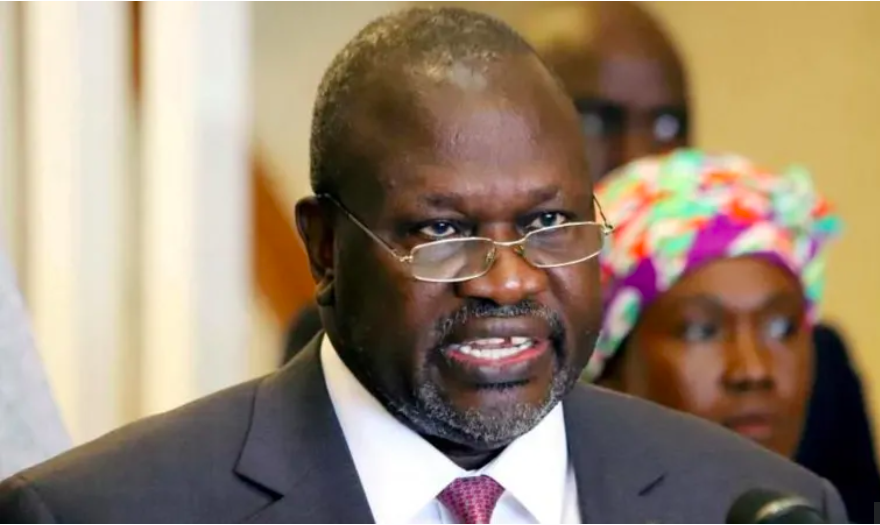
South Sudan’s Vice-President Riek Machar Charged with Murder and Treason: A Nation on the Brink
South Sudan, the world’s youngest nation, has been thrust into political turmoil following the announcement that its First Vice-President, Riek Machar, has been formally charged with murder, treason, and crimes against humanity. The charges, announced by Justice Minister Joseph Geng Akech, stem from a deadly March attack carried out by a militia allegedly linked to Machar, which left at least 250 soldiers and a general dead. The shocking development has raised fears that the country could slide back into full-scale civil war, barely seven years after a fragile peace agreement ended a brutal conflict.
A Flashpoint in South Sudan’s Fragile Peace
Register for Tekedia Mini-MBA edition 20 (June 8 – Sept 5, 2026).
Register for Tekedia AI in Business Masterclass.
Join Tekedia Capital Syndicate and co-invest in great global startups.
Register for Tekedia AI Lab.
Machar, who has long been a central figure in South Sudanese politics, has been under house arrest in the capital, Juba, since March. The security situation around him has now tightened further, with roads to his residence reportedly blocked by tanks and heavily armed soldiers. His arrest and the charges against him represent the most dramatic escalation in the political crisis gripping the country in years.
Justice Minister Akech said the case is a matter of accountability. “This case sends a clear message: those who commit atrocities against the people of South Sudan, against our armed forces, and against humanitarian personnel will be held accountable, no matter their position or political influence,” he declared. He added that, as the matter is now before the courts, it should not be subject to political or diplomatic debate until a judicial pronouncement is made.
However, many fear that this legal approach masks deeper political motivations — and could tear apart the already delicate fabric of the peace process.

A Deadly Attack and Its Ethnic Undercurrents
The charges against Machar are linked to a deadly assault in March on an army base in the northeastern town of Nasir. The attack was reportedly carried out by the White Army, a militia largely made up of fighters from the Nuer ethnic group — the same ethnic group as Machar. The White Army fighters allegedly overran the base, killing hundreds of government soldiers, including a senior general. A UN helicopter was also fired upon during the assault, leading to the death of its pilot.
The government claims that the White Army was acting on orders from Machar and his close allies. The justice minister announced that seven other senior figures have been charged alongside Machar, including Petroleum Minister Puot Kang Chol and Army Deputy Chief of Staff Lieutenant General Gabriel Duop Lam. All seven have been in detention since March and have now been suspended from their government positions. Another 13 suspects remain at large.

These allegations, if proven, would represent a staggering breach of the 2018 peace agreement that ended South Sudan’s devastating five-year civil war. That conflict, fought largely along ethnic lines between forces loyal to President Salva Kiir, from the Dinka ethnic group, and Machar’s Nuer-led opposition, left nearly 400,000 people dead and displaced millions.
Accusations of a Political Witch-Hunt
Machar’s camp has strongly rejected the charges. His spokesperson, Puok Both Baluang, condemned the move as a “political witch-hunt” designed to sideline the vice-president and dismantle the peace agreement.
“This whole crisis has been fabricated by Kiir’s allies,” Baluang said. “South Sudan’s judicial system is not independent and is operating as politically directed courts.”
Baluang argued that the government’s accusations were an attempt to exploit ethnic divisions and eliminate political rivals ahead of elections, which have been repeatedly delayed since the peace deal was signed. The spokesperson further warned that prosecuting Machar and his allies risked reigniting the country’s ethnic rivalries and plunging South Sudan back into war.
So far, Machar himself has not publicly commented on the allegations.
A Peace Deal Under Strain
The relationship between President Salva Kiir and Riek Machar has always been uneasy. The two men have shared power under the 2018 peace deal, which created a unity government in a bid to end the civil war. But their partnership has been marked by deep mistrust, political infighting, and sporadic outbreaks of violence between their respective forces.
Many observers worry that the charges against Machar will collapse this already fragile unity. The United Nations, African Union, and several neighbouring countries have called for calm and urged both sides to resolve the matter peacefully. The UN Mission in South Sudan (UNMISS) has warned that political instability could spark a return to widespread violence and deepen the country’s humanitarian crisis, which has left over 9 million people in need of aid.
South Sudan is scheduled to hold elections in December 2024 — its first since independence — but the timetable is increasingly uncertain. The detention of senior political figures like Machar and Chol raises serious questions about whether credible, inclusive elections are still possible.
Historical Context and the Stakes Ahead
South Sudan gained independence from Sudan in 2011 after decades of armed struggle. The independence celebrations were filled with hope, but within two years the country descended into civil war as the rivalry between Kiir and Machar turned violent. The 2013–2018 war was marked by massacres, sexual violence, and famine, leaving the country traumatised and its infrastructure shattered.
The 2018 peace deal ended the fighting, but it did not fully resolve the root causes of the conflict, particularly ethnic rivalries, weak institutions, and struggles over resource control. Today’s crisis exposes how fragile that peace remains.
The Road Ahead
Whether the charges against Machar are genuine or politically motivated, they are certain to have enormous repercussions. If the trial proceeds, it could lead to the collapse of the unity government, provoke retaliatory violence from Machar’s supporters, and plunge South Sudan back into conflict. If the charges are dropped, it may erode faith in the justice system and deepen political polarization.
For ordinary South Sudanese people, who have endured years of bloodshed, displacement, and poverty, the renewed political turmoil is a devastating setback. Many fear that the dream of lasting peace is slipping away.
As international and regional actors watch closely, South Sudan stands at a crossroads: either the country navigates this crisis through dialogue, restraint, and compromise, or it risks returning to the horrors of war that once tore it apart.
Final Thoughts
South Sudan now stands at a critical crossroads. The decision to charge Vice-President Riek Machar with murder, treason, and crimes against humanity is not just a legal matter — it is a test of the country’s political maturity, judicial independence, and commitment to peace. If mishandled, this crisis could unravel years of fragile progress and plunge the nation back into war.
To prevent this, South Sudan’s leaders must put national stability above personal rivalries, while regional and international actors should intensify diplomatic pressure to ensure due process and dialogue prevail over vengeance. For a country still healing from the wounds of civil war, the priority must remain clear: safeguarding peace and giving its people a chance at the stable, hopeful future they were promised at independence.
Conclusion
The indictment of Riek Machar marks one of the most perilous moments in South Sudan’s fragile post-war history. Coming just years after the 2018 peace deal ended a devastating civil conflict, the charges threaten to dismantle the delicate unity government and reopen old wounds between the country’s rival factions. While the government insists the prosecution is about accountability, many fear it is a politically motivated move that could reignite ethnic violence and derail plans for the nation’s first elections.
Whether the courts deliver justice or deepen divisions will determine South Sudan’s path — toward reconciliation and democratic stability, or back into the cycle of bloodshed that has already cost hundreds of thousands of lives. The coming months will be decisive for the future of the world’s youngest nation.
Meta Description: South Sudan’s Vice-President Riek Machar has been charged with murder, treason, and crimes against humanity, sparking fears of renewed conflict and threatening the fragile 2018 peace deal.
Uploaded files:Share this:
- Click to share on Facebook (Opens in new window) Facebook
- Click to share on X (Opens in new window) X
- Click to share on WhatsApp (Opens in new window) WhatsApp
- Click to share on LinkedIn (Opens in new window) LinkedIn
- Click to email a link to a friend (Opens in new window) Email
- Click to print (Opens in new window) Print