

Sudan Conflict: RSF Attack on Abu Shouk Camp Kills 40, Escalating Darfur Crisis

Quote from Alex Bobby on August 13, 2025, 6:29 AM
Dozens Killed in Attack on Sudan Displacement Camp as Darfur Conflict Escalates
At least 40 people have been killed in a brutal attack on the Abu Shouk displacement camp in Sudan’s western Darfur region, according to aid workers operating in the area. The assault, which took place on Monday, was reportedly carried out by the Rapid Support Forces (RSF) — the powerful paramilitary group locked in a devastating civil war with Sudan’s army for over two years.
The Abu Shouk Emergency Response Room, a local humanitarian network, confirmed the casualties, saying that some victims were shot in their homes, while others were killed in public. The resistance committee in nearby el-Fasher, a coalition of residents and activists, also reported the attack, underscoring the escalating danger for civilians trapped in the conflict.
El-Fasher Under Siege
El-Fasher, the capital of North Darfur, has emerged as the last major stronghold for Sudan’s army and its allied forces in the region. For months, it has been under intense assault from the RSF, whose fighters have encircled the city, cutting off supply routes and leaving civilians at the mercy of starvation and violence.
The United Nations has repeatedly warned that families trapped inside el-Fasher face dire shortages of food, clean water, and medicine. Aid groups say the humanitarian crisis is worsening by the day, with famine already declared in parts of the country.
While Sudanese state media suggested that Abu Shouk camp was caught in crossfire, aid workers on the ground tell a different story — that civilians were deliberately targeted. Home to more than 200,000 displaced people, Abu Shouk has been a refuge for those fleeing earlier waves of violence in Darfur, many of them from non-Arab communities such as the Fur and Zaghawa.
Evidence of a Coordinated Attack
A US-based organisation, the Yale Humanitarian Research Lab, said its analysis of satellite imagery and videos revealed a grouping of about 40 light vehicles positioned in the north-western neighbourhoods of the camp, consistent with reports that the assault came from the north.
Investigators are also examining disturbing footage that allegedly shows RSF fighters shooting at civilians as they crawled away, using ethnic slurs to humiliate them. These images, if verified, would add to a growing body of evidence suggesting targeted ethnic violence in Darfur.
The RSF has its origins in the Janjaweed militia, which was accused of committing genocide and crimes against humanity in Darfur during the early 2000s. The militia’s campaigns, which forced millions to flee their homes, were marked by widespread massacres, sexual violence, and the destruction of villages. The US has since sanctioned the RSF over allegations of genocide and ethnic cleansing in the current conflict.
Ethnic Targeting and Old Wounds
The composition of Abu Shouk’s population may have played a role in the attack. Many of its residents belong to the Zaghawa ethnic group, some of whose fighters have joined the Sudanese army in defending el-Fasher. Analysts and rights groups say this raises the possibility that the RSF deliberately targeted Zaghawa civilians as part of a broader campaign of ethnic persecution.
The Darfur conflict’s ethnic dimension runs deep. The Janjaweed — and now the RSF — have long been accused of targeting non-Arab communities, both to weaken resistance and to consolidate territorial control. Human rights organisations warn that the current war risks replaying the atrocities of two decades ago, when hundreds of thousands were killed and millions displaced.
Camps Under Constant Threat
This is far from the first attack on a displacement camp near el-Fasher. In April 2025, more than 100 people were killed when the RSF overran the Zamzam camp, forcing thousands to flee once again. These camps, originally intended to provide safety and humanitarian support, have instead become deadly flashpoints in the war.
Residents say the RSF frequently loots food supplies, occupies shelters, and uses the camps as staging grounds for further attacks. With little to no protection from the Sudanese army — itself stretched thin and under siege — civilians are left defenceless.
A Nation in Crisis
Since the civil war erupted in April 2023, Sudan has been gripped by one of the world’s worst humanitarian crises. Tens of thousands of people have been killed, and an estimated 12 million have been displaced, both internally and across borders. Many are surviving on what little they can find — aid groups have reported families eating leaves, roots, and even charcoal in a desperate attempt to stave off hunger.
International agencies have repeatedly warned that Sudan is on the brink of state collapse. The economy has crumbled, healthcare systems have disintegrated, and infrastructure has been destroyed. The war has also drawn in various armed factions, deepening divisions and making peace negotiations even more elusive.
International Response and Calls for Accountability
The attack on Abu Shouk has prompted renewed calls for international action. Human rights groups are urging the UN Security Council to impose stronger sanctions on RSF leaders and to refer alleged atrocities to the International Criminal Court.
However, diplomatic efforts have so far been hampered by global divisions, with some nations reluctant to take sides or impose measures that could further destabilise the region. Aid agencies, meanwhile, continue to call for unfettered humanitarian access to besieged areas like el-Fasher, where supplies are running dangerously low.
Final Thoughts
The massacre at Abu Shouk is a grim reminder of how vulnerable Sudan’s displaced communities remain, even decades after the original Darfur genocide. With the RSF accused of carrying out deliberate attacks on civilians — often along ethnic lines — and the army unable to provide security, the people of Darfur are once again caught in a deadly cycle of violence and displacement.
Unless there is a decisive and coordinated international effort to protect civilians, hold perpetrators accountable, and address the root causes of the conflict, tragedies like Abu Shouk will continue to stain Sudan’s future. For the families who have already endured years of war, famine, and exile, peace cannot come soon enough.
Conclusion:
The attack on Abu Shouk camp is a grim reminder of the relentless violence and deepening humanitarian disaster unfolding in Sudan. For decades, Darfur’s displaced have lived with the hope of safety, yet war has followed them into the very spaces meant to shelter them. The targeting of civilians, particularly along ethnic lines, underscores the urgent need for stronger international intervention and protection measures. Without decisive global action, the cycle of violence, displacement, and starvation will continue to claim countless lives, leaving entire communities on the brink of annihilation.Meta Description:
At least 40 people were killed in an RSF attack on Sudan’s Abu Shouk camp, a refuge for Darfur’s displaced. The assault highlights the worsening humanitarian crisis and ethnic violence in the region.
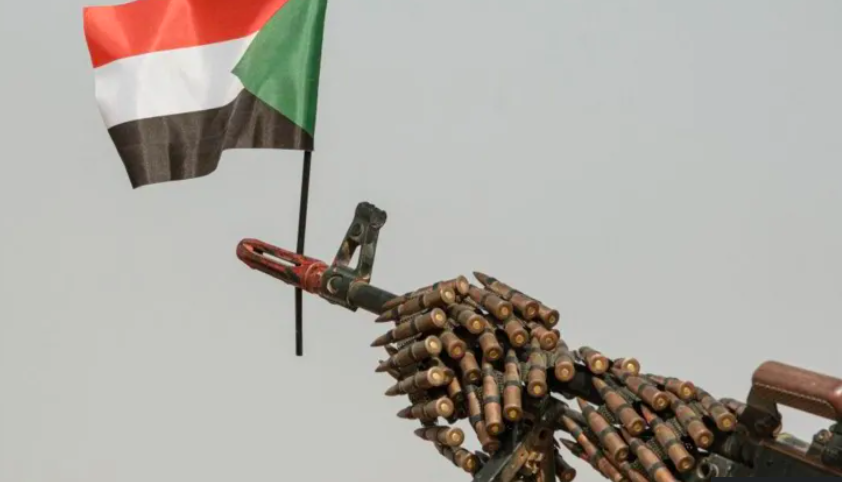
Dozens Killed in Attack on Sudan Displacement Camp as Darfur Conflict Escalates
At least 40 people have been killed in a brutal attack on the Abu Shouk displacement camp in Sudan’s western Darfur region, according to aid workers operating in the area. The assault, which took place on Monday, was reportedly carried out by the Rapid Support Forces (RSF) — the powerful paramilitary group locked in a devastating civil war with Sudan’s army for over two years.
The Abu Shouk Emergency Response Room, a local humanitarian network, confirmed the casualties, saying that some victims were shot in their homes, while others were killed in public. The resistance committee in nearby el-Fasher, a coalition of residents and activists, also reported the attack, underscoring the escalating danger for civilians trapped in the conflict.
Register for Tekedia Mini-MBA edition 20 (June 8 – Sept 5, 2026).
Register for Tekedia AI in Business Masterclass.
Join Tekedia Capital Syndicate and co-invest in great global startups.
Register for Tekedia AI Lab.
El-Fasher Under Siege
El-Fasher, the capital of North Darfur, has emerged as the last major stronghold for Sudan’s army and its allied forces in the region. For months, it has been under intense assault from the RSF, whose fighters have encircled the city, cutting off supply routes and leaving civilians at the mercy of starvation and violence.
The United Nations has repeatedly warned that families trapped inside el-Fasher face dire shortages of food, clean water, and medicine. Aid groups say the humanitarian crisis is worsening by the day, with famine already declared in parts of the country.

While Sudanese state media suggested that Abu Shouk camp was caught in crossfire, aid workers on the ground tell a different story — that civilians were deliberately targeted. Home to more than 200,000 displaced people, Abu Shouk has been a refuge for those fleeing earlier waves of violence in Darfur, many of them from non-Arab communities such as the Fur and Zaghawa.
Evidence of a Coordinated Attack
A US-based organisation, the Yale Humanitarian Research Lab, said its analysis of satellite imagery and videos revealed a grouping of about 40 light vehicles positioned in the north-western neighbourhoods of the camp, consistent with reports that the assault came from the north.

Investigators are also examining disturbing footage that allegedly shows RSF fighters shooting at civilians as they crawled away, using ethnic slurs to humiliate them. These images, if verified, would add to a growing body of evidence suggesting targeted ethnic violence in Darfur.
The RSF has its origins in the Janjaweed militia, which was accused of committing genocide and crimes against humanity in Darfur during the early 2000s. The militia’s campaigns, which forced millions to flee their homes, were marked by widespread massacres, sexual violence, and the destruction of villages. The US has since sanctioned the RSF over allegations of genocide and ethnic cleansing in the current conflict.
Ethnic Targeting and Old Wounds
The composition of Abu Shouk’s population may have played a role in the attack. Many of its residents belong to the Zaghawa ethnic group, some of whose fighters have joined the Sudanese army in defending el-Fasher. Analysts and rights groups say this raises the possibility that the RSF deliberately targeted Zaghawa civilians as part of a broader campaign of ethnic persecution.
The Darfur conflict’s ethnic dimension runs deep. The Janjaweed — and now the RSF — have long been accused of targeting non-Arab communities, both to weaken resistance and to consolidate territorial control. Human rights organisations warn that the current war risks replaying the atrocities of two decades ago, when hundreds of thousands were killed and millions displaced.
Camps Under Constant Threat
This is far from the first attack on a displacement camp near el-Fasher. In April 2025, more than 100 people were killed when the RSF overran the Zamzam camp, forcing thousands to flee once again. These camps, originally intended to provide safety and humanitarian support, have instead become deadly flashpoints in the war.
Residents say the RSF frequently loots food supplies, occupies shelters, and uses the camps as staging grounds for further attacks. With little to no protection from the Sudanese army — itself stretched thin and under siege — civilians are left defenceless.
A Nation in Crisis
Since the civil war erupted in April 2023, Sudan has been gripped by one of the world’s worst humanitarian crises. Tens of thousands of people have been killed, and an estimated 12 million have been displaced, both internally and across borders. Many are surviving on what little they can find — aid groups have reported families eating leaves, roots, and even charcoal in a desperate attempt to stave off hunger.
International agencies have repeatedly warned that Sudan is on the brink of state collapse. The economy has crumbled, healthcare systems have disintegrated, and infrastructure has been destroyed. The war has also drawn in various armed factions, deepening divisions and making peace negotiations even more elusive.
International Response and Calls for Accountability
The attack on Abu Shouk has prompted renewed calls for international action. Human rights groups are urging the UN Security Council to impose stronger sanctions on RSF leaders and to refer alleged atrocities to the International Criminal Court.
However, diplomatic efforts have so far been hampered by global divisions, with some nations reluctant to take sides or impose measures that could further destabilise the region. Aid agencies, meanwhile, continue to call for unfettered humanitarian access to besieged areas like el-Fasher, where supplies are running dangerously low.
Final Thoughts
The massacre at Abu Shouk is a grim reminder of how vulnerable Sudan’s displaced communities remain, even decades after the original Darfur genocide. With the RSF accused of carrying out deliberate attacks on civilians — often along ethnic lines — and the army unable to provide security, the people of Darfur are once again caught in a deadly cycle of violence and displacement.
Unless there is a decisive and coordinated international effort to protect civilians, hold perpetrators accountable, and address the root causes of the conflict, tragedies like Abu Shouk will continue to stain Sudan’s future. For the families who have already endured years of war, famine, and exile, peace cannot come soon enough.
Conclusion:
The attack on Abu Shouk camp is a grim reminder of the relentless violence and deepening humanitarian disaster unfolding in Sudan. For decades, Darfur’s displaced have lived with the hope of safety, yet war has followed them into the very spaces meant to shelter them. The targeting of civilians, particularly along ethnic lines, underscores the urgent need for stronger international intervention and protection measures. Without decisive global action, the cycle of violence, displacement, and starvation will continue to claim countless lives, leaving entire communities on the brink of annihilation.
Meta Description:
At least 40 people were killed in an RSF attack on Sudan’s Abu Shouk camp, a refuge for Darfur’s displaced. The assault highlights the worsening humanitarian crisis and ethnic violence in the region.
Share this:
- Click to share on Facebook (Opens in new window) Facebook
- Click to share on X (Opens in new window) X
- Click to share on WhatsApp (Opens in new window) WhatsApp
- Click to share on LinkedIn (Opens in new window) LinkedIn
- Click to email a link to a friend (Opens in new window) Email
- Click to print (Opens in new window) Print