

Taliban Rejects US Report Alleging Diversion of Humanitarian Aid in Afghanistan

Quote from Alex Bobby on August 15, 2025, 8:00 AM
Taliban Reject US Watchdog Claims of Diverting Aid in Afghanistan
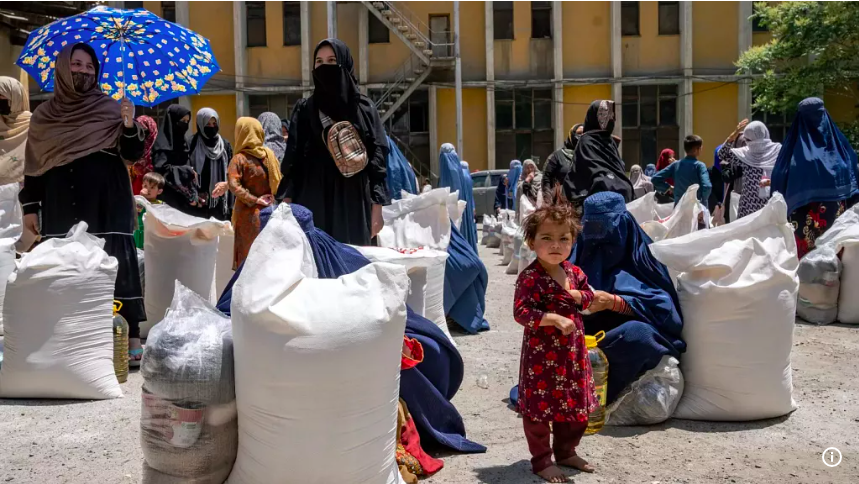
The Taliban administration has firmly denied allegations from a US watchdog report accusing them of diverting international humanitarian aid in Afghanistan, insisting that they facilitate — not obstruct — relief efforts in the country. The dispute comes amid deepening humanitarian needs, with more than half of Afghanistan’s population, around 23 million people, reliant on aid for survival.
The US Watchdog Report
The 118-page report, published on Wednesday by the US Special Inspector General for Afghanistan Reconstruction (SIGAR), alleged that Taliban authorities have used “every means at their disposal, including force,” to ensure that aid flows in ways that benefit them politically and economically.
According to SIGAR, the Taliban leverage their control over regulation to determine which non-governmental organisations (NGOs) are allowed to operate in Afghanistan and under what conditions. The report claims that this control has been used to:
- Redirect humanitarian assistance towards Pashtun communities at the expense of minority Hazara or Tajik groups.
- Block NGO activities unless they hire Taliban-affiliated businesses, charities, and individuals.
- Manipulate exchange rates and rig US dollar currency auctions for financial gain.
- Collude with senior United Nations officials to demand kickbacks from vendors.
The report also alleged that aid has been diverted to Taliban military training camps, citing the killing of an Afghan NGO worker who reportedly exposed food aid being sent to fighters instead of civilians.
A History of Aid Concerns
Until recently, the United States was Afghanistan’s single largest humanitarian donor. In 2024 alone, the US provided 43% of all international humanitarian funding to Kabul. However, former President Donald Trump’s administration halted aid payments, claiming that much of the assistance was ultimately benefiting the Taliban rather than the intended recipients.
This latest SIGAR report is based on interviews with more than 90 current and former officials from the US, United Nations agencies, and Afghan NGOs. It paints a picture of systemic interference and corruption that has allegedly compromised aid distribution since the Taliban returned to power in August 2021.
The report’s findings echo a 2023 study by the United States Institute of Peace, which concluded that the Taliban had “infiltrated and influenced” most UN-managed aid programs in the country.
Taliban’s Firm Denial
The Taliban’s Economy Ministry, which oversees both foreign and domestic NGOs operating in Afghanistan, has strongly rejected the SIGAR report’s findings.
Speaking to local media, ministry spokesperson Abdul Rahman Habib insisted that international humanitarian aid is delivered directly to communities through domestic and international bodies working via United Nations offices, without interference from Taliban institutions.
“We strive to create the necessary facilities for aid organisations to promote economic growth and reduce poverty,” Habib said. “We support the transparent activities of domestic and foreign organisations and monitor their projects.”
The Taliban position is that they act as facilitators, not gatekeepers, for humanitarian organisations — providing the security and coordination necessary for aid delivery in a challenging environment.
The UN Responds
The United Nations mission in Afghanistan (UNAMA) issued a cautious response to the SIGAR report, acknowledging the “extremely complex operating environment” for aid delivery in the country.
In a statement to the Associated Press, UNAMA noted that humanitarian operations in Afghanistan face interference and restrictions from multiple sources, including the de facto authorities. The mission also addressed the report’s allegations of kickbacks involving UN officials.
“We take extremely seriously any allegations of malpractice and corruption, either by United Nations officials or implementing partners, and ensure these are promptly investigated,” the UN said.
The organisation encouraged anyone with evidence of aid diversion, misuse, fraud, or abuse to report it through formal, confidential channels so that investigations could be launched.
Afghanistan’s Deepening Humanitarian Crisis
While the debate over aid diversion continues, Afghanistan’s humanitarian crisis remains severe. According to aid agencies, food insecurity, lack of healthcare access, and economic collapse are pushing millions into desperation.
The World Food Programme (WFP) has warned that Afghanistan is on the brink of a “humanitarian cliff,” with millions at risk of acute hunger. The collapse of the banking sector, international sanctions, and the Taliban’s restrictive policies on women’s employment in aid work have compounded operational challenges for relief agencies.
A Strained Relationship with Donors
Allegations of aid manipulation, whether proven or not, have strained Afghanistan’s already precarious relationship with international donors. While humanitarian groups stress the need to continue assistance to avoid a catastrophic famine, political realities — including the Taliban’s human rights record and restrictions on women’s freedoms — have made governments hesitant to commit long-term funding.
This tension leaves aid agencies walking a fine line: working within Taliban-controlled Afghanistan while trying to maintain neutrality and protect the integrity of their operations.
Looking Ahead
With the Taliban dismissing the US watchdog’s findings as unfounded and the UN urging evidence-based investigations, the dispute over aid diversion is unlikely to end soon. For now, the most pressing reality remains the plight of millions of ordinary Afghans who depend on international assistance for survival.
The credibility of aid delivery mechanisms — and the willingness of donors to keep funding them — will hinge on whether allegations of corruption and political interference can be addressed transparently. Until then, the humanitarian community will continue to operate in one of the most politically charged and logistically challenging environments in the world.
Conclusion
The clash between the Taliban’s denials and the US watchdog’s allegations underscores the fragile balance between politics and humanitarian needs in Afghanistan. While the Taliban insists it supports transparent aid delivery, persistent reports of interference, favouritism, and corruption continue to raise doubts among donors and aid agencies. For the millions of Afghans facing hunger and poverty, the stakes are far higher than political disputes — they depend on a steady flow of impartial, effective assistance. Restoring and maintaining trust in the aid system will be essential if the international community is to sustain support and prevent Afghanistan’s deepening crisis from turning into an irreversible humanitarian disaster.
Taliban Reject US Watchdog Claims of Diverting Aid in Afghanistan
The Taliban administration has firmly denied allegations from a US watchdog report accusing them of diverting international humanitarian aid in Afghanistan, insisting that they facilitate — not obstruct — relief efforts in the country. The dispute comes amid deepening humanitarian needs, with more than half of Afghanistan’s population, around 23 million people, reliant on aid for survival.
The US Watchdog Report
Register for Tekedia Mini-MBA edition 20 (June 8 – Sept 5, 2026).
Register for Tekedia AI in Business Masterclass.
Join Tekedia Capital Syndicate and co-invest in great global startups.
Register for Tekedia AI Lab.
The 118-page report, published on Wednesday by the US Special Inspector General for Afghanistan Reconstruction (SIGAR), alleged that Taliban authorities have used “every means at their disposal, including force,” to ensure that aid flows in ways that benefit them politically and economically.
According to SIGAR, the Taliban leverage their control over regulation to determine which non-governmental organisations (NGOs) are allowed to operate in Afghanistan and under what conditions. The report claims that this control has been used to:
- Redirect humanitarian assistance towards Pashtun communities at the expense of minority Hazara or Tajik groups.
- Block NGO activities unless they hire Taliban-affiliated businesses, charities, and individuals.
- Manipulate exchange rates and rig US dollar currency auctions for financial gain.
- Collude with senior United Nations officials to demand kickbacks from vendors.
The report also alleged that aid has been diverted to Taliban military training camps, citing the killing of an Afghan NGO worker who reportedly exposed food aid being sent to fighters instead of civilians.

A History of Aid Concerns
Until recently, the United States was Afghanistan’s single largest humanitarian donor. In 2024 alone, the US provided 43% of all international humanitarian funding to Kabul. However, former President Donald Trump’s administration halted aid payments, claiming that much of the assistance was ultimately benefiting the Taliban rather than the intended recipients.
This latest SIGAR report is based on interviews with more than 90 current and former officials from the US, United Nations agencies, and Afghan NGOs. It paints a picture of systemic interference and corruption that has allegedly compromised aid distribution since the Taliban returned to power in August 2021.

The report’s findings echo a 2023 study by the United States Institute of Peace, which concluded that the Taliban had “infiltrated and influenced” most UN-managed aid programs in the country.
Taliban’s Firm Denial
The Taliban’s Economy Ministry, which oversees both foreign and domestic NGOs operating in Afghanistan, has strongly rejected the SIGAR report’s findings.
Speaking to local media, ministry spokesperson Abdul Rahman Habib insisted that international humanitarian aid is delivered directly to communities through domestic and international bodies working via United Nations offices, without interference from Taliban institutions.
“We strive to create the necessary facilities for aid organisations to promote economic growth and reduce poverty,” Habib said. “We support the transparent activities of domestic and foreign organisations and monitor their projects.”
The Taliban position is that they act as facilitators, not gatekeepers, for humanitarian organisations — providing the security and coordination necessary for aid delivery in a challenging environment.
The UN Responds
The United Nations mission in Afghanistan (UNAMA) issued a cautious response to the SIGAR report, acknowledging the “extremely complex operating environment” for aid delivery in the country.
In a statement to the Associated Press, UNAMA noted that humanitarian operations in Afghanistan face interference and restrictions from multiple sources, including the de facto authorities. The mission also addressed the report’s allegations of kickbacks involving UN officials.
“We take extremely seriously any allegations of malpractice and corruption, either by United Nations officials or implementing partners, and ensure these are promptly investigated,” the UN said.
The organisation encouraged anyone with evidence of aid diversion, misuse, fraud, or abuse to report it through formal, confidential channels so that investigations could be launched.
Afghanistan’s Deepening Humanitarian Crisis
While the debate over aid diversion continues, Afghanistan’s humanitarian crisis remains severe. According to aid agencies, food insecurity, lack of healthcare access, and economic collapse are pushing millions into desperation.
The World Food Programme (WFP) has warned that Afghanistan is on the brink of a “humanitarian cliff,” with millions at risk of acute hunger. The collapse of the banking sector, international sanctions, and the Taliban’s restrictive policies on women’s employment in aid work have compounded operational challenges for relief agencies.
A Strained Relationship with Donors
Allegations of aid manipulation, whether proven or not, have strained Afghanistan’s already precarious relationship with international donors. While humanitarian groups stress the need to continue assistance to avoid a catastrophic famine, political realities — including the Taliban’s human rights record and restrictions on women’s freedoms — have made governments hesitant to commit long-term funding.
This tension leaves aid agencies walking a fine line: working within Taliban-controlled Afghanistan while trying to maintain neutrality and protect the integrity of their operations.
Looking Ahead
With the Taliban dismissing the US watchdog’s findings as unfounded and the UN urging evidence-based investigations, the dispute over aid diversion is unlikely to end soon. For now, the most pressing reality remains the plight of millions of ordinary Afghans who depend on international assistance for survival.
The credibility of aid delivery mechanisms — and the willingness of donors to keep funding them — will hinge on whether allegations of corruption and political interference can be addressed transparently. Until then, the humanitarian community will continue to operate in one of the most politically charged and logistically challenging environments in the world.
Conclusion
The clash between the Taliban’s denials and the US watchdog’s allegations underscores the fragile balance between politics and humanitarian needs in Afghanistan. While the Taliban insists it supports transparent aid delivery, persistent reports of interference, favouritism, and corruption continue to raise doubts among donors and aid agencies. For the millions of Afghans facing hunger and poverty, the stakes are far higher than political disputes — they depend on a steady flow of impartial, effective assistance. Restoring and maintaining trust in the aid system will be essential if the international community is to sustain support and prevent Afghanistan’s deepening crisis from turning into an irreversible humanitarian disaster.
Uploaded files:Share this:
- Click to share on Facebook (Opens in new window) Facebook
- Click to share on X (Opens in new window) X
- Click to share on WhatsApp (Opens in new window) WhatsApp
- Click to share on LinkedIn (Opens in new window) LinkedIn
- Click to email a link to a friend (Opens in new window) Email
- Click to print (Opens in new window) Print