

Teenage Girls Are the Loneliest Group in the World, WHO Report Reveals

Quote from Alex Bobby on June 30, 2025, 9:22 AM
Teenage Girls Are the Loneliest Group in the World, WHO Study Reveals
A groundbreaking new report from the World Health Organisation (WHO) has shed light on a growing global crisis that has largely flown under the radar: loneliness. And at the very centre of this epidemic is a group many might least expect—teenage girls. According to the WHO’s Commission on Social Connection, teenage girls now rank as the loneliest demographic in the world, surpassing all others in reported levels of social disconnection and emotional pain.
One in Six People Feels Lonely — and It’s a Global Crisis
The WHO report found that one in six people around the world—hundreds of millions—experience loneliness, a figure that is not only staggering but also alarming when considering the consequences. An estimated 871,000 deaths per year can be linked to loneliness and social isolation, which are known to increase the risks of stroke, heart disease, diabetes, cognitive decline, and mental health conditions such as depression and anxiety.
Yet the burden is not shared equally. While men and women report loneliness in roughly equal proportions overall, teenage girls stand out. A shocking 24.3% of girls in their teens report being lonely—more than any other demographic.
Why Are Teenage Girls So Lonely?
Dr. Vivek Murthy, the former US Surgeon General and co-chair of the WHO’s loneliness commission, cited a number of contributing factors:
- Poor mental and physical health: Health struggles, particularly those affecting appearance or mood, often lead to withdrawal and self-isolation.
- Social marginalisation: Many teenage girls face judgment, discrimination, or exclusion based on gender, race, sexuality, or socioeconomic status.
- Digital media overuse: While social media platforms promise connection, excessive or unhealthy usage can worsen feelings of inadequacy, comparison, and exclusion.
The problem isn’t simply being alone. As the WHO explains, loneliness is the "painful feeling" of not having the kind or amount of connection a person desires. This makes it different from social isolation, which is about the objective lack of social contact. The two often overlap, but they are not the same.
Youth and Loneliness: A Growing Threat
The WHO report also found that young people in general are disproportionately affected. Nearly 21% of adolescents and 17.4% of adults under 30 report feeling lonely. For comparison, just 11.8% of people over 60 say the same—a surprising finding that challenges the common stereotype of older adults being the loneliest group.
This may be due to several reasons: the digital age has fundamentally altered how young people socialize, often reducing face-to-face interactions and increasing passive digital engagement. Additionally, the pressure to be constantly connected—and to appear happy, successful, and socially popular—can exacerbate feelings of alienation when real life doesn't match the online facade.
Health Risks: Not Just Emotional, But Physical
Loneliness is far more than just a temporary emotional state. The WHO links it directly to serious health conditions. Chronic loneliness increases the risk of:
- Cardiovascular diseases like heart attacks and strokes
- Diabetes, due to stress-induced hormonal imbalances
- Mental health issues such as depression, anxiety, and eating disorders
- Cognitive decline, including Alzheimer’s disease in later life
In fact, the health impact of loneliness is now considered on par with smoking 15 cigarettes a day. The public health implications are vast.
Combating the Loneliness Epidemic
The WHO is calling on governments, civil society, and individuals to take action. As Dr. Murthy puts it, “For too long, we have not recognised the importance of social health. That must change.”
Some countries are already responding. In Sweden, the government has allocated €30 million to combat loneliness through targeted outreach to isolated populations. The country also plans to launch a new initiative aimed at teenagers: “activity cards” for 16- to 18-year-olds, offering money to spend on sports, cultural events, and group activities—but only those that involve real-life human interaction.
The goal is clear: help young people develop stronger social skills, build meaningful relationships, and create spaces for connection. These initiatives recognise that loneliness is not just a personal problem—it’s a societal one.
What Can Be Done on an Individual Level?
While systemic solutions are essential, individuals can also take steps to foster stronger connections:
- Encourage face-to-face interactions with friends and family
- Limit passive social media consumption, and replace it with real conversations
- Join community groups or volunteer activities
- Reach out to those who may be struggling—sometimes a simple message can make a world of difference
Conclusion: A Wake-Up Call for the World
The WHO’s findings are more than just statistics—they are a wake-up call. As the loneliness epidemic intensifies, particularly among teenage girls, the need for urgent action is undeniable. Whether it’s governments creating inclusive programs, schools prioritising social-emotional learning, or families fostering open communication, the time to act is now.
Loneliness is not just a feeling—it’s a public health crisis. And teenage girls, the loneliest group of all, deserve to be heard, supported, and connected in a world that too often leaves them behind.
Meta Description (SEO):
A new WHO study finds teenage girls are the loneliest group globally. Learn what’s driving the loneliness epidemic and how we can take action to protect youth mental health.
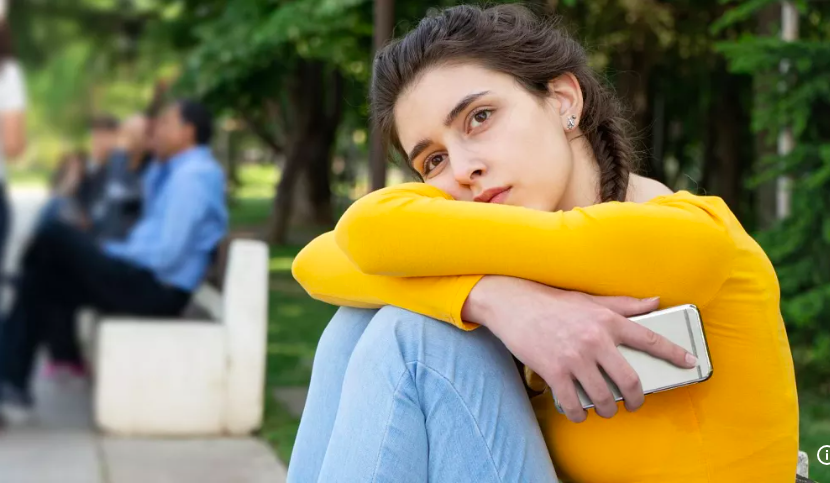
Teenage Girls Are the Loneliest Group in the World, WHO Study Reveals
A groundbreaking new report from the World Health Organisation (WHO) has shed light on a growing global crisis that has largely flown under the radar: loneliness. And at the very centre of this epidemic is a group many might least expect—teenage girls. According to the WHO’s Commission on Social Connection, teenage girls now rank as the loneliest demographic in the world, surpassing all others in reported levels of social disconnection and emotional pain.
One in Six People Feels Lonely — and It’s a Global Crisis
Register for Tekedia Mini-MBA edition 20 (June 8 – Sept 5, 2026).
Register for Tekedia AI in Business Masterclass.
Join Tekedia Capital Syndicate and co-invest in great global startups.
Register for Tekedia AI Lab.
The WHO report found that one in six people around the world—hundreds of millions—experience loneliness, a figure that is not only staggering but also alarming when considering the consequences. An estimated 871,000 deaths per year can be linked to loneliness and social isolation, which are known to increase the risks of stroke, heart disease, diabetes, cognitive decline, and mental health conditions such as depression and anxiety.
Yet the burden is not shared equally. While men and women report loneliness in roughly equal proportions overall, teenage girls stand out. A shocking 24.3% of girls in their teens report being lonely—more than any other demographic.
Why Are Teenage Girls So Lonely?

Dr. Vivek Murthy, the former US Surgeon General and co-chair of the WHO’s loneliness commission, cited a number of contributing factors:
- Poor mental and physical health: Health struggles, particularly those affecting appearance or mood, often lead to withdrawal and self-isolation.
- Social marginalisation: Many teenage girls face judgment, discrimination, or exclusion based on gender, race, sexuality, or socioeconomic status.
- Digital media overuse: While social media platforms promise connection, excessive or unhealthy usage can worsen feelings of inadequacy, comparison, and exclusion.
The problem isn’t simply being alone. As the WHO explains, loneliness is the "painful feeling" of not having the kind or amount of connection a person desires. This makes it different from social isolation, which is about the objective lack of social contact. The two often overlap, but they are not the same.
Youth and Loneliness: A Growing Threat

The WHO report also found that young people in general are disproportionately affected. Nearly 21% of adolescents and 17.4% of adults under 30 report feeling lonely. For comparison, just 11.8% of people over 60 say the same—a surprising finding that challenges the common stereotype of older adults being the loneliest group.
This may be due to several reasons: the digital age has fundamentally altered how young people socialize, often reducing face-to-face interactions and increasing passive digital engagement. Additionally, the pressure to be constantly connected—and to appear happy, successful, and socially popular—can exacerbate feelings of alienation when real life doesn't match the online facade.
Health Risks: Not Just Emotional, But Physical
Loneliness is far more than just a temporary emotional state. The WHO links it directly to serious health conditions. Chronic loneliness increases the risk of:
- Cardiovascular diseases like heart attacks and strokes
- Diabetes, due to stress-induced hormonal imbalances
- Mental health issues such as depression, anxiety, and eating disorders
- Cognitive decline, including Alzheimer’s disease in later life
In fact, the health impact of loneliness is now considered on par with smoking 15 cigarettes a day. The public health implications are vast.
Combating the Loneliness Epidemic
The WHO is calling on governments, civil society, and individuals to take action. As Dr. Murthy puts it, “For too long, we have not recognised the importance of social health. That must change.”
Some countries are already responding. In Sweden, the government has allocated €30 million to combat loneliness through targeted outreach to isolated populations. The country also plans to launch a new initiative aimed at teenagers: “activity cards” for 16- to 18-year-olds, offering money to spend on sports, cultural events, and group activities—but only those that involve real-life human interaction.
The goal is clear: help young people develop stronger social skills, build meaningful relationships, and create spaces for connection. These initiatives recognise that loneliness is not just a personal problem—it’s a societal one.
What Can Be Done on an Individual Level?
While systemic solutions are essential, individuals can also take steps to foster stronger connections:
- Encourage face-to-face interactions with friends and family
- Limit passive social media consumption, and replace it with real conversations
- Join community groups or volunteer activities
- Reach out to those who may be struggling—sometimes a simple message can make a world of difference
Conclusion: A Wake-Up Call for the World
The WHO’s findings are more than just statistics—they are a wake-up call. As the loneliness epidemic intensifies, particularly among teenage girls, the need for urgent action is undeniable. Whether it’s governments creating inclusive programs, schools prioritising social-emotional learning, or families fostering open communication, the time to act is now.
Loneliness is not just a feeling—it’s a public health crisis. And teenage girls, the loneliest group of all, deserve to be heard, supported, and connected in a world that too often leaves them behind.
Meta Description (SEO):
A new WHO study finds teenage girls are the loneliest group globally. Learn what’s driving the loneliness epidemic and how we can take action to protect youth mental health.
Share this:
- Click to share on Facebook (Opens in new window) Facebook
- Click to share on X (Opens in new window) X
- Click to share on WhatsApp (Opens in new window) WhatsApp
- Click to share on LinkedIn (Opens in new window) LinkedIn
- Click to email a link to a friend (Opens in new window) Email
- Click to print (Opens in new window) Print