

Thailand and Cambodia Reaffirm Fragile Ceasefire After Deadly Border Clashes

Quote from Alex Bobby on July 31, 2025, 2:16 AM
Thailand and Cambodia Reaffirm Fragile Ceasefire After Days of Deadly Clashes
A fragile ceasefire between Thailand and Cambodia has been reaffirmed following the worst border violence between the two Southeast Asian neighbours in years. The clashes, which escalated over the past week, resulted in the deaths of at least 41 people—mostly civilians—and forced more than 300,000 to flee their homes in terror.
The two nations, long plagued by historical tensions and disputes over territory, agreed during a Monday meeting in Malaysia to an “immediate and unconditional” ceasefire. The aim was to halt the spiraling violence along their shared and often-disputed border regions.
A Week of Escalating Conflict
The fighting began when border patrols from both sides engaged in armed confrontations near a contested area marked by ancient temples and overlapping territorial claims. What began as an isolated skirmish quickly escalated into multiple days of intense combat, including artillery fire and air raids in some zones. Civilians bore the brunt of the conflict, with homes, markets, and places of worship damaged or destroyed.
Local hospitals struggled to handle the influx of wounded, and humanitarian agencies rushed to provide aid to displaced communities caught in the crossfire. Makeshift shelters sprang up on both sides of the border, but concerns over food, sanitation, and medical supplies remain urgent.
A Ceasefire in Principle, Not in Practice
Despite the ceasefire announcement, tensions remain high. Within 24 hours of the truce, Thailand accused Cambodian forces of launching new attacks in multiple zones along the border on Tuesday. The Thai military reported sporadic exchanges of gunfire stretching into Wednesday morning. Thailand’s foreign ministry stated that the Cambodian side had “once again violated” the terms of the agreement.
Cambodia, however, denied the allegations. A spokesperson for the Cambodian foreign ministry called the claims “baseless and provocative,” accusing Thailand of misrepresenting defensive actions as offensive maneuvers. Cambodia insisted it remained committed to the ceasefire and called for international observers to help verify on-the-ground realities.
Diplomatic Efforts and Underlying Tensions
The ceasefire, brokered with the help of ASEAN members and international observers, is seen as a temporary measure to stop the bloodshed. Analysts say the agreement reflects the pressure both governments face—domestically and internationally—to prevent further escalation. However, the fundamental issues underlying the conflict, including territorial disputes and historical animosities, remain unresolved.
Past attempts at peace have frequently fallen apart, often due to nationalist rhetoric and mutual distrust. The latest fighting is a reminder of how volatile the border remains and how fragile any diplomatic progress can be.
Observers from Malaysia and Indonesia who facilitated Monday's meeting have called for both sides to maintain dialogue and transparency in military movements. “The ceasefire is only the beginning,” said one Malaysian diplomat. “We need a mechanism for monitoring, reporting, and rebuilding trust. Without that, peace cannot hold.”
Humanitarian Concerns
The humanitarian situation continues to deteriorate in many affected regions. With over 300,000 people displaced, camps are overwhelmed and infrastructure is strained. Schools have been closed, businesses shuttered, and families separated as the violence forced sudden evacuations.
UN agencies and NGOs are working on both sides of the border to deliver food, medical supplies, and psychological support, particularly to children who have witnessed the violence up close. The risk of disease outbreaks in crowded refugee shelters adds another layer of urgency.
Calls are growing louder for an international response—not just to maintain the ceasefire, but to ensure civilians are protected and given the means to return to their homes safely.
The Road Ahead
While Wednesday’s reaffirmation of the ceasefire is a step forward, it remains tenuous. Without a formal and verifiable mechanism to monitor military activity and de-escalate tensions on the ground, the risk of renewed violence is high.
Both Thailand and Cambodia stand at a crossroads. They can either use this moment to pursue genuine diplomacy and conflict resolution, or slide back into a cycle of border skirmishes that endanger lives and regional stability.
Peace requires more than signatures on paper—it demands trust, transparency, and sustained commitment. For the sake of the thousands displaced and the memory of those lost, the world will be watching closely.
Final Thought:
As Thailand and Cambodia walk a fine line between war and peace, the reaffirmed ceasefire offers a glimmer of hope. But unless both nations act decisively and collaboratively to address the root causes of the conflict, this fragile peace may prove short-lived.Conclusion
The reaffirmed ceasefire between Thailand and Cambodia marks a crucial, albeit fragile, step toward de-escalating the region’s worst border violence in years. While the agreement brings temporary relief to thousands displaced by the conflict, deep-rooted mistrust and unresolved territorial disputes continue to threaten lasting peace. For the ceasefire to hold, both governments must commit not just to words but to transparent actions—through verified monitoring, ongoing diplomacy, and a genuine effort to prioritise civilian safety. Without such commitment, the region risks being plunged back into violence, with devastating consequences for both nations and their people.
Meta Description:
After days of deadly clashes that killed at least 41 people and displaced over 300,000, Thailand and Cambodia have reaffirmed a fragile ceasefire amid ongoing accusations of violations along their shared border.
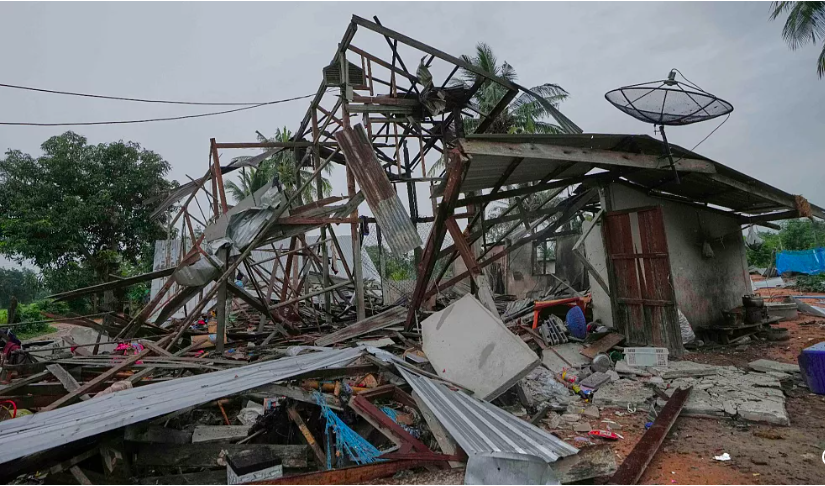
Thailand and Cambodia Reaffirm Fragile Ceasefire After Days of Deadly Clashes
A fragile ceasefire between Thailand and Cambodia has been reaffirmed following the worst border violence between the two Southeast Asian neighbours in years. The clashes, which escalated over the past week, resulted in the deaths of at least 41 people—mostly civilians—and forced more than 300,000 to flee their homes in terror.
The two nations, long plagued by historical tensions and disputes over territory, agreed during a Monday meeting in Malaysia to an “immediate and unconditional” ceasefire. The aim was to halt the spiraling violence along their shared and often-disputed border regions.
Register for Tekedia Mini-MBA edition 20 (June 8 – Sept 5, 2026).
Register for Tekedia AI in Business Masterclass.
Join Tekedia Capital Syndicate and co-invest in great global startups.
Register for Tekedia AI Lab.
A Week of Escalating Conflict
The fighting began when border patrols from both sides engaged in armed confrontations near a contested area marked by ancient temples and overlapping territorial claims. What began as an isolated skirmish quickly escalated into multiple days of intense combat, including artillery fire and air raids in some zones. Civilians bore the brunt of the conflict, with homes, markets, and places of worship damaged or destroyed.
Local hospitals struggled to handle the influx of wounded, and humanitarian agencies rushed to provide aid to displaced communities caught in the crossfire. Makeshift shelters sprang up on both sides of the border, but concerns over food, sanitation, and medical supplies remain urgent.

A Ceasefire in Principle, Not in Practice
Despite the ceasefire announcement, tensions remain high. Within 24 hours of the truce, Thailand accused Cambodian forces of launching new attacks in multiple zones along the border on Tuesday. The Thai military reported sporadic exchanges of gunfire stretching into Wednesday morning. Thailand’s foreign ministry stated that the Cambodian side had “once again violated” the terms of the agreement.
Cambodia, however, denied the allegations. A spokesperson for the Cambodian foreign ministry called the claims “baseless and provocative,” accusing Thailand of misrepresenting defensive actions as offensive maneuvers. Cambodia insisted it remained committed to the ceasefire and called for international observers to help verify on-the-ground realities.

Diplomatic Efforts and Underlying Tensions
The ceasefire, brokered with the help of ASEAN members and international observers, is seen as a temporary measure to stop the bloodshed. Analysts say the agreement reflects the pressure both governments face—domestically and internationally—to prevent further escalation. However, the fundamental issues underlying the conflict, including territorial disputes and historical animosities, remain unresolved.
Past attempts at peace have frequently fallen apart, often due to nationalist rhetoric and mutual distrust. The latest fighting is a reminder of how volatile the border remains and how fragile any diplomatic progress can be.
Observers from Malaysia and Indonesia who facilitated Monday's meeting have called for both sides to maintain dialogue and transparency in military movements. “The ceasefire is only the beginning,” said one Malaysian diplomat. “We need a mechanism for monitoring, reporting, and rebuilding trust. Without that, peace cannot hold.”
Humanitarian Concerns
The humanitarian situation continues to deteriorate in many affected regions. With over 300,000 people displaced, camps are overwhelmed and infrastructure is strained. Schools have been closed, businesses shuttered, and families separated as the violence forced sudden evacuations.
UN agencies and NGOs are working on both sides of the border to deliver food, medical supplies, and psychological support, particularly to children who have witnessed the violence up close. The risk of disease outbreaks in crowded refugee shelters adds another layer of urgency.
Calls are growing louder for an international response—not just to maintain the ceasefire, but to ensure civilians are protected and given the means to return to their homes safely.
The Road Ahead
While Wednesday’s reaffirmation of the ceasefire is a step forward, it remains tenuous. Without a formal and verifiable mechanism to monitor military activity and de-escalate tensions on the ground, the risk of renewed violence is high.
Both Thailand and Cambodia stand at a crossroads. They can either use this moment to pursue genuine diplomacy and conflict resolution, or slide back into a cycle of border skirmishes that endanger lives and regional stability.
Peace requires more than signatures on paper—it demands trust, transparency, and sustained commitment. For the sake of the thousands displaced and the memory of those lost, the world will be watching closely.
Final Thought:
As Thailand and Cambodia walk a fine line between war and peace, the reaffirmed ceasefire offers a glimmer of hope. But unless both nations act decisively and collaboratively to address the root causes of the conflict, this fragile peace may prove short-lived.
Conclusion
The reaffirmed ceasefire between Thailand and Cambodia marks a crucial, albeit fragile, step toward de-escalating the region’s worst border violence in years. While the agreement brings temporary relief to thousands displaced by the conflict, deep-rooted mistrust and unresolved territorial disputes continue to threaten lasting peace. For the ceasefire to hold, both governments must commit not just to words but to transparent actions—through verified monitoring, ongoing diplomacy, and a genuine effort to prioritise civilian safety. Without such commitment, the region risks being plunged back into violence, with devastating consequences for both nations and their people.
Meta Description:
After days of deadly clashes that killed at least 41 people and displaced over 300,000, Thailand and Cambodia have reaffirmed a fragile ceasefire amid ongoing accusations of violations along their shared border.
Share this:
- Click to share on Facebook (Opens in new window) Facebook
- Click to share on X (Opens in new window) X
- Click to share on WhatsApp (Opens in new window) WhatsApp
- Click to share on LinkedIn (Opens in new window) LinkedIn
- Click to email a link to a friend (Opens in new window) Email
- Click to print (Opens in new window) Print