

The Future of Train Travel: What My European Rail Adventure Revealed About Comfort, Innovation, and Sustainability

Quote from Alex Bobby on March 1, 2025, 4:39 AM
A European Family Train Trek: The Pros and Cons of Modern Rail Travel
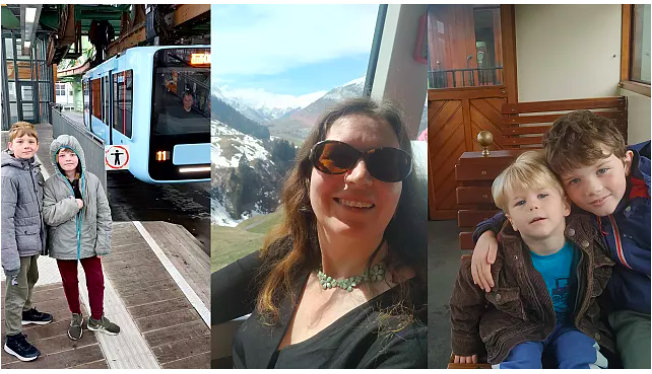
Rail travel in Europe is often romanticised as a scenic, comfortable, and efficient way to traverse the continent. As my family embarked on an Interrail adventure, covering multiple countries with three young children in tow, we experienced both the marvels and challenges of modern train travel. From luxurious panoramic carriages to rundown, graffiti-covered trains, the disparities in rail services across Europe became starkly evident. Our journey offered a unique perspective on where train travel has excelled and where improvements are needed.
The Evolution of Rail Travel
This September marks the 200th anniversary of the opening of the Stockton and Darlington Railway in northern England, which transported passengers by rail for the first time. The early years of train travel were far from comfortable, with third-class passengers often left exposed to the elements in open-air carriages. By the mid-20th century, a more standardised two-tier system—first and standard class—became the norm, along with the introduction of sleeper cars and onboard dining options.
Today, Europe still retains some of its historic rail experiences, such as the Great Central Railway in the UK and Germany’s Schwebebahn, the world’s oldest electric suspension railway. These heritage lines provide a glimpse into the past, but modern rail travel demands much more.
What Passengers Can Expect Today
Our journey took us through the Netherlands, Austria, Switzerland, Germany, Belgium, France, and the UK. With an Interrail pass, we were able to experience a wide range of rail services.
- Switzerland stood out for its family-friendly features, including playgrounds inside train carriages and board games inlaid in tabletops.
- The Netherlands excelled in passenger experience with clean, punctual, and well-organised services.
- Germany’s trains varied widely, with some showing signs of neglect, including graffiti-covered carriages and unclear boarding procedures.
- France and the Netherlands impressed us with double-decker trains, maximising passenger capacity without requiring additional tracks.
Despite the perks, inconsistencies in seating comfort, cleanliness, and onboard facilities remain across European rail networks. Some trains lacked charging points and WiFi, while others offered seamless connectivity.
The Future of Rail Travel
With the resurgence of interest in rail travel, particularly overnight sleeper services, rail companies are innovating to enhance passenger experiences. Austrian manufacturer Skoda Group has introduced designs for double-decker sleeper cubicles, while UK-based Alstom has proposed DreamSuite compartments with lie-flat beds and privacy screens.
Security is another growing concern, especially with reports of increasing thefts on trains. European railways could take inspiration from Japan’s bullet trains, which feature lockable luggage racks to safeguard passengers’ belongings.
For rail travel to remain an attractive alternative to flying, it must not only prioritise sustainability but also passenger comfort. Norway’s investment in new FLIRT NEX trains, equipped with reclining seats, bistros, family compartments, and ample luggage space, exemplifies this shift. As project manager Sille Svenkerud Førner aptly put it:
“The train should not only be a transport stage but also an experience and a place where you like to be.”
Our journey across Europe highlighted both the strengths and weaknesses of modern train travel. While some rail networks provide an exceptional experience, others require substantial investment to meet evolving passenger expectations. If European rail companies can standardise amenities and security measures while embracing modern innovations, train travel has the potential to become the preferred mode of transportation for more people in the future.
Conclusion
My European train adventure revealed both the triumphs and shortcomings of modern rail travel. While some networks offer cutting-edge comfort—like Swiss family-friendly carriages and French double-decker trains—others still struggle with outdated infrastructure, graffiti-ridden stations, and inconsistent amenities like WiFi and charging points.
Looking ahead, the future of rail travel must prioritise both sustainability and passenger experience. The resurgence of sleeper trains, innovative seating designs, and enhanced security measures will make train journeys more practical and enjoyable. As countries invest in cleaner energy sources like hydrogen, the challenge is to ensure that trains remain an attractive alternative to other modes of transport.
Ultimately, for rail to thrive in the 21st century, it must be more than just a means of getting from A to B—it should be a journey passengers genuinely enjoy.
A European Family Train Trek: The Pros and Cons of Modern Rail Travel
Rail travel in Europe is often romanticised as a scenic, comfortable, and efficient way to traverse the continent. As my family embarked on an Interrail adventure, covering multiple countries with three young children in tow, we experienced both the marvels and challenges of modern train travel. From luxurious panoramic carriages to rundown, graffiti-covered trains, the disparities in rail services across Europe became starkly evident. Our journey offered a unique perspective on where train travel has excelled and where improvements are needed.
The Evolution of Rail Travel
Register for Tekedia Mini-MBA edition 20 (June 8 – Sept 5, 2026).
Register for Tekedia AI in Business Masterclass.
Join Tekedia Capital Syndicate and co-invest in great global startups.
Register for Tekedia AI Lab.
This September marks the 200th anniversary of the opening of the Stockton and Darlington Railway in northern England, which transported passengers by rail for the first time. The early years of train travel were far from comfortable, with third-class passengers often left exposed to the elements in open-air carriages. By the mid-20th century, a more standardised two-tier system—first and standard class—became the norm, along with the introduction of sleeper cars and onboard dining options.
Today, Europe still retains some of its historic rail experiences, such as the Great Central Railway in the UK and Germany’s Schwebebahn, the world’s oldest electric suspension railway. These heritage lines provide a glimpse into the past, but modern rail travel demands much more.
What Passengers Can Expect Today

Our journey took us through the Netherlands, Austria, Switzerland, Germany, Belgium, France, and the UK. With an Interrail pass, we were able to experience a wide range of rail services.
- Switzerland stood out for its family-friendly features, including playgrounds inside train carriages and board games inlaid in tabletops.
- The Netherlands excelled in passenger experience with clean, punctual, and well-organised services.
- Germany’s trains varied widely, with some showing signs of neglect, including graffiti-covered carriages and unclear boarding procedures.
- France and the Netherlands impressed us with double-decker trains, maximising passenger capacity without requiring additional tracks.
Despite the perks, inconsistencies in seating comfort, cleanliness, and onboard facilities remain across European rail networks. Some trains lacked charging points and WiFi, while others offered seamless connectivity.
The Future of Rail Travel

With the resurgence of interest in rail travel, particularly overnight sleeper services, rail companies are innovating to enhance passenger experiences. Austrian manufacturer Skoda Group has introduced designs for double-decker sleeper cubicles, while UK-based Alstom has proposed DreamSuite compartments with lie-flat beds and privacy screens.
Security is another growing concern, especially with reports of increasing thefts on trains. European railways could take inspiration from Japan’s bullet trains, which feature lockable luggage racks to safeguard passengers’ belongings.
For rail travel to remain an attractive alternative to flying, it must not only prioritise sustainability but also passenger comfort. Norway’s investment in new FLIRT NEX trains, equipped with reclining seats, bistros, family compartments, and ample luggage space, exemplifies this shift. As project manager Sille Svenkerud Førner aptly put it:
“The train should not only be a transport stage but also an experience and a place where you like to be.”
Our journey across Europe highlighted both the strengths and weaknesses of modern train travel. While some rail networks provide an exceptional experience, others require substantial investment to meet evolving passenger expectations. If European rail companies can standardise amenities and security measures while embracing modern innovations, train travel has the potential to become the preferred mode of transportation for more people in the future.
Conclusion
My European train adventure revealed both the triumphs and shortcomings of modern rail travel. While some networks offer cutting-edge comfort—like Swiss family-friendly carriages and French double-decker trains—others still struggle with outdated infrastructure, graffiti-ridden stations, and inconsistent amenities like WiFi and charging points.
Looking ahead, the future of rail travel must prioritise both sustainability and passenger experience. The resurgence of sleeper trains, innovative seating designs, and enhanced security measures will make train journeys more practical and enjoyable. As countries invest in cleaner energy sources like hydrogen, the challenge is to ensure that trains remain an attractive alternative to other modes of transport.
Ultimately, for rail to thrive in the 21st century, it must be more than just a means of getting from A to B—it should be a journey passengers genuinely enjoy.
Uploaded files:Share this:
- Click to share on Facebook (Opens in new window) Facebook
- Click to share on X (Opens in new window) X
- Click to share on WhatsApp (Opens in new window) WhatsApp
- Click to share on LinkedIn (Opens in new window) LinkedIn
- Click to email a link to a friend (Opens in new window) Email
- Click to print (Opens in new window) Print