

Togo Leader’s Sister-in-Law Arrested After Calling for End to Dynastic Rule

Quote from Alex Bobby on September 23, 2025, 7:37 AM
Togo Leader’s Sister-in-Law Arrested After Calling for End to Family Rule
Togo has been thrown into fresh political turmoil following the arrest of Marguerite Gnakadé, a former defence minister and outspoken critic of President Faure Gnassingbé. Gnakadé, who is also the president’s sister-in-law, was taken into custody at her home in Lomé on Wednesday by security forces, according to multiple sources.
Her arrest comes days after she publicly urged the military to side with the people and end decades of dynastic rule by the Gnassingbé family, which has controlled the small West African nation for nearly 60 years.
The Arrest
Local media and police sources confirmed that Gnakadé was detained for what authorities described as “serious acts,” including incitement of the armed forces to rebellion. A police official told AFP news agency: “She was arrested for serious acts, including her recent public appearance inciting the military to rebellion.”
News of her arrest quickly spread on social media, igniting debate about the state of democracy and dissent in Togo. Civil society groups and opposition parties condemned the arrest, describing it as another example of political repression.
A Family at the Center of Power
Gnakadé is the widow of Ernest Gnassingbé, the late elder brother of Faure Gnassingbé. Her criticism of the president has carried unusual weight, given her close family ties and her past role within government.
She served as Togo’s defence minister between 2020 and 2022, becoming one of the first women to hold the strategic position. During her tenure, she was credited with improving the welfare and working conditions of the military, earning her respect within the armed forces.
In recent months, she emerged as one of the few high-profile insiders openly challenging the regime. Through articles and speeches, she called for Faure Gnassingbé’s resignation and for a “peaceful, inclusive, and national transition” away from dynastic rule.
Six Decades of Dynastic Rule
The Gnassingbé family has dominated Togo’s politics since 1967, when Faure’s father, Gnassingbé Eyadéma, seized power in a coup. Eyadéma ruled for 38 years until his death in 2005, after which Faure took over, continuing the dynasty.
Although Togo holds elections, critics say they are neither free nor fair. Protests and opposition movements have been regularly suppressed through arrests and violence.
In May, Faure Gnassingbé was sworn in to a newly created role, President of the Council of Ministers. This position, which has no term limits, gives him sweeping powers and has been widely viewed as a way to further entrench his rule.
The constitutional changes sparked renewed protests across the country, with demonstrators demanding democratic reforms and an end to family rule.
Protests and Rising Unrest
Togo has been rocked by deadly protests in recent months, as public anger has grown over political repression and economic hardship. Demonstrations intensified after the constitutional shift that allowed Gnassingbé to prolong his power in a new role.
Civil rights groups reported that at least seven people were killed in June during a crackdown on protests, with bodies later recovered from rivers in Lomé. The government denied any link between the deaths and the demonstrations, but the incident further inflamed tensions.
The arrest of Gnakadé appears to have added fuel to the fire. Opposition coalition Touche Pas A Ma Constitution (“Don’t Touch My Constitution”) condemned her detention, saying it was carried out by “hooded” officers without a warrant. “Once again, this is an abuse of power that characterises the regime’s retrograde practices. The aim is to silence a dissenting voice,” the group declared.
Meanwhile, the youth-led movement M66 issued a 72-hour ultimatum demanding her release, warning of nationwide protests if their demands were not met. Mokonzi, one of the movement’s leaders, said: “Togolese people are fed up with arrests of dissident voices. What is worse is that [Gnakadé] is a former defence minister and the Togolese armed forces are there doing nothing. The movement is not going to give up despite all the threats.”
A Divided Military
Gnakadé’s detention has reportedly created unease within the Togolese armed forces. Some soldiers remember her as a defence minister who championed better pay, benefits, and living standards. A security source told the BBC that there was “general discomfort in the barracks with some people against her arrest, because she helped to improve working and living conditions of soldiers when she was the defence minister.”
Her call for the military to support the people against dynastic rule may have struck a chord with some within the ranks, but also provided the government with grounds to accuse her of destabilising the institution.
Judiciary sources say that if convicted of charges such as inciting disobedience and threatening military stability, Gnakadé could face 10 to 20 years in prison.
The Political Stakes
Gnakadé’s arrest highlights the fragility of political freedoms in Togo and the risks faced by those who challenge the entrenched rule of the Gnassingbé family. For many, her bold defiance represents a growing frustration not only with authoritarian governance but also with the lack of political transition after six decades of the same ruling dynasty.
Analysts suggest that the government may have arrested her to send a warning to other insiders considering breaking ranks. However, the backlash—both domestically and internationally—may make her detention more politically costly than anticipated.
Looking Forward
Marguerite Gnakadé’s arrest has cast a sharp light on Togo’s entrenched political crisis. Her detention highlights not only the regime’s determination to silence dissent but also the growing risks of further instability in a country weary of dynastic rule. As opposition groups and civil society call for her release, and youth movements threaten wider protests, the coming weeks will be crucial in determining whether the government tightens its grip or concedes to demands for reform.
Looking forward, Togo faces a defining moment: either it moves toward greater openness and inclusivity or risks deeper unrest that could further destabilise the nation. The voices of protest are growing louder, and the world will be watching closely to see if the ruling elite chooses dialogue over repression.
Final Thoughts
Marguerite Gnakadé’s arrest is more than just another episode in Togo’s long-running political saga—it is a reflection of a people’s struggle against dynastic rule that has lasted over half a century. Her position as both a former defence minister and a member of the ruling family makes this case uniquely symbolic, underscoring the cracks forming within the establishment itself.
For ordinary Togolese, her detention adds fuel to the fire of frustration, raising difficult questions about justice, governance, and the right to dissent. The regime may view silencing Gnakadé as a show of strength, but in reality, it risks amplifying calls for change.
Ultimately, the way forward will depend on whether the government responds with reform and reconciliation—or doubles down on repression. Either choice will shape Togo’s political destiny for years to come.
Conclusion
Marguerite Gnakadé’s arrest marks a dramatic escalation in Togo’s ongoing struggle over democracy, legitimacy, and dynastic power. Her unique position as both a family insider and outspoken critic has made her one of the most significant dissenting voices in recent years.
Looking forward, her detention could galvanize opposition movements, deepen divisions within the military, and intensify public protests. For President Faure Gnassingbé, it may consolidate his control in the short term, but it also underscores the increasing fragility of a regime that relies on repression to maintain its hold.
As Togo edges toward greater instability, the fate of Gnakadé—and the reaction of the military and public—may prove pivotal in shaping the country’s political future.
Meta Description:
Former defence minister Marguerite Gnakadé, sister-in-law of Togo’s president, has been arrested after urging an end to decades of family rule.
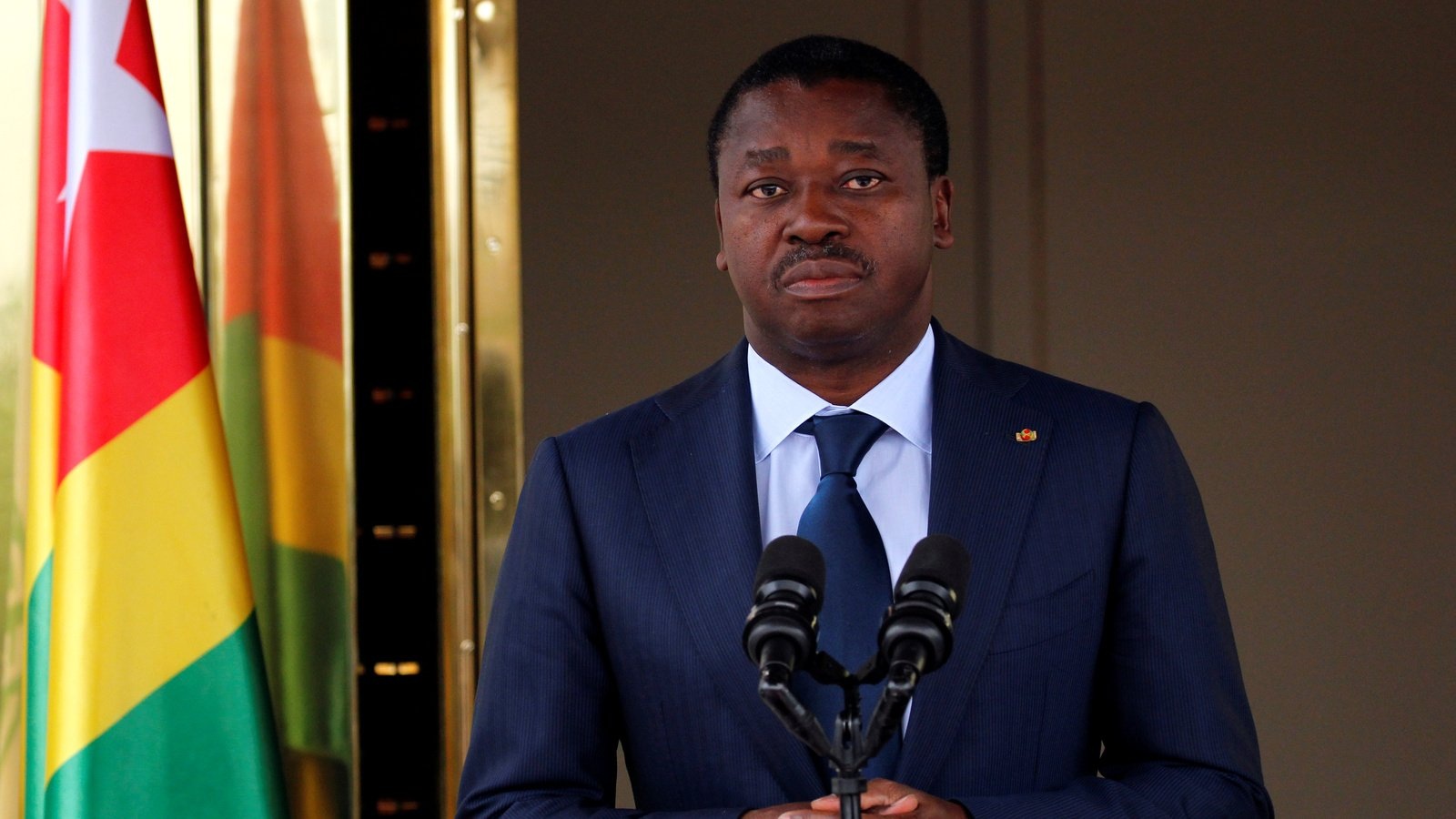
Togo Leader’s Sister-in-Law Arrested After Calling for End to Family Rule
Togo has been thrown into fresh political turmoil following the arrest of Marguerite Gnakadé, a former defence minister and outspoken critic of President Faure Gnassingbé. Gnakadé, who is also the president’s sister-in-law, was taken into custody at her home in Lomé on Wednesday by security forces, according to multiple sources.
Her arrest comes days after she publicly urged the military to side with the people and end decades of dynastic rule by the Gnassingbé family, which has controlled the small West African nation for nearly 60 years.
Register for Tekedia Mini-MBA edition 20 (June 8 – Sept 5, 2026).
Register for Tekedia AI in Business Masterclass.
Join Tekedia Capital Syndicate and co-invest in great global startups.
Register for Tekedia AI Lab.
The Arrest
Local media and police sources confirmed that Gnakadé was detained for what authorities described as “serious acts,” including incitement of the armed forces to rebellion. A police official told AFP news agency: “She was arrested for serious acts, including her recent public appearance inciting the military to rebellion.”
News of her arrest quickly spread on social media, igniting debate about the state of democracy and dissent in Togo. Civil society groups and opposition parties condemned the arrest, describing it as another example of political repression.

A Family at the Center of Power
Gnakadé is the widow of Ernest Gnassingbé, the late elder brother of Faure Gnassingbé. Her criticism of the president has carried unusual weight, given her close family ties and her past role within government.
She served as Togo’s defence minister between 2020 and 2022, becoming one of the first women to hold the strategic position. During her tenure, she was credited with improving the welfare and working conditions of the military, earning her respect within the armed forces.

In recent months, she emerged as one of the few high-profile insiders openly challenging the regime. Through articles and speeches, she called for Faure Gnassingbé’s resignation and for a “peaceful, inclusive, and national transition” away from dynastic rule.
Six Decades of Dynastic Rule
The Gnassingbé family has dominated Togo’s politics since 1967, when Faure’s father, Gnassingbé Eyadéma, seized power in a coup. Eyadéma ruled for 38 years until his death in 2005, after which Faure took over, continuing the dynasty.
Although Togo holds elections, critics say they are neither free nor fair. Protests and opposition movements have been regularly suppressed through arrests and violence.
In May, Faure Gnassingbé was sworn in to a newly created role, President of the Council of Ministers. This position, which has no term limits, gives him sweeping powers and has been widely viewed as a way to further entrench his rule.
The constitutional changes sparked renewed protests across the country, with demonstrators demanding democratic reforms and an end to family rule.
Protests and Rising Unrest
Togo has been rocked by deadly protests in recent months, as public anger has grown over political repression and economic hardship. Demonstrations intensified after the constitutional shift that allowed Gnassingbé to prolong his power in a new role.
Civil rights groups reported that at least seven people were killed in June during a crackdown on protests, with bodies later recovered from rivers in Lomé. The government denied any link between the deaths and the demonstrations, but the incident further inflamed tensions.
The arrest of Gnakadé appears to have added fuel to the fire. Opposition coalition Touche Pas A Ma Constitution (“Don’t Touch My Constitution”) condemned her detention, saying it was carried out by “hooded” officers without a warrant. “Once again, this is an abuse of power that characterises the regime’s retrograde practices. The aim is to silence a dissenting voice,” the group declared.
Meanwhile, the youth-led movement M66 issued a 72-hour ultimatum demanding her release, warning of nationwide protests if their demands were not met. Mokonzi, one of the movement’s leaders, said: “Togolese people are fed up with arrests of dissident voices. What is worse is that [Gnakadé] is a former defence minister and the Togolese armed forces are there doing nothing. The movement is not going to give up despite all the threats.”
A Divided Military
Gnakadé’s detention has reportedly created unease within the Togolese armed forces. Some soldiers remember her as a defence minister who championed better pay, benefits, and living standards. A security source told the BBC that there was “general discomfort in the barracks with some people against her arrest, because she helped to improve working and living conditions of soldiers when she was the defence minister.”
Her call for the military to support the people against dynastic rule may have struck a chord with some within the ranks, but also provided the government with grounds to accuse her of destabilising the institution.
Judiciary sources say that if convicted of charges such as inciting disobedience and threatening military stability, Gnakadé could face 10 to 20 years in prison.
The Political Stakes
Gnakadé’s arrest highlights the fragility of political freedoms in Togo and the risks faced by those who challenge the entrenched rule of the Gnassingbé family. For many, her bold defiance represents a growing frustration not only with authoritarian governance but also with the lack of political transition after six decades of the same ruling dynasty.
Analysts suggest that the government may have arrested her to send a warning to other insiders considering breaking ranks. However, the backlash—both domestically and internationally—may make her detention more politically costly than anticipated.
Looking Forward
Marguerite Gnakadé’s arrest has cast a sharp light on Togo’s entrenched political crisis. Her detention highlights not only the regime’s determination to silence dissent but also the growing risks of further instability in a country weary of dynastic rule. As opposition groups and civil society call for her release, and youth movements threaten wider protests, the coming weeks will be crucial in determining whether the government tightens its grip or concedes to demands for reform.
Looking forward, Togo faces a defining moment: either it moves toward greater openness and inclusivity or risks deeper unrest that could further destabilise the nation. The voices of protest are growing louder, and the world will be watching closely to see if the ruling elite chooses dialogue over repression.
Final Thoughts
Marguerite Gnakadé’s arrest is more than just another episode in Togo’s long-running political saga—it is a reflection of a people’s struggle against dynastic rule that has lasted over half a century. Her position as both a former defence minister and a member of the ruling family makes this case uniquely symbolic, underscoring the cracks forming within the establishment itself.
For ordinary Togolese, her detention adds fuel to the fire of frustration, raising difficult questions about justice, governance, and the right to dissent. The regime may view silencing Gnakadé as a show of strength, but in reality, it risks amplifying calls for change.
Ultimately, the way forward will depend on whether the government responds with reform and reconciliation—or doubles down on repression. Either choice will shape Togo’s political destiny for years to come.
Conclusion
Marguerite Gnakadé’s arrest marks a dramatic escalation in Togo’s ongoing struggle over democracy, legitimacy, and dynastic power. Her unique position as both a family insider and outspoken critic has made her one of the most significant dissenting voices in recent years.
Looking forward, her detention could galvanize opposition movements, deepen divisions within the military, and intensify public protests. For President Faure Gnassingbé, it may consolidate his control in the short term, but it also underscores the increasing fragility of a regime that relies on repression to maintain its hold.
As Togo edges toward greater instability, the fate of Gnakadé—and the reaction of the military and public—may prove pivotal in shaping the country’s political future.
Meta Description:
Former defence minister Marguerite Gnakadé, sister-in-law of Togo’s president, has been arrested after urging an end to decades of family rule.
Share this:
- Click to share on Facebook (Opens in new window) Facebook
- Click to share on X (Opens in new window) X
- Click to share on WhatsApp (Opens in new window) WhatsApp
- Click to share on LinkedIn (Opens in new window) LinkedIn
- Click to email a link to a friend (Opens in new window) Email
- Click to print (Opens in new window) Print