

Tourist Pouring Beer into Elephant’s Trunk in Kenya Sparks Global Outrage

Quote from Alex Bobby on August 31, 2025, 6:13 AM
Tourist Pouring Beer Down Elephant’s Trunk in Kenya Sparks Anger
Kenya, a nation famed for its stunning landscapes and extraordinary wildlife, has once again found itself in the spotlight—but this time for all the wrong reasons. A Spanish tourist has come under fire after posting videos of himself pouring beer down the trunk of a well-known elephant, sparking outrage from conservationists, officials, and the public alike.
The controversial act, which took place at the Ol Jogi Conservancy in Laikipia County, was widely condemned as reckless, dangerous, and disrespectful to both the animal and the values of wildlife conservation. The incident has since triggered investigations by multiple agencies, raising questions about how such behaviour was allowed to occur in a sanctuary devoted to protecting some of Kenya’s most treasured species.
The Viral Video That Sparked Backlash
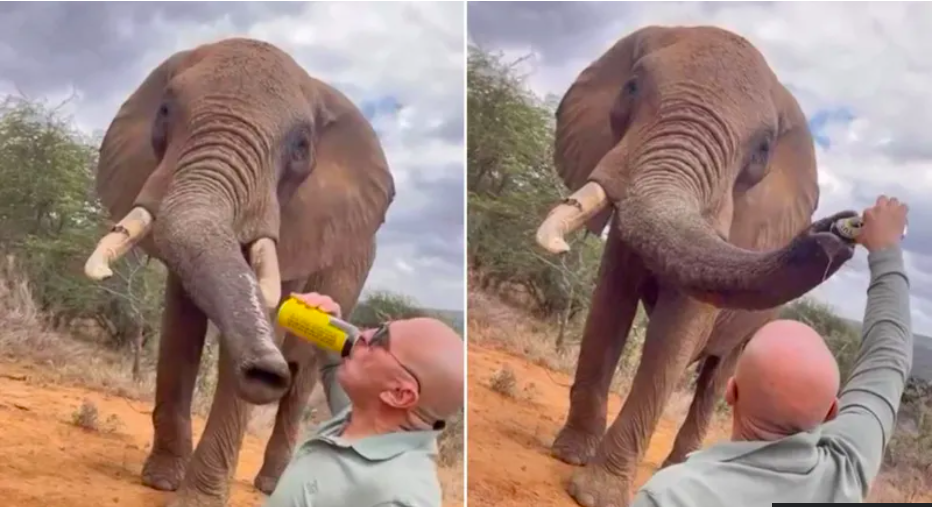
The video first appeared on Instagram, where the tourist—who goes by the handle Skydive_Kenya—was seen drinking from a can of Tusker, a popular Kenyan beer, before pouring the remainder down the trunk of a large bull elephant. He captioned the video, “Just a tusker with a tusked friend,” a play on words referencing both the beer and the animal.
But what the man intended as a lighthearted stunt quickly turned into an international controversy. Outrage poured in from Kenyans and wildlife enthusiasts across the globe, with many calling for the man to be deported and blacklisted from Kenyan conservancies. The criticism was so intense that the video was later deleted from his account, along with other clips showing him feeding elephants and rhinos in various parks.
The BBC, which analysed the footage, confirmed it was genuine and identified the elephant as Bupa, a friendly male at the Ol Jogi Conservancy.
Who is Bupa, the Elephant?
Bupa is no ordinary elephant. He has long been an ambassador for wildlife conservation in Kenya. Rescued in 1989 from a mass elephant cull in Zimbabwe, he was brought to Ol Jogi when he was just eight years old. Over the decades, Bupa has become something of a celebrity, recognised by his distinctive tusks—one of which is damaged.
The conservancy, which is home to about 500 elephants, has described Bupa as a symbol of survival and protection, representing decades of efforts to rehabilitate and safeguard wildlife. For many conservationists, seeing him subjected to such a stunt was especially painful.
In a statement, Ol Jogi declared the act “unacceptable, dangerous, and completely against our values,” emphasising that staff do not allow visitors to get so close to elephants. “We don’t even allow people to go near the elephants,” one staff member told the BBC, expressing shock at the tourist’s behaviour.
Conservationists Condemn the Act
Kenya Wildlife Service (KWS) confirmed it has launched an investigation, with spokesperson Paul Udoto stressing the seriousness of the incident. Dr. Winnie Kiiru, a respected elephant biologist, called the behaviour “unfortunate,” warning that it endangered both the tourist and Bupa.
“About 95% of elephants in Kenya are wild,” Dr. Kiiru explained, “and it is wrong to have social media posts that give the impression you can get close to them and feed them. Such videos spread a dangerous message.”
Experts highlight that elephants have highly sensitive digestive systems, and introducing alcohol or foreign substances can cause serious health problems. Beyond the medical risks, conservationists warn that normalising such behaviour undermines decades of work educating the public about the importance of respecting wildlife boundaries.
A Pattern of Tourist Misconduct
This controversy comes just days after another disturbing video emerged from Kenya’s Maasai Mara National Reserve, where tourists were filmed blocking wildebeests during their annual migration. The footage showed groups of visitors crowding riverbanks, leaving safari vehicles, and interfering with the animals’ natural path—forcing them into crocodile-infested waters.
The back-to-back incidents have ignited a national conversation about tourist behaviour and enforcement of park rules. Kenya’s tourism and wildlife ministry has since pledged to tighten regulations, directing tour operators to ensure visitors remain inside vehicles except in designated areas. The ministry also promised improved signage across parks and expanded visitor education on wildlife safety.
Social Media and the Rise of Reckless Content
The tourist in question, who brands himself an “adrenaline junkie” on TikTok, has previously shared videos of himself feeding rhinos and elephants, often violating park rules. In one recent video, he was filmed offering carrots to a rhino at the Ol Pejeta Conservancy—another act condemned by staff.
Experts argue that the pressure to create shocking or entertaining social media content is fuelling increasingly reckless encounters with wildlife. While such videos may generate likes and followers, they also normalise harmful behaviour and put both people and animals in danger.
Conservation groups warn that platforms like TikTok and Instagram must do more to regulate harmful wildlife content, while sanctuaries and tour operators must remain vigilant in enforcing rules.
Kenya’s Heritage at Stake
Kenya’s wildlife is not only a source of national pride but also a cornerstone of its tourism industry, contributing billions of dollars annually to the economy. Iconic species such as elephants, rhinos, and wildebeests are central to the nation’s identity and global reputation.
Incidents like the “beer elephant” stunt threaten to tarnish this image and undermine conservation efforts. As one Ol Jogi staff member put it: “We’re a conservation. We can’t allow that to happen.”
Looking Forward
This incident has underscored the urgent need for stricter monitoring of tourist behaviour in Kenya’s wildlife sanctuaries. As social media continues to influence how travellers interact with nature, authorities, conservancies, and digital platforms must work hand in hand to protect animals from harmful human interference.
Going forward, Kenya’s wildlife ministry has promised stronger enforcement of park rules, while conservationists continue to push for greater awareness campaigns that highlight the importance of respecting wild animals’ space. For tourists, the message is clear: wildlife encounters should be about admiration, not exploitation.
If taken seriously, these lessons can help ensure that future generations experience Kenya’s iconic elephants, rhinos, and wildebeests in their natural environments—safe, respected, and thriving.
Conclusion
The viral video of a tourist pouring beer down an elephant’s trunk has struck a nerve in Kenya and beyond, sparking outrage and renewed calls for stricter rules around wildlife tourism. While the individual responsible may have sought attention online, the real lesson lies in the reminder that wild animals deserve dignity, respect, and protection.
Kenya’s elephants, including Bupa, are living symbols of resilience. It is now up to authorities, conservancies, and tourists alike to ensure that such incidents never happen again—and that the country’s extraordinary wildlife continues to thrive in safety for generations to come.
Meta Description:
A Spanish tourist in Kenya caused uproar after pouring beer down an elephant’s trunk at Ol Jogi Conservancy. The viral stunt has prompted investigations, conservationist backlash, and renewed calls for stricter wildlife tourism rules.
Tourist Pouring Beer Down Elephant’s Trunk in Kenya Sparks Anger
Kenya, a nation famed for its stunning landscapes and extraordinary wildlife, has once again found itself in the spotlight—but this time for all the wrong reasons. A Spanish tourist has come under fire after posting videos of himself pouring beer down the trunk of a well-known elephant, sparking outrage from conservationists, officials, and the public alike.
The controversial act, which took place at the Ol Jogi Conservancy in Laikipia County, was widely condemned as reckless, dangerous, and disrespectful to both the animal and the values of wildlife conservation. The incident has since triggered investigations by multiple agencies, raising questions about how such behaviour was allowed to occur in a sanctuary devoted to protecting some of Kenya’s most treasured species.
Register for Tekedia Mini-MBA edition 20 (June 8 – Sept 5, 2026).
Register for Tekedia AI in Business Masterclass.
Join Tekedia Capital Syndicate and co-invest in great global startups.
Register for Tekedia AI Lab.
The Viral Video That Sparked Backlash
The video first appeared on Instagram, where the tourist—who goes by the handle Skydive_Kenya—was seen drinking from a can of Tusker, a popular Kenyan beer, before pouring the remainder down the trunk of a large bull elephant. He captioned the video, “Just a tusker with a tusked friend,” a play on words referencing both the beer and the animal.
But what the man intended as a lighthearted stunt quickly turned into an international controversy. Outrage poured in from Kenyans and wildlife enthusiasts across the globe, with many calling for the man to be deported and blacklisted from Kenyan conservancies. The criticism was so intense that the video was later deleted from his account, along with other clips showing him feeding elephants and rhinos in various parks.

The BBC, which analysed the footage, confirmed it was genuine and identified the elephant as Bupa, a friendly male at the Ol Jogi Conservancy.
Who is Bupa, the Elephant?
Bupa is no ordinary elephant. He has long been an ambassador for wildlife conservation in Kenya. Rescued in 1989 from a mass elephant cull in Zimbabwe, he was brought to Ol Jogi when he was just eight years old. Over the decades, Bupa has become something of a celebrity, recognised by his distinctive tusks—one of which is damaged.

The conservancy, which is home to about 500 elephants, has described Bupa as a symbol of survival and protection, representing decades of efforts to rehabilitate and safeguard wildlife. For many conservationists, seeing him subjected to such a stunt was especially painful.
In a statement, Ol Jogi declared the act “unacceptable, dangerous, and completely against our values,” emphasising that staff do not allow visitors to get so close to elephants. “We don’t even allow people to go near the elephants,” one staff member told the BBC, expressing shock at the tourist’s behaviour.
Conservationists Condemn the Act
Kenya Wildlife Service (KWS) confirmed it has launched an investigation, with spokesperson Paul Udoto stressing the seriousness of the incident. Dr. Winnie Kiiru, a respected elephant biologist, called the behaviour “unfortunate,” warning that it endangered both the tourist and Bupa.
“About 95% of elephants in Kenya are wild,” Dr. Kiiru explained, “and it is wrong to have social media posts that give the impression you can get close to them and feed them. Such videos spread a dangerous message.”
Experts highlight that elephants have highly sensitive digestive systems, and introducing alcohol or foreign substances can cause serious health problems. Beyond the medical risks, conservationists warn that normalising such behaviour undermines decades of work educating the public about the importance of respecting wildlife boundaries.
A Pattern of Tourist Misconduct
This controversy comes just days after another disturbing video emerged from Kenya’s Maasai Mara National Reserve, where tourists were filmed blocking wildebeests during their annual migration. The footage showed groups of visitors crowding riverbanks, leaving safari vehicles, and interfering with the animals’ natural path—forcing them into crocodile-infested waters.
The back-to-back incidents have ignited a national conversation about tourist behaviour and enforcement of park rules. Kenya’s tourism and wildlife ministry has since pledged to tighten regulations, directing tour operators to ensure visitors remain inside vehicles except in designated areas. The ministry also promised improved signage across parks and expanded visitor education on wildlife safety.
Social Media and the Rise of Reckless Content
The tourist in question, who brands himself an “adrenaline junkie” on TikTok, has previously shared videos of himself feeding rhinos and elephants, often violating park rules. In one recent video, he was filmed offering carrots to a rhino at the Ol Pejeta Conservancy—another act condemned by staff.
Experts argue that the pressure to create shocking or entertaining social media content is fuelling increasingly reckless encounters with wildlife. While such videos may generate likes and followers, they also normalise harmful behaviour and put both people and animals in danger.
Conservation groups warn that platforms like TikTok and Instagram must do more to regulate harmful wildlife content, while sanctuaries and tour operators must remain vigilant in enforcing rules.
Kenya’s Heritage at Stake
Kenya’s wildlife is not only a source of national pride but also a cornerstone of its tourism industry, contributing billions of dollars annually to the economy. Iconic species such as elephants, rhinos, and wildebeests are central to the nation’s identity and global reputation.
Incidents like the “beer elephant” stunt threaten to tarnish this image and undermine conservation efforts. As one Ol Jogi staff member put it: “We’re a conservation. We can’t allow that to happen.”
Looking Forward
This incident has underscored the urgent need for stricter monitoring of tourist behaviour in Kenya’s wildlife sanctuaries. As social media continues to influence how travellers interact with nature, authorities, conservancies, and digital platforms must work hand in hand to protect animals from harmful human interference.
Going forward, Kenya’s wildlife ministry has promised stronger enforcement of park rules, while conservationists continue to push for greater awareness campaigns that highlight the importance of respecting wild animals’ space. For tourists, the message is clear: wildlife encounters should be about admiration, not exploitation.
If taken seriously, these lessons can help ensure that future generations experience Kenya’s iconic elephants, rhinos, and wildebeests in their natural environments—safe, respected, and thriving.
Conclusion
The viral video of a tourist pouring beer down an elephant’s trunk has struck a nerve in Kenya and beyond, sparking outrage and renewed calls for stricter rules around wildlife tourism. While the individual responsible may have sought attention online, the real lesson lies in the reminder that wild animals deserve dignity, respect, and protection.
Kenya’s elephants, including Bupa, are living symbols of resilience. It is now up to authorities, conservancies, and tourists alike to ensure that such incidents never happen again—and that the country’s extraordinary wildlife continues to thrive in safety for generations to come.
Meta Description:
A Spanish tourist in Kenya caused uproar after pouring beer down an elephant’s trunk at Ol Jogi Conservancy. The viral stunt has prompted investigations, conservationist backlash, and renewed calls for stricter wildlife tourism rules.
Share this:
- Click to share on Facebook (Opens in new window) Facebook
- Click to share on X (Opens in new window) X
- Click to share on WhatsApp (Opens in new window) WhatsApp
- Click to share on LinkedIn (Opens in new window) LinkedIn
- Click to email a link to a friend (Opens in new window) Email
- Click to print (Opens in new window) Print