

Tragedy in Lagos: At Least 10 Dead in Afriland Towers High-Rise Fire

Quote from Alex Bobby on September 19, 2025, 6:32 AM
At Least 10 Dead in Lagos High-Rise Office Building Fire
A devastating fire ripped through a seven-storey office building in the bustling commercial hub of Lagos, Nigeria, on Tuesday, leaving at least 10 people dead and 25 others injured, according to emergency officials. The incident has plunged the city into mourning and raised urgent questions about building safety standards, emergency preparedness, and fire safety compliance in Nigeria’s largest city.
The blaze broke out at Afriland Towers, a high-rise office complex that houses numerous commercial companies and organisations in the heart of Lagos Island. What began as a seemingly contained fire in the basement quickly escalated into a towering inferno, trapping scores of workers inside.
A Sudden Inferno and Desperate Escape Attempts
Eyewitness accounts and disturbing videos shared on social media showed scenes of chaos and desperation. Occupants, trapped on the third and fourth floors as thick black smoke billowed through the building, were seen jumping out of windows to escape the flames.
Chukwuemeka Eze, a local trader who witnessed the incident, told the BBC that the scene was “like something from a nightmare.”
“It was scary, some jumped from up there, many people inside were so scared to jump down, we got a wooden ladder to assist them,” Eze recounted, visibly shaken.
Emergency officials said most of the survivors sustained severe burns, fractures, and traumatic injuries from leaping several storeys to safety. Others were treated for respiratory distress caused by heavy smoke inhalation.
Rescue workers described a chaotic situation in which occupants became disoriented by the rapid spread of smoke. According to the Lagos State Emergency Management Agency (LASEMA), there was no clear evacuation guidance, and the absence of functioning fire alarms and emergency lighting likely contributed to the confusion and panic.
Fire Originated in Electrical Equipment Room
In a statement, LASEMA said the fire is believed to have started in the basement, where electrical installations and power systems were located.
“Preliminary investigations suggest an electrical fault may have triggered the fire in the basement,” LASEMA spokesperson Nosa Okunbor said. “The blaze spread rapidly through electrical ducts, filling upper floors with thick smoke and trapping occupants before they could reach the stairways.”
The fire raged for several hours before it was finally brought under control through the combined efforts of the Lagos State Fire and Rescue Service, the Federal Fire Service, and private emergency responders.
Firefighters battled intense heat, dense smoke, and low visibility as they tried to reach those still trapped inside.
Emergency Response and Casualty Figures
Authorities have confirmed that 10 bodies were recovered from the building and 25 survivors were rushed to various hospitals across Lagos. Some remain in critical condition, raising fears that the death toll could rise further.
Hospitals have appealed for blood donations as they struggle to treat victims with severe burns and trauma.
Governor Babajide Sanwo-Olu has ordered an immediate investigation into the cause of the fire and promised that safety inspections of other high-rise office buildings will be intensified.
“This tragedy is deeply painful. We must ensure that such an incident does not occur again. We will review the safety compliance of commercial buildings across Lagos State,” Sanwo-Olu said in a statement.
A Wake-Up Call on Building Safety in Lagos
The Afriland Towers fire has sparked a renewed debate about fire safety enforcement and disaster preparedness in Lagos, a sprawling city of over 20 million people where commercial skyscrapers are rapidly rising.
Urban planning experts and safety advocates say many high-rise buildings lack basic safety infrastructure such as:
- Fire alarms and sprinkler systems
- Clearly marked emergency exits
- Smoke detectors and fireproof stairwells
- Regular safety drills and evacuation training
They warn that years of regulatory lapses, inadequate inspections, and corruption have created dangerous conditions in commercial spaces where thousands of workers gather daily.
According to a 2023 report by the Nigerian Institute of Building, Lagos records an average of 20 major fire incidents each month, many of them in commercial and residential high-rises.
Witnesses Describe Fear and Chaos
For those who survived, the psychological scars may linger far longer than the physical wounds.
“I was inside on the third floor when the fire alarm never rang,” said one survivor, still bandaged from multiple burns. “The lights went off, smoke filled everywhere. I saw people breaking windows. I didn’t even think—I just jumped.”
Another worker said the stairways quickly became impassable as smoke rose, forcing people to make split-second decisions to save themselves.
“There was shouting everywhere, people crying on the phone saying goodbye. It was like the end of the world,” he said.
Authorities Pledge Accountability
LASEMA has sealed off the building and begun forensic inspections alongside fire and safety engineers. Officials have hinted at possible legal action against the building owners or management if they are found to have neglected safety regulations.
The Lagos State Safety Commission has also announced plans to conduct safety audits of all commercial high-rise buildings in the city within the coming weeks.
“Lives were lost here because systems failed,” said a LASEMA official at the scene. “We must hold people accountable.”
Final Thoughts
The tragic fire at Afriland Towers is more than just an isolated disaster — it is a wake-up call about systemic safety lapses in Lagos’s rapidly expanding commercial skyline. The loss of at least ten lives and the severe injuries suffered by dozens more highlight the devastating consequences of poor fire safety infrastructure, inadequate evacuation plans, and weak enforcement of building regulations.
While emergency responders displayed bravery under difficult conditions, their efforts came only after lives had already been lost. This underscores the reality that prevention, not reaction, must be the cornerstone of safety in high-rise buildings.
Moving forward, it is crucial that authorities hold building owners accountable, strengthen fire safety laws, and conduct rigorous inspections to ensure all commercial buildings are properly equipped for emergencies. Regular fire drills, alarm systems, accessible exits, and fire-resistant infrastructure are not luxuries — they are life-saving essentials.
If these painful lessons are taken seriously, this tragedy could become a turning point for safer urban development in Lagos, ensuring that no worker has to risk their life simply by showing up to work.
Conclusion
The tragedy at Afriland Towers is a painful reminder of the urgent need to prioritise fire safety and emergency preparedness in Lagos’s rapidly growing skyline. As the city continues to expand and modernise, enforcement of building codes, routine safety inspections, and public education on emergency response must become non-negotiable priorities.
For now, Lagos mourns ten lives cut short, dozens injured, and countless families shattered. The hope is that their loss will serve as a turning point for change, forcing authorities, developers, and business owners to finally make safety as important as commerce in Nigeria’s commercial capital.
Meta description (SEO):
At least 10 people have died and 25 injured in a fire at Afriland Towers, a high-rise office building in Lagos, Nigeria. Authorities blame electrical faults and poor evacuation plans.
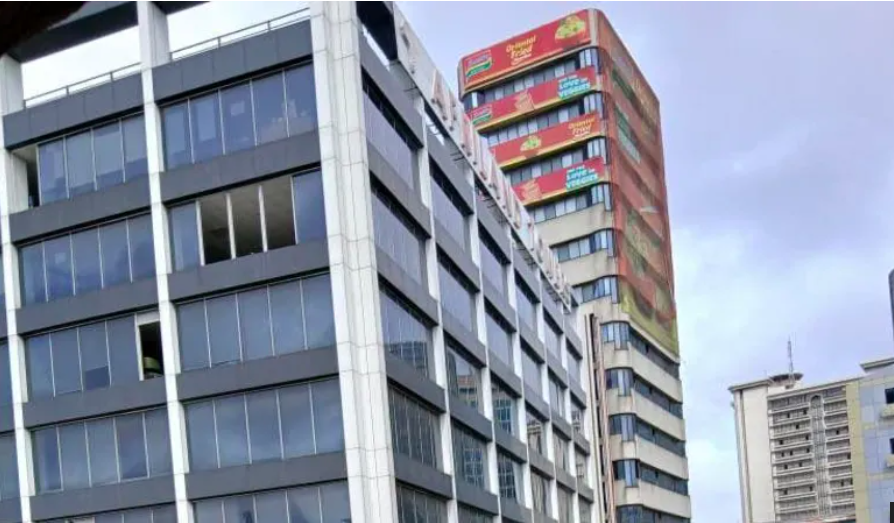
At Least 10 Dead in Lagos High-Rise Office Building Fire
A devastating fire ripped through a seven-storey office building in the bustling commercial hub of Lagos, Nigeria, on Tuesday, leaving at least 10 people dead and 25 others injured, according to emergency officials. The incident has plunged the city into mourning and raised urgent questions about building safety standards, emergency preparedness, and fire safety compliance in Nigeria’s largest city.
The blaze broke out at Afriland Towers, a high-rise office complex that houses numerous commercial companies and organisations in the heart of Lagos Island. What began as a seemingly contained fire in the basement quickly escalated into a towering inferno, trapping scores of workers inside.
Register for Tekedia Mini-MBA edition 20 (June 8 – Sept 5, 2026).
Register for Tekedia AI in Business Masterclass.
Join Tekedia Capital Syndicate and co-invest in great global startups.
Register for Tekedia AI Lab.
A Sudden Inferno and Desperate Escape Attempts
Eyewitness accounts and disturbing videos shared on social media showed scenes of chaos and desperation. Occupants, trapped on the third and fourth floors as thick black smoke billowed through the building, were seen jumping out of windows to escape the flames.
Chukwuemeka Eze, a local trader who witnessed the incident, told the BBC that the scene was “like something from a nightmare.”

“It was scary, some jumped from up there, many people inside were so scared to jump down, we got a wooden ladder to assist them,” Eze recounted, visibly shaken.
Emergency officials said most of the survivors sustained severe burns, fractures, and traumatic injuries from leaping several storeys to safety. Others were treated for respiratory distress caused by heavy smoke inhalation.
Rescue workers described a chaotic situation in which occupants became disoriented by the rapid spread of smoke. According to the Lagos State Emergency Management Agency (LASEMA), there was no clear evacuation guidance, and the absence of functioning fire alarms and emergency lighting likely contributed to the confusion and panic.

Fire Originated in Electrical Equipment Room
In a statement, LASEMA said the fire is believed to have started in the basement, where electrical installations and power systems were located.
“Preliminary investigations suggest an electrical fault may have triggered the fire in the basement,” LASEMA spokesperson Nosa Okunbor said. “The blaze spread rapidly through electrical ducts, filling upper floors with thick smoke and trapping occupants before they could reach the stairways.”
The fire raged for several hours before it was finally brought under control through the combined efforts of the Lagos State Fire and Rescue Service, the Federal Fire Service, and private emergency responders.
Firefighters battled intense heat, dense smoke, and low visibility as they tried to reach those still trapped inside.
Emergency Response and Casualty Figures
Authorities have confirmed that 10 bodies were recovered from the building and 25 survivors were rushed to various hospitals across Lagos. Some remain in critical condition, raising fears that the death toll could rise further.
Hospitals have appealed for blood donations as they struggle to treat victims with severe burns and trauma.
Governor Babajide Sanwo-Olu has ordered an immediate investigation into the cause of the fire and promised that safety inspections of other high-rise office buildings will be intensified.
“This tragedy is deeply painful. We must ensure that such an incident does not occur again. We will review the safety compliance of commercial buildings across Lagos State,” Sanwo-Olu said in a statement.
A Wake-Up Call on Building Safety in Lagos
The Afriland Towers fire has sparked a renewed debate about fire safety enforcement and disaster preparedness in Lagos, a sprawling city of over 20 million people where commercial skyscrapers are rapidly rising.
Urban planning experts and safety advocates say many high-rise buildings lack basic safety infrastructure such as:
- Fire alarms and sprinkler systems
- Clearly marked emergency exits
- Smoke detectors and fireproof stairwells
- Regular safety drills and evacuation training
They warn that years of regulatory lapses, inadequate inspections, and corruption have created dangerous conditions in commercial spaces where thousands of workers gather daily.
According to a 2023 report by the Nigerian Institute of Building, Lagos records an average of 20 major fire incidents each month, many of them in commercial and residential high-rises.
Witnesses Describe Fear and Chaos
For those who survived, the psychological scars may linger far longer than the physical wounds.
“I was inside on the third floor when the fire alarm never rang,” said one survivor, still bandaged from multiple burns. “The lights went off, smoke filled everywhere. I saw people breaking windows. I didn’t even think—I just jumped.”
Another worker said the stairways quickly became impassable as smoke rose, forcing people to make split-second decisions to save themselves.
“There was shouting everywhere, people crying on the phone saying goodbye. It was like the end of the world,” he said.
Authorities Pledge Accountability
LASEMA has sealed off the building and begun forensic inspections alongside fire and safety engineers. Officials have hinted at possible legal action against the building owners or management if they are found to have neglected safety regulations.
The Lagos State Safety Commission has also announced plans to conduct safety audits of all commercial high-rise buildings in the city within the coming weeks.
“Lives were lost here because systems failed,” said a LASEMA official at the scene. “We must hold people accountable.”
Final Thoughts
The tragic fire at Afriland Towers is more than just an isolated disaster — it is a wake-up call about systemic safety lapses in Lagos’s rapidly expanding commercial skyline. The loss of at least ten lives and the severe injuries suffered by dozens more highlight the devastating consequences of poor fire safety infrastructure, inadequate evacuation plans, and weak enforcement of building regulations.
While emergency responders displayed bravery under difficult conditions, their efforts came only after lives had already been lost. This underscores the reality that prevention, not reaction, must be the cornerstone of safety in high-rise buildings.
Moving forward, it is crucial that authorities hold building owners accountable, strengthen fire safety laws, and conduct rigorous inspections to ensure all commercial buildings are properly equipped for emergencies. Regular fire drills, alarm systems, accessible exits, and fire-resistant infrastructure are not luxuries — they are life-saving essentials.
If these painful lessons are taken seriously, this tragedy could become a turning point for safer urban development in Lagos, ensuring that no worker has to risk their life simply by showing up to work.
Conclusion
The tragedy at Afriland Towers is a painful reminder of the urgent need to prioritise fire safety and emergency preparedness in Lagos’s rapidly growing skyline. As the city continues to expand and modernise, enforcement of building codes, routine safety inspections, and public education on emergency response must become non-negotiable priorities.
For now, Lagos mourns ten lives cut short, dozens injured, and countless families shattered. The hope is that their loss will serve as a turning point for change, forcing authorities, developers, and business owners to finally make safety as important as commerce in Nigeria’s commercial capital.
Meta description (SEO):
At least 10 people have died and 25 injured in a fire at Afriland Towers, a high-rise office building in Lagos, Nigeria. Authorities blame electrical faults and poor evacuation plans.
Share this:
- Click to share on Facebook (Opens in new window) Facebook
- Click to share on X (Opens in new window) X
- Click to share on WhatsApp (Opens in new window) WhatsApp
- Click to share on LinkedIn (Opens in new window) LinkedIn
- Click to email a link to a friend (Opens in new window) Email
- Click to print (Opens in new window) Print