

UK Sanctions Russian GRU Officers Over Deadly Ukraine Theatre Strike and Widespread Cyber Attacks

Quote from Alex Bobby on July 19, 2025, 4:06 AM
UK Sanctions Russian Spies Over Deadly Ukraine Theatre Strike and Cyber Sabotage Campaigns
In a major diplomatic escalation, the United Kingdom has imposed sanctions on 18 officers and three units from Russia's military intelligence agency, the GRU, over their role in a deadly airstrike on a Ukrainian theatre and a widespread campaign of cyber sabotage targeting Western nations. The move underscores the growing concern over Moscow’s hybrid warfare tactics that blend conventional military aggression with sophisticated cyber operations.
A Tragic Theatre Strike Sparks Fresh Sanctions
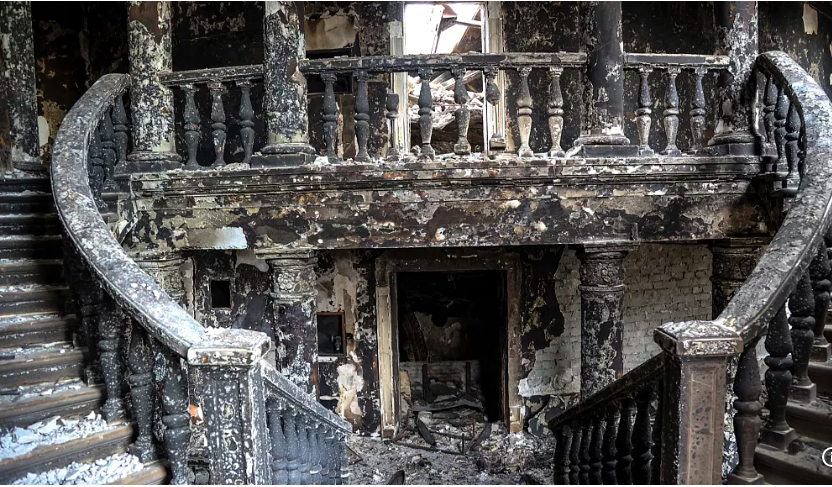
The sanctions, announced on Friday by the Foreign, Commonwealth and Development Office (FCDO), are primarily in response to the 2022 bombing of the Mariupol Drama Theatre, a horrifying attack that killed an estimated 600 civilians, including many children. The theatre had been clearly marked with the word “children” in large letters on the pavement outside in an effort to signal its use as a civilian shelter.
The UK government holds GRU officers directly responsible for the planning and execution of the attack. According to the FCDO, the individuals sanctioned were involved in the surveillance and targeting of civilian bomb shelters in Mariupol and Kharkiv in the days leading up to the strike. Among them are members of the infamous GRU Unit 26165, also known as “Fancy Bear,” a highly sophisticated cyber-espionage group.
A Web of Cyber Sabotage Across the West
Beyond their role in the Ukraine conflict, the GRU operatives are linked to a broad and long-standing campaign of cyber interference across Europe and the United States. Foreign Secretary David Lammy stated that these individuals are part of a larger GRU initiative to “destabilise Europe, undermine Ukraine’s sovereignty and threaten the safety of British citizens.”
The UK alleges that Unit 26165 has been involved in several major cyber intrusions, including:
- The 2016 hacking of the US Democratic Party, during which emails were leaked to damage Hillary Clinton’s presidential campaign.
- A 2017 cyberattack on French President Emmanuel Macron’s campaign, designed to interfere with France’s election.
- Attempts to sabotage the upcoming 2024 Paris Olympics, including disinformation and hack-and-leak strategies.
Another division, Unit 74455, was reportedly responsible for cyberattacks against the UK Foreign Office and the Defence Science and Technology Laboratory during the Skripal poisoning investigation in 2018. The GRU's use of digital tools to disrupt democratic processes and public institutions has become a signature of Russia’s modern approach to asymmetric warfare.
Ties to the Skripal Poisoning Case
Several of the sanctioned officers were also allegedly involved in the infamous Novichok poisoning of former Russian spy Sergei Skripal and his daughter Yulia in Salisbury in 2018—an attack that brought international condemnation and led to mass diplomatic expulsions.
New intelligence suggests that the same GRU unit accessed Yulia Skripal’s email in 2013, years before the assassination attempt. This revelation highlights the GRU’s long-term surveillance operations and its ability to blend traditional intelligence gathering with digital espionage.
The Disinformation Front in Africa
Friday’s sanctions also targeted a lesser-known but increasingly influential entity: the African Initiative, which the UK described as a front used by Russian intelligence to spread disinformation in Africa. According to British officials, the outlet was instrumental in efforts to undermine public health programs, destabilise African governments, and spread anti-Western narratives.
This signals a broader strategy by the Kremlin to expand its geopolitical influence in the Global South while weakening alliances between African nations and the West.
Limited Impact, But Strategic Intent
While the immediate consequences of the sanctions—primarily asset freezes and travel bans—may appear symbolic, UK officials argue that these measures are part of a broader strategy to raise the cost of participating in state-sponsored cyberattacks and war crimes. “Sanctions like these restrict movement, block access to international finance, and send a clear message that such behaviour will not go unpunished,” a Foreign Office spokesperson said.
The UK’s National Cyber Security Centre added that Russia’s GRU-linked hackers have also developed custom malware targeting Microsoft cloud systems, reflecting the continued evolution of state-backed cyber tools aimed at compromising critical infrastructure and sensitive communications.
Final Thought
The UK’s sanctions against Russia’s GRU officers and units highlight the growing recognition that modern conflicts extend far beyond traditional battlefields. By targeting those responsible for both deadly attacks and covert cyber campaigns, Britain sends a powerful message that hybrid warfare tactics will face consequences. As the lines between physical and digital warfare blur, international cooperation and vigilance remain essential to safeguarding security and upholding justice.
Conclusion
The UK's decision to sanction Russian spies and military units over the Mariupol theatre bombing and cyberattacks across the West is more than a punitive measure—it’s a strategic declaration. It signals the UK’s intent to hold Russia accountable not just for its military aggression in Ukraine, but for a broader campaign of digital and psychological warfare that threatens global stability.
By shining a spotlight on GRU operations, British authorities aim to increase international pressure on the Kremlin, disrupt future attacks, and reaffirm the rules-based international order. Whether these sanctions will deter further aggression remains to be seen—but they make clear that the UK will not remain silent in the face of such atrocities and covert threats.
Meta Description:
The UK sanctions 18 Russian GRU officers and units over the deadly 2022 Mariupol theatre strike and extensive cyber sabotage campaigns targeting Europe and the US, aiming to hold Moscow accountable for hybrid warfare tactics.
UK Sanctions Russian Spies Over Deadly Ukraine Theatre Strike and Cyber Sabotage Campaigns
In a major diplomatic escalation, the United Kingdom has imposed sanctions on 18 officers and three units from Russia's military intelligence agency, the GRU, over their role in a deadly airstrike on a Ukrainian theatre and a widespread campaign of cyber sabotage targeting Western nations. The move underscores the growing concern over Moscow’s hybrid warfare tactics that blend conventional military aggression with sophisticated cyber operations.
A Tragic Theatre Strike Sparks Fresh Sanctions
Register for Tekedia Mini-MBA edition 20 (June 8 – Sept 5, 2026).
Register for Tekedia AI in Business Masterclass.
Join Tekedia Capital Syndicate and co-invest in great global startups.
Register for Tekedia AI Lab.
The sanctions, announced on Friday by the Foreign, Commonwealth and Development Office (FCDO), are primarily in response to the 2022 bombing of the Mariupol Drama Theatre, a horrifying attack that killed an estimated 600 civilians, including many children. The theatre had been clearly marked with the word “children” in large letters on the pavement outside in an effort to signal its use as a civilian shelter.
The UK government holds GRU officers directly responsible for the planning and execution of the attack. According to the FCDO, the individuals sanctioned were involved in the surveillance and targeting of civilian bomb shelters in Mariupol and Kharkiv in the days leading up to the strike. Among them are members of the infamous GRU Unit 26165, also known as “Fancy Bear,” a highly sophisticated cyber-espionage group.
A Web of Cyber Sabotage Across the West

Beyond their role in the Ukraine conflict, the GRU operatives are linked to a broad and long-standing campaign of cyber interference across Europe and the United States. Foreign Secretary David Lammy stated that these individuals are part of a larger GRU initiative to “destabilise Europe, undermine Ukraine’s sovereignty and threaten the safety of British citizens.”
The UK alleges that Unit 26165 has been involved in several major cyber intrusions, including:
- The 2016 hacking of the US Democratic Party, during which emails were leaked to damage Hillary Clinton’s presidential campaign.
- A 2017 cyberattack on French President Emmanuel Macron’s campaign, designed to interfere with France’s election.
- Attempts to sabotage the upcoming 2024 Paris Olympics, including disinformation and hack-and-leak strategies.
Another division, Unit 74455, was reportedly responsible for cyberattacks against the UK Foreign Office and the Defence Science and Technology Laboratory during the Skripal poisoning investigation in 2018. The GRU's use of digital tools to disrupt democratic processes and public institutions has become a signature of Russia’s modern approach to asymmetric warfare.

Ties to the Skripal Poisoning Case
Several of the sanctioned officers were also allegedly involved in the infamous Novichok poisoning of former Russian spy Sergei Skripal and his daughter Yulia in Salisbury in 2018—an attack that brought international condemnation and led to mass diplomatic expulsions.
New intelligence suggests that the same GRU unit accessed Yulia Skripal’s email in 2013, years before the assassination attempt. This revelation highlights the GRU’s long-term surveillance operations and its ability to blend traditional intelligence gathering with digital espionage.
The Disinformation Front in Africa
Friday’s sanctions also targeted a lesser-known but increasingly influential entity: the African Initiative, which the UK described as a front used by Russian intelligence to spread disinformation in Africa. According to British officials, the outlet was instrumental in efforts to undermine public health programs, destabilise African governments, and spread anti-Western narratives.
This signals a broader strategy by the Kremlin to expand its geopolitical influence in the Global South while weakening alliances between African nations and the West.
Limited Impact, But Strategic Intent
While the immediate consequences of the sanctions—primarily asset freezes and travel bans—may appear symbolic, UK officials argue that these measures are part of a broader strategy to raise the cost of participating in state-sponsored cyberattacks and war crimes. “Sanctions like these restrict movement, block access to international finance, and send a clear message that such behaviour will not go unpunished,” a Foreign Office spokesperson said.
The UK’s National Cyber Security Centre added that Russia’s GRU-linked hackers have also developed custom malware targeting Microsoft cloud systems, reflecting the continued evolution of state-backed cyber tools aimed at compromising critical infrastructure and sensitive communications.
Final Thought
The UK’s sanctions against Russia’s GRU officers and units highlight the growing recognition that modern conflicts extend far beyond traditional battlefields. By targeting those responsible for both deadly attacks and covert cyber campaigns, Britain sends a powerful message that hybrid warfare tactics will face consequences. As the lines between physical and digital warfare blur, international cooperation and vigilance remain essential to safeguarding security and upholding justice.
Conclusion
The UK's decision to sanction Russian spies and military units over the Mariupol theatre bombing and cyberattacks across the West is more than a punitive measure—it’s a strategic declaration. It signals the UK’s intent to hold Russia accountable not just for its military aggression in Ukraine, but for a broader campaign of digital and psychological warfare that threatens global stability.
By shining a spotlight on GRU operations, British authorities aim to increase international pressure on the Kremlin, disrupt future attacks, and reaffirm the rules-based international order. Whether these sanctions will deter further aggression remains to be seen—but they make clear that the UK will not remain silent in the face of such atrocities and covert threats.
Meta Description:
The UK sanctions 18 Russian GRU officers and units over the deadly 2022 Mariupol theatre strike and extensive cyber sabotage campaigns targeting Europe and the US, aiming to hold Moscow accountable for hybrid warfare tactics.
Share this:
- Click to share on Facebook (Opens in new window) Facebook
- Click to share on X (Opens in new window) X
- Click to share on WhatsApp (Opens in new window) WhatsApp
- Click to share on LinkedIn (Opens in new window) LinkedIn
- Click to email a link to a friend (Opens in new window) Email
- Click to print (Opens in new window) Print